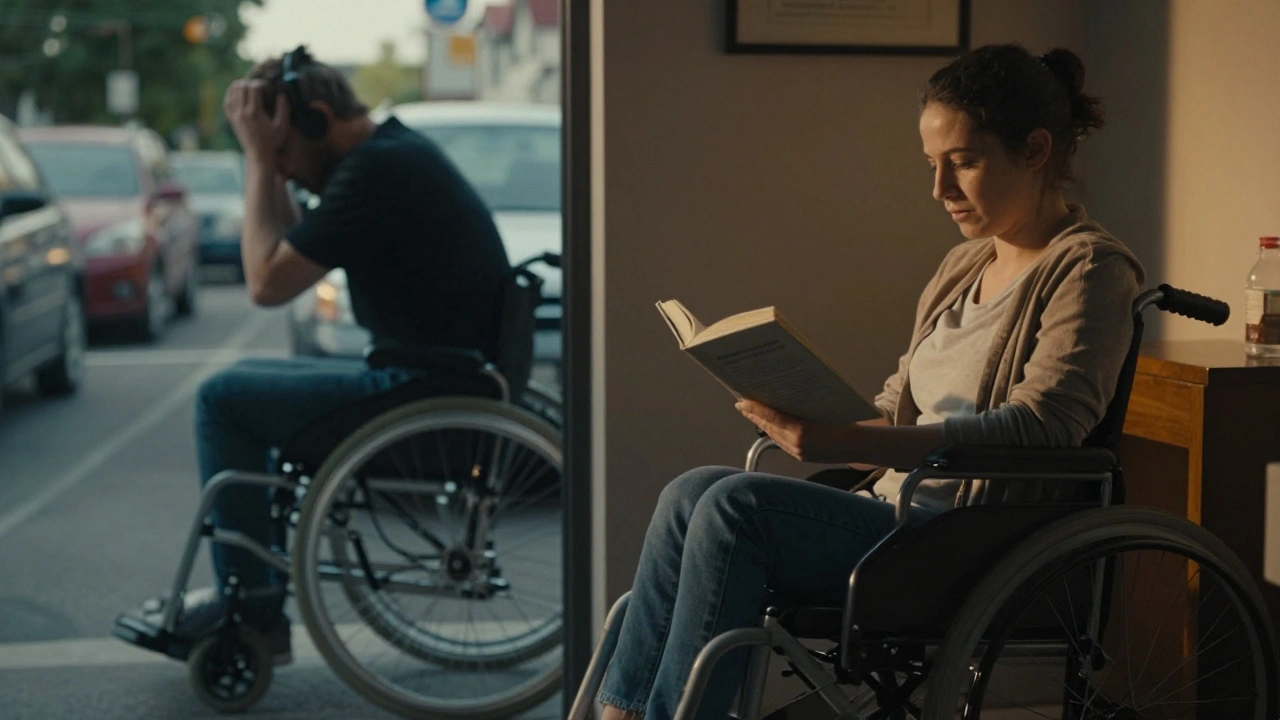
We’ve all seen it. The movie scene where a non-disabled protagonist is stuck in traffic or struggling to cook dinner, and suddenly, the camera cuts to a person with a disability calmly solving a complex problem or offering profound life advice. The music swells. We are meant to feel inspired. But if you stop for a second, that feeling might not be quite right. It feels hollow. It feels like we are being asked to look at someone’s life as a lesson for our own convenience rather than respecting their humanity on its own terms.
For decades, Hollywood has relied on what activists and scholars call "inspirational tropes"-narrative shortcuts that reduce disabled characters to plot devices designed to motivate others. This approach, often criticized as "inspiration porn," doesn’t just misrepresent reality; it actively harms how society views disability. As of 2026, the conversation has shifted. Audiences are smarter, critics are sharper, and creators are finally listening to disabled voices. The question is no longer whether these tropes exist, but how we can identify them, dismantle them, and support stories that get it right.
What is "inspiration porn" in film?
Coined by disability rights advocate Stella Young, "inspiration porn" refers to media that portrays disabled people as inspiring simply for existing or performing basic daily tasks. In film, this manifests as characters whose sole purpose is to teach non-disabled characters (and audiences) about resilience, often ignoring their own desires, flaws, and complexities.
The Anatomy of the Trope: Why These Stories Fail
To fix the problem, we first need to understand why these narratives are so persistent. They usually follow a predictable script. A disabled character enters the story not because they have their own arc, but because they serve as a mirror for the non-disabled lead. Think of the blind sage who sees the truth the hero cannot, or the wheelchair user who teaches a cynical doctor the value of life before dying tragically. These characters rarely have agency. Their disabilities are treated as metaphors for suffering or spiritual purity, rather than neutral aspects of human diversity.
This dynamic creates a power imbalance that is uncomfortable to watch once you recognize it. The audience is positioned as superior, looking down on the disabled character with pity or awe. It reinforces the idea that a life with a disability is inherently tragic or less valuable unless it provides emotional value to others. In 2025 and 2026, streaming platforms released several high-profile films that attempted to subvert this, yet many still fell into the trap of "overcoming" narratives-where the ultimate goal of the character is to become "normal" again, implying that their current state is a failure.
The core issue isn’t that disabled people can’t be inspiring. Of course they can. The issue is when inspiration is their *only* function. When a character is allowed to be lazy, angry, funny, selfish, or mundane, they become real. Inspiration porn strips away that humanity to create a sanitized, palatable version of disability for mass consumption.
From Metaphor to Reality: Shifting the Lens
Authentic disability narratives start with a simple shift: the disabled character is the subject of the story, not the object. This means their disability may be central to the plot, or it may be incidental, but it is never used solely to teach a moral lesson to abled-bodied viewers. Instead, the story explores the social barriers, internal conflicts, and everyday joys of living with a disability.
Consider the difference between a film where a deaf character learns to sign to communicate with their family (a realistic portrayal of Deaf culture and identity) versus a film where a hearing character uses a deaf child’s silence to find inner peace (a trope that centers the hearing person’s journey). The former respects the character’s autonomy and cultural context. The latter exploits the disability for emotional effect.
In recent years, we’ve seen more examples of the former. Films like Coda is a drama that centers on a hearing child of deaf adults, focusing on the dynamics within the Deaf community rather than using deafness as a tragedy to overcome marked a turning point. While not perfect, it prioritized the perspective of the Deaf world, featuring deaf actors in deaf roles and portraying sign language as a vibrant, complete language rather than a limitation. This approach aligns with the social model of disability, which argues that people are disabled by societal barriers (like lack of interpreters or accessible infrastructure) rather than by their impairments alone.
The Role of Casting and Creative Control
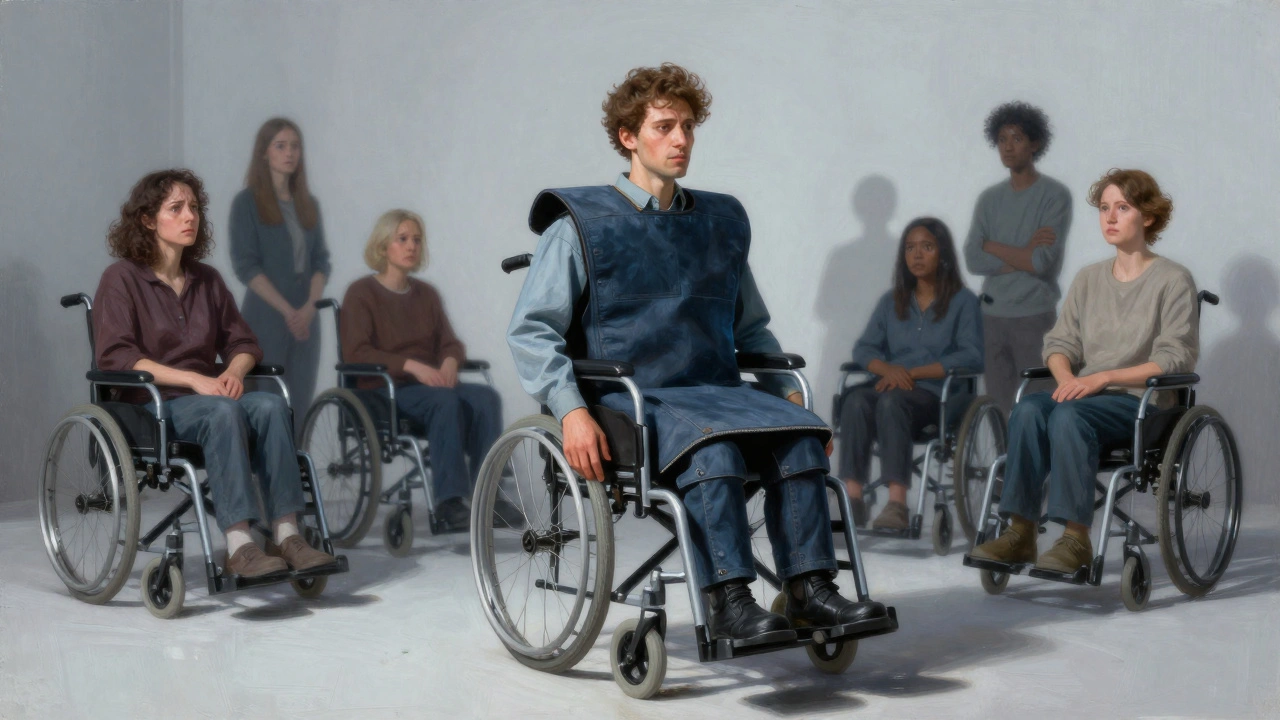
You cannot write your way out of bad representation if the production itself is exclusionary. One of the biggest hurdles in moving beyond tropes is casting. For too long, non-disabled actors have won awards for playing disabled roles, often relying on physical mannerisms rather than lived experience. This practice, known as "cripface," mirrors historical issues with blackface and brownface. It sends a message that disabled stories are only valid when filtered through an able-bodied lens.
Authenticity requires disabled writers, directors, and producers in the room. When disabled creators control the narrative, the nuance changes. They know that a wheelchair user doesn’t always need help opening a door. They know that chronic pain fluctuates. They know that disability intersects with race, gender, and class in complex ways. Without these voices, scripts tend to rely on stereotypes because they are easier to write than truth.
In 2024, several major studios announced initiatives to hire more disabled consultants and crew members. However, consultation is not enough. Disabled professionals need decision-making power. If a disabled writer suggests cutting a scene where a character is "inspired" by another’s struggle, but a non-disabled producer insists it keeps the pacing up, the trope survives. True change happens when disabled talent holds the keys to greenlighting projects.
Beyond the Binary: Intersectionality in Disability Storytelling
Another layer of complexity often missing from mainstream films is intersectionality. Disability does not exist in a vacuum. A wealthy white man with a prosthetic leg faces different challenges than a poor woman of color with the same limb loss. Yet, most films present disability as a universal experience that looks and feels the same regardless of background. This erases the specific realities of marginalized groups.
For example, mental health disorders are frequently portrayed through the lens of white, middle-class trauma, ignoring how systemic racism, poverty, and lack of access to care impact mental health outcomes in minority communities. Similarly, intellectual disabilities are often depicted through infantilizing lenses, denying characters sexual agency or intellectual depth. Breaking these tropes requires acknowledging that disability intersects with every other aspect of identity. A truly inclusive narrative will explore how a character’s disability shapes their experience of gender, race, and socioeconomic status, and vice versa.
How to Spot Authentic Representation
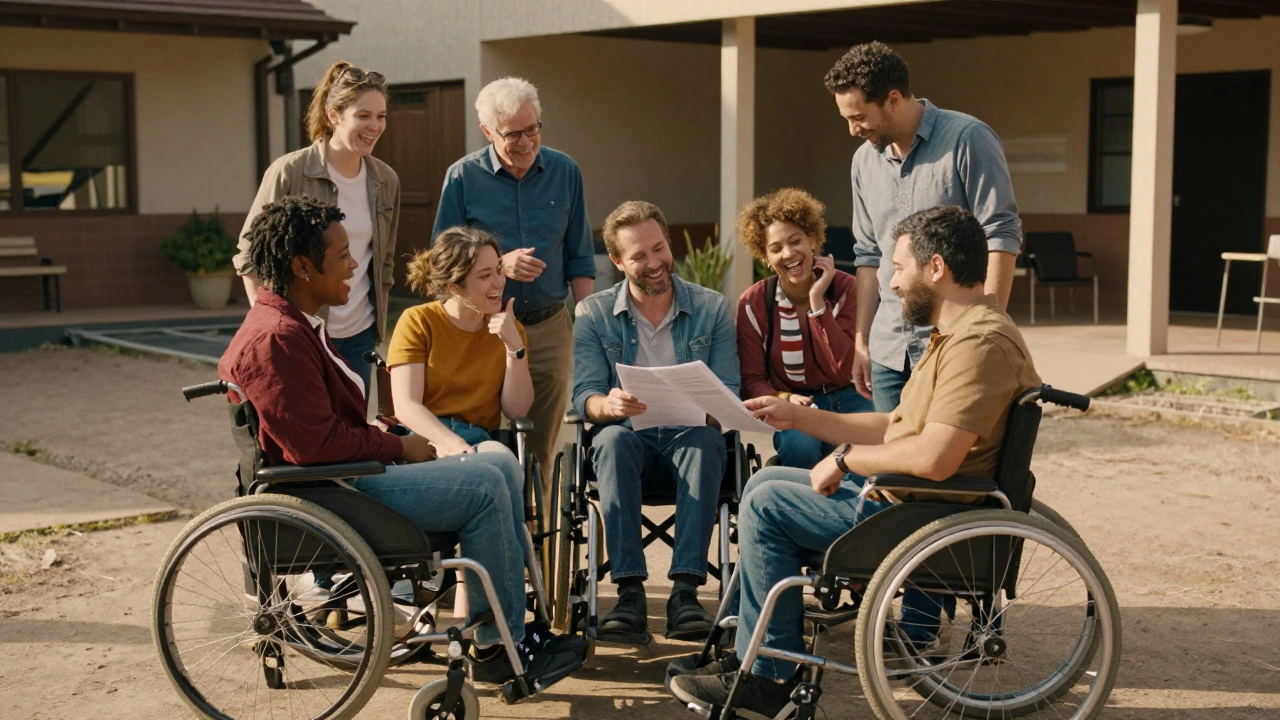
As viewers, we hold power. We can choose to support films that do the work. Here is a quick checklist to evaluate whether a film is moving beyond inspirational tropes:
- Agency: Does the disabled character make decisions that drive the plot, or do things happen to them?
- Complexity: Is the character allowed to be flawed, angry, or boring? Or are they always wise, saintly, or tragic?
- Relationships: Do they have relationships with other disabled people, or are they always isolated and surrounded by non-disabled caretakers?
- Resolution: Does the story end with the character being "cured" or finding happiness despite their disability? Or does it accept their life as valid as it is?
- Casting: Are disabled roles played by disabled actors?
If a film checks most of these boxes, it is likely engaging in authentic storytelling. If it fails, it is probably relying on tired tropes to manipulate your emotions.
The Future of Inclusive Cinema
The landscape is changing, but slowly. In 2026, audiences are increasingly vocal about representation. Social media campaigns have called out films for insensitive portrayals, forcing studios to reconsider their marketing and messaging. There is a growing market for content created by and for disabled people. Streaming services are investing in niche genres that cater to diverse audiences, including disability-specific dramas and comedies.
However, there is still a long way to go. Many independent films tackle these themes with nuance, but big-budget blockbusters often revert to safe, familiar tropes because they believe global audiences prefer simplicity over complexity. Educating audiences is part of the solution. By discussing these narratives openly, analyzing what works and what doesn’t, we raise the bar for what is acceptable in mainstream media.
Ultimately, moving beyond inspirational tropes is about respect. It is about recognizing that disabled people are not here to inspire us. They are here to live their lives, tell their stories, and entertain us on their own terms. When we demand better representation, we are not asking for special treatment. We are asking for equality. And in cinema, as in life, equality means seeing ourselves reflected accurately, without filter or distortion.
Why is "cripface" casting harmful?
Cripface occurs when non-disabled actors play disabled roles. It is harmful because it denies employment opportunities to disabled actors, often results in inaccurate portrayals due to lack of lived experience, and reinforces the idea that disabled stories are only interesting when viewed through an able-bodied perspective.
What is the difference between the medical and social models of disability in film?
The medical model frames disability as a defect to be cured or fixed, leading to narratives focused on overcoming or healing. The social model frames disability as a result of societal barriers, leading to narratives focused on accessibility, inclusion, and challenging societal norms rather than "fixing" the individual.
Can a film be entertaining while avoiding inspirational tropes?
Absolutely. Some of the most compelling films feature disabled characters who are heroes, villains, lovers, or friends without their disability being the central moral lesson. Authenticity adds depth and realism, which enhances entertainment value rather than detracting from it.
How can filmmakers ensure their portrayal is respectful?
Filmmakers should hire disabled consultants, writers, and actors early in the process. They should engage in ongoing dialogue with the disability community, be open to feedback, and prioritize authenticity over dramatic convenience. Avoiding stereotypes requires active effort and humility.
What are some examples of films that avoid inspirational tropes?
Films like Coda, The Peanut Butter Falcon, and Sound of Metal are often cited for their nuanced approaches. They feature disabled actors, focus on character-driven stories rather than moral lessons, and acknowledge the complexities of disability without resorting to pity or inspiration porn.