
The High-Stakes Game of Festival Acquisitions
When a film hits a top-tier event like Sundance Film Festival or the Cannes Film Festival, the atmosphere is electric. Buyers from various studios and streamers scour the screenings for the next breakout hit. Once a streamer decides they want a title, they don't just buy the movie; they buy the rights to control where and when it is seen. In the past, a movie would follow a strict sequence: theaters, then DVD/Blu-ray, then cable TV, and finally streaming. But streamers have demolished those walls. They want Exclusivity, a contractual requirement that prevents a piece of content from being available on any other platform or medium. If they pay a premium price, they want to be the only place you can watch it. However, a film that wins a major award at a festival needs a theatrical run to build the prestige and critical buzz that actually drives streaming views later. This is why the carve-out is negotiated.What Exactly is a Theatrical Carve-Out?
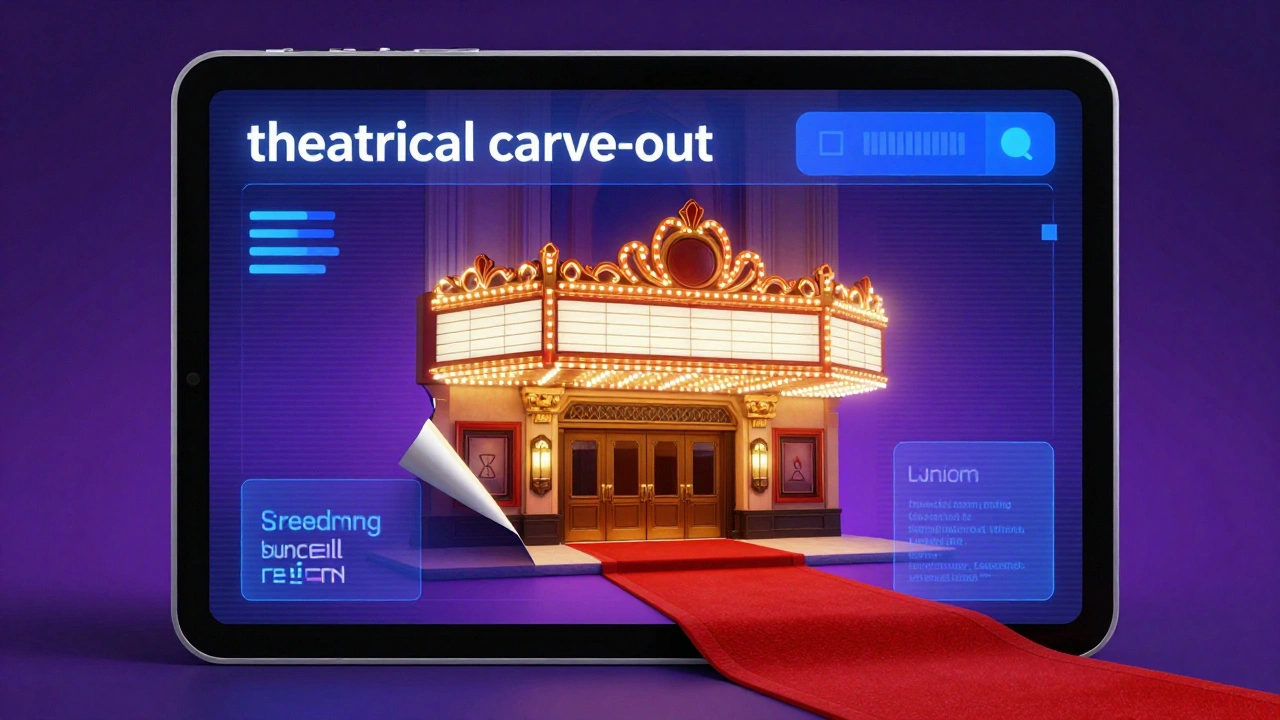
Essentially, a carve-out is a specific exception written into a licensing agreement. It says, "The streamer owns everything, *except* for a limited number of screenings in physical theaters for a set period." Think of it as a temporary lease. The filmmaker convinces the streamer that a limited release in cities like New York or Los Angeles will act as a massive marketing campaign. By allowing the film to play in a few boutique cinemas, they generate reviews in the New York Times or Variety. These reviews then become the "social proof" the streamer uses to promote the film on its home page. There are usually three main types of carve-outs:- The Prestige Window: A short period (often 2 to 4 weeks) where the film plays in select theaters to qualify for awards.
- The Festival Extension: Allowing the film to screen at other festivals globally after the primary acquisition.
- The Hybrid Release: A simultaneous launch where the film hits a few theaters and the app on the same day, though this is becoming rarer for high-end festival titles.
How the Negotiations Actually Work
Negotiations aren't just about money; they are about leverage. If a film is the "darling" of the festival, with five different streamers bidding, the director and their agent have the power to demand a carve-out. If the film is only wanted by one buyer, the streamer holds all the cards. Buyers typically look at the License Agreement and focus on the "Holdback Period." This is the time during which the content cannot be released in another format. A streamer might say, "We will pay you $5 million, but there is a 100% holdback on theatrical." The agent counters with, "We will accept $4.5 million if we can have a 30-day carve-out for an Oscar-qualifying run." They also fight over the definition of "theatrical." Does it mean 500 screens nationwide, or just five screens in two cities? For a festival title, the goal isn't usually a massive box office return-it is cultural relevance. Therefore, the negotiation focuses on the *quality* of the theaters rather than the *quantity*.| Feature | Standard Streamer Buy | Festival Carve-Out Deal |
|---|---|---|
| Theatrical Access | None (Direct to App) | Limited/Boutique Screens |
| Exclusivity Window | Immediate & Permanent | Delayed or Exception-based |
| Marketing Goal | Subscriber Acquisition | Critical Prestige & Awards |
| Revenue Split | Flat Buyout Fee | Buyout + Small Box Office Share |
The Role of Awards Eligibility
One of the biggest drivers for carve-outs is the Academy of Motion Picture Arts and Sciences. For a long time, the Oscars required a film to have a traditional theatrical run to be eligible for an award. While the rules have loosened, the industry still believes that a movie that "lives" in a theater is taken more seriously by voters. Streamers like Apple TV+ have mastered this. They often acquire titles and purposefully schedule a limited theatrical release. This isn't because they need the ticket sales-Apple is a trillion-dollar company; they don't care about a few million in popcorn money. They care about the brand image. A "Best Picture" win brings a level of prestige to their platform that a thousand generic original series cannot. When negotiating these, lawyers focus on the "Qualifying Run." They ensure the carve-out includes the specific requirements (number of days and screens) needed to meet award criteria. If the contract is too restrictive, the movie might be ineligible for the very awards that would make the streaming release successful.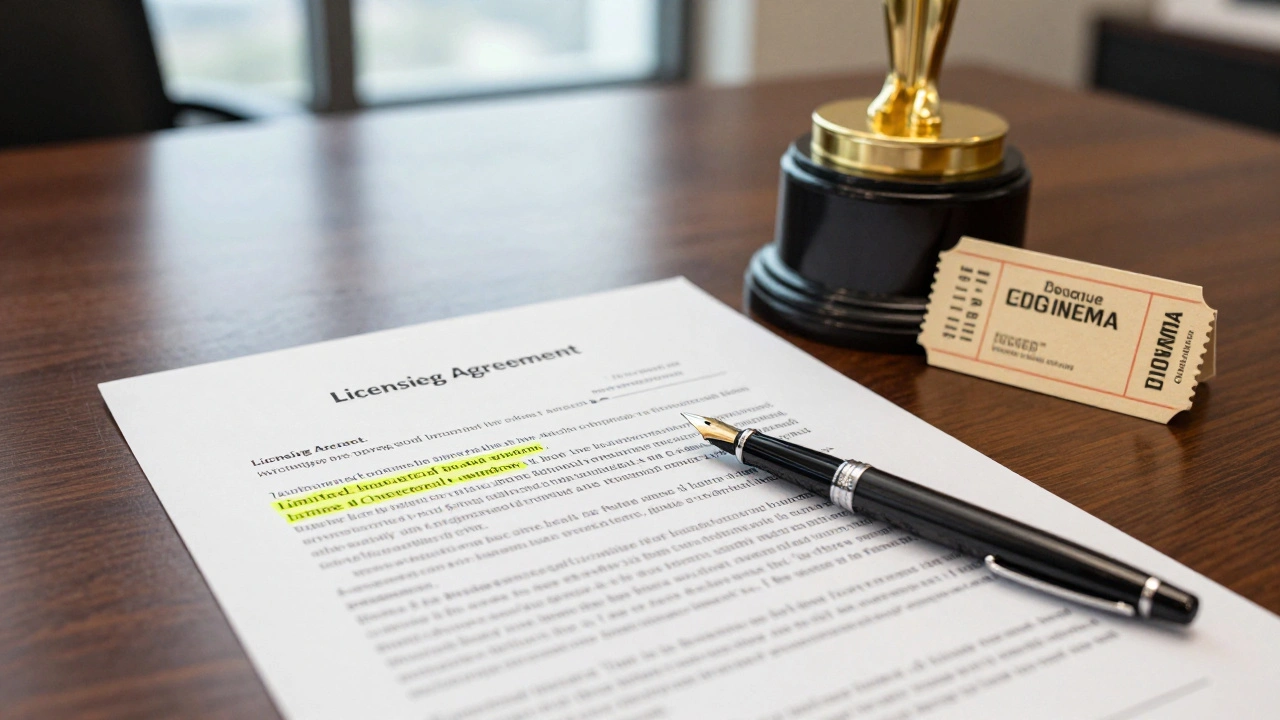
Common Pitfalls in Carve-Out Agreements
Not every carve-out is a win. Sometimes, the fine print creates a "no-man's land" for the film. One common issue is the marketing spend. If a streamer allows a carve-out but refuses to fund the theatrical marketing, the film might play in a theater with zero people in the seats. This looks terrible for the film's image and can actually hurt its streaming debut. Another trap is the "Day-and-Date" clash. If a film is released in theaters on Friday and on the app on Saturday, the theatrical exhibitors (the cinema owners) will often refuse to screen it. Cinema owners hate streaming competition. Negotiators have to balance the streamer's desire for speed with the theater's demand for a Theatrical Window, the period during which a film is shown exclusively in cinemas before moving to other platforms. Usually, a window of 17 to 45 days is the sweet spot to keep theater owners happy while keeping the streamer's momentum.The Future of Distribution Rights
We are seeing a shift toward "Fluid Licensing." Instead of a hard line between theater and stream, we are seeing more flexible arrangements. Some deals now include "Performance Triggers." For example, if a film exceeds a certain amount of ticket sales during its carve-out run, the streamer might agree to extend the theatrical window or increase the backend payment to the creators. This evolution is happening because streamers are realizing that the "content mill" approach-throwing everything on the app and hoping it sticks-doesn't work for high-art cinema. Theatrical releases act as a filter. They tell the audience, "This movie is special." When a user sees a film on their dashboard that was "Sundance's Most Awarded Film," they are far more likely to click play than if it was just another generic title. Ultimately, the theatrical carve-out is a compromise. It acknowledges that while the future of consumption is digital, the future of *prestige* is still rooted in the dark of a movie theater. For the filmmaker, it is the difference between being a piece of "content" and being the creator of a "cinema experience."Does a carve-out mean the streamer doesn't own the movie?
No, the streamer still owns the vast majority of the rights. A carve-out is simply a specific, limited exception. It's like owning a house but agreeing to let a neighbor use the driveway for one week. The ownership remains with the streamer, but the usage is temporarily shared.
Why would a streamer pay more for a movie they can't exclusively stream immediately?
Because the theatrical run serves as a high-end marketing campaign. The critical acclaim and award buzz generated in theaters drive much higher viewership and subscriber retention when the movie finally lands on the platform.
What happens if a movie is too successful in its carve-out window?
In some cases, this can lead to a "window extension." If a film becomes a surprise hit at the box office, the streamer might decide to keep it in theaters longer to capitalize on the revenue and hype, even if the original contract had a shorter carve-out.
Are carve-outs common for all streaming movies?
Not at all. They are primarily reserved for "prestige" titles, usually those coming out of major festivals or directed by established auteurs. Standard "original movies" designed specifically for the platform rarely get theatrical carve-outs.
How do these deals affect the filmmakers' pay?
Most streaming deals are "buyouts," meaning the streamer pays a large sum upfront for all rights. However, a carve-out can sometimes allow filmmakers to keep a percentage of the theatrical box office, providing an extra stream of income that standard streaming deals lack.


Comments(6)