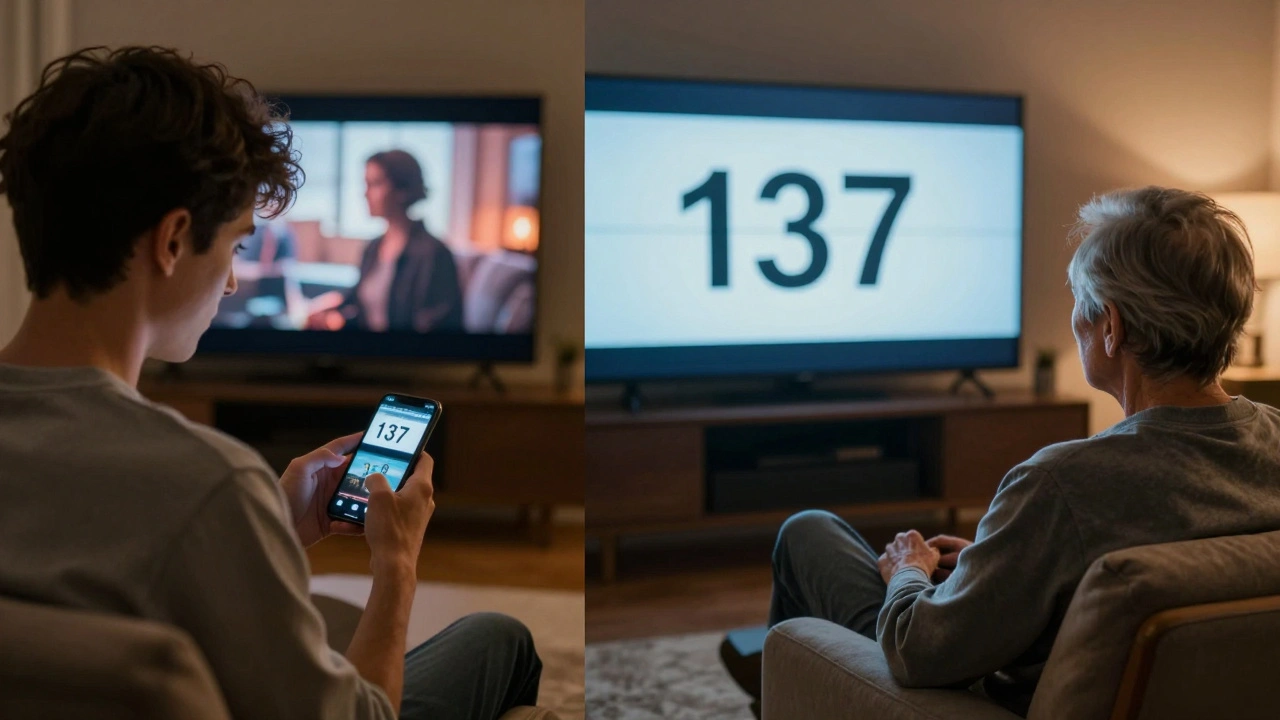
When you see a streaming service brag about completion rates or hours viewed, it sounds impressive. But what do those numbers actually tell you? Are they signs of a hit film-or just a lot of people starting it and never finishing? Too many studios and platforms treat these KPIs like magic bullets, when in reality, they’re just the starting point. Let’s break down what these numbers really mean, and how to read them without falling for the hype.
Completion Rate: It’s Not About Finishing
Completion rate sounds simple: the percentage of viewers who watched the entire film. A 90% completion rate? That’s great, right? Not necessarily. The problem is context. A documentary about climate change might have a 95% completion rate because people who watch it are deeply interested and committed. But a superhero movie with a 92% completion rate? That’s suspicious. Why? Because most blockbuster films have completion rates between 65% and 75%. Anything above 80% usually means one of two things: either the film is unusually short (under 80 minutes), or it’s being binged by a very narrow audience-like subscribers who signed up just for that one title.Netflix’s internal data from 2024 showed that films under 90 minutes had an average completion rate of 83%, while those over 120 minutes averaged 68%. So if a 140-minute film hits 85%, you’re not looking at a cultural phenomenon-you’re looking at a targeted campaign or a paid push. Real completion rates reveal how much viewers *wanted* to stick around, not just how many clicked play.
Hours Viewed: The Trap of Volume Over Value
Hours viewed is the most abused metric in streaming. A film gets 50 million hours viewed? Sounds huge. But here’s the catch: if 10 million people each watched 5 minutes, that’s still 50 million hours. And those 5 minutes might’ve been the opening credits. Or someone left it playing while they made dinner.Amazon Prime Video’s 2025 internal report revealed that 38% of all hours viewed for films came from sessions under 15 minutes. That’s not engagement-that’s background noise. What matters more than total hours is average view duration. If a film has 50 million hours viewed but the average viewer only watched 22 minutes, that’s a 40% completion rate on a 90-minute movie. That’s not a success. That’s a marketing win with low retention.
Compare that to a film like The Brutalist (2025), which earned 18 million hours viewed with an average view duration of 137 minutes. That’s 98% completion. That’s rare. That’s meaningful. Hours viewed tells you reach. Average view duration tells you resonance.
Completion Rate vs. Average View Duration: The Real Pairing
Stop looking at completion rate alone. Stop looking at hours viewed alone. The only useful combo is completion rate + average view duration. Together, they show you whether people didn’t just start the film-they stayed, got hooked, and saw it through.Here’s how to interpret the pair:
- High completion rate + low average view duration: The film is short, or people binged it quickly. Likely a documentary, short film, or limited series episode packaged as a movie.
- Low completion rate + high average view duration: People started it, got distracted, and dropped off-but watched a lot before quitting. This often happens with dense, slow-burn films. Think Oppenheimer-many viewers paused, stepped away, then came back.
- High completion rate + high average view duration: The gold standard. Viewers not only finished it, they stayed engaged the whole time. This is what studios chase. It signals emotional investment.
- Low completion rate + low average view duration: A dud. People clicked, got bored fast, and left. No redemption here.
Platforms like Apple TV+ and HBO Max now track this dual metric in their internal dashboards. They don’t announce it publicly, but they use it to decide which films get sequels, which get international pushes, and which get quietly buried.
What About Audience Demographics?
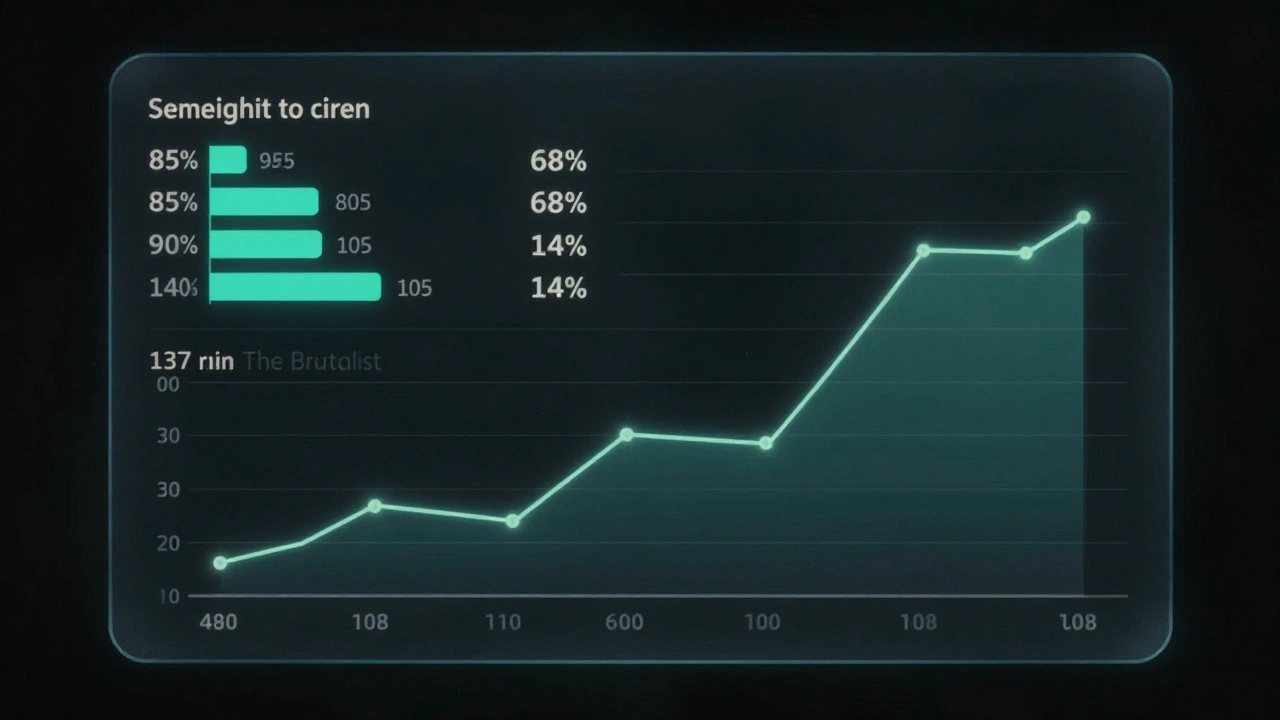
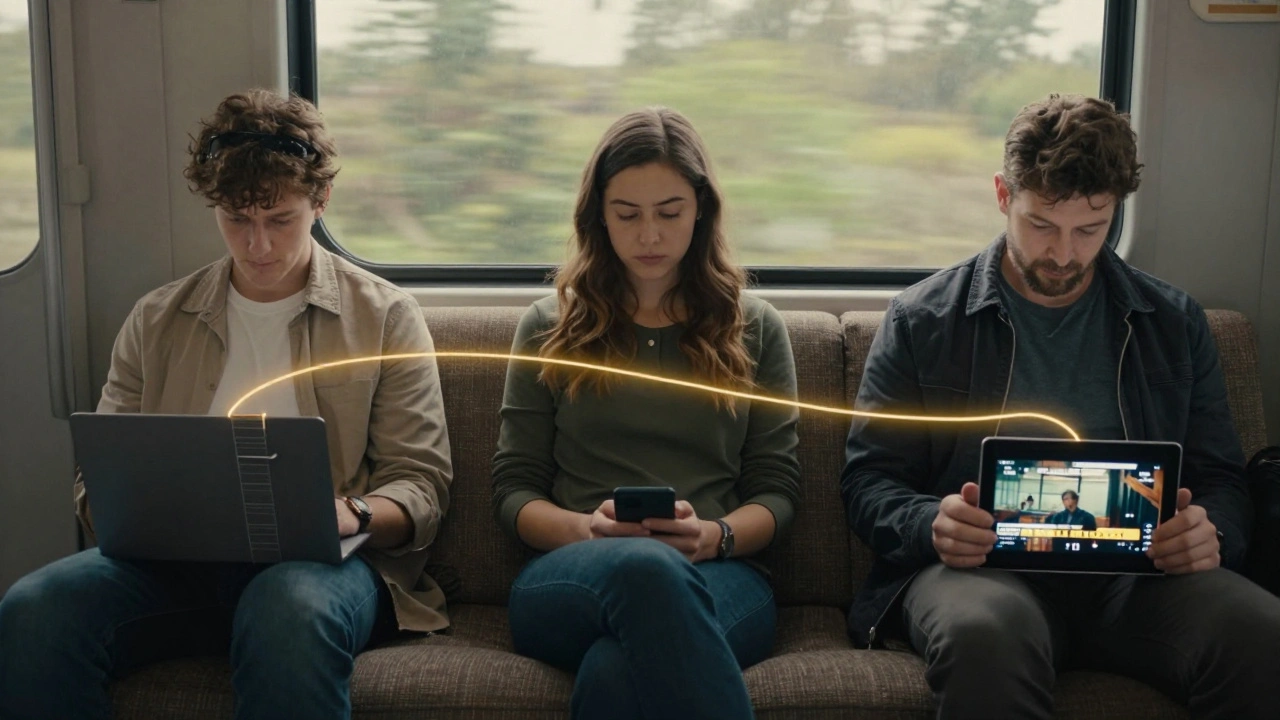
You can’t interpret KPIs without knowing who watched. A film with a 78% completion rate among viewers aged 18-24 might look average. But if those same viewers are watching it on mobile during their commute, and the average view duration is 102 minutes on a 110-minute film? That’s a win. Mobile viewers are harder to retain. That’s a sign of strong storytelling.Conversely, a film with 85% completion among viewers over 55, but only 45% among under 30s? That’s not a failure-it’s a niche hit. Streaming services often treat this as a problem. They shouldn’t. Not every film needs to go viral. Some films are meant for older audiences, or specific cultural communities. The key is knowing your audience and measuring against their behavior, not some universal standard.
How Streaming Platforms Manipulate the Numbers
Don’t trust public numbers. They’re curated. A platform might highlight completion rates for films that look good, while burying data on the ones that tank. They’ll also group films by genre to make their metrics look better. For example, they might say, “Our dramas have an 82% completion rate,” but if you dig deeper, that’s only for films under 90 minutes. Longer dramas? Those hover around 60%.There’s also the “re-watch” effect. If a film gets 12 million hours viewed, but 3 million of those come from repeat viewers who watched it three times each? That’s not new viewership-it’s loyalty. Platforms rarely break out repeat views. But if you’re a producer or distributor, you need to know. A film with high repeat viewership is more valuable than one with a spike of one-time views.
What You Should Care About
If you’re a filmmaker, distributor, or investor, here’s what matters:- Compare your film’s completion rate to others in its genre and length.
- Look at average view duration-not total hours.
- Segment viewers by device, age, and viewing time (e.g., weekend binge vs. weekday commute).
- Track repeat views. If 15% of viewers rewatched, that’s a sign of emotional impact.
- Ignore headlines. Go for the raw data. If the platform won’t give it to you, assume they’re hiding something.
There’s a reason Netflix doesn’t publish completion rates for most of its films. They know most of them aren’t as strong as they sound. The real winners aren’t the ones with the biggest numbers-they’re the ones with the most consistent, sustained engagement.
Final Takeaway
Completion rate and hours viewed aren’t bad metrics. They’re just lazy if used alone. The best streaming strategies don’t chase big numbers-they chase deep engagement. A film that 100,000 people watched all the way through, talked about, and came back to is more valuable than one that 10 million people started and abandoned after 20 minutes.Don’t get dazzled by the headline. Look behind the curtain. Ask: Who watched? How long did they stay? Did they come back? If the answer is clear, you’ve got something real. If it’s vague? You’ve got noise.
What’s a good completion rate for a streaming film?
There’s no universal number, but generally, 65%-75% is average for films over 100 minutes. Below 60% suggests trouble. Above 80% usually means the film is short (under 90 minutes), or it’s being heavily promoted to a niche audience. Context matters more than the number itself.
Why do some films have high hours viewed but low completion rates?
This usually happens when a film gets pushed hard-through ads, email campaigns, or algorithmic recommendations-and people click out of curiosity. Many start watching, get distracted, and leave after 10-20 minutes. Those short views add up to big hours, but they don’t mean people liked it. It’s volume without value.
Can a film be successful with a low completion rate?
Yes, if it’s a long, complex film meant for deep viewers. For example, a 180-minute historical epic might have a 58% completion rate, but if those who finished it watched an average of 165 minutes and rewatched it, it’s still a success. The goal isn’t to have everyone finish-it’s to have the right people finish and care.
Do streaming platforms share raw KPI data with filmmakers?
Most don’t. They give high-level summaries, like total hours or completion rate. But details-like average view duration by age group, device, or repeat views-are usually locked behind NDAs or only shared with top-tier partners. Independent filmmakers often have to negotiate for access or use third-party analytics tools to estimate performance.
How can I improve my film’s completion rate?
Focus on pacing and emotional hooks in the first 15 minutes. If viewers aren’t invested by then, they’re unlikely to stick around. Also, avoid overly long intros or slow build-ups. Test your film with small audiences before release. If they pause or quit early, you’ll know where to tighten the story. Engagement starts early-and stays strong if the story earns it.




Comments(7)