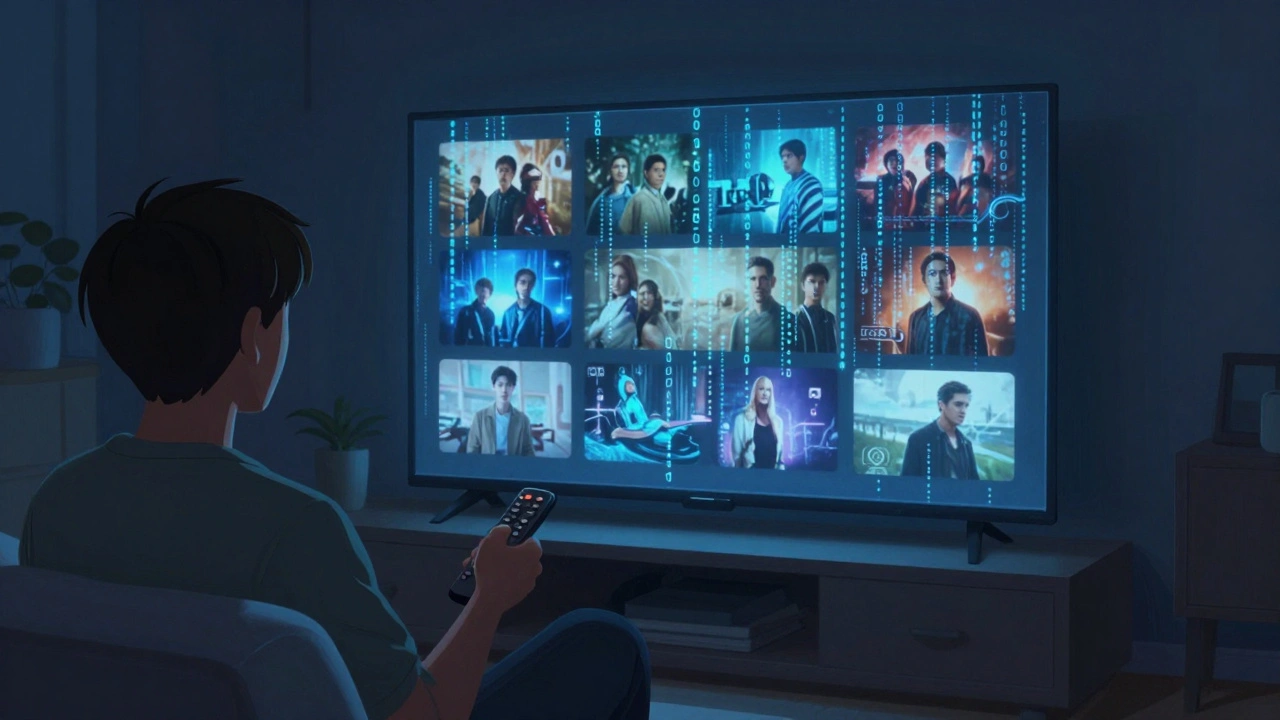
Why does Netflix suggest that obscure documentary about deep-sea fishing right after you finish a high-octane action movie?
It’s not magic. It’s math. And it’s getting smarter every day.
We often think of streaming platforms as libraries-vast digital shelves where we wander freely, picking whatever catches our eye. But the truth is, most of us don’t browse. We scroll. And what we see on that screen isn’t random. It’s carefully curated by recommendation algorithmscomplex software systems designed to predict user preferences and surface relevant content that have one job: keep you watching.
In 2026, these algorithms are more sophisticated than ever. They don’t just look at what you’ve watched; they analyze when you pause, how fast you skip intros, whether you rewatch scenes, and even your device type. The result? A hyper-personalized feed that feels like it knows you better than you know yourself.
The Hidden Engine Behind Your Screen
At the heart of every major streaming servicedigital platforms delivering video content over the internet on demand lies a massive data engine. When you log in, the system instantly pulls up your profile-not just your name and email, but a detailed behavioral map built from years of interaction.
This profile includes:
- Watch history (titles, genres, completion rates)
- Search queries (what you looked for but didn’t find)
- Time-of-day patterns (do you binge late at night or watch during lunch?)
- Device usage (mobile vs. TV vs. tablet)
- Social signals (if connected, who else watches similar content)
All this data feeds into machine learning models trained on billions of interactions. These models identify patterns invisible to humans. For example, if users who watched Stranger Things also tend to click on 80s nostalgia-themed thumbnails within 48 hours, the algorithm learns that connection-and applies it to millions of other users.
How Recommendations Actually Work
You might assume recommendations are based solely on genre matching. If you liked sci-fi, you’ll get more sci-fi. Simple, right?
Not quite.
Modern recommendation engines use three main approaches:
- Collaborative Filtering: This method finds users with similar tastes and suggests what they liked. Think of it as “people who enjoyed X also enjoyed Y.” It’s powerful because it surfaces unexpected gems-like that indie drama you never would’ve searched for but ended up loving.
- Content-Based Filtering: Here, the system analyzes the attributes of content you’ve engaged with-actors, directors, keywords, mood-and recommends titles with similar traits. If you love films directed by Denis Villeneuve, expect more of his work to appear.
- Hybrid Models: Most top-tier platforms combine both methods, adding contextual layers like time, location, and current trends. During award season, for instance, the algorithm may boost critically acclaimed dramas regardless of your usual preferences.
The beauty of hybrid models is their adaptability. They can pivot quickly when your interests shift-say, after becoming a parent, suddenly craving lighter comedies instead of gritty thrillers.
The Role of Metadata in Shaping Choices
Behind every title sits a rich layer of metadata-tags, descriptions, categories, and emotional cues-that helps algorithms understand context. A film isn’t just labeled “Action”; it’s tagged with nuances like “fast-paced,” “underdog story,” or “family-friendly violence.”
Take Amazon Prime Videoa subscription-based streaming service owned by Amazon offering movies, TV shows, and original content, for example. Their tagging system uses hundreds of micro-genres. One thriller might be classified under “psychological suspense” while another falls under “action-packed revenge tale.” This granularity allows precise targeting without forcing viewers into rigid boxes.
Metadata also drives thumbnail selection-a critical part of engagement. Studies show that changing just the artwork on a title card can increase clicks by up to 30%. So, two people seeing the same show might encounter completely different images based on their past behavior.

Personalization vs. Serendipity
There’s a fine line between helpful personalization and creating an echo chamber. Too much customization risks trapping users in repetitive loops-always showing them variations of what they already know they like.
To combat this, leading platforms introduce controlled randomness. Netflix calls it “serendipity injection”-deliberately inserting unfamiliar titles into feeds to spark new interests. Hulu does something similar by rotating featured content weekly, ensuring exposure to diverse voices and stories.
This balance matters. Without exploration, audiences stagnate. With too much novelty, trust erodes. The goal? Keep users engaged while gently expanding their horizons.
The Business Impact of Smart Algorithms
For studios and streamers, effective discovery directly impacts revenue. Retention is king in the streaming world. Churn-the rate at which subscribers cancel-is driven largely by perceived lack of value. If someone logs in and sees nothing interesting, they’re likely to leave.
According to industry reports from 2025, platforms investing heavily in AI-driven recommendations saw a 15-20% reduction in churn compared to those relying on manual curation. That translates to hundreds of millions saved annually across global operations.
Moreover, smart algorithms help maximize ROI on original programming. By identifying niche audiences early, creators can tailor marketing campaigns precisely. Instead of broad ads, they target specific demographics likely to resonate with the content-boosting awareness and reducing waste.
| Platform | Primary Algorithm Type | Unique Feature | User Control Level |
|---|---|---|---|
| Netflix | Hybrid + Collaborative | Dynamic thumbnails & serendipity injection | Low (limited filtering options) |
| Amazon Prime Video | Content-Based + Hybrid | Micro-genre tagging system | Medium (some preference settings) |
| Hulu | Context-Aware Hybrid | Weekly rotation of featured content | High (customizable profiles & filters) |
| Disney+ | Brand-Aligned Content Matching | Franchise continuity tracking | Low (focuses on family/kids segments) |
| Apple TV+ | Quality-First Curation | Editorial-led recommendations | Very Low (minimal algorithmic influence) |
What Users Can Do About It
If you feel stuck in a loop, there are ways to break free.
First, clear your watchlist regularly. Remove titles you no longer care about. Second, actively search for things outside your comfort zone-even if only occasionally. Third, consider using multiple profiles so each household member gets tailored suggestions without cross-contamination.
Some platforms now offer transparency tools. Amazon lets you view recent activity logs. Disney+ provides parental controls that limit certain types of content. While limited, these features give users slightly more control over their experience.
The Future of Film Discovery
As artificial intelligence advances, expect even deeper integration between human creativity and automated decision-making. Imagine systems that adjust recommendations mid-watch-if you seem bored halfway through a series, the platform could suggest alternative episodes or related shorts.
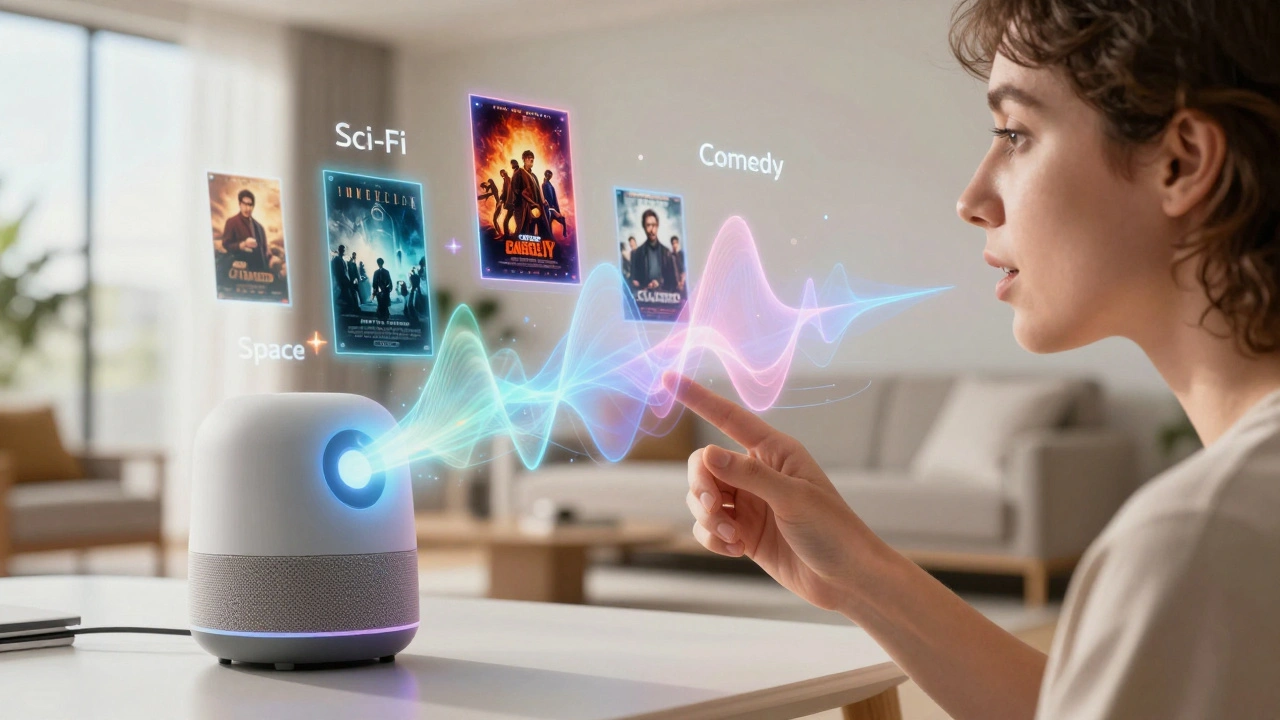
We’re also moving toward voice-guided discovery. Saying “Show me something funny set in space” will soon trigger instant results pulled from vast databases indexed by tone, setting, and humor style.
But perhaps the biggest change comes from decentralization. Blockchain-backed platforms may allow artists to upload directly, bypassing traditional gatekeepers. In such ecosystems, algorithms won’t just serve corporate interests-they’ll reflect community-driven values.
Until then, remember: behind every suggestion is a calculation. Understanding how it works empowers you to make better choices-and enjoy richer experiences.
Do streaming algorithms really decide what I watch?
Yes. Every time you open a streaming app, the interface presents a curated list shaped by algorithms analyzing your past behavior, preferences, and real-time actions. While you still choose what to play, the options shown are highly personalized.
Can I control what the algorithm recommends?
Partially. You can improve relevance by clearing old watchlists, searching intentionally for new genres, and creating separate profiles. Some services let you adjust privacy settings or disable certain tracking features, though full control remains limited.
Why do I see different thumbnails than my friends for the same show?
Because platforms use dynamic thumbnail optimization. Based on your viewing habits, the system selects visuals most likely to attract your attention. Two people might see entirely different images for the same title depending on their individual profiles.
Are all streaming platforms using the same kind of algorithm?
No. Each platform develops its own proprietary model tailored to its audience and business goals. Netflix emphasizes collaborative filtering, Amazon focuses on micro-genre tagging, and Apple leans toward editorial curation rather than pure automation.
Will AI eventually replace human curators?
Unlikely in the near term. Human curators bring cultural insight, ethical judgment, and creative intuition that machines struggle to replicate. The future lies in collaboration-where AI handles scale and speed, while humans guide direction and meaning.
How accurate are streaming algorithms?
Very accurate-at least statistically. Industry benchmarks suggest modern recommendation engines achieve 70-85% accuracy in predicting user satisfaction. However, accuracy doesn’t always mean alignment with true taste, especially when exploring new areas.
Is my data being used ethically?
That depends on the platform. Reputable companies follow strict data protection laws like GDPR and CCPA, anonymizing information wherever possible. Still, users should review privacy policies and opt out of nonessential tracking when available.
Can bad algorithms hurt small filmmakers?
Absolutely. If an algorithm favors popular franchises or established stars, independent films risk invisibility. This creates a feedback loop where only well-known content gains traction, limiting diversity and innovation in the long run.
What happens if I delete my account?
Your data typically persists internally for legal and operational reasons, even after deletion. Most platforms retain anonymized aggregates for improving algorithms. To fully erase identifiable records, contact customer support directly and request complete removal per applicable regulations.
Should I worry about filter bubbles?
Yes-but moderately. Filter bubbles occur when algorithms repeatedly show similar content, narrowing exposure. Mitigate this by periodically exploring unfamiliar genres, enabling shuffle modes, and discussing media with others to broaden perspectives.