Getting your independent film seen isn’t about luck or connections anymore. It’s about timing, strategy, and knowing exactly what to do next. If you’ve finished editing your movie and you’re staring at a blank calendar wondering how to get it in front of real audiences, this timeline is your roadmap. No studio backing. No big PR team. Just you, your film, and a clear plan to reach viewers who actually care.
Month 1-2: Finalize and Protect Your Film
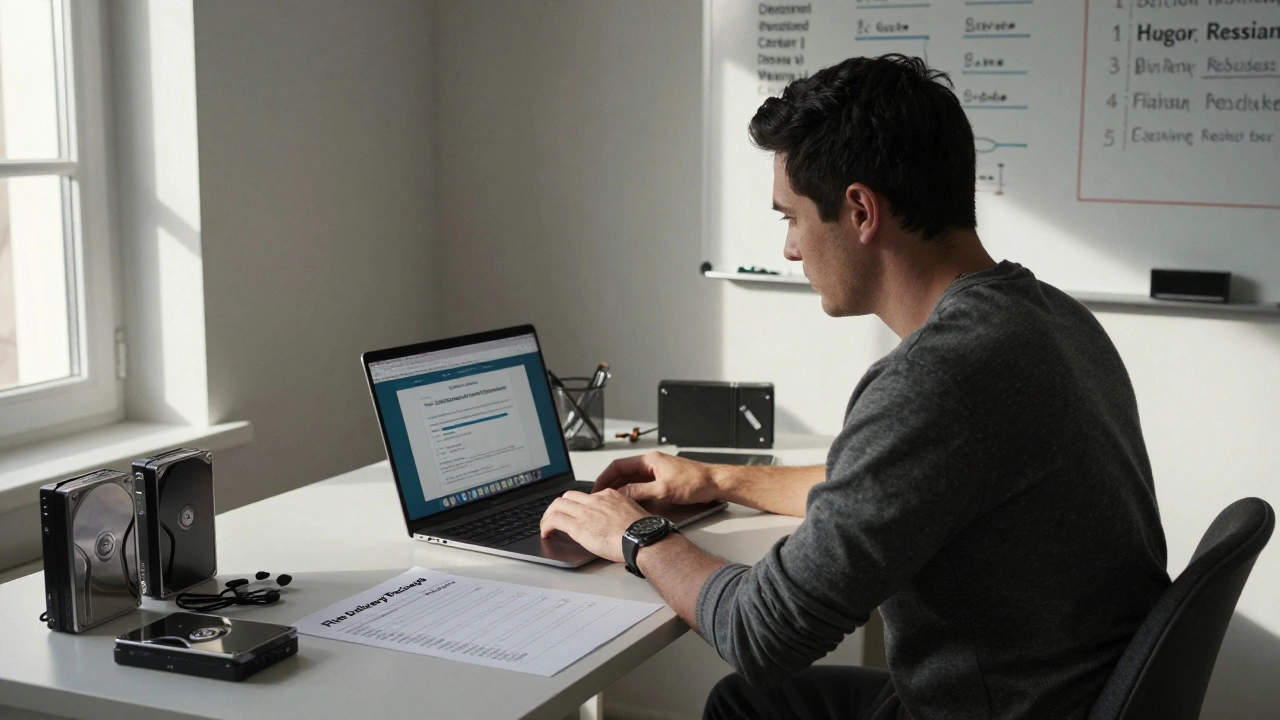
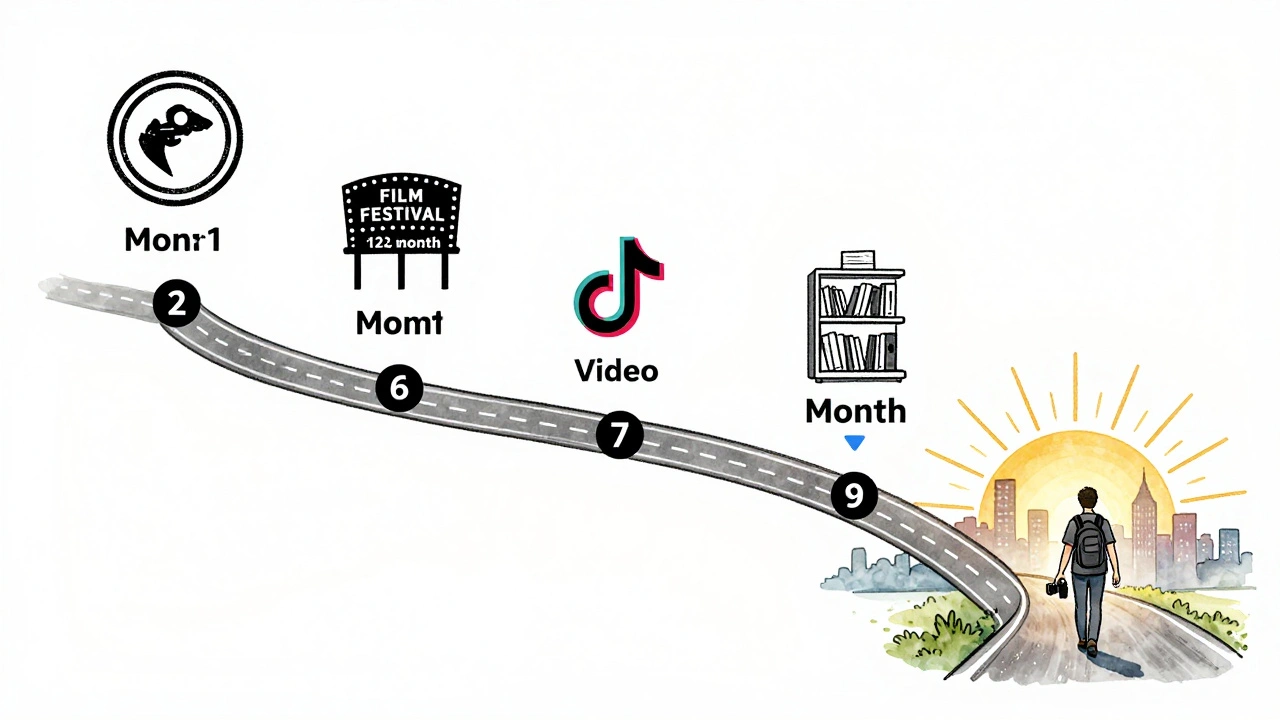
Before you even think about posting a trailer, your film needs legal and technical grounding. This isn’t glamorous, but skipping it will cost you later. First, make sure you have clear rights to everything: music, stock footage, actor releases, location permits. If you used a song without a license, even if it’s just 10 seconds, platforms like Vimeo or YouTube will take it down-or worse, monetize it for someone else.Next, register your film with the U.S. Copyright Office. It costs $45 online and gives you legal standing if someone steals your work. You don’t need to wait for approval to start promoting, but you need the receipt. Also, create a digital delivery package: a 1080p ProRes file, a DCP (Digital Cinema Package) if you plan on festivals, and a low-res version for online submissions. Keep backups on two separate drives. One will fail.
At this stage, you should also set up a basic website. Not a fancy one. Just a landing page with your film’s title, a trailer, a short synopsis, and an email sign-up form. Use Squarespace or WordPress. It’s your central hub. Every link you share later should point here.
Month 3-4: Target the Right Film Festivals
Festivals aren’t just for prestige-they’re launchpads. But not all festivals are equal. Skip the ones that charge $100+ submission fees unless they’re on the FilmFreeway Top 100 list. Focus on niche festivals that match your film’s genre and audience. A horror film? Target FrightFest or Beyond Fest. A documentary about rural life? Look at Full Frame or True/False. These festivals have real industry attendees who actually watch films.Apply to 8-12 festivals total. Mix in a few big ones (Sundance, Tribeca) for visibility, but prioritize mid-sized ones with strong audience turnout. Don’t apply to every festival. Apply to the right ones. If your film gets accepted, use it as leverage. Add the acceptance badge to your website. Mention it in every email. Festivals give you credibility before you’ve even released your film.
While waiting for responses, start building a list of 50-100 potential reviewers. Not influencers with 100K followers. Real critics who write for local papers, indie blogs, or niche YouTube channels. Find them by searching for reviews of films similar to yours. Reach out personally. No templates. Say why you think they’d like your film. Most won’t respond. But 5-10 will.
Month 5-6: Build Buzz Before the Release
This is where most indie filmmakers fail. They wait until the release date to start promoting. That’s too late. You need momentum before Day One.Launch your trailer on YouTube and Vimeo. Don’t just upload it-optimize it. Use keywords like “indie horror film 2026” or “small budget drama” in the title and description. Add timestamps for key scenes. Include links to your website and email list. Share it on Reddit communities like r/IndieFilm and r/MovieRecommendations. Don’t spam. Post it once, then reply to every comment.
Run a 30-day email campaign. Send one email per week. Week 1: behind-the-scenes photo. Week 2: cast interview snippet. Week 3: festival acceptance news. Week 4: release date announcement. Week 5: final reminder. Use Mailchimp or Substack. Keep it human. No corporate speak. Tell stories. People don’t buy movies. They buy into the people who made them.
Start posting short clips on TikTok and Instagram Reels. Not the best scenes. The messy ones. The outtakes. The crew laughing after a failed take. That’s what people connect with. Use trending sounds that fit your tone. One viral clip can get you 5,000 new email subscribers.
Month 7: The Release Window
Your release date should be strategic. Avoid holidays like Thanksgiving or Christmas-too much noise. Pick a Tuesday or Wednesday in late summer or early fall. That’s when people are looking for something new after summer blockbusters.Use a hybrid release model. Launch on Vimeo On Demand for $5-$10. Set up a pay-what-you-can option for those who can’t afford it. Then, partner with 3-5 local theaters. You don’t need a chain. Just find a small indie cinema that’s open to hosting a one-night screening. Offer them 70% of ticket sales. Promote it hard in the local community. Send press releases to local radio stations and newspapers. Hand out flyers at coffee shops and libraries.
On release day, host a live Q&A on YouTube or Instagram. Answer questions in real time. Invite your email list to join. If you get 200 people in the chat, that’s 200 people who feel connected to your film. That’s more valuable than 10,000 passive views.
Month 8-10: Keep the Momentum
The first week of release is just the beginning. Most films die after 30 days. Don’t let yours be one of them.Reach out to universities, community centers, and book clubs. Offer to screen your film for free if they host the event. Provide a discussion guide. A film about immigration? Perfect for a high school social studies class. A comedy about aging? Great for a senior center. These aren’t big revenue generators, but they build word-of-mouth and add legitimacy.
Submit to online platforms like Kanopy and Hoopla. These are free for library cardholders. You get paid per stream, and your film reaches audiences who never go to theaters or pay for streaming. It’s slow money, but it’s steady.
Run a small Google Ads campaign targeting people who watched similar films. Use $50-$100 to test keywords like “best indie dramas 2026” or “low-budget films with strong performances.” Track clicks. If one ad gets a 5% click-through rate, double down on it.
Month 11-12: Collect Data and Plan the Next One
This is the part most people ignore. But it’s the most important. Where did your viewers come from? Which platform brought in the most sales? Which email subject line had the highest open rate? Write it all down.Look at your Vimeo analytics. How many people watched past the 5-minute mark? That tells you if your film holds attention. Did people watch it all the way through? That’s your success metric. If 60% of viewers finished the film, you did something right.
Ask your audience for feedback. Send a simple email: “What did you love? What didn’t work?” You’ll get honest answers. Use them to improve your next project.
And then? Start planning the next one. The indie film world moves fast. The people who stick around aren’t the ones with the biggest budgets. They’re the ones who show up, consistently, with something new.
What Not to Do
- Don’t spend your entire budget on a fancy trailer. A well-edited 90-second clip made on your laptop works better.
- Don’t ignore local audiences. Your first 100 viewers should be real people in your city, not strangers on the internet.
- Don’t wait for a distributor to save you. If your film is good enough to make, it’s good enough to release yourself.
- Don’t post on every social platform. Focus on two. Do them well.
- Don’t think a festival win guarantees success. It’s just the start.
Real Numbers, Real Results
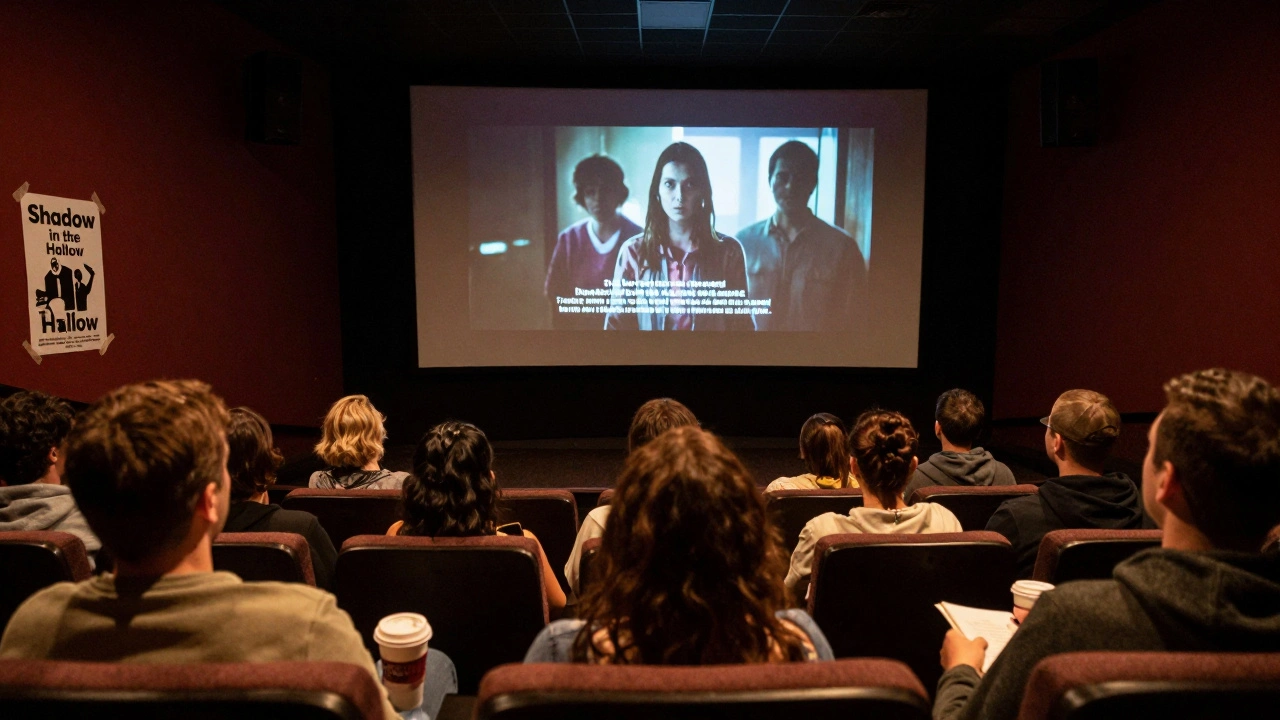
In 2025, a low-budget horror film called Shadow in the Hollow was made for $8,000. It played at 11 festivals, got accepted into 3, and released on Vimeo with a $7 price point. They sold 2,300 copies in the first 60 days. Then they partnered with 17 libraries for free screenings. By month 10, they’d earned $32,000-$24,000 more than their budget. No studio. No agent. Just a timeline and persistence.That’s not magic. That’s method.
Can I distribute my film without a distributor?
Yes, and many filmmakers do. Platforms like Vimeo On Demand, Seed&Spark, and Amazon Independent Film allow you to sell or rent your film directly. You keep 85-90% of revenue, but you handle all the marketing yourself. It’s harder, but you control the timeline, pricing, and audience.
How long does it take to get a film distributed?
If you’re doing it yourself, plan for 12 months from finish to full release. The first 3 months are preparation-legal, technical, and promotional setup. Months 4-6 focus on festivals and early buzz. Release typically happens in month 7, with ongoing promotion through month 12. Rushing this process leads to poor results.
What’s the cheapest way to get my film seen?
Start with free platforms: YouTube (with a link to your website), library streaming services like Hoopla and Kanopy, and local community screenings. These cost little to nothing and help build credibility. You can also submit to free film festivals-there are hundreds that don’t charge submission fees. Focus on reach over revenue at first.
Do I need a DCP for indie film distribution?
Only if you’re submitting to film festivals that require it (most major ones do) or planning theatrical screenings. For online releases, a high-res MP4 or ProRes file is enough. A DCP costs $500-$2,000 to create. Don’t spend it unless you’re targeting theaters or top-tier festivals.
How do I get press coverage for my indie film?
Don’t send generic press releases. Find journalists who’ve covered similar films and email them personally. Mention specific scenes or themes they might relate to. Offer an exclusive interview with your director or lead actor. Local papers and niche blogs are more likely to respond than major outlets. A single positive review from a trusted source can drive hundreds of views.
What’s the biggest mistake indie filmmakers make with distribution?
Waiting until the film is done to start promoting. Distribution starts the day you begin filming. Every interview, every behind-the-scenes photo, every festival submission builds your audience. If you wait until release day to tell people your film exists, you’re already behind.
Next Steps
- Download a free release checklist from indiefilmhub.com/checklist (replace with your own resource if needed).
- Set a calendar reminder for 12 months from today. Block out time each week for distribution tasks.
- Reach out to one filmmaker who released a film last year. Ask them what surprised them.
You didn’t make this film to sit on a hard drive. You made it to be seen. Now go make that happen.



Comments(6)