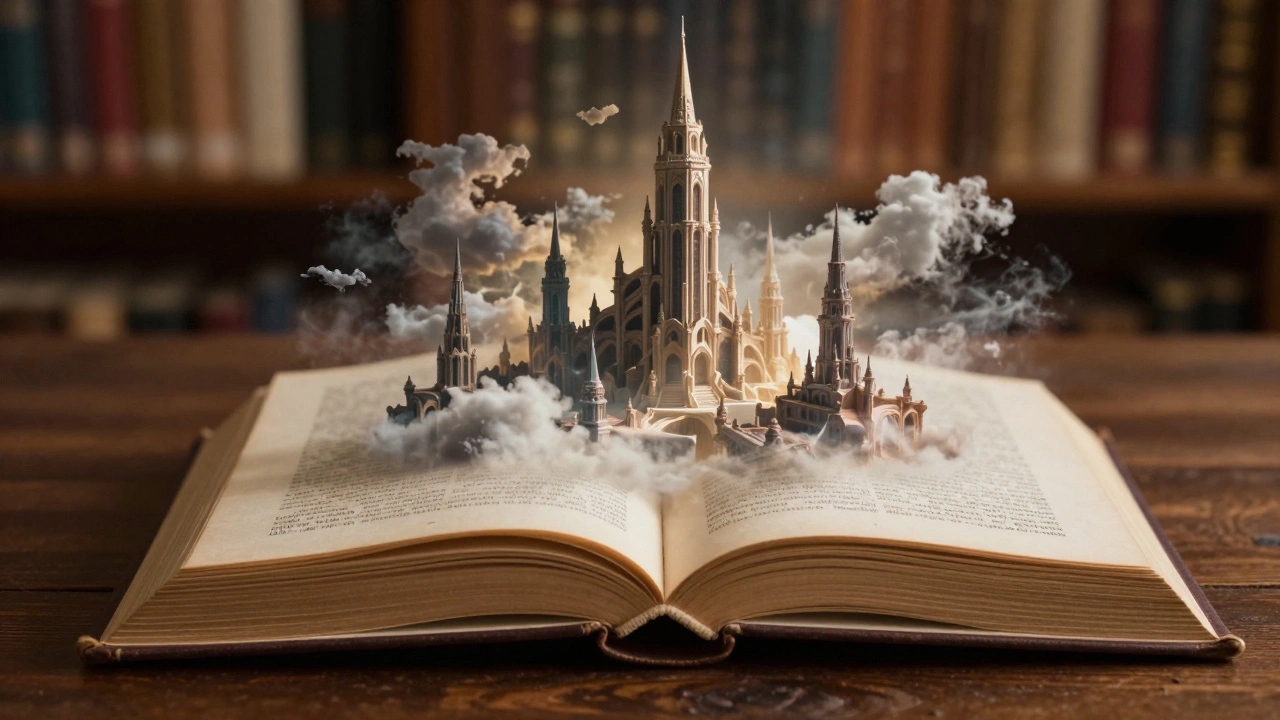
The Art of the Adaptation Pivot
Translating a book isn't about copying it page by page. If a director tried that, the movie would be six hours long and incredibly boring. The real magic happens in the 'pivot'-deciding what to kill and what to amplify. Think about how Screenwriting works. A novelist can spend ten pages describing a character's anxiety; a filmmaker has to show that anxiety through a shaky camera or a bead of sweat. When a studio turns a single book into a Film Series, the strategy changes. They start looking for 'expandable' lore. They don't just want a plot; they want a world. This is why authors like J.R.R. Tolkien or George R.R. Martin are goldmines. Their books provide a map, a history, and a set of rules that allow a studio to build a franchise without running out of steam. If the world is rich enough, the movies can eventually move beyond the original plot and start exploring the periphery of the map.Building a Cinematic Universe from Ink
Once a single movie succeeds, the goal shifts toward creating a Cinematic Universe. This is where the literary property becomes a platform. The studio starts treating the original book as 'canon'-the baseline truth-and then builds side stories or prequels around it. For example, the Harry Potter series didn't just adapt the books; it created a visual language for magic that felt consistent across eight films. This consistency is key. When the audience trusts the internal logic of the world, they will follow the characters anywhere. The risk here is 'franchise fatigue.' When a story is stretched too thin to fit a release schedule, the plot starts to feel like a checklist of plot points rather than a natural progression.| Strategy | Primary Goal | Risk Factor | Example Outcome |
|---|---|---|---|
| Faithful Translation | Accuracy to text | Pacing issues | Critical acclaim, niche appeal |
| Creative Reimagining | Cinematic impact | Fan backlash | Mass market success |
| World-Building Expansion | Long-term franchise | Plot dilution | Multi-billion dollar series |
Why Some Books Fail on Screen
Not every bestseller makes a good movie. The biggest hurdle is usually the 'internal' nature of a book. Many of the greatest novels are driven by a character's thoughts, not their actions. How do you film a character realizing they are in love over the course of 50 pages of internal reflection? You can't, not without adding voice-overs (which can feel lazy) or inventing new scenes (which can feel fake). Then there is the problem of Pacing. Books have a natural rhythm of ebb and flow. Films have a ticking clock. If a movie spends too much time on the 'slow' parts of a book, the audience gets restless. If it cuts too much, the emotional payoff at the end feels unearned. This tension is why many fans complain that the movie 'missed the point' of the book. Often, the movie didn't miss the point; it just didn't have the time to explain it.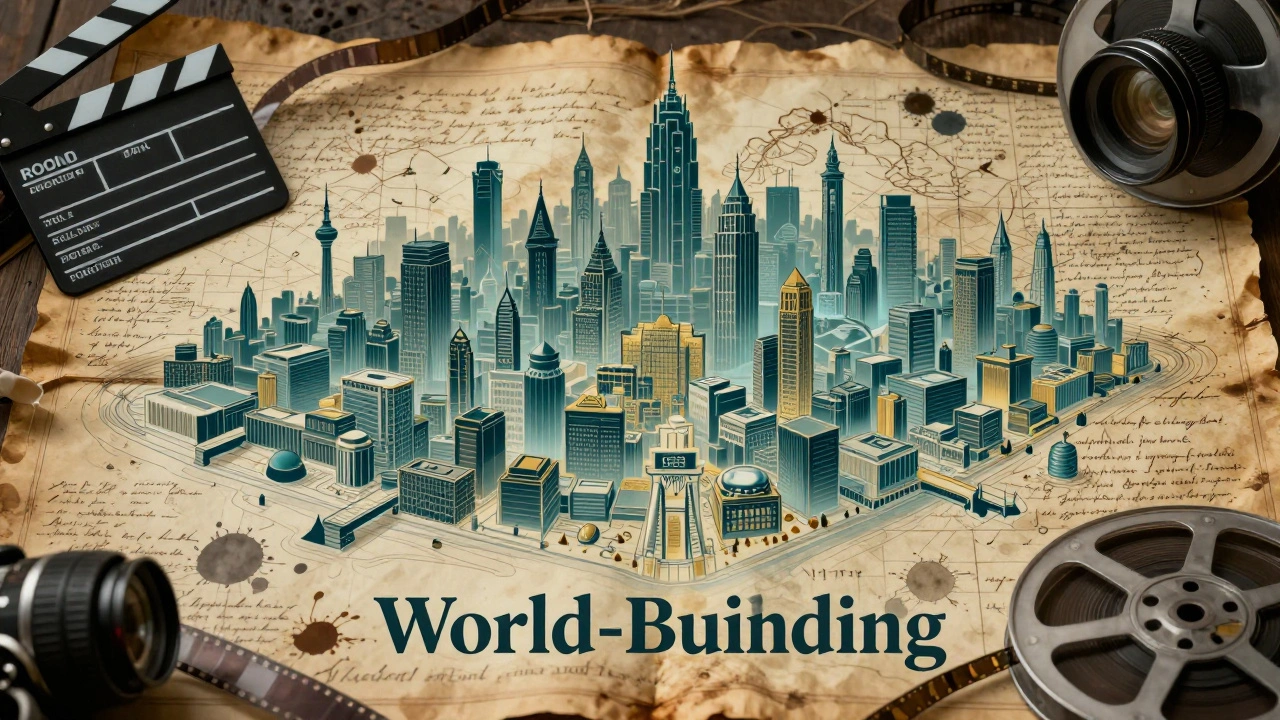
The Shift to Limited Series and Streaming
We are seeing a massive shift toward Streaming Services like Netflix and HBO Max. This has changed the game for book adaptations. Suddenly, a 500-page novel doesn't have to be squeezed into two hours. It can be a six-episode limited series. This format allows for 'deep-dive' adaptations. We can finally get the side characters and the subplots that movies usually throw in the trash. It also allows the story to breathe. When you have ten hours of screen time instead of two, you can maintain the atmospheric tension of the book. However, this introduces a new danger: the 'bloated middle.' When writers have too much time, they sometimes add 'filler' episodes that weren't in the book just to hit a specific episode count.The Economic Engine of Intellectual Property
In the industry, these books are called Intellectual Property (or IP). For a studio, an existing book is a safety net. It comes with a built-in audience-the readers. This reduces the risk of a marketing failure because there is already a community of people eager to see the story come to life. But this reliance on IP has created a feedback loop. Publishers are now more likely to sign authors who write 'cinematic' books-stories with clear visual hooks and easy-to-adapt structures. We are seeing a trend where the line between a novel and a screenplay is blurring. Some authors are essentially writing the 'treatment' for a movie and then filling in the gaps to make it a book, hoping to catch the eye of a producer.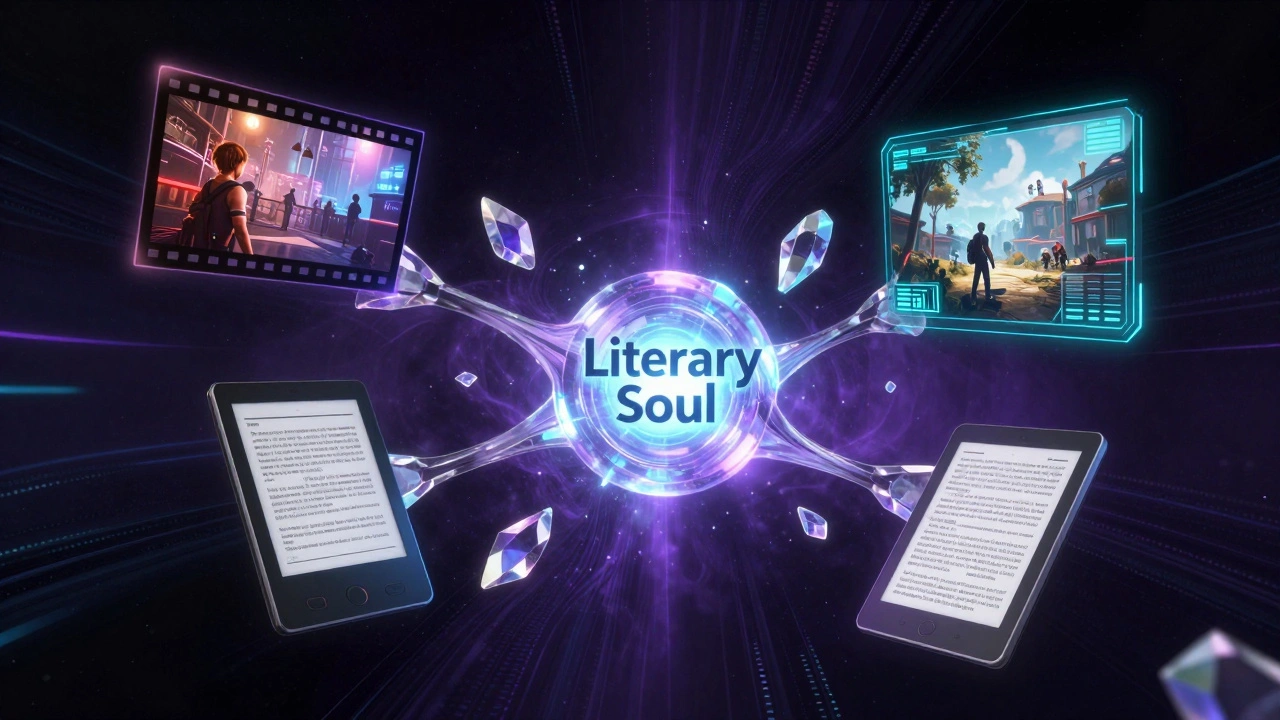
The Future: Interactive and Transmedia Storytelling
Looking ahead, the adaptation process is moving beyond just film and TV. We are entering the era of transmedia storytelling, where a book is just the starting point. A story might begin as a novel, expand into a movie, and then be fully explored in an open-world video game. This creates a 'lore ecosystem.' The reader doesn't just read the book; they inhabit the property across different media. The challenge for creators is keeping the core essence of the characters consistent across these platforms. If the protagonist in the book is a brooding intellectual, but the video game version is a generic action hero, the brand breaks. The most successful franchises are the ones that treat the Literary Property as the soul of the project, regardless of the medium.Why do movies always change the ending of the book?
Movies usually need a 'definitive' climax. Books can end on an ambiguous or quiet note, but a cinema audience generally expects a high-stakes resolution. Screenwriters often amplify the conflict in the final act to ensure the visual payoff matches the emotional buildup.
What is a 'faithful' adaptation?
A faithful adaptation is one that preserves the themes, character arcs, and core plot of the original work. However, total faithfulness is almost impossible because the two mediums operate differently. A truly 'faithful' movie is one that captures the spirit of the book, even if it changes specific scenes.
Do authors usually like the movie versions of their books?
It varies. Some authors enjoy seeing their world expanded, while others struggle with the loss of control. The key is usually the level of involvement. Authors who serve as executive producers or consultants tend to be happier with the result than those who simply sell the rights and walk away.
Why are some book series turned into TV shows instead of movies?
Complex plots with huge casts are better suited for television. A movie has to cut characters to save time, but a series can give every character their own episode. If a book has a lot of political intrigue or slow-burn romance, the TV format is the better choice.
What is the 'treatment' phase in adaptation?
A treatment is a detailed prose version of the movie's plot. It's the middle step between the original book and the final script. In this phase, the writers decide which subplots to keep and how to structure the three-act narrative for the screen.



Comments(6)