Launching a film at the right festival isn’t just about getting screens and audiences-it’s about setting the tone for the entire awards season. If your film is aiming for an Oscar, a BAFTA, or even a Sundance Grand Jury Prize, the first festival you pick can make or break your chances. Too early, and you’re forgotten. Too late, and you’ve missed the momentum. The key isn’t just showing up-it’s showing up smart.
Start with the Right Festival, Not the Biggest One
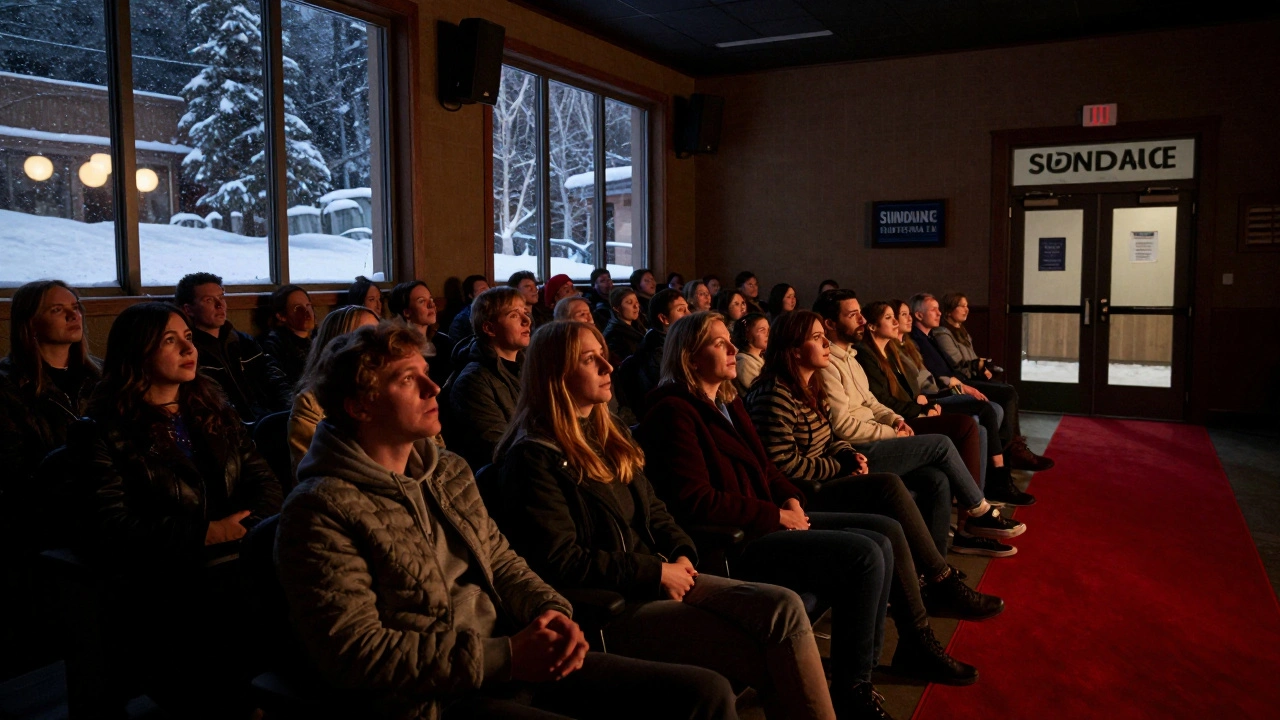
Many filmmakers assume the best path is to aim for Cannes or TIFF right out of the gate. But that’s not how it works for most indie films. The real winners don’t always start at the biggest stages-they start where the right people are watching.For dramas with strong performances or socially relevant themes, Sundance in January is the launchpad. It’s where distributors scout for Oscar bait, where critics write their first major reviews, and where buzz builds slowly but powerfully. If your film has a lead actor giving a career-defining performance, Sundance is where they get noticed. In 2024, The Holdovers premiered there and went on to earn seven Oscar nominations.
For international films or arthouse projects, Toronto International Film Festival (TIFF) in September is the pivot point. It’s not just big-it’s influential. Studios and awards voters attend in force. A strong reception at TIFF can turn a quiet film into a frontrunner. Manchester by the Sea didn’t win at Sundance-it won at TIFF, and that’s what pushed it into the Oscars race.
Don’t force your film into a festival that doesn’t fit its tone. A quirky comedy won’t thrive at Venice. A slow-burn documentary won’t get traction at Fantastic Fest. Know your film’s DNA before you submit.
Timing Is Everything-The 6-Month Window
The awards season calendar runs from September to February. There’s a narrow window where your film can build momentum without burning out. The ideal launch sequence looks like this:- Early September: Debut at TIFF or Telluride
- Mid-October: Roll out to New York Film Festival or Venice
- November: Screen for Academy members and critics’ groups
- December: Limited theatrical release to qualify for awards
- January-February: Awards voting and ceremonies
Going too early-like launching in July-means your film gets lost in the summer noise. Waiting until November means you miss the early buzz cycle. The sweet spot is September to October. That’s when critics are fresh, voters are paying attention, and the media hasn’t yet moved on to holiday content.
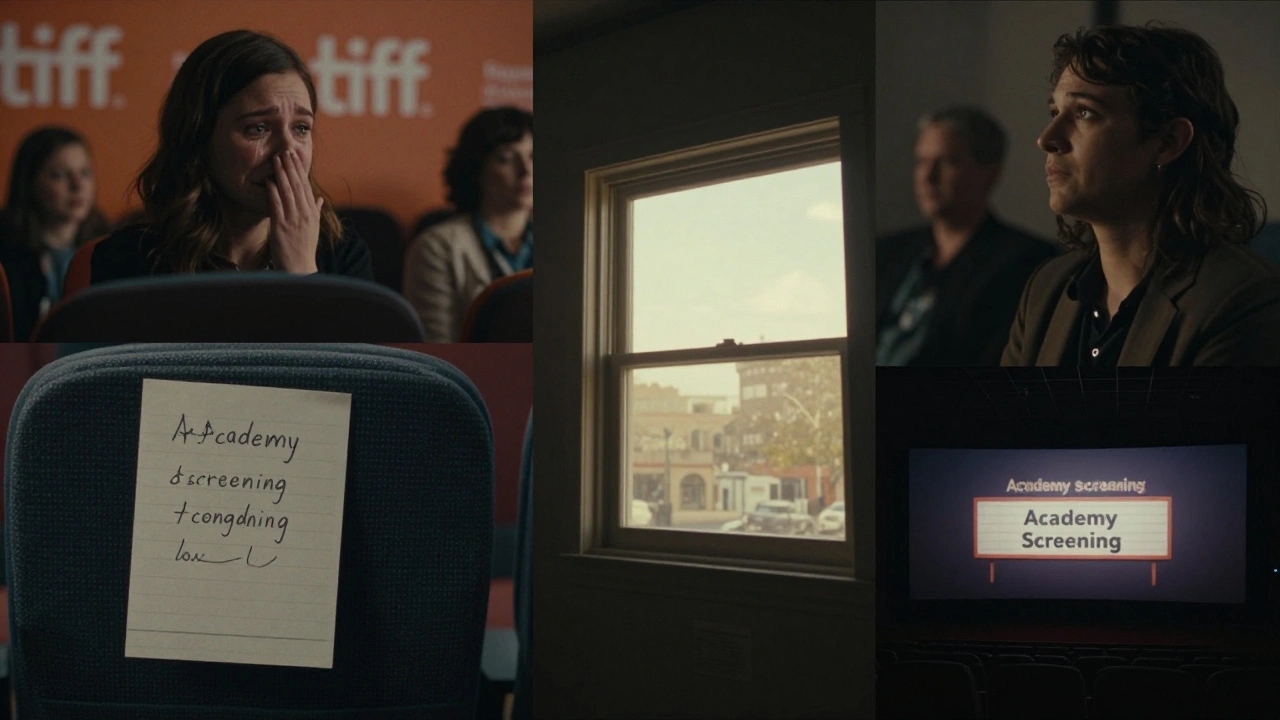
Also, don’t underestimate the power of a single screening. One well-placed screening for Academy members in Los Angeles or New York can do more than a dozen festival showings. Many campaigns now skip the festival circuit entirely after a strong TIFF debut and focus on targeted screenings for voters.
Build Buzz Before the Premiere
Festival audiences don’t show up because they heard about your film on the red carpet. They show up because they read about it in The Hollywood Reporter, saw a clip on YouTube, or heard a critic mention it on a podcast.Start building buzz 6-8 weeks before your premiere. Do this:
- Release a 60-second teaser that highlights the emotional core of the film-not the plot, but the feeling.
- Send early screener links to trusted critics who cover indie films, not just mainstream outlets.
- Coordinate with actors to do interviews on podcasts like The Daily or Conan O’Brien Needs a Friend, not just traditional press.
- Use Instagram Reels and TikTok to share behind-the-scenes moments that show the humanity of the characters, not just flashy cuts.
In 2023, The Quiet Girl (Ireland) had no big marketing budget. But its team released a single 30-second clip of the lead actress looking out a window, silent and full of emotion. It went viral in indie film circles. That clip led to a Palme d’Or win and an Oscar nomination.
Use the Festival Circuit as a Feedback Loop
Your film isn’t finished the day you premiere. Festival audiences give you real-time reactions. Listen to them.After your first screening, talk to the audience. Not just the critics. Ask regular viewers: What part made you cry? What felt slow? Who stood out? Take notes. If multiple people say the third act drags, you might have time to tighten it before your next screening.
Some teams have made last-minute edits after Sundance and re-submitted to TIFF with a slightly improved cut. That’s not cheating-it’s strategy. The Academy doesn’t care if your film changed after the premiere. They care if it’s the best version possible when voting begins.
Get the Right People in the Room
Awards campaigns aren’t won by ads. They’re won by relationships.Identify the key players: the voters in the Actors Branch, the critics who write for IndieWire and Screen International, the programmers who sit on festival juries. Don’t just send them press kits-send them personalized notes. A handwritten letter from the director, a small gift tied to the film’s theme (like a pressed flower from the film’s location), or a coffee meeting with the lead actor can make a difference.
Don’t waste time trying to impress everyone. Focus on the 500 people whose votes actually matter. The Academy has about 10,000 members, but the top 500 decide the outcome. Know who they are. Know what they watch. Know what moves them.
Don’t Skip the Theatrical Run
Streaming-only releases rarely win Oscars. The Academy still values theatrical experience. Even if your film lands on Netflix or Amazon, you need a qualifying run in Los Angeles and New York theaters for at least seven consecutive days.That means booking a single screen at the Arclight in LA or the Lincoln Plaza in NYC. It’s expensive. It’s hard. But it’s necessary. In 2024, Anatomy of a Fall didn’t win because of its streaming numbers-it won because it played in theaters for weeks, giving voters a chance to see it on the big screen with full sound and immersion.
Don’t assume your film is too small for theaters. Even a 50-seat run counts. The goal isn’t box office-it’s visibility.
Prepare for the Long Game
Awards campaigns last months. They’re exhausting. They’re expensive. They require patience.Don’t expect a win after your first festival. Don’t panic if your film doesn’t get a standing ovation. Many Oscar winners premiered to quiet applause and grew into frontrunners over time.
Keep track of every review, every mention, every social media comment. Build a dashboard. Track sentiment. Adjust your messaging. If critics are praising the cinematography but ignoring the script, push more clips that highlight the visuals. If audiences connect with the lead actor, get them on more talk shows.
Winning isn’t about luck. It’s about consistency. It’s about showing up, again and again, in the right places, with the right people, at the right time.
What Happens After the Awards?
If you win? Celebrate-but don’t stop. The real value of an award isn’t the statuette. It’s the attention that follows. Distributors will come knocking. Streaming platforms will offer bigger deals. Your next project will get greenlit faster.If you don’t win? That’s not the end. Many of the most respected films in history-There Will Be Blood, Marriage Story, Portrait of a Lady on Fire-never won Best Picture but became defining works because of how they were launched. A strong festival launch builds legacy, not just trophies.
The goal isn’t to win every year. The goal is to make a film so powerful that people still talk about it five years from now.
What’s the best festival to launch a drama for Oscar consideration?
Sundance in January is ideal for character-driven dramas with strong performances, especially if you’re an indie film without major studio backing. For larger-scale dramas with broader appeal, Toronto International Film Festival (TIFF) in September is the more powerful launchpad. Both festivals have strong track records of sending films to the Oscars, but TIFF tends to attract more Academy voters and media attention.
Can a film win an Oscar without playing at any festivals?
Yes, but it’s rare. Films like Green Book and Spotlight skipped major festivals and still won Best Picture because they had strong studio campaigns and targeted theatrical releases. But without festival buzz, you lose critical momentum and media coverage. Festivals aren’t required-they’re accelerators. Skipping them means you have to work twice as hard to get noticed.
How much should I budget for a festival launch campaign?
A minimal campaign can cost $20,000-$50,000, covering festival submission fees, travel, marketing materials, and a limited theatrical run. A full-scale campaign with PR, screenings, and advertising can run $200,000-$500,000. Most successful indie films spend between $75,000 and $150,000. Focus your budget on targeted screenings for voters, not flashy ads.
Is it better to premiere at a U.S. or international festival?
It depends on your film. If your story is deeply American or features U.S.-based actors, start with Sundance or TIFF. If your film is international, or if your director or cast has global recognition, Venice, Cannes, or Berlin can give you credibility that translates to the Oscars. Many films now do a dual launch-international festival first, then U.S. festival-to build global buzz.
When should I start talking to distributors?
Start conversations before you submit to festivals. Reach out to distributors like A24, Neon, or Amazon Studios with a one-pager and a screener link. If you get a strong response before your premiere, you can negotiate better terms. Waiting until after the festival means you’re in a reactive position. The best deals go to films that have momentum-and that starts with early outreach.
Next Steps for Filmmakers
If you’re preparing for next year’s awards season, here’s what to do now:- Finalize your cut by early August.
- Identify 3 target festivals and submit by September 1.
- Start building your digital campaign-teaser, social clips, critic outreach-by mid-September.
- Book your qualifying theatrical run in LA and NYC for late November.
- Send personalized screener packages to Academy members by early December.
The film industry doesn’t reward the loudest voices. It rewards the most prepared ones. Your film doesn’t need a million-dollar budget. It needs a clear plan, a sharp focus, and the discipline to stick to it.






Comments(6)