
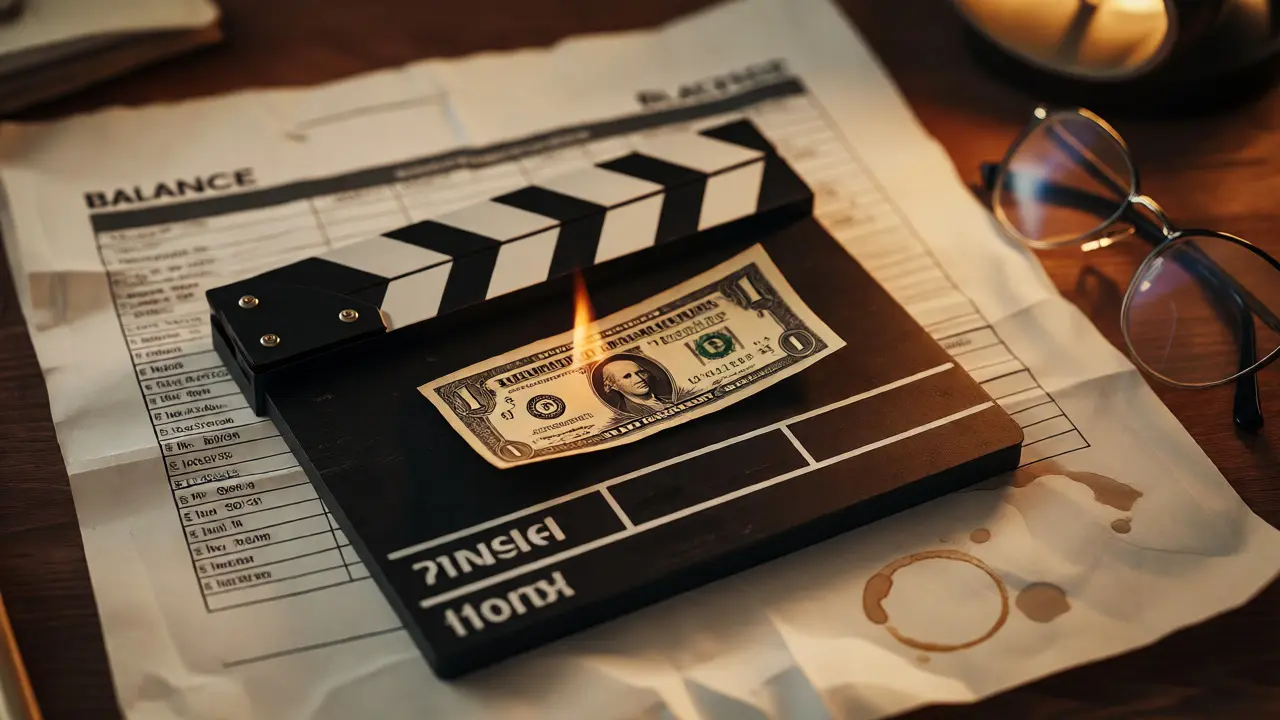
Imagine spending $20 million on a movie, releasing it to the world, and then quietly deleting it from your platform six months later. That’s not a glitch; that’s a strategic financial move known as a streaming write-off. It sounds counterintuitive to burn cash on content you don’t even keep, but for giants like Netflix, Disney, and Warner Bros. Discovery, this practice has become a core part of how they balance their books and manage investor expectations.
If you’ve ever wondered why certain shows vanish from streaming services or why massive budget films disappear after a single weekend, you’re looking at the intersection of creative ambition and cold, hard accounting. This isn't just about bad movies failing to find an audience. It’s about how companies treat film inventory-the assets sitting on their balance sheets-as either long-term investments or short-term liabilities.
The Big Shift in Content Accounting
For decades, Hollywood operated on a simple rule: if you make a movie, you own it forever. The cost of making that film was capitalized, meaning it was treated as an asset on the balance sheet. Over time, as the movie generated revenue through box office tickets, home video sales, and TV licensing, the company would gradually "amortize" (or expense) that cost. This spread the pain of the production budget over many years, matching the expense with the income it produced.
Then came the streaming wars. Companies realized they were spending billions to build libraries of content designed to retain subscribers, not necessarily to generate direct transactional revenue per view. The old accounting rules didn't fit. If a studio spent $50 million on a series specifically to keep users subscribed to Netflix for three months, treating that $50 million as a 10-year asset felt dishonest. It inflated profits today while hiding the fact that the money was essentially gone.
This led to a major shift in how GAAP (Generally Accepted Accounting Principles) is applied to digital media. Now, platforms have more flexibility-and pressure-to decide how quickly they can write off these costs. Some choose aggressive amortization schedules, expensing content faster to reflect its shorter lifespan. Others delay write-offs to boost current earnings, banking on the idea that their library will eventually pay for itself.
Why Cancel? The Logic Behind Deletion
You might ask: why cancel a show at all? Why not just leave it up? After all, server storage is cheap. But here’s the catch: leaving a show up isn't free. Every title on a streaming platform carries ongoing costs. There are residual payments to actors, writers, and directors. There are music licensing fees that need renewal. And there’s the maintenance of the metadata and technical infrastructure required to serve that content globally.
When a streamer cancels a series, they often do so because the projected future value of keeping the show alive drops below the cost of maintaining it. Or, more commonly, they cancel it to trigger a write-off. By declaring a show "finished" and removing it from active rotation, they can take a one-time hit to their earnings. This clears the asset from the balance sheet, simplifying future financial reporting.
Consider the case of Warner Bros. Discovery pulling titles like Coyote vs. Acme from release entirely. They took a massive write-down, accepting a huge loss immediately rather than risking a slow bleed of marketing dollars and potential flop status. This "clean break" strategy appeals to investors who prefer predictable losses over uncertain returns.

Amortization Strategies: Fast vs. Slow
How a company chooses to write off content tells you a lot about its confidence. Let’s look at two common approaches:
- Aggressive Amortization: The company expenses the majority of a title's cost within the first 1-3 years. This suggests they believe the content has limited long-term value. It’s common for reality TV, news programs, or niche dramas that spike in popularity but fade quickly. This approach lowers reported profits in the short term but reduces the risk of future impairments.
- Conservative Amortization: The company spreads the cost over 5-10 years. This implies they expect steady, long-tail revenue from the title. Franchises like Star Wars or Marvel typically fall here. However, if viewership drops unexpectedly, the company must perform an "impairment test," potentially leading to a sudden, large write-off later.
Netflix, for instance, has historically used a mix of both. For original programming, they often use accelerated amortization methods, recognizing that most originals peak early. In contrast, licensed content (like Suits or The Office) might be amortized differently depending on the license terms. This complexity makes comparing profitability across streamers tricky-you can’t directly compare Netflix’s numbers to Disney’s without adjusting for these accounting choices.
The Impact on Investor Confidence
Wall Street watches these write-offs closely. A large write-off can scare investors because it signals that management misjudged the market. Did they overspend on a project that failed? Did they underestimate competition? Conversely, frequent small write-offs might indicate a disciplined portfolio management style, where the company is ruthlessly cutting dead weight to focus resources on winners.
In 2023 and 2024, we saw several major players announce significant content impairments. These weren't just minor adjustments; they were billions of dollars in value erased overnight. For example, when Paramount+ merged with Showtime, they wrote down hundreds of millions in content assets. This wasn't because the shows were bad-it was because the combined entity decided some duplicates weren't worth the cost to maintain.
Investors now demand transparency. They want to know the "average useful life" assumed for different types of content. If a streamer suddenly changes its amortization schedule, it’s a red flag. It could mean they’re trying to hide declining performance by slowing down the recognition of expenses.
Strategic Implications for Creators
What does this mean for filmmakers and showrunners? First, it means your job security is tied to metrics, not just art. If your show doesn't drive subscriber retention within its first few seasons, it becomes a candidate for cancellation and subsequent write-off. Second, it affects how deals are structured. Studios may offer lower upfront budgets if they plan to aggressively amortize, knowing they can cut losses quickly if the show underperforms.
Also, consider the rise of "library mining." Instead of betting big on new originals, some platforms are buying existing libraries (like Sony selling older hits to Netflix). These acquisitions often come with pre-amortized costs, offering immediate value without the risk of production failure. For creators, this might mean fewer greenlights for risky projects and more emphasis on proven IPs or low-cost formats that deliver high engagement per dollar.
| Approach | Amortization Period | Best For | Risk Factor |
|---|---|---|---|
| Aggressive Write-Off | 1-3 Years | Reality TV, News, Niche Dramas | Low future value assumption; potential undervaluation of hits |
| Standard Amortization | 3-5 Years | General Original Programming | Moderate; requires accurate viewership forecasting |
| Long-Term Asset | 5-10+ Years | Franchises, Evergreen Classics | High impairment risk if trends change; inflates short-term profits |
Looking Ahead: Sustainability or Bubble?
As we move deeper into 2026, the industry is maturing. The era of "growth at all costs" is over. Streamers are no longer willing to lose money on every customer acquisition. This discipline forces better accounting practices. We’re seeing more standardized disclosures around content spend and amortization policies.
Will write-offs continue? Absolutely. As long as human creativity produces uneven results, some content will fail to meet its financial targets. The key difference now is speed. Companies are identifying failures faster and cleaning up their balance sheets sooner. This creates a healthier ecosystem where successful shows get reinvested, and flops don’t drag down the entire portfolio for a decade.
For consumers, this might mean a slightly smaller, more curated catalog. For investors, it means clearer visibility into true profitability. And for accountants, it means staying sharp as regulations evolve to match the realities of digital distribution.
What exactly is a streaming write-off?
A streaming write-off occurs when a company reduces the recorded value of a content asset on its balance sheet. This happens when the expected future economic benefits from the content (like subscription retention or ad revenue) drop below its carrying cost. The difference is recognized as an expense, reducing net income for that period.
Why do streamers cancel shows instead of keeping them online?
Keeping a show online incurs ongoing costs such as residuals, music licensing renewals, and server maintenance. If these costs exceed the projected value the show adds to the platform (in terms of subscriber retention), canceling it allows the company to stop paying those fees and take a one-time write-off to clean up the balance sheet.
How does amortization affect a streaming company's profit report?
Amortization spreads the cost of producing content over time. Faster amortization leads to higher expenses and lower reported profits in the early years of a show's life. Slower amortization boosts short-term profits but risks large unexpected write-offs later if the show underperforms.
Do all streaming services use the same accounting rules?
While they follow general GAAP standards, individual companies have discretion in choosing amortization periods and methods. This means Netflix, Disney+, and Amazon Prime Video may report different profitability figures for similar content due to differing internal policies on how quickly they expense production costs.
Can a canceled show return after being written off?
Yes, but it’s rare and complex. Once written off, the asset value is zero on the books. If a show is revived, any new production costs are treated as new expenses. Sometimes, platforms revive canceled shows if fan campaigns demonstrate strong potential for new subscriber acquisition, effectively treating the revival as a new investment opportunity.






Comments(8)