The Toronto International Film Festival isn’t just another movie event-it’s the launchpad for Oscar contenders, the first time you’ll hear a crowd gasp at a twist ending, and the place where unknown directors become household names overnight. Every September, Toronto turns into a film lover’s paradise, with over 300 premieres, packed theaters, and red carpets that stretch for blocks. If you’re wondering what films actually made the cut this year, what stood out from the noise, and which ones you should watch before they hit streaming, here’s the real breakdown.
What Made the Cut: The Standout Films of TIFF 2025
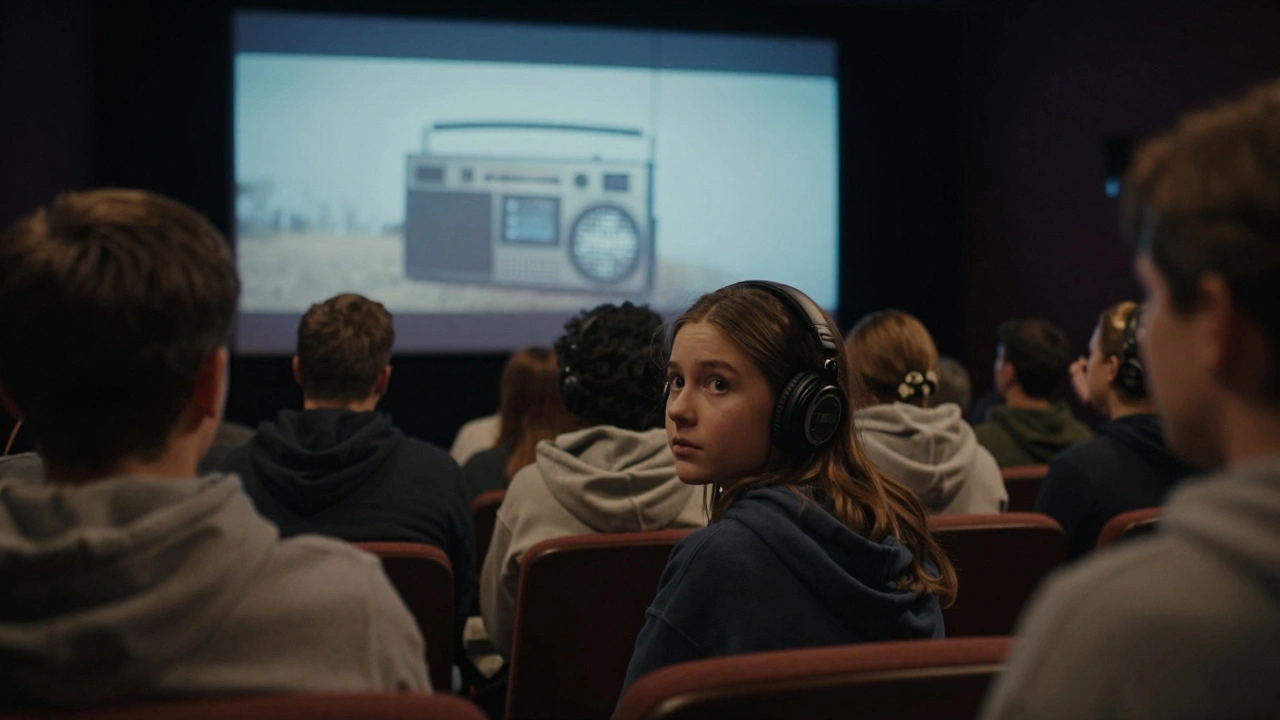
This year’s lineup had more than its share of buzz, but only a handful of films truly broke through. The clear frontrunner was "The Quiet Hour" a haunting drama about a deaf teenager in rural Ontario who discovers a hidden signal in the static of an old radio. It premiered to a standing ovation and quickly became the most talked-about film of the festival.
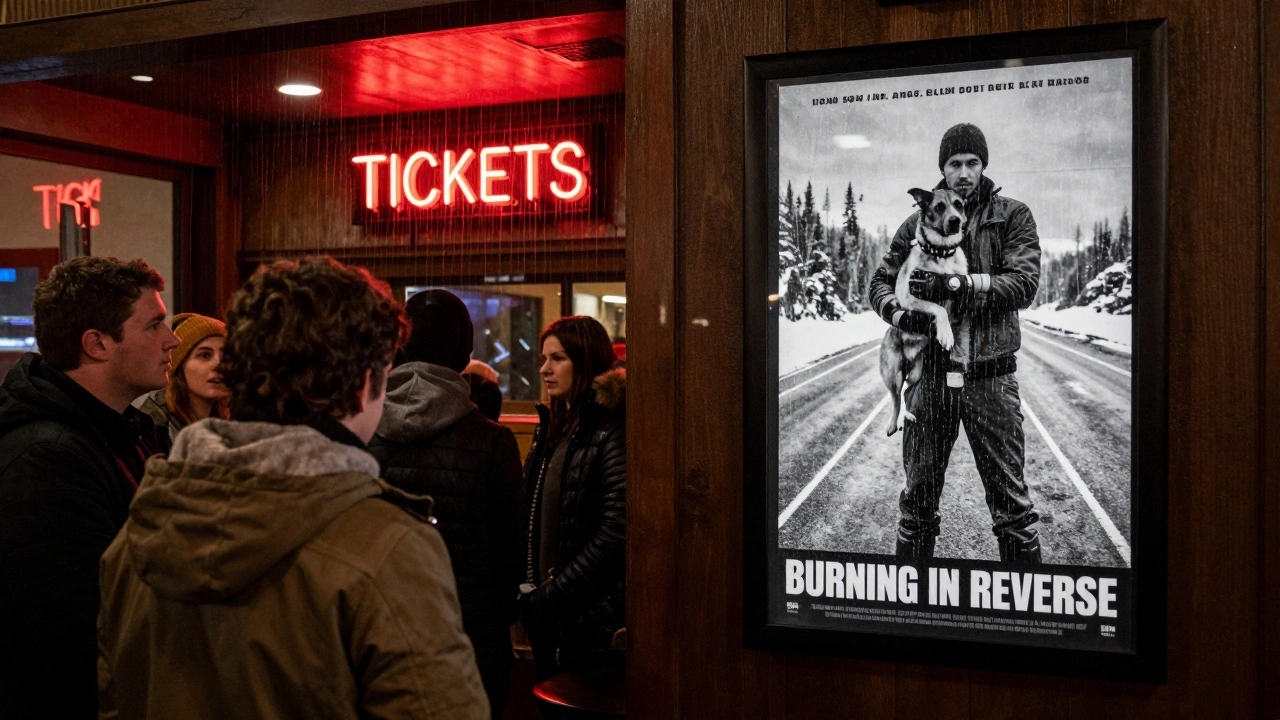
Another surprise hit was "Burning in Reverse" a gritty, black-and-white road movie shot entirely on 16mm film, following a former MMA fighter who drives across Canada to return a stranger’s lost dog. Critics called it "the most raw and honest portrayal of grief since "Manchester by the Sea".
On the international side, "The Last Train to Kigali" a Rwandan war drama directed by a first-time filmmaker, won the People’s Choice Award after screening to a packed audience. It’s rare for a non-English film to take the top prize at TIFF-but this one did, thanks to its emotional depth and unflinching honesty.
And then there was "Code Name: Echo" a sci-fi thriller starring a breakout actress from a Canadian indie series, about an AI that begins to dream of being human. It didn’t win any awards, but it sparked online debates that lasted for weeks. The film’s ending? Still being argued on Reddit.
Where the Magic Happens: Premiere Venues and Atmosphere
TIFF isn’t just about the films-it’s about the experience. The Ryerson Theatre, the Bell Lightbox, and the historic Princess of Wales Theatre are the big names, but the real gems are the smaller venues. The Cineplex Odeon Eaton Centre screens midnight shows with live Q&As, and the Varsity Theatre-a tiny 200-seat house-becomes the unofficial hub for film students and critics.
What makes TIFF different from Cannes or Sundance? It’s the crowd. No paparazzi chasing stars. No velvet ropes. Just regular people-teachers, baristas, engineers-who line up at 5 a.m. for tickets. You’ll see someone in a hoodie next to a Hollywood producer, all waiting to see the same 90-minute film. That’s the magic.
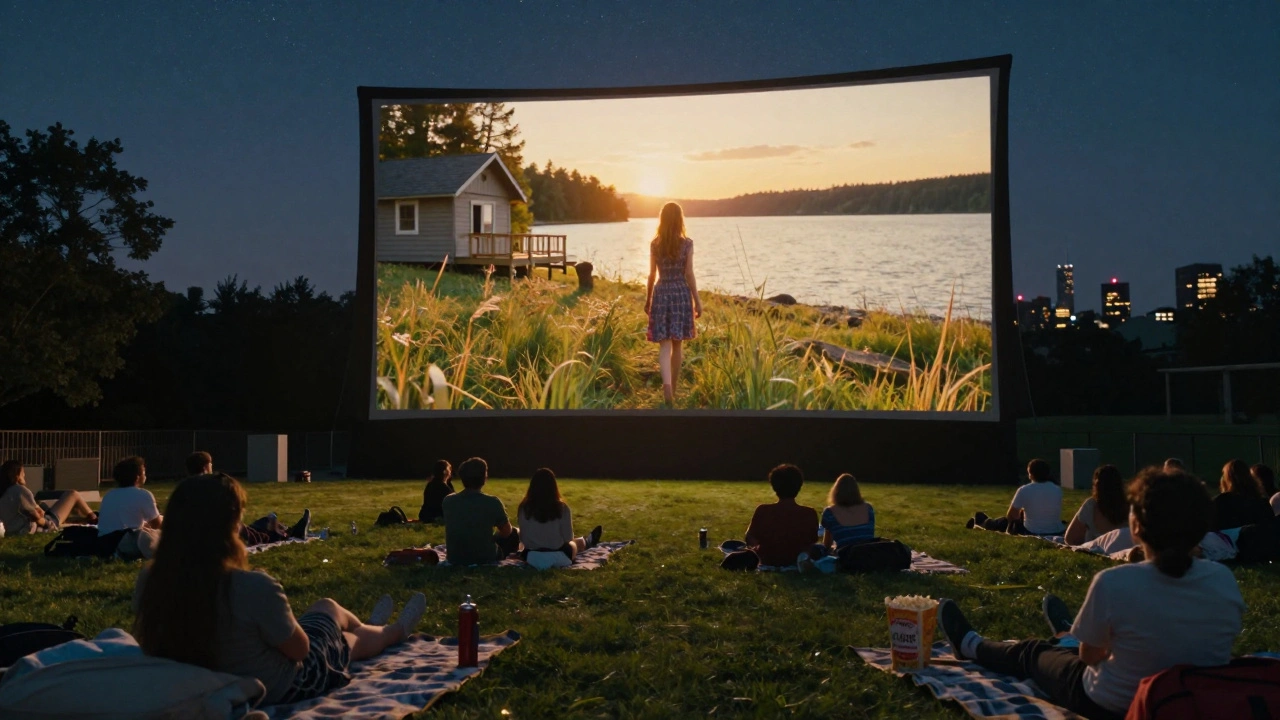
There’s also the TIFF Bell Lightbox’s free outdoor screenings. On weekends, hundreds gather on the lawn to watch films like "The Last Summer"-a quiet coming-of-age story set in a small Ontario town-on a 60-foot screen under the stars. No tickets needed. Just blankets, popcorn, and silence.
How TIFF Shapes the Year Ahead
TIFF doesn’t just show films-it decides which ones will win awards. Since 2000, over 60% of Best Picture Oscar nominees premiered at TIFF. Last year’s winner, "The Brutalist" a 3-hour epic about a Jewish architect rebuilding his life after WWII, first screened here. This year’s frontrunners? "The Quiet Hour" and "The Last Train to Kigali" are already in early Oscar buzz.
Streaming platforms also use TIFF as a buying ground. Amazon Studios picked up "Burning in Reverse" for a worldwide release just 48 hours after its premiere. Netflix acquired "Code Name: Echo" for $15 million-the biggest deal of the festival.
And it’s not just Hollywood. Canadian filmmakers saw record investment this year. The Canada Council for the Arts pledged $12 million in new funding for emerging directors who screened at TIFF. That’s not a sponsorship-it’s a lifeline.
What You Can Watch Right Now
Not everyone can fly to Toronto. But you don’t have to. Most of the standout films from TIFF 2025 are already available on streaming platforms:
- "The Quiet Hour" - Available on Apple TV+ (October 15, 2025)
- "Burning in Reverse" - Streaming on Prime Video (November 2, 2025)
- "The Last Train to Kigali" - Available on Criterion Channel (December 1, 2025)
- "Code Name: Echo" - Now streaming on Netflix
And if you’re looking for something under the radar, check out "The Paper Birds"-a 17-minute short film about a woman who mails handwritten letters to strangers across Canada. It won Best Short at TIFF and is now free to watch on YouTube.
Why TIFF Still Matters in 2026
Sure, everyone watches movies on their phones now. But TIFF proves that people still crave the communal experience of film. It’s not about celebrity sightings or fancy parties. It’s about sitting in a dark room with strangers, holding your breath during a scene, and then hearing the whole audience sigh at the same moment.
This festival doesn’t just showcase films-it creates cultural moments. The quiet film about a deaf teen? It’s now being shown in schools across Ontario as part of their disability studies curriculum. The Rwandan war drama? A university in Kigali just started a film club based on it.
TIFF 2025 didn’t just show us movies. It reminded us why we go to the cinema in the first place: to feel something real.
What is the most awarded film in TIFF history?
The most awarded film in TIFF history is "The Shape of Water" (2017). It won the People’s Choice Award at TIFF and went on to win four Oscars, including Best Picture. No other film has matched its sweep from festival to Academy.
Can anyone attend TIFF screenings?
Yes. While some screenings are industry-only, over 80% of TIFF’s 300+ films are open to the public. Tickets sell out fast, but there are daily lotteries for discounted or free tickets. You can also join the TIFF mailing list for early access.
How do films get selected for TIFF?
Films are submitted through an online portal, then reviewed by a team of over 50 programmers. They look for original storytelling, strong direction, and cultural relevance. Independent films from small countries often get chosen over big studio releases if they feel authentic. There’s no budget minimum-just a need to move people.
Is TIFF only for Canadian films?
No. While TIFF highlights Canadian cinema, over half of its lineup each year comes from outside Canada. In 2025, films from 87 countries screened. The festival prides itself on being a global platform, not a national one.
What’s the difference between TIFF and Sundance?
Sundance is focused on discovering new talent, often with low-budget indie films. TIFF is about showcasing films that are ready for the world-whether they’re from first-time directors or Oscar veterans. Sundance is a launchpad. TIFF is a stage.




Comments(7)