Quick Takeaways
- Bidding wars are driven by the need for "prestige content" to attract subscribers.
- Acquisitions often bypass traditional theatrical windows in favor of immediate digital releases.
- Filmmakers gain huge upfront payouts but may lose long-term theatrical visibility.
- Algorithm-driven data now influences how much streamers are willing to pay for a title.
The Mechanics of the Festival Bidding War
When a film hits a venue like the Sundance Film Festival the largest independent film festival in the United States, known for launching indie hits and sparking major acquisitions, the atmosphere is electric. Agents and sales reps don't just hope for a deal; they actively cultivate a sense of scarcity. If three streamers are interested in one movie, the price doesn't just go up-it skyrockets. This is known as a "competitive situation."
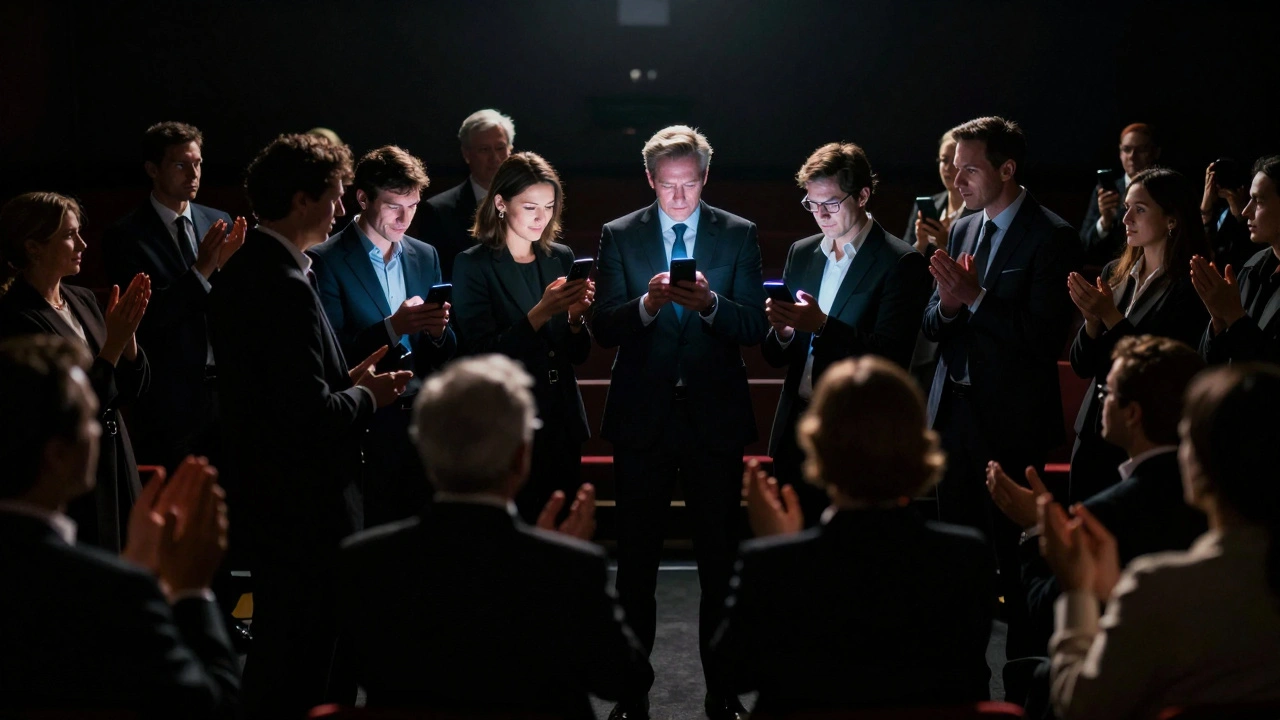
In the past, a studio might buy a film and plan a slow rollout in small art-house theaters. Now, a Streaming Service a digital platform that provides on-demand video content via the internet, such as Netflix, Apple TV+, or Amazon Prime Video wants the content to fuel its own ecosystem. They aren't just buying a story; they are buying a "moment." If a film gets a standing ovation, the streamer knows they can market it as a "critically acclaimed masterpiece" before the first review is even published on Rotten Tomatoes.
The process usually starts with a "blind bid" or an initial offer. If the filmmaker's team rejects it, they open the floor to other bidders. This creates a feedback loop where the perceived value of the film increases every time another platform shows interest. It's less about the projected box office and more about the brand prestige associated with owning a festival winner.
How Distribution Models Have Shifted
Traditionally, film distribution followed a strict windowing system: theatrical release first, then DVD/Blu-ray, then cable, and finally network television. Streamer acquisitions have effectively demolished this timeline. When a platform like Apple TV+ a subscription video-on-demand service operated by Apple Inc., focused on high-budget original content or Netflix a global streaming giant that utilizes data-driven algorithms to produce and distribute original content wins a bid, they often opt for a "day-and-date" release or a very limited theatrical window.
| Feature | Traditional Studio Model | Streamer Acquisition Model |
|---|---|---|
| Primary Goal | Box Office Revenue | Subscriber Growth & Retention |
| Release Window | 90-day exclusivity in theaters | Immediate or limited theatrical run |
| Payment Structure | Back-end royalties (points) | Large upfront buyout (Flat fee) |
| Visibility | Billboard and TV ads | Algorithm-driven homepage placement |
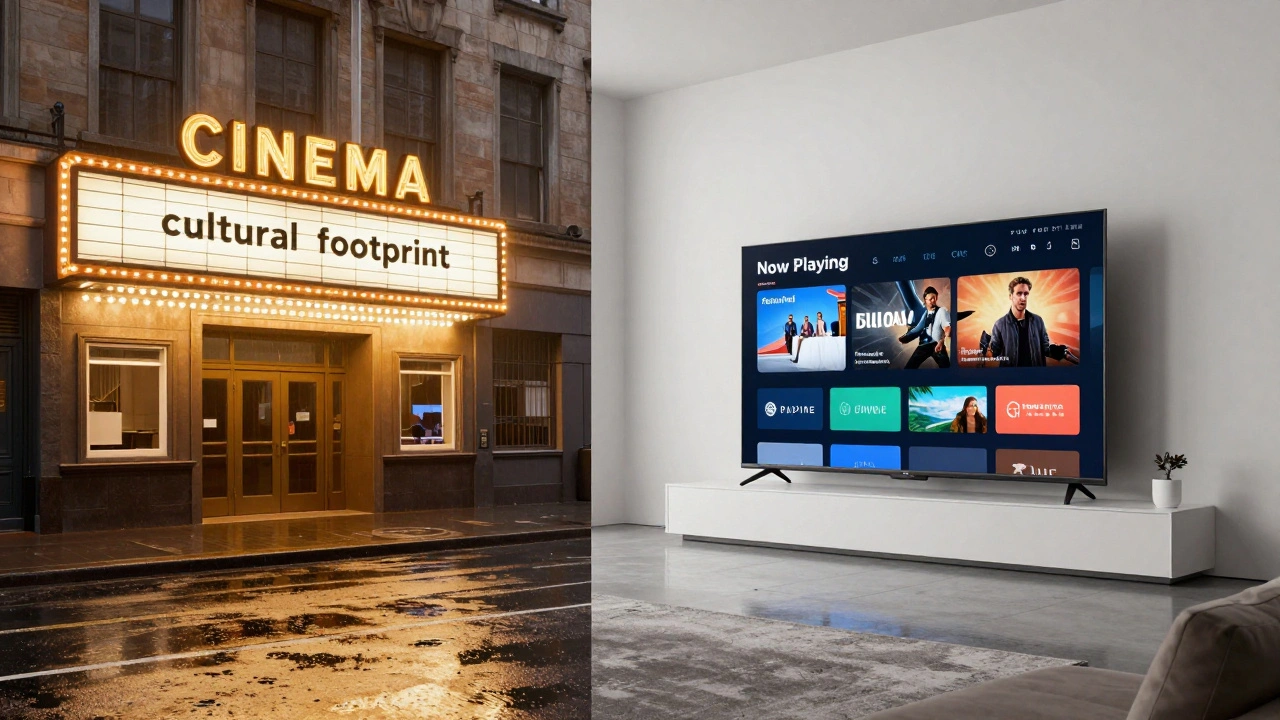
For the viewer, this means a film that premiered in January at a festival might be available in their living room by March. For the filmmaker, the trade-off is stark. While they get a guaranteed check that can fund their next three movies, they lose the "cultural footprint" that comes with a long-term theatrical residency. A movie can be a "hit" on a platform for one weekend and then disappear into the digital archives, forgotten by the algorithm.
The Role of Data in the Bidding Process
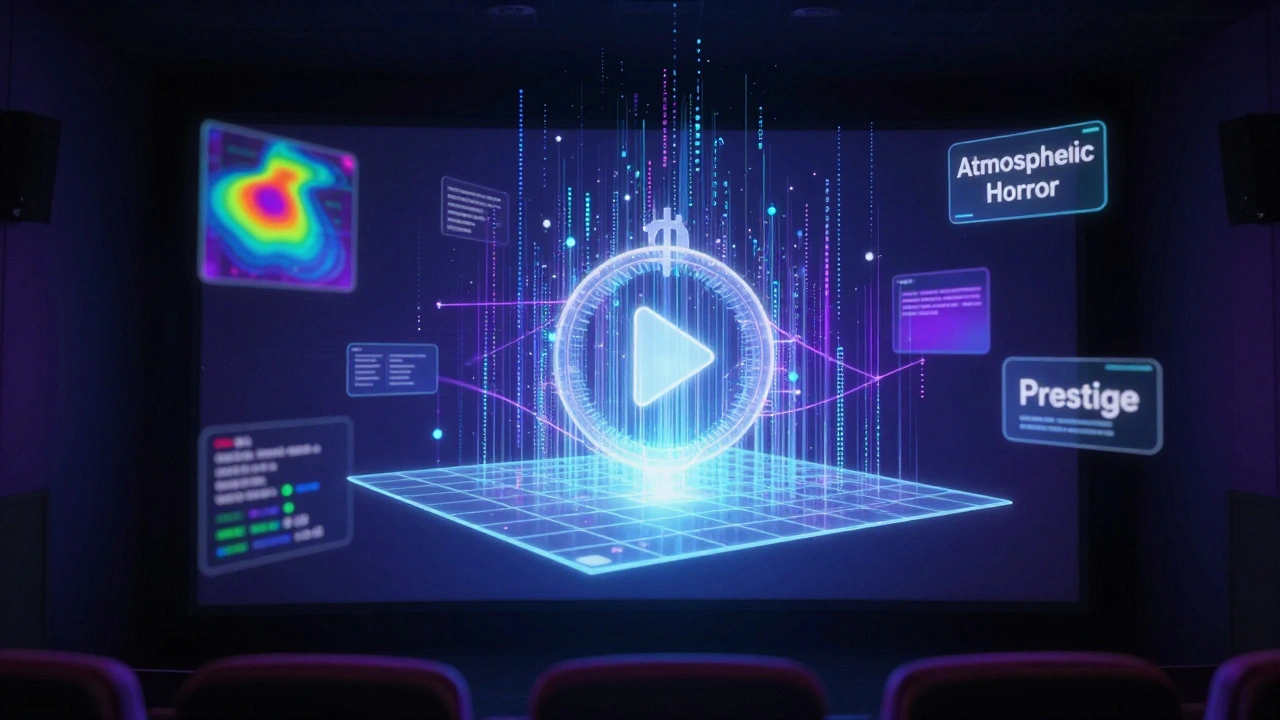
Streamers aren't just guessing when they bid; they are using massive amounts of user data. They look at the cast's social media reach and compare the film's genre to what's currently trending in their library. If the data shows a spike in interest for "atmospheric horror" among 18-34 year olds, a horror film at a festival becomes a gold mine.
This has led to a phenomenon where certain types of films-like high-concept thrillers or star-driven dramas-are overvalued, while slow-burn character studies are ignored. The Algorithm a set of rules and data processing steps used by streaming platforms to recommend content to users essentially decides the budget of the bidding war. If a film fits a "content gap" in a streamer's library, they will overpay just to fill that void, regardless of whether the movie is a masterpiece or just "good enough."
The Impact on Independent Filmmakers
From a financial perspective, the "streamer era" is a dream for many indie directors. In the old days, selling a film to a boutique distributor meant hoping the movie found an audience in a few dozen cities. Now, a single acquisition can provide a payday that covers all production debts and puts money in the pockets of the crew. This creates a safety net that allows more risky, experimental films to be made.
However, there is a hidden cost: the loss of ownership. When a streamer buys a film, they usually buy the Worldwide Rights the legal ownership and distribution permissions for a piece of media across all geographic territories and platforms. This means the filmmaker no longer has a say in how the movie is marketed, where it's shown, or even if it stays available. The film becomes an asset on a corporate balance sheet, subject to the whims of a quarterly earnings report.
Future Trends: Hybrid Models and A24's Influence
We are starting to see a pushback against the total streamer buyout. Companies like A24 an independent entertainment company known for its curated approach to distribution and high-quality indie films have mastered a hybrid approach. They maintain a strong theatrical presence to build "cool factor" and critical prestige, then sell the streaming rights later at a premium.
This "prestige first, streaming second" strategy proves that theatrical windows still have value. A movie that spends three months in theaters builds a level of discourse and desire that an immediate digital drop cannot replicate. Streamers are starting to notice this. We're seeing more platforms commit to limited theatrical runs for their festival acquisitions, not because it makes money, but because it makes the movie feel more "important."
Why do streamers pay so much for festival films?
Streamers compete for prestige and awards. Winning a "Festival Darling" helps a platform attract a more sophisticated subscriber base and increases their chances at the Oscars, which provides massive free marketing and brand elevation.
What is a "bidding war" in the context of a film festival?
A bidding war occurs when multiple distribution companies (usually streamers or studios) compete to buy the rights to a film. They repeatedly raise their offers, often within hours of a successful premiere, to outdo one another.
Does a streamer acquisition mean the movie won't be in theaters?
Not necessarily, but it's likely. Many streamers provide a very short theatrical window (sometimes only a few weeks) to qualify for awards or generate buzz before moving the film to their digital platform.
How do these deals affect the filmmakers' pay?
Filmmakers usually receive a large upfront payment called a "buyout." Unlike traditional deals, they typically lose "backend points" (a percentage of the box office), meaning they get more money upfront but no longer benefit if the movie becomes a massive sleeper hit.
Which festivals are the most important for these acquisitions?
Sundance, TIFF (Toronto International Film Festival), and Venice are the primary hubs where streamers hunt for the next big hit. Cannes remains prestigious, but the business-heavy acquisitions are often most frantic at Sundance and TIFF.
Next Steps for Independent Creators
If you're a filmmaker heading into the festival circuit, don't just look for the biggest check. Consider if you want your film to be a "moment" or a "monument." A massive streamer buyout is great for your bank account, but a strategic theatrical release with a boutique distributor can build your brand and career longevity.
Keep an eye on your distribution contracts. Ensure you understand the difference between an exclusive license and a total buyout of rights. In an era where the algorithm is king, the only way to stay relevant is to ensure your work doesn't just exist on a server, but actually sparks a conversation in the real world.


Comments(6)