What Makes a Documentary Director Different
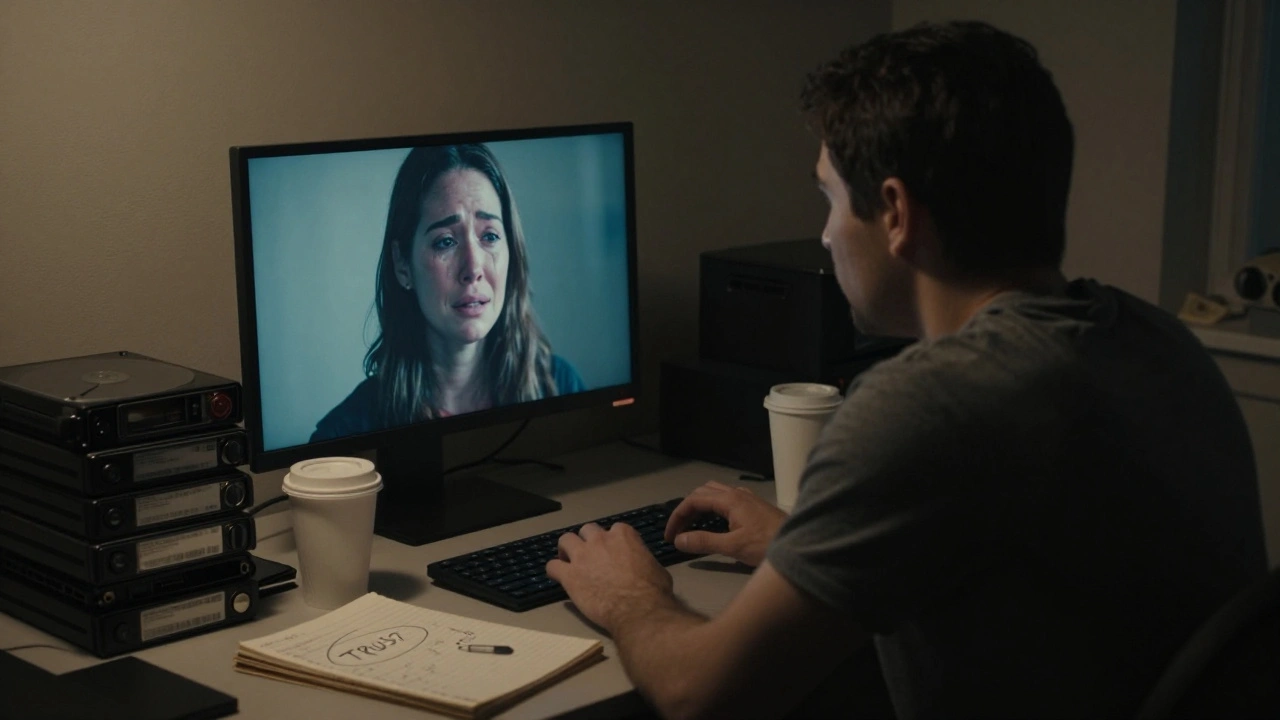
A documentary director doesn’t just point a camera at real life-they decide what matters, what to leave out, and how to make truth feel urgent. Unlike fiction filmmakers who build worlds from scratch, documentary directors work with what already exists: interviews, archives, events unfolding in real time. Their job isn’t to invent drama-it’s to uncover it, shape it, and hold it together so the audience doesn’t look away.
Think of it like being a detective who also writes the report, edits the evidence, and chooses which witness to trust. One wrong cut, one misplaced voice, one ignored context-and the whole story shifts. That’s why the best documentary directors aren’t just technicians. They’re storytellers with ethics, patience, and a deep sense of responsibility.
The Leadership That Doesn’t Shout
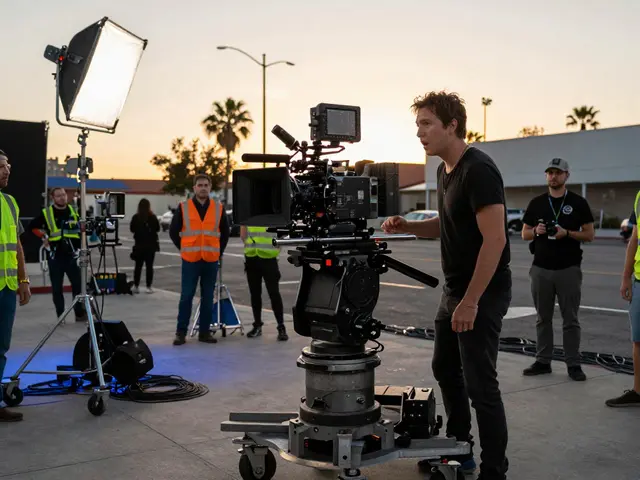
There’s no script supervisor barking orders on a documentary set. No studio executive demanding a three-act structure. The director often works alone or with a skeleton crew, sometimes for months or years. They don’t have actors to direct-they have real people with complicated lives, trauma, or secrets. Leading them means earning trust before you even press record.
Take the making of The Fog of War. Errol Morris didn’t just interview Robert McNamara. He spent months building a relationship, letting the former Secretary of Defense open up slowly. Morris didn’t push for drama-he created space for it. That’s leadership: quiet, consistent, and deeply human.
On the other side, when a director tries to manipulate subjects-coaching answers, pushing for emotional outbursts, or cherry-picking moments-they break that trust. And the audience feels it. Viewers don’t need perfection. They need honesty. A documentary director’s greatest tool isn’t their camera. It’s their integrity.
Choosing What to Film-and What to Leave Out
Every hour of footage you shoot means ten hours of editing. And every second you cut is a decision that changes the story. A documentary director doesn’t just collect moments. They make moral choices about what stays and what goes.
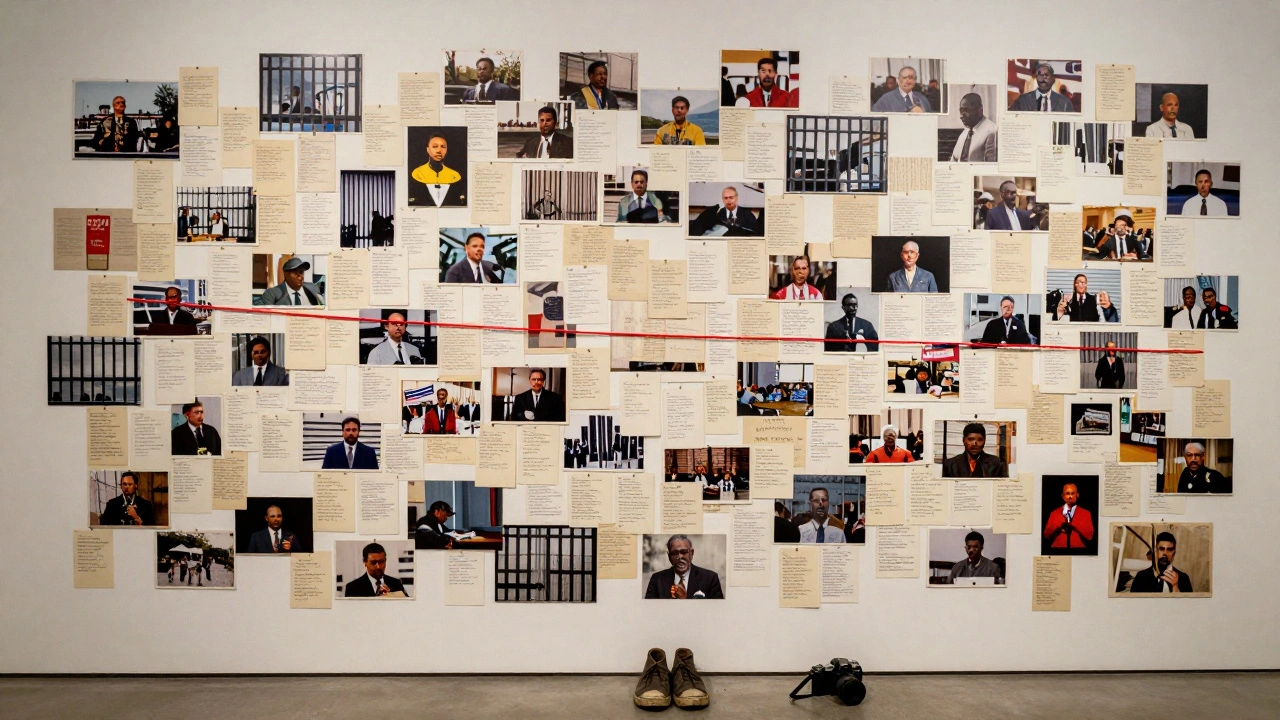
Consider 13th by Ava DuVernay. She didn’t just show prison statistics. She connected them to historical images of slavery, Jim Crow laws, and political speeches. She didn’t include every expert interview. She picked the ones that built a through-line: the criminalization of Blackness in America. That’s not editing. That’s narrative architecture.
Many first-time filmmakers think they need to show everything. They film every protest, every tear, every meeting. But the real skill is knowing what’s essential. A documentary director learns to ask: Does this moment change how the viewer understands the issue? If not, cut it. Even if it’s beautiful. Even if it broke your heart to film.
Working With the Unpredictable
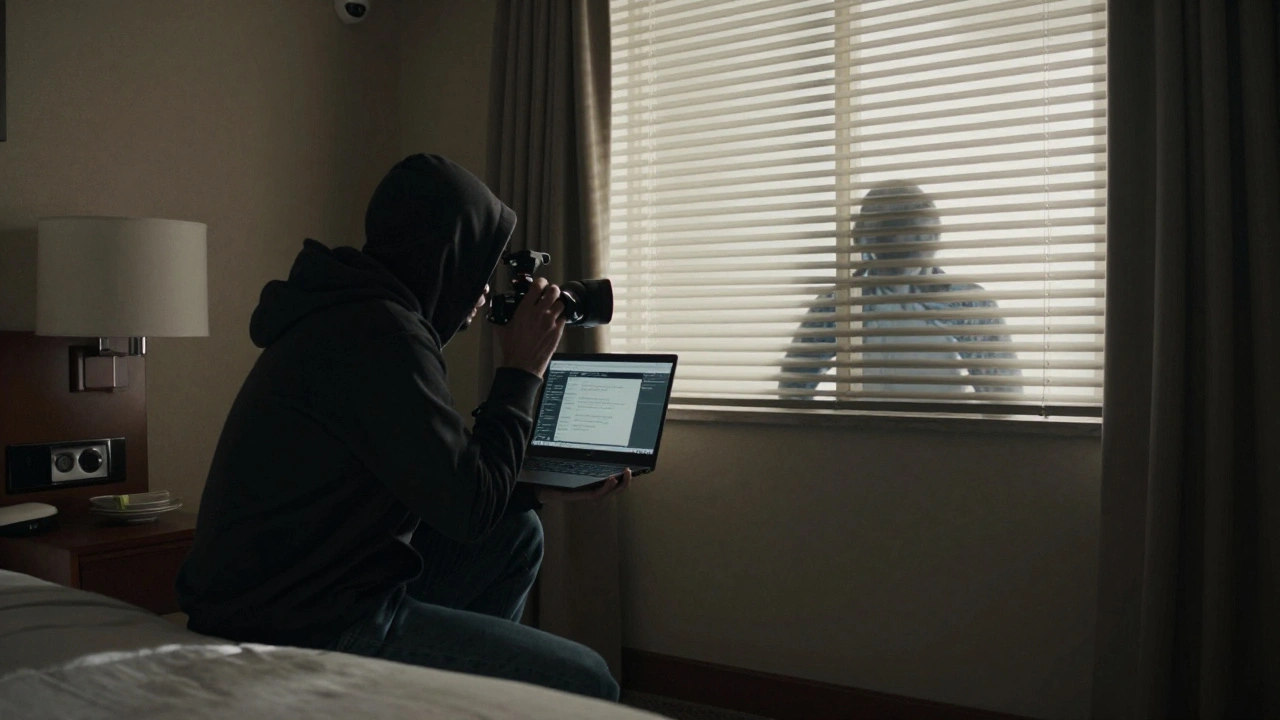
Reality doesn’t follow a schedule. A key interview gets canceled. A subject changes their mind. A court case delays access to documents. A natural disaster wipes out your location. A documentary director must be part filmmaker, part crisis manager.
When Laura Poitras was making Citizenfour, Edward Snowden didn’t know if he’d be arrested the next day. She had to film in a hotel room, under constant surveillance, with no backup plan. She didn’t have a lighting crew. She used a laptop’s built-in camera. Her leadership wasn’t about control-it was about adaptability. She trusted the moment, even when it terrified her.
That’s why many top documentary directors start as journalists. They’re used to working with broken systems, unreliable sources, and deadlines that can’t be moved. You can’t reshoot a protest that’s already over. You can’t ask a dying person to come back next week. You have to be ready, always.
The Role of the Editor-And Why the Director Must Be Involved
Some directors hand off editing to someone else. That’s a mistake. The edit isn’t just technical-it’s the final rewrite of the story. The director must be in the room, watching every cut, arguing over pacing, deciding where silence speaks louder than words.
Joshua Oppenheimer spent five years editing The Act of Killing. He didn’t just pick the best footage. He rebuilt the narrative structure based on how his subjects reacted to watching themselves. He noticed that when they saw their own brutality on screen, their defenses cracked. That insight changed the entire film. No editor could have found that unless the director was there, watching, listening, feeling it.
The director’s job doesn’t end when filming stops. It’s just getting real. The edit is where the truth is either revealed-or buried.
How to Know You’re Doing It Right
There’s no award that tells you if you’ve done a good job. No box office number. No viral clip. The real test comes years later.
Did the people you filmed feel seen? Did they recognize themselves-even if the film was hard to watch? Did the audience walk away thinking differently? Did it spark a conversation, a policy change, a movement?
After Food, Inc. came out, several major food companies changed their labeling practices. After My Octopus Teacher, people started asking about marine conservation in ways they never had before. These aren’t accidents. They’re the result of directors who didn’t just tell a story-they cared enough to make sure it mattered.
That’s the quiet measure of success. Not how many views you got. But how many lives you quietly changed.
What You Need to Start
You don’t need a big budget. You don’t need a film degree. You need curiosity, persistence, and a willingness to be wrong.
- Start small: Film one person in your community who’s lived through something unusual. Listen more than you talk.
- Learn to shoot on your phone. Most documentaries today begin with a smartphone and a free app.
- Read transcripts of real interviews-not just from films, but from courtrooms, news reports, oral histories.
- Watch at least one documentary a week. Not just the famous ones. Look for local ones, student films, indie projects. Notice how they handle silence, pacing, and emotion.
- Ask yourself: What’s the one thing I want the viewer to feel after this ends?
Documentary filmmaking isn’t about being the loudest voice in the room. It’s about being the one who stays quiet long enough to hear what really matters.


Comments(6)