When James Cameron’s Avatar exploded onto screens in 2009, everyone thought 3D was the future of cinema. Glasses on, seats reclined, popcorn in hand - suddenly every studio was pushing a 3D release. But by 2016, the hype had faded. Ticket sales dropped. Audiences complained of headaches. Directors started calling it a gimmick. So what happened? And more importantly - is 3D still worth using today?
Why Stereoscopic 3D Even Exists
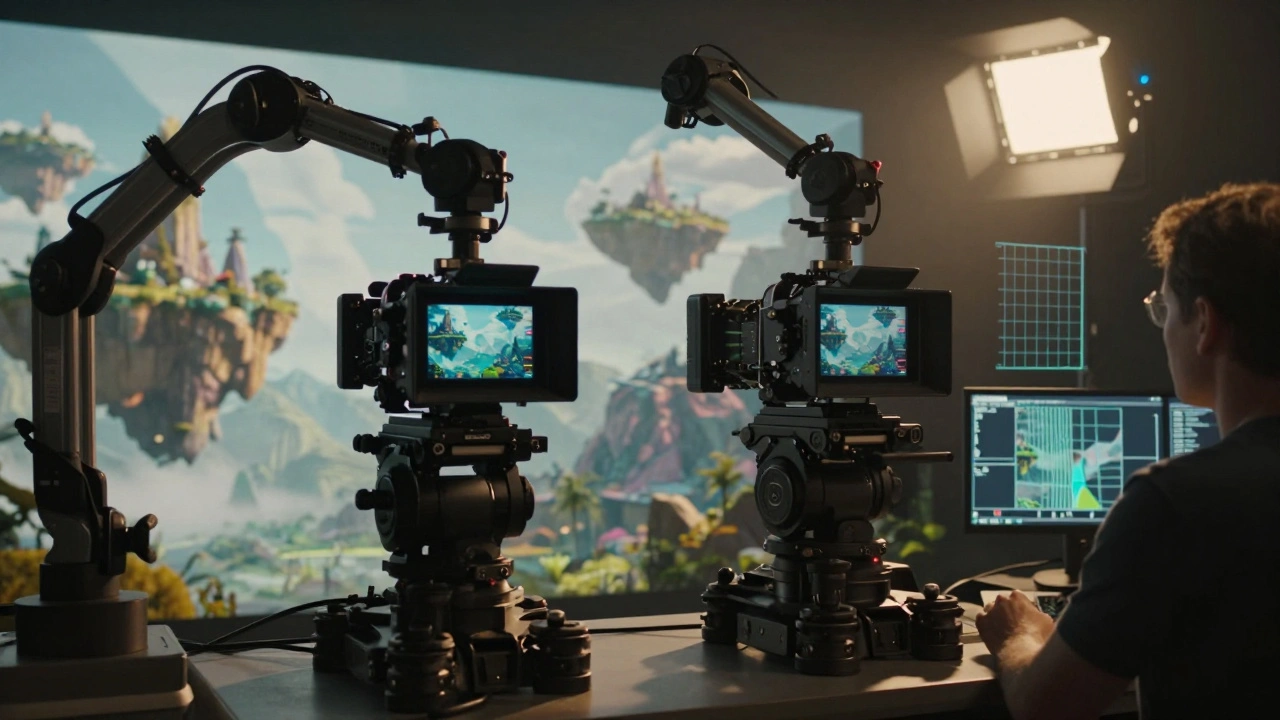
Stereoscopic 3D isn’t magic. It’s physics. Two cameras, spaced like human eyes, capture slightly different views of the same scene. When you wear those cheap plastic glasses, your brain merges those two images into one with depth. It tricks your mind into seeing distance - objects pop out, backgrounds recede. It’s not new. The first 3D film screened in 1922. But modern digital cameras and projectors made it cheap enough for studios to slap it onto any big-budget movie.
But here’s the catch: most 3D films don’t earn back the extra cost. Adding 3D to a production can add $5-$15 million to the budget. Theaters charge $3-$5 more per ticket, but only about 20% of audiences choose 3D. That means studios are spending millions to please a small group - unless the 3D actually adds something real.
When 3D Works: The Right Kind of Story
Not all films need 3D. But some absolutely benefit from it. The key is depth as a narrative tool, not just a visual trick.
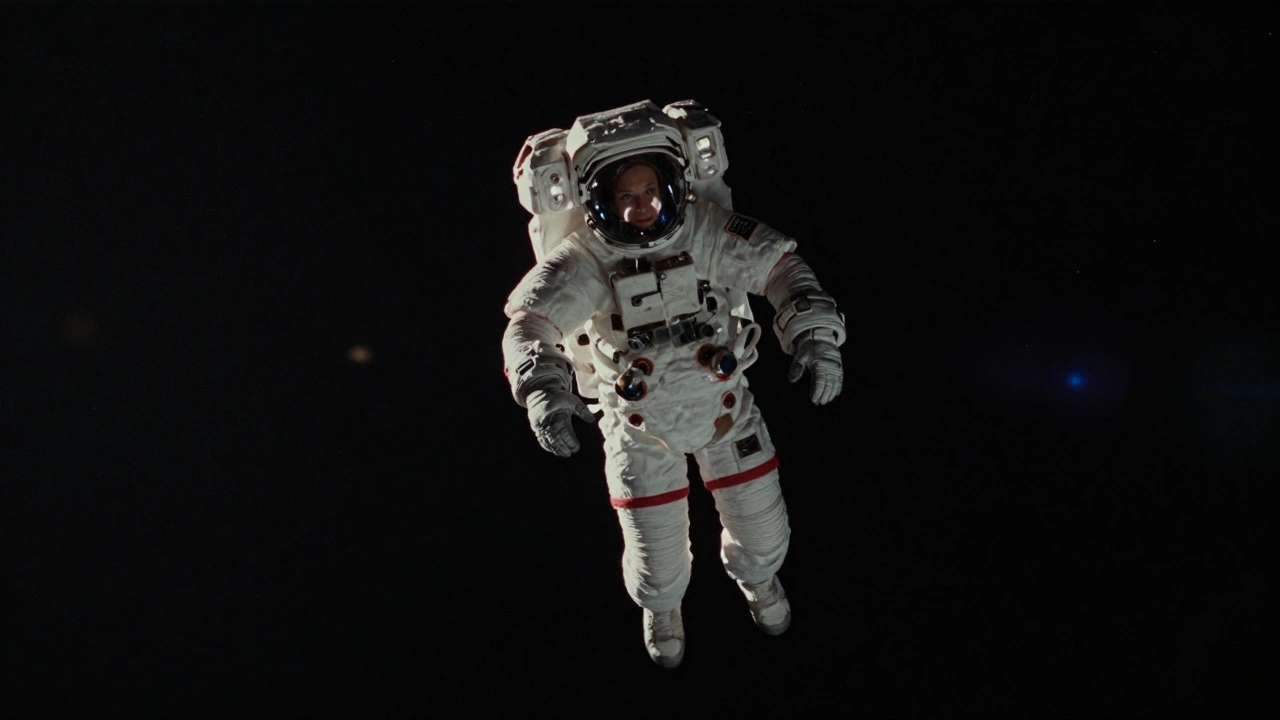
Think of Gravity (2013). Alfonso Cuarón didn’t use 3D to make space rocks fly at your face. He used it to make you feel the terrifying emptiness around Sandra Bullock’s character. The silence, the infinite black - 3D made the void feel tangible. You didn’t just watch her float; you felt how small she was in that space. That’s depth as emotion.
Same with The Hobbit trilogy. Peter Jackson shot it at 48fps with 3D to create a hyper-real sense of scale. When Bilbo walks through Rivendell, you don’t just see the arches - you feel the height, the distance between pillars, the weight of stone. It wasn’t about dragons bursting out of the screen. It was about immersion in a world that felt physically real.
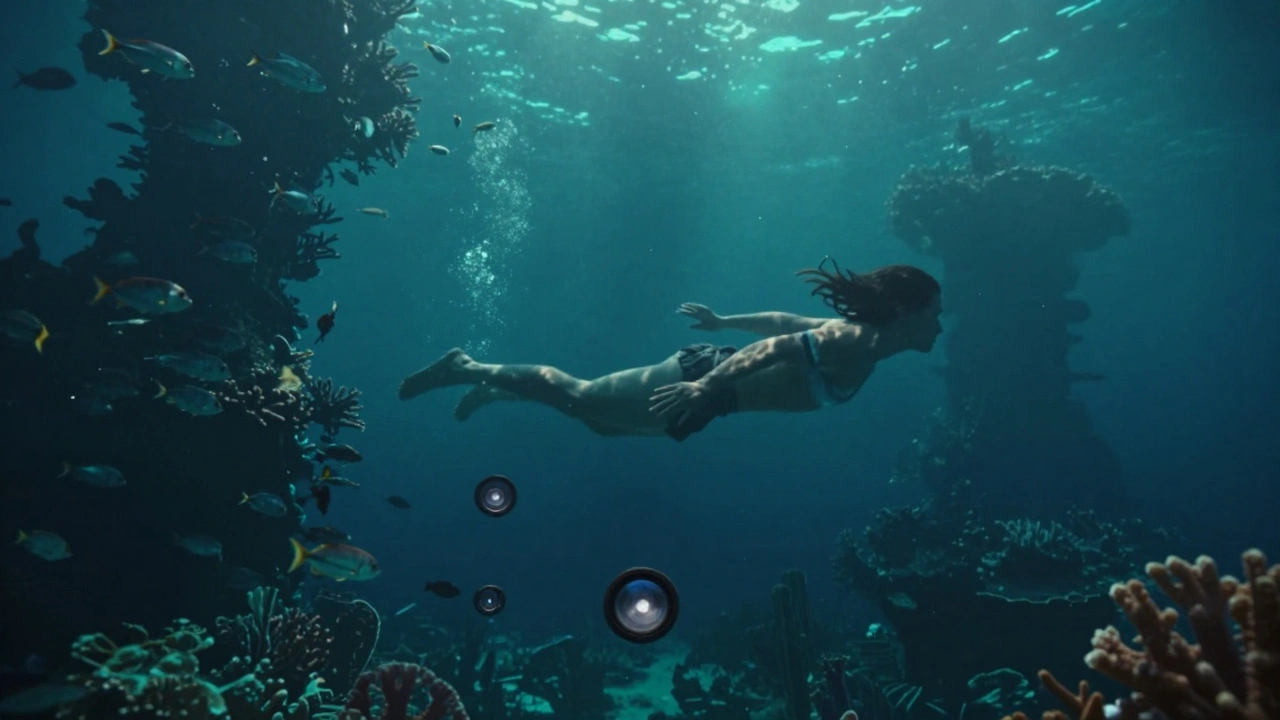
And then there’s Life of Pi. Ang Lee used 3D to make the ocean feel alive. Waves didn’t just roll - they curled, crashed, and swallowed the lifeboat. The 3D didn’t exaggerate the water; it gave it mass, texture, and menace. That’s when 3D becomes part of the storytelling, not a side effect.
When 3D Fails: The Common Mistakes
Most 3D films fail because they treat it like a filter - turn it on and forget it.
Take Transformers: Dark of the Moon. Every explosion, every robot punch, every flying car was shoved toward the audience. The result? A headache. The 3D wasn’t designed - it was dumped. The camera never moved with intention. It just zoomed and zoomed again, making the depth feel random, not controlled.
Another mistake? Poor conversion. Many studios don’t shoot in native 3D. They film in 2D and add depth in post. That’s like coloring a black-and-white photo with a crayon. The result is flat, unnatural, and often blurry. Clash of the Titans (2010) and Alice in Wonderland (2010) are textbook examples. The 3D looked like it was pasted on. Audiences noticed. And they stopped paying extra.
And let’s not forget the glasses. They dim the image. They fog up. They slip off. They’re uncomfortable. If the 3D doesn’t give you a reason to tolerate all that, why bother?
Modern 3D: The New Rules
Today, 3D isn’t about volume - it’s about precision. Directors who use it well follow three rules:
- Depth is intentional. Every object in the foreground, midground, and background has a reason to be there. The camera moves to reveal space, not to shove things at you.
- Convergence is controlled. The point where the two camera images meet should match where the viewer’s eyes naturally focus. Too much convergence - like objects popping out too far - causes eye strain.
- It’s shot, not added. Native 3D filming with dual cameras is still the gold standard. Post-conversion is a last resort - and only if the original footage has strong depth cues.
Look at Avatar: The Way of Water (2022). Cameron didn’t just upgrade the tech - he redesigned how 3D works underwater. He used new camera rigs that could handle pressure and motion, and he adjusted the interaxial distance (the space between the two lenses) to match how human eyes see underwater. The result? A film where water feels thick, heavy, and alive. You don’t just see the ocean - you feel its resistance.
What About Streaming and Home Viewing?
Home 3D TVs are dead. Most smart TVs don’t support 3D anymore. Even Netflix and Disney+ dropped their 3D libraries. Why? Because watching 3D on a 55-inch screen with glasses is a chore. The depth effect shrinks. The immersion drops. The glasses become a nuisance.
But here’s the twist: 3D isn’t dying - it’s changing. Some filmmakers are using 3D data to create better VFX. The depth maps from 3D shoots help CGI artists place digital characters in real space more accurately. Even if the final cut is 2D, the 3D capture helps the visual effects look more real.
And in VR, 3D is essential. Virtual reality is just stereoscopic 3D with head tracking. The same tech that made Avatar work is now powering Oculus and Apple Vision Pro. So while 3D movies may be fading from theaters, the technique is evolving into something else.
Should You Use 3D in Your Next Film?
If you’re making a movie, ask yourself these questions:
- Does the story rely on space, scale, or physical presence? (e.g., deep oceans, vast landscapes, towering architecture)
- Can the 3D enhance emotion, not just spectacle?
- Do you have the budget for native 3D shooting - not conversion?
- Will the 3D be worth the extra cost, time, and audience inconvenience?
If the answer is yes to all four - then go for it. But if you’re just adding 3D because everyone else did? Don’t. It’ll cost you more than it gives back.
3D isn’t dead. It’s just selective. The best 3D films don’t scream. They whisper. They don’t punch you in the face - they pull you into the world. And that’s the only reason it should ever exist.
Is stereoscopic 3D still used in major films today?
Yes, but sparingly. Major studios only use it when the story demands it - like in James Cameron’s Avatar: The Way of Water or Alfonso Cuarón’s Gravity. Most blockbusters now release in 2D only, since audiences have stopped paying extra for 3D unless it’s truly immersive.
Why do some 3D movies give people headaches?
Headaches usually come from poor 3D design. If the camera pushes objects too far out of the screen, or if the depth is inconsistent, your eyes struggle to focus. This is common in post-converted 3D films where depth was added digitally without proper planning. Native 3D shooting with controlled convergence reduces this issue.
Can 3D be added in post-production?
Yes, but it’s not ideal. Post-conversion adds depth to 2D footage using software, but it often looks flat, artificial, or blurry. It lacks the natural parallax of real 3D capture. Studios use it to save money, but audiences notice the difference. Native 3D shooting with dual cameras remains the best method.
Do I need special equipment to watch 3D films at home?
Technically yes - a 3D-compatible TV, a 3D Blu-ray player, and active shutter glasses. But most modern TVs no longer support 3D, and streaming services have removed 3D content. Watching 3D at home is now impractical for most viewers, which is why studios focus on theater-only releases - if they release it at all.
Is 3D better for action movies or dramas?
It’s not about genre - it’s about space. Action movies often misuse 3D with chaotic, fast cuts that make depth feel random. But dramas like Gravity or Life of Pi use 3D to deepen emotion by emphasizing isolation, scale, or environment. The best 3D enhances mood, not motion.



Comments(5)