What makes a film about an artist truly stick with you?
It’s not just the brushstrokes or the final masterpiece. It’s the silence before the first stroke. The frustration of tearing up a canvas at 3 a.m. The way a musician stares out a window, waiting for a melody that won’t come. The best films about artists don’t glorify genius-they show the mess behind it. They let you see the doubt, the obsession, the loneliness, and the quiet triumphs that no gallery label ever captures.
These aren’t biopics dressed up in period costumes. They’re intimate portraits of people who create because they have to, not because they’re famous. The art in these films isn’t just something you see on screen-it’s the reason the story exists.
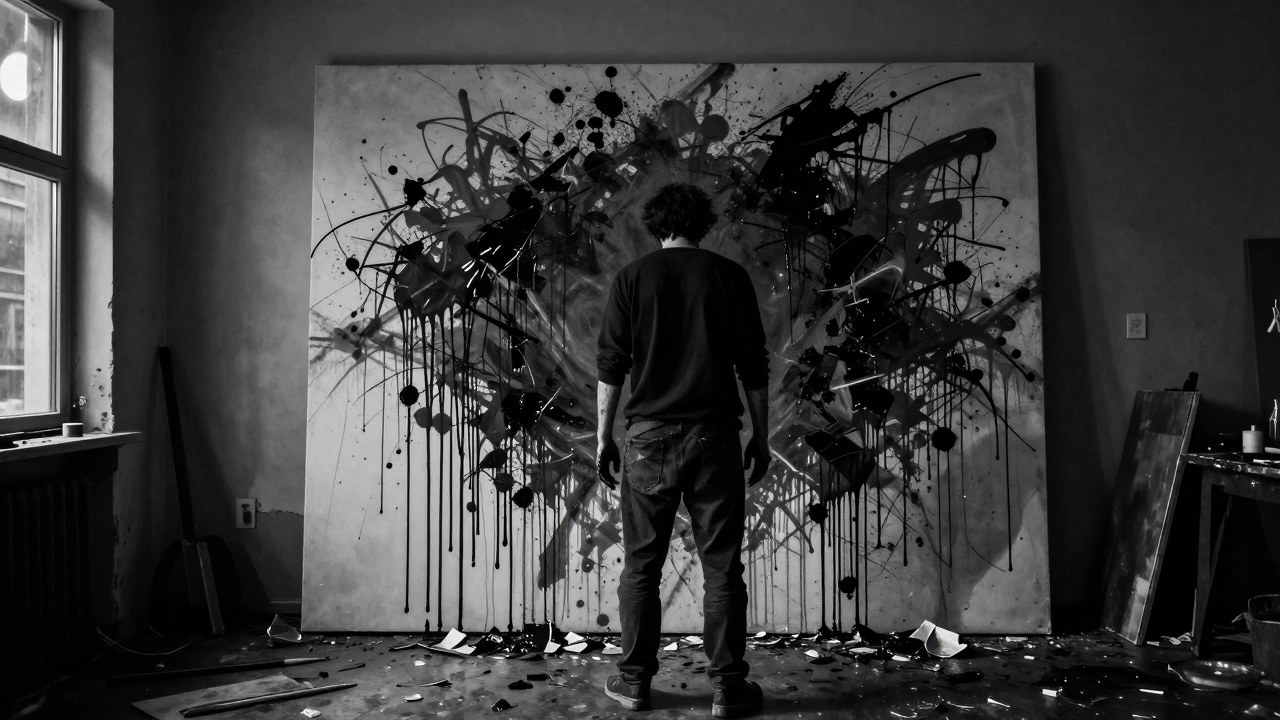
Pollock (2000): The Storm Inside the Canvas
Ed Harris doesn’t just play Jackson Pollock-he becomes the chaos that fueled his drip paintings. The film doesn’t romanticize his alcoholism or his fame. It shows how his art was a way to hold himself together when everything else fell apart. There’s a scene where he smashes a glass, then stares at his trembling hands. Minutes later, he’s flinging paint across a huge canvas like he’s trying to scream without sound. That’s the creative process: not inspiration, but survival.
The film’s black-and-white cinematography mirrors Pollock’s inner world-sharp contrasts, no middle ground. It doesn’t explain his art. It makes you feel it. You don’t need to know Abstract Expressionism to understand the weight of his silence, or the terror of standing in front of a blank canvas for days.
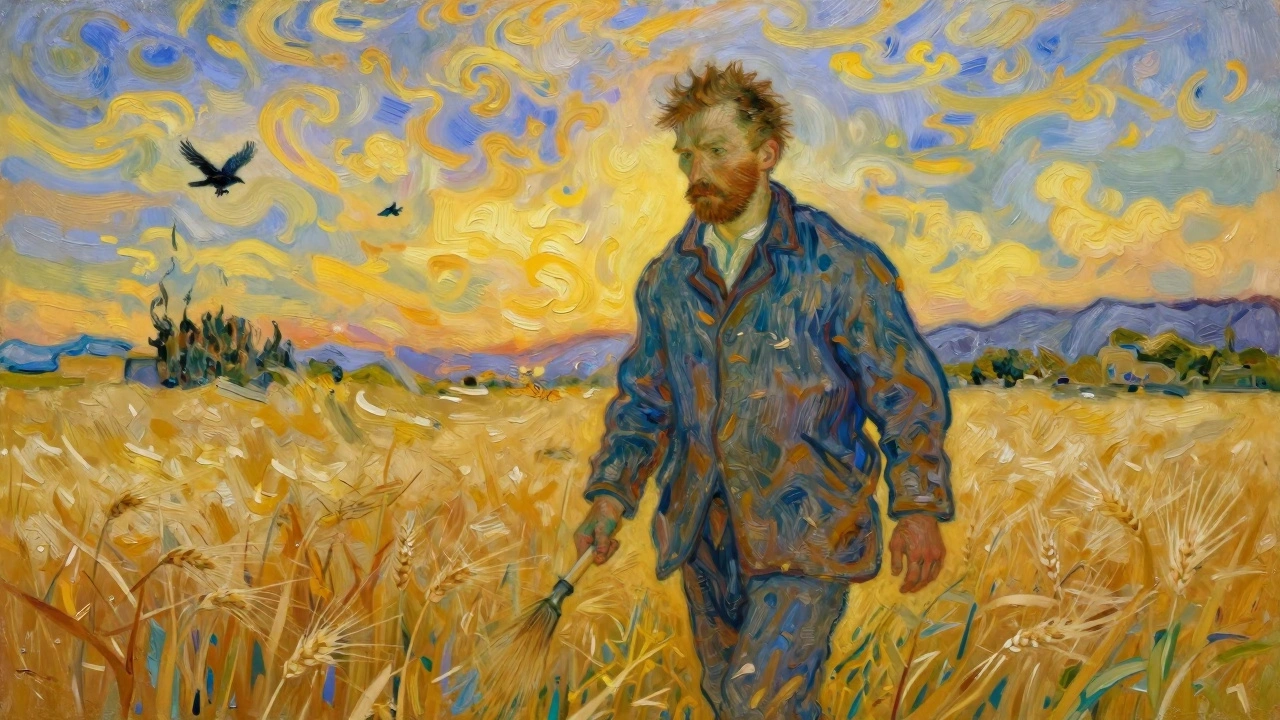
At Eternity’s Gate (2018): Van Gogh’s Colors Were His Only Comfort
Willem Dafoe doesn’t act as Vincent van Gogh-he lives inside him. The film strips away the myth of the tortured genius and shows a man who saw the world differently because his mind couldn’t shut off. He paints because the world is too loud, too bright, too beautiful to ignore. He paints the wheat fields, the stars, the crows-not to be remembered, but to breathe.
Director Julian Schnabel uses handheld cameras and natural light to mimic Van Gogh’s brushwork. The camera doesn’t just follow him-it trembles with him. You hear his heavy breathing as he walks through fields. You see the way he stares at a tree, not as a subject, but as a living thing that speaks to him. The film doesn’t show his suicide. It shows the quiet moment before it: him sitting alone, painting the sky, as if trying to hold onto color before the darkness takes it.
Basquiat (1996): Graffiti as a Lifeline
Jeffrey Wright’s performance as Jean-Michel Basquiat is raw, electric, and heartbreaking. The film doesn’t sugarcoat his rise from street artist to art world sensation. It shows how he used paint to scream against racism, poverty, and the emptiness of fame. Every stroke on his canvases was a question: Who am I? Why am I here? Does anyone see me?
Basquiat’s art wasn’t about technique-it was about urgency. The film captures that. You see him painting on walls, on shirts, on scraps of cardboard. He doesn’t wait for permission. He doesn’t wait for a studio. He creates because not creating would kill him faster than any drug. The soundtrack pulses with jazz and noise, mirroring his mind. By the end, you don’t just understand his art-you understand why he needed to make it.
Amadeus (1984): Genius as a Curse, Not a Gift
It’s easy to think of Mozart as the child prodigy in the wig. But Amadeus turns him into a wild, vulgar, brilliant force of nature. The film isn’t really about music-it’s about envy, power, and the cost of creation. Salieri, the jealous court composer, narrates the story. He watches Mozart compose as if the music pours out of him like air. No drafts. No struggle. Just pure, unfiltered genius.
That’s what terrifies Salieri-and what makes the film so powerful. Mozart doesn’t suffer for his art. He suffers because his art is too easy. He doesn’t fight to create. He fights to be understood. The film shows the dark side of creativity: when your gift isolates you. When people worship your work but don’t know the person behind it. When the world wants your genius but refuses to see your pain.
The Postman Always Rings Twice (1981): Art as a Lie You Live
Not every artist paints or plays music. Some create personas. In this film, the lead character, Frank, is a drifter who becomes a painter-not because he’s talented, but because he needs to be someone else. He doesn’t paint to express himself. He paints to escape himself. The film uses art as a metaphor for identity: what happens when you spend your life pretending to be someone you’re not?
It’s a rare film that connects the creative process to deception. Frank’s paintings are fake. His life is fake. But the emotions behind them? Real. The film asks: Is art still art if it’s not true? And if you build a life on lies, does the truth still matter?
Still Life (2013): The Quiet Art of Letting Go
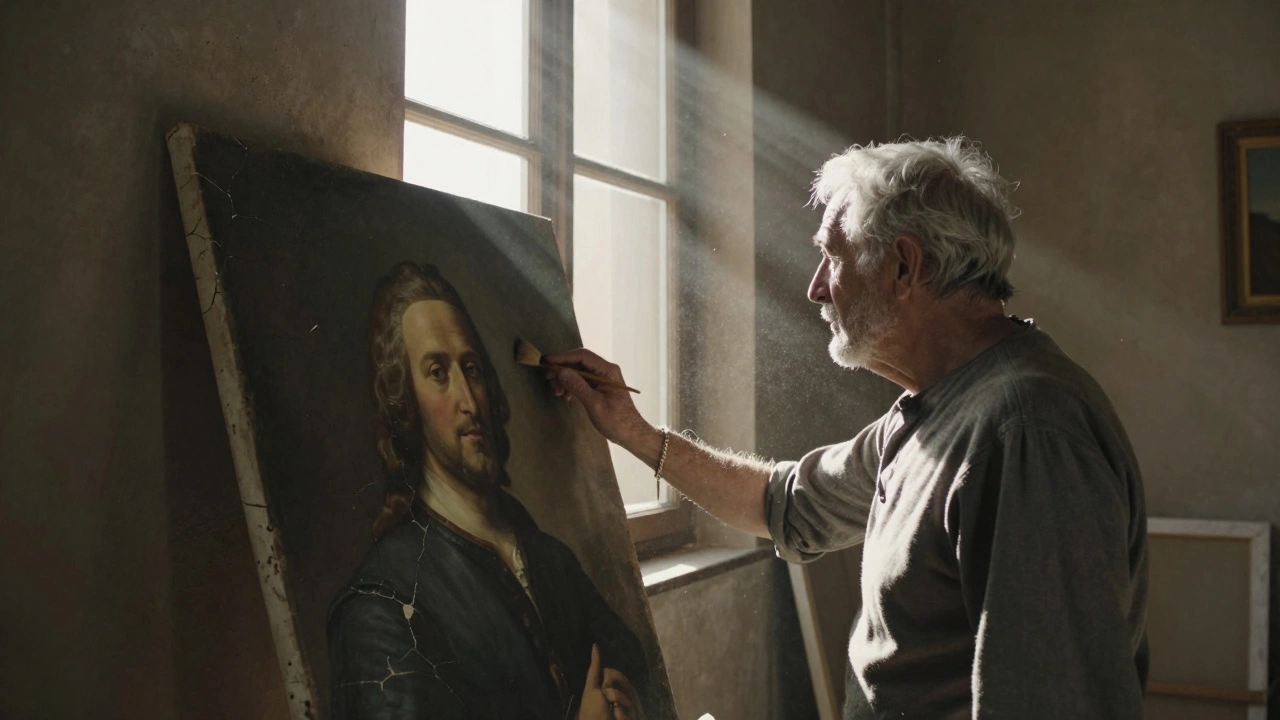
Set in rural Italy, this film follows a retired art restorer who spends his days fixing old paintings in a crumbling villa. He doesn’t create anymore. He repairs. But every brushstroke on a 300-year-old portrait brings back memories of his own lost work, his failed marriage, his silence. He doesn’t speak much. But you feel every regret in the way he holds a brush, the way he hesitates before touching a cracked face.
The film’s pace is slow, almost meditative. It doesn’t need music. The sound of a brush on canvas, the creak of a wooden chair, the wind through an open window-it’s all the soundtrack you need. This isn’t a film about becoming an artist. It’s about what happens when you stop creating, but never stop feeling it.
What These Films Have in Common
These six films don’t follow the same formula. But they all share one truth: creativity isn’t about talent. It’s about compulsion. The artists in these stories don’t choose to create. They’re chosen by it. The canvas doesn’t ask if they’re ready. The instrument doesn’t care if they’re tired. The world doesn’t wait for them to heal.
You’ll notice something else: none of these films show the moment of breakthrough. No one suddenly finds the perfect color, the right note, the final line. Instead, they show the days in between-the failures, the doubts, the walks in the rain, the empty rooms. That’s where real art lives.
Why These Films Matter Now
In a world that celebrates instant success-TikTok virality, AI-generated art, quick monetization-these films are a quiet rebellion. They remind us that creativity isn’t a product. It’s a process. A messy, painful, beautiful process that doesn’t always lead to fame. Sometimes, it just leads to another day of showing up.
These films aren’t about making art. They’re about why we keep making it, even when no one’s watching. Even when it hurts. Even when we don’t understand why.
Final Thought: The Real Masterpiece Isn’t the Painting
It’s the act of making it. The trembling hand. The midnight coffee. The third time you start over. The quiet pride when you finally sleep, knowing you didn’t give up.
That’s what these films capture. Not the gallery walls. Not the auction prices. Not the headlines.
Just the human being, alone, trying to say something true.
Are these films accurate portrayals of real artists?
Some are based on real people-like Pollock, Van Gogh, and Basquiat-but they’re not documentaries. These films take creative liberties to explore emotional truths, not historical facts. For example, Amadeus exaggerates Salieri’s jealousy for dramatic effect. Still Life isn’t about a real artist-it’s a fictional story that feels real because it captures the quiet exhaustion and beauty of artistic life. What matters isn’t accuracy-it’s honesty.
Do I need to know about art to enjoy these films?
No. You don’t need to know the difference between Impressionism and Expressionism. You don’t need to recognize a Picasso from a Monet. These films work because they’re about people, not paintings. You feel the loneliness, the obsession, the joy-regardless of whether you’ve ever held a brush. If you’ve ever worked on something that didn’t pay, didn’t get praised, but you kept doing it anyway-you already understand these stories.
Why are so many artist films dark or tragic?
Because creation often comes with sacrifice. The most powerful stories aren’t about success-they’re about struggle. Artists in these films aren’t shown as heroes. They’re shown as flawed, broken, and human. Their pain isn’t a plot device-it’s part of the process. The darkness makes the moments of beauty sharper. A single brushstroke in silence means more when you’ve seen the years of doubt that came before it.
Are there any recent films about artists from 2024 or 2025?
Yes. In 2024, Chroma followed a street artist in Berlin who uses augmented reality to paint on abandoned buildings, blending digital and physical art. In early 2025, The Last Palette debuted at Sundance, telling the story of an elderly abstract painter in rural New Mexico who refuses to sell her work, even as her health fades. These newer films continue the tradition-not by glorifying fame, but by honoring the quiet, daily act of making something that matters.
What if I’m an artist myself-will these films help me?
They might. Not by giving you advice, but by reminding you you’re not alone. If you’ve ever stared at a blank page for hours, or deleted a draft because it didn’t feel right, these films will nod at you in silence. They won’t tell you to keep going. But they’ll show you others who did-and that’s often enough.



Comments(7)