
What makes a movie feel like it’s asking you a question you can’t answer?
You walk out of a film like Persona or The Seventh Seal and sit in your car for ten minutes just staring at the steering wheel. No one speaks. The credits have rolled, but the movie hasn’t left you. It’s not because of special effects or a twist ending. It’s because the film didn’t give you answers - it gave you questions that stick. That’s existential cinema. It doesn’t entertain. It unsettles. It doesn’t solve. It reflects.
Existential themes in film aren’t about big speeches on the meaning of life. They’re quiet moments: a man staring at a blank wall, a woman choosing silence over explanation, a child asking why the sky is blue and getting no reply. These films don’t tell you what to think. They make you feel the weight of being alive without a map.
Existentialism isn’t theory - it’s the silence between lines
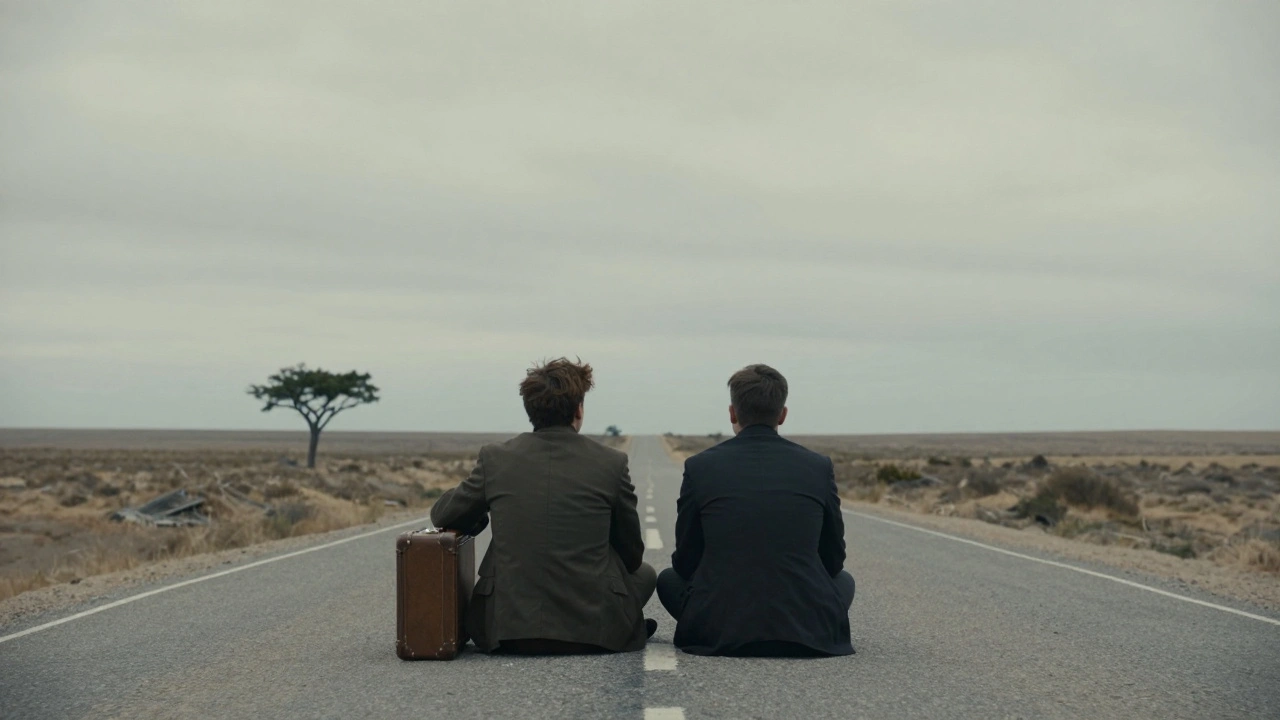
Existential philosophy, from Kierkegaard to Camus to Simone de Beauvoir, isn’t about abstract ideas. It’s about what happens when you realize no one’s writing your script. You’re free - and that’s terrifying. Cinema captures this better than books because it shows, not tells. In Waiting for Godot (adapted for screen), two men wait for someone who never comes. They talk. They argue. They do nothing. And yet, you recognize them. You’ve waited. For a call that never came. For a job that never materialized. For a sign that everything’s going to be okay. It never does. And that’s the point.
These films don’t need philosophy professors to make sense. They need people who’ve sat in a hospital waiting room, stared at a broken relationship, or felt completely alone in a crowded city. That’s where existential cinema lives - not in lecture halls, but in the spaces between breaths.
Isolation isn’t loneliness - it’s the human condition
In Shutter Island, Leonardo DiCaprio’s character hunts for truth, but the truth is that he’s the one who’s lost. The island isn’t a prison. It’s his mind. The film doesn’t show a villain. It shows a man who can’t face himself. That’s existential isolation: not being physically alone, but being cut off from your own reality.
Compare that to Stalker by Tarkovsky. A guide leads two men through a forbidden zone where wishes come true. But when they get there, they can’t bring themselves to make a wish. Why? Because they know the truth: if you could have anything, you wouldn’t know what to ask for. The zone doesn’t kill you. It reveals you. And that’s worse.
Modern films like Her or Manchester by the Sea do the same. In Her, a man falls in love with an AI because human connection feels too messy. In Manchester by the Sea, grief isn’t healed - it’s carried. There’s no redemption arc. No uplifting music. Just a man who wakes up every day and chooses to keep breathing, even though he doesn’t know why.
Freedom isn’t liberation - it’s responsibility
Existential films don’t celebrate freedom. They bury you under it. In Fight Club, the narrator thinks he’s breaking free from consumerism. But he’s just trading one cage for another - one made of rage and chaos. True freedom, these films say, isn’t about doing what you want. It’s about owning what you do.
That’s why Waking Life feels so strange. It’s animated. It’s full of philosophers talking about free will. But the main character doesn’t choose anything. He drifts. And that’s the point. Most people don’t make big decisions. They react. They follow routines. They let life happen. Existential cinema forces you to ask: are you living - or just waiting for something to change?
In Ikiru, a dying bureaucrat finally decides to do something meaningful. He spends his last weeks building a playground for children. He doesn’t get praised. He doesn’t get a statue. He dies alone. But for the first time, he’s alive. That’s the existential twist: meaning isn’t found. It’s made. And you’re the only one who can make it.
Why do these films haunt us years later?
Most movies are forgotten by Monday. But Blade Runner 2049 still sits with you. Why? Because it doesn’t ask if the robot is real. It asks if you are. The protagonist, K, searches for his origin. He wants to know if he’s special. In the end, he finds out he’s not. And that’s the moment the film becomes real. You realize you’ve been searching for the same thing - a reason you matter. The answer isn’t in your birth certificate, your job title, or your social media likes. It’s in what you choose to do with the time you have.
These films work because they don’t lie. They don’t promise that love fixes everything. They don’t say death is beautiful. They don’t tell you to follow your passion. They show you the emptiness - and then they ask: what now?
What do these films tell us about today?
In 2025, we’re more connected than ever. Yet loneliness is at an all-time high. We scroll through feeds filled with curated joy, while inside, we feel hollow. Existential cinema doesn’t offer escape. It offers recognition. It says: you’re not broken. You’re awake.
Look at Parasite. The poor family tricks their way into a rich home. But the real horror isn’t the violence. It’s the silence. The rich don’t hate the poor. They don’t even notice them. They live in a world where meaning is bought - wine, art, sunlight. The poor live in a world where meaning is earned by simply surviving. The film doesn’t judge. It shows. And you see yourself in both.
Modern life doesn’t give us myths to live by. No gods. No kings. No clear rules. We’re left to build meaning from scraps: a job, a relationship, a hobby. Existential films remind us that’s enough. Not because it’s perfect. But because it’s ours.
Where do you go after watching one of these films?
You don’t need to change your life. You don’t need to move to a cabin in the woods. You don’t need to read Sartre. You just need to stop pretending you have all the answers.
Try this: next time you feel lost, don’t reach for your phone. Sit with it. Ask yourself: what am I avoiding? What am I afraid to admit? You might not get an answer. But for the first time in a long time, you’ll be honest. And that’s the only kind of meaning that lasts.
These films aren’t about philosophy. They’re about being human. And in a world that tells you to be productive, happy, and optimized, sometimes the most radical thing you can do is sit quietly and admit: I don’t know. And that’s okay.
What movies best represent existential themes?
Films like The Seventh Seal, Persona, Ikiru, Stalker, Manchester by the Sea, Her, and Blade Runner 2049 are often cited for their deep existential themes. These films focus on isolation, freedom, meaninglessness, and the burden of choice without offering easy resolutions.
Do you need to understand philosophy to enjoy these films?
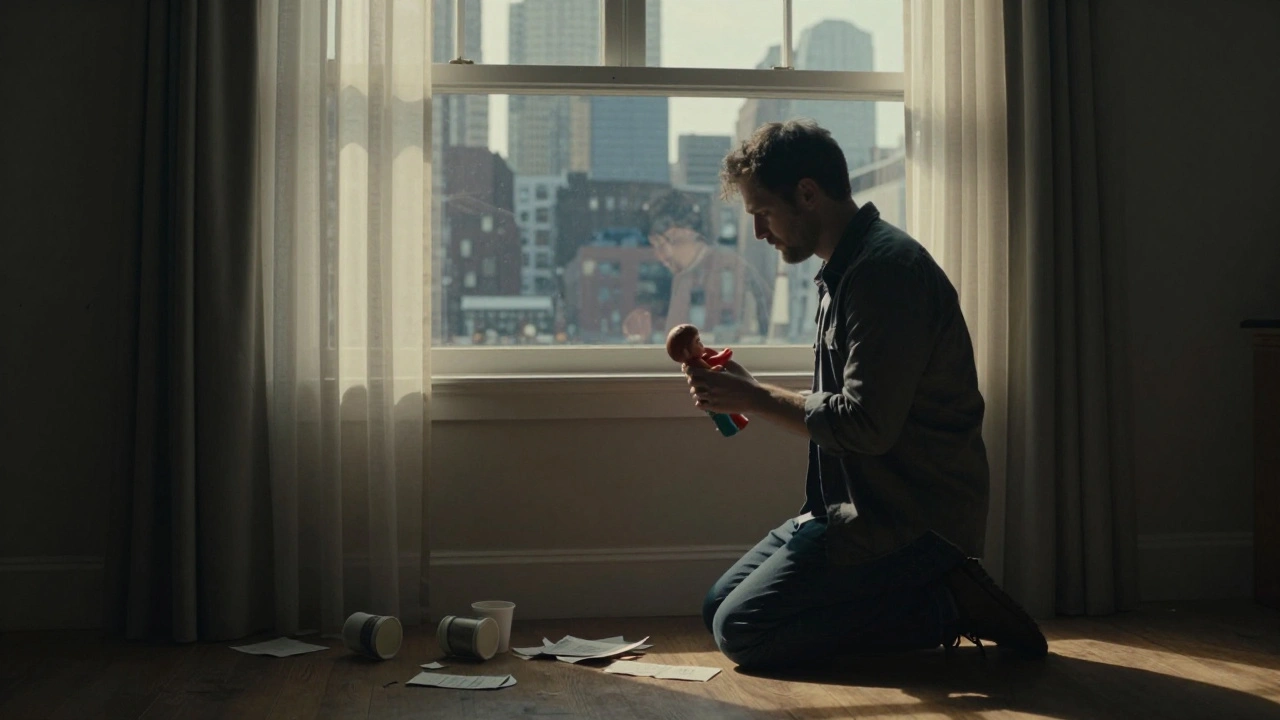
No. You don’t need to have read Camus or Sartre to feel the weight of a character staring out a window, wondering why they’re still alive. These films speak through images, silence, and emotion - not theory. Philosophy helps you name what you’re feeling, but you don’t need the name to feel it.
Why are existential films often slow or boring to some viewers?
Because they reject the idea that every moment must be filled with action or plot. They use silence, long takes, and ambiguity to mirror real life - where most of what matters happens between events. If you’re used to movies that solve problems in 90 minutes, these films can feel frustrating. But that frustration is part of the point.
Are existential films always depressing?
Not necessarily. They’re honest. And honesty can be freeing. Ikiru ends with a man dying, but he dies having done something real. Her ends with loss, but also with quiet acceptance. These films don’t promise happiness. They offer presence - and that can be deeply comforting.
Can a superhero movie be existential?
Yes - if it asks the right questions. The Dark Knight isn’t about catching a clown. It’s about whether order is worth sacrificing freedom for. Logan isn’t about a mutant’s last fight. It’s about a man who’s tired of being a hero and doesn’t know who he is without the cape. Superhero films can be existential when they focus on identity, burden, and meaning, not just power.







Comments(7)