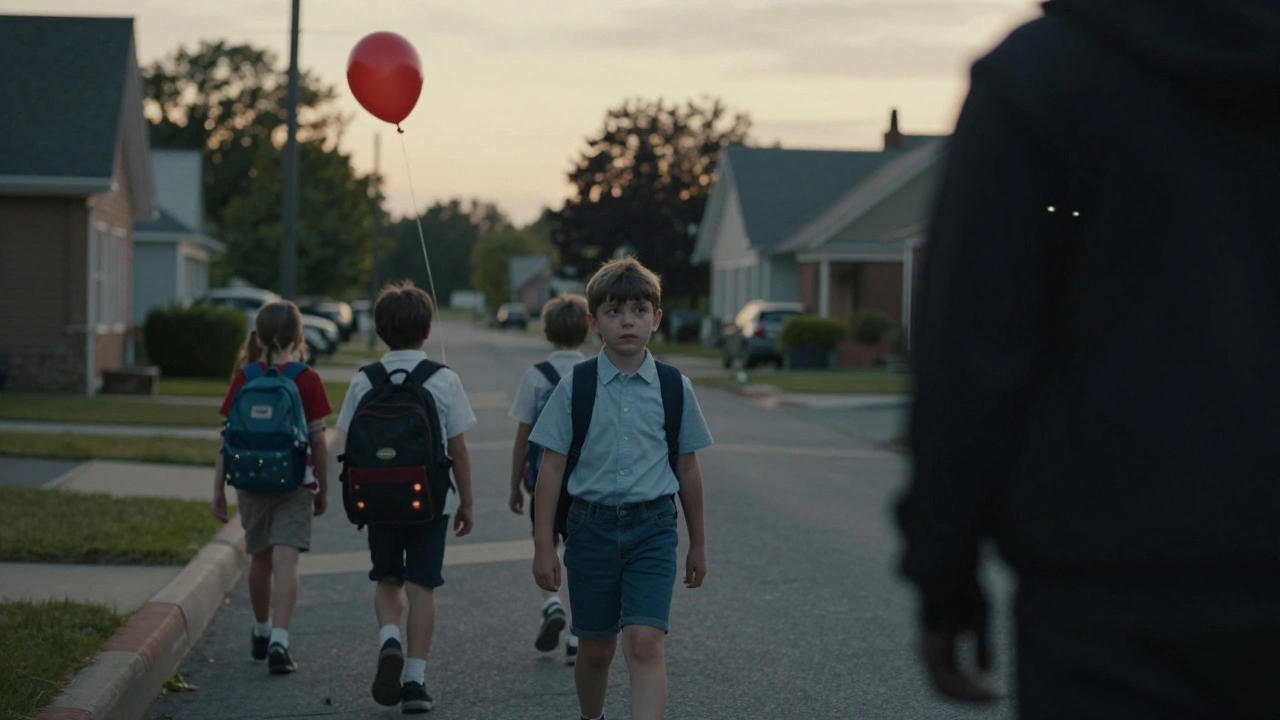
Stephen King has written over 60 novels and 200 short stories. That’s more than enough material for Hollywood to keep mining for decades. And they have. Since the 1970s, more than 100 film and TV adaptations of his work have hit screens. Some became cultural landmarks. Others vanished without a trace. The difference? It’s not about the book’s popularity. It’s about who’s behind the camera, how much they respect the source, and whether they understand what makes King’s stories stick.
What Makes a Stephen King Adaptation Work?
Not every King story needs ghosts or clowns to scare you. The real horror lives in the quiet moments - a father losing control, a小镇’s secret, a child seeing something no one else believes. The best adaptations don’t just show the monster. They show the person before the monster shows up.
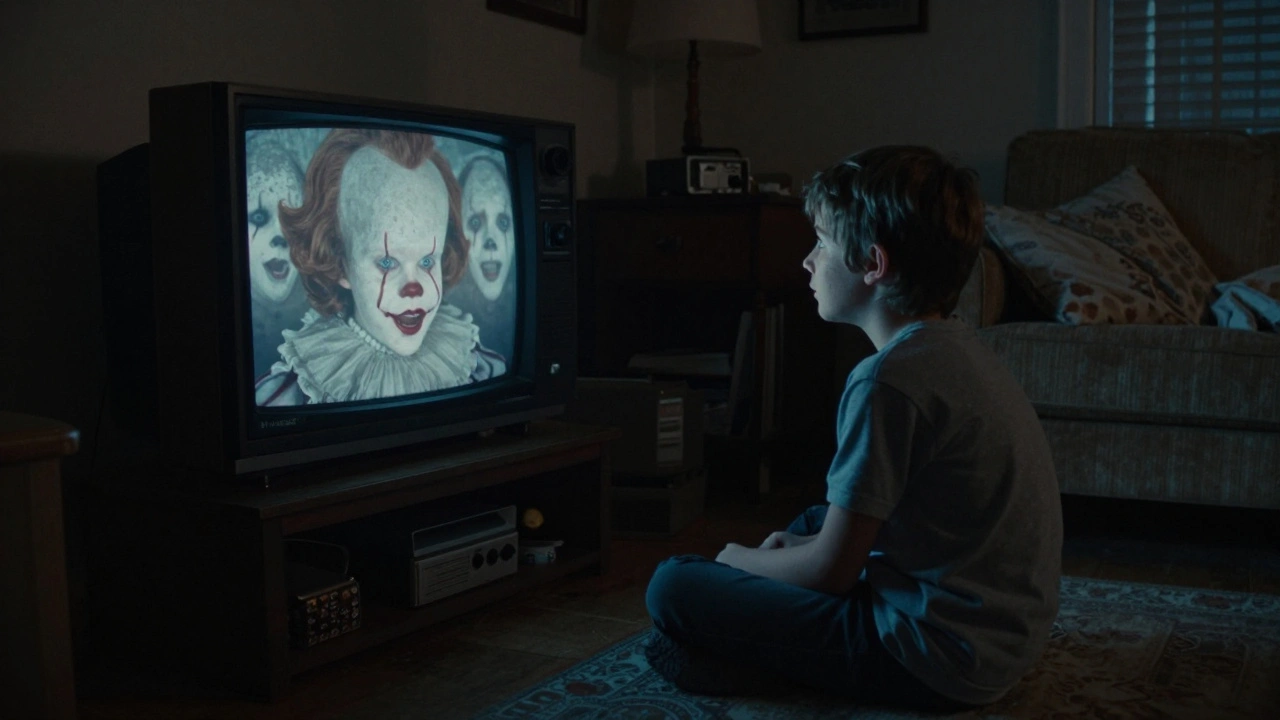
Take It (1990). It’s a two-part miniseries, made for TV, with a budget that couldn’t buy a decent CGI spider. Yet it’s still the most haunting version of Pennywise. Why? Because it focused on the kids. Their fear, their friendships, their silence. The actors weren’t stars - they were kids who felt real. That’s what made it work. The monster was secondary. The trauma was the point.
Compare that to It Chapter Two (2019). Big budget. Big effects. Big stars. But the adult versions of the Losers’ Club felt like actors playing roles, not people haunted by their past. The film spent so much time showing the clown it forgot why we cared about him in the first place.
Most Successful Adaptations
Some adaptations didn’t just succeed - they became part of pop culture DNA.
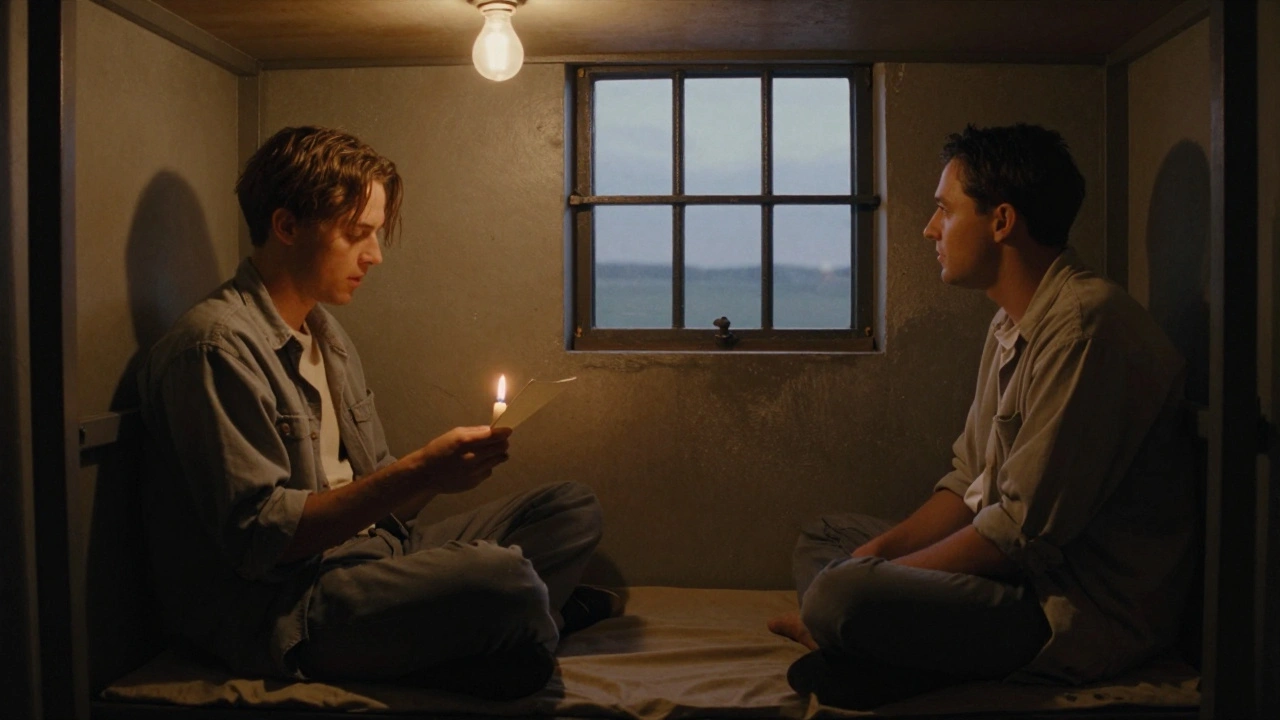
- The Shawshank Redemption (1994) - Based on the novella Rita Hayworth and Shawshank Redemption. No monsters. No blood. Just a story about hope, patience, and human dignity. It didn’t even make the top 10 at the box office when it came out. Now it’s #1 on IMDb. That’s the power of a well-told story.
- The Stand (1994 miniseries) - A 6-hour epic about a post-apocalyptic world after a deadly flu. It had a huge cast, including Gary Sinise and Molly Ringwald. Critics called it slow. Fans called it perfect. It stayed true to King’s sprawling, messy, human vision. That’s why it still gets watched today.
- Carrie (1976) - Brian De Palma’s debut horror hit. Sissy Spacek’s performance as the bullied teen with telekinetic powers is still the gold standard. The prom scene? Still gives people chills. It worked because it didn’t overdo the supernatural. It let the cruelty of high school do the real damage.
- 11/22/63 (2016 Hulu series) - A time-travel story about preventing JFK’s assassination. It was a slow burn, with no monsters or ghosts. Just a man trying to fix history. It stayed faithful to King’s emotional core: the cost of changing the past. It’s one of the few King adaptations that feels like a novel on screen.
- Doctor Sleep (2019) - The sequel to The Shining. Mike Flanagan, who also did The Haunting of Hill House, understood that the real horror wasn’t the Overlook Hotel. It was addiction, grief, and the fear of becoming your worst self. Ewan McGregor’s performance as a grown-up Danny Torrance was quiet, broken, and real.
Most Failed Adaptations
Some King adaptations don’t just fail - they make you wonder how they got greenlit.
- It Comes at Night (2017) - Not even a King story. But it was marketed as one because the title sounded like a King novel. It’s a low-budget indie film with no connection to any of his books. This one’s a scam. Don’t waste your time.
- The Dark Tower (2017) - A mess. It tried to cram eight books into 90 minutes. The tone shifted from Western to sci-fi to fantasy without warning. Idris Elba was wasted as Roland. Matthew McConaughey played the Man in Black like he was in a bad Marvel movie. Fans were furious. Critics were cruel. It made $20 million worldwide against a $60 million budget.
- Christine (1983) - A car that kills people? Sounds fun. But the movie turned it into a cheesy teen romance with a possessed car. The book’s real horror was about obsession, isolation, and how easily people give up their humanity. The movie turned it into a monster truck flick.
- Hearts in Atlantis (2001) - A quiet, emotional story about a boy who discovers telepathy in the 1960s. The film added a love triangle, a war flashback, and a fake villain. It turned King’s meditation on loss and innocence into a generic coming-of-age drama.
- The Tommyknockers (1993 miniseries) - Based on King’s most divisive novel. The book was about alien tech slowly turning a town into zombies. The miniseries had terrible effects, wooden acting, and a plot that made no sense. Even King later said he wished he’d never written it. The adaptation didn’t help.
Why Do So Many Adaptations Fail?
King’s stories are long. Complex. Full of characters you grow to love. Hollywood wants quick hits. They cut the middle. They remove the slow build. They replace psychological terror with jump scares.
Take Needful Things. The book is about a shopkeeper who sells people their deepest desires - and collects their souls in return. It’s a slow unraveling of a town’s morality. The 1993 movie turned it into a horror comedy with a guy in a mask. No nuance. No stakes. Just a guy yelling "I’m the devil!"
Another problem? They treat King like a brand, not a writer. Studios think if they slap his name on a poster, it’ll sell. They don’t care if the director even read the book. Some adaptations were made by people who hadn’t read past Carrie.
And then there’s the curse of the remake. The Shining (1980) is one of the most famous horror films ever made. But it’s also one of the most hated by King fans. Stanley Kubrick turned a story about a man breaking down under pressure into a cold, surreal nightmare. King called it "a beautiful snow globe with no snow inside." The 2019 miniseries The Shining on Hulu tried to fix that. It added scenes from the book. It showed Jack’s descent. It gave Wendy and Danny real depth. It was better. But it still couldn’t shake the shadow of Kubrick’s version.
What’s Working Now?
Streaming changed everything. No more 90-minute limits. No more studio interference. Creators can take their time. Mike Flanagan proved that with The Haunting of Hill House, Bly Manor, and Doctor Sleep. He doesn’t just adapt King - he listens to him.
Netflix’s Castle Rock (2018-2019) was a game-changer. It wasn’t based on one book. It wove together characters, locations, and events from dozens of King stories. It didn’t need monsters. It used fear of the past, guilt, and isolation. It was critically acclaimed. And it didn’t even feature a single famous actor.
Amazon’s It Chapter Two was a disaster. But their Locke & Key (2020-2022) - not a King book, but often mistaken for one - showed what’s possible when you trust the story. Same energy. Same tone. Same heart. That’s the model now: respect the soul, not just the surface.
What’s Coming Next?
The next wave of King adaptations is already in motion. Revival is being developed for Hulu. It’s about a minister who discovers a way to bring the dead back to life - with terrible consequences. It’s one of King’s most underrated books. The script is in early stages, but early reports say it’s staying true to the book’s slow, creeping dread.
Also in the works: The Institute, about a secret facility that kidnaps children with psychic powers. And Under the Dome is getting a reboot as a limited series. Both are complex, layered stories. If they get the right team, they could be the next The Stand.
One thing’s clear: the best King adaptations don’t try to be scary. They try to be human. The monster is never the point. The point is what the monster reveals about us.
What Should You Watch First?
If you’ve never seen a King adaptation, start here:
- The Shawshank Redemption - For the story that proves King isn’t just about horror.
- It (1990) - For the most faithful, emotional version of a King classic.
- 11/22/63 - For a slow, thoughtful, deeply human tale.
- Doctor Sleep - For a sequel that actually earns its place.
- Castle Rock - For a series that feels like a King novel, not a movie.
Avoid the ones with "Chapters" in the title unless you’re a diehard fan. They’re often bloated, overproduced, and forget what made the original work.
What is the most successful Stephen King adaptation of all time?
The most successful Stephen King adaptation is The Shawshank Redemption (1994). It wasn’t a box office hit when it came out, but it became the #1 movie on IMDb over time. It’s praised for its storytelling, acting, and emotional depth - and it has no horror elements. Its success proves that King’s power lies in human drama, not just monsters.
Why do so many Stephen King movies fail?
Many King adaptations fail because studios rush them, cut the depth, or misunderstand the source material. King’s stories thrive on slow-burn tension, complex characters, and emotional truth. Hollywood often replaces those with jump scares, big effects, or celebrity casting. The result? A movie that looks like a King story but feels empty.
Is The Shining (1980) a good adaptation?
As a film, Stanley Kubrick’s The Shining is a masterpiece of atmosphere and style. But as an adaptation of King’s novel, it’s deeply flawed. King hated it because it ignored the emotional core: Jack Torrance’s struggle with addiction and fatherhood. Kubrick turned it into a surreal horror film. The 2019 Hulu miniseries fixed many of those issues and is closer to the book.
Are there any good Stephen King TV shows?
Yes. The Stand (1994), 11/22/63 (2016), Castle Rock (2018-2019), and Doctor Sleep (2019) are all highly regarded. Streaming platforms gave these projects the time and space to breathe. They didn’t rush the story. They let the characters develop. That’s why they work.
What’s the best Stephen King adaptation for someone new to his work?
Start with The Shawshank Redemption. It’s not horror. It’s about hope, friendship, and resilience. If you like that, move to It (1990) for the classic horror tone. Then try 11/22/63 or Castle Rock to see how King’s themes work in longer formats. These three show the full range of what his stories can be.


Comments(7)