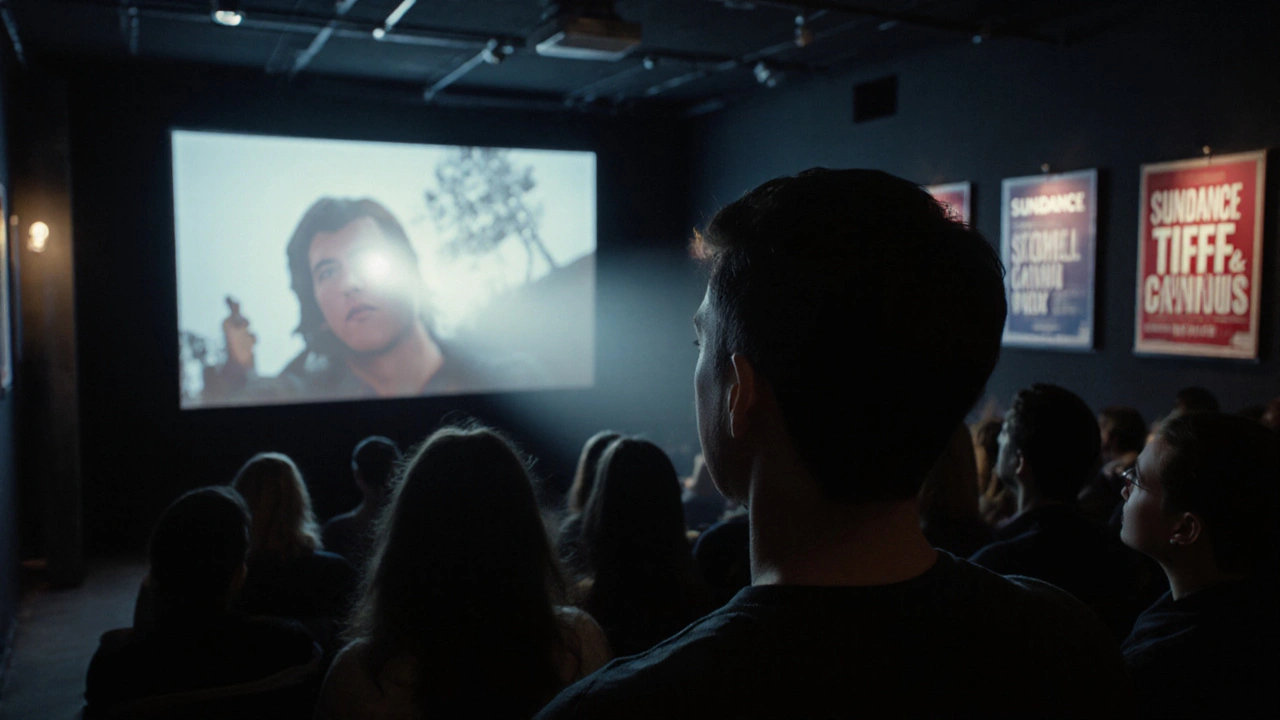
Getting an independent film into a major film festival isn’t about luck. It’s about strategy, timing, and knowing exactly what the gatekeepers are looking for. Every year, thousands of indie films submit to Sundance, TIFF, Cannes, and others. Only a few hundred get in. If you’re wondering why your film didn’t make the cut, the answer isn’t always that it wasn’t good enough. Often, it’s that it wasn’t prepared enough.
Know Which Festivals Match Your Film
Not all film festivals are the same. Sundance wants bold, character-driven stories with strong directorial voices-often from first-time filmmakers. Toronto International Film Festival (TIFF) leans toward films with commercial potential, especially those that could attract distributors. Cannes values artistry and international appeal, often picking films with strong visual language or political themes. South by Southwest (SXSW) loves genre films-horror, sci-fi, comedies-that feel fresh and loud.Submitting your quiet family drama to SXSW because it’s "prestigious" is like bringing a violin to a rock concert. You’ll get heard, but not by the right audience. Look at last year’s lineup. What kinds of films got in? What were their budgets? Who directed them? What did their trailers look like? Don’t guess. Study the pattern.
Perfect Your Submission Package
Festival programmers watch hundreds of films in a few weeks. Your submission package needs to make them stop scrolling. That means three things: a killer trailer, a tight synopsis, and a clear filmmaker statement.Your trailer shouldn’t be longer than 90 seconds. It needs to show the tone, the stakes, and the hook-within the first 15 seconds. If your trailer starts with credits or slow pans of landscapes, you’ve already lost them. The synopsis should be one paragraph, no more than 150 words. No plot summaries. Focus on: Who is this about? What do they want? What’s at risk? And why does it matter now?
The filmmaker statement is where you connect emotionally. Not "I made this film because I love cinema." Say: "This story is based on my mother’s experience as an undocumented worker in Ohio. I wanted to show what silence looks like when no one’s listening." That’s the kind of line that sticks.
Submit Early-And Pay the Right Fee
Most major festivals have early, regular, and late deadlines. Early bird submission fees are often 30-50% cheaper. But more than saving money, submitting early gives you a better shot. Programmers start reviewing submissions months before the festival. Films submitted early get seen by the first wave of readers, who are often more open to discovering new voices.Don’t wait until the last week. Festivals like Sundance receive over 15,000 submissions. Late entries are often reviewed last, if at all. And don’t skip the fee. Yes, it’s frustrating. But free submissions are usually ignored or treated as low priority. A $50-$75 fee signals you’re serious. It’s not about money-it’s about filtering noise.
Get a Publicist or at Least a Media Plan
If your film gets accepted, you’ll need buzz. Festival programmers don’t just pick films-they pick films that will draw audiences. That means you need a plan for press, social media, and outreach before you even hear back.You don’t need a big PR firm. But you do need someone who knows how to write a press release, pitch to indie film blogs, and manage a simple Instagram campaign. Even a college film student with a good eye for storytelling can help. Start building an email list of local press, film critics, and niche bloggers who cover indie films. Send them a link to your trailer three months before submission. Not to ask for coverage-just to say, "Here’s something I’m working on."
When your film gets in, those people are already aware. That’s the difference between a quiet premiere and a screening that sells out.
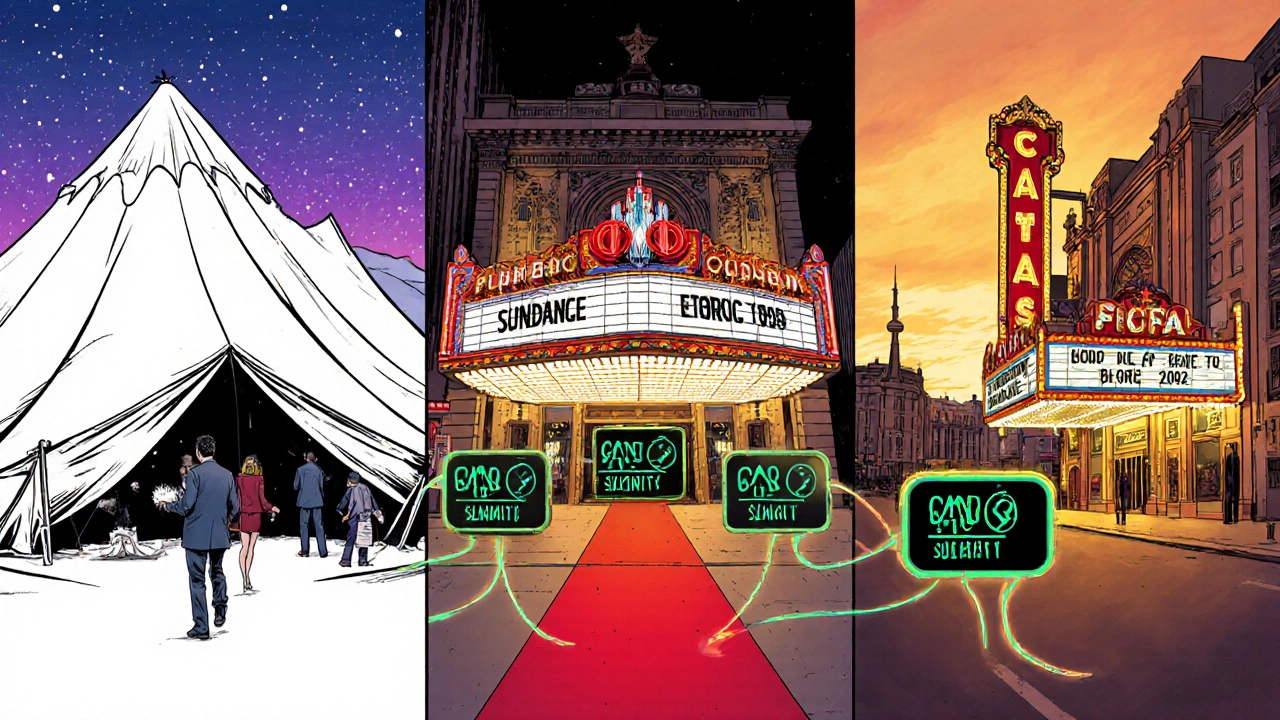
Network-But Don’t Beg
Festivals are networking hubs. But networking isn’t about handing out DVDs or DMing producers on Instagram. It’s about showing up, listening, and being memorable.Go to Q&As. Ask thoughtful questions. Don’t pitch your film during the event-wait until someone asks you what you’re working on. Then give your one-sentence pitch: "It’s a thriller about a librarian who finds a hidden archive of missing persons cases-and realizes her father was one of them." That’s specific. That’s intriguing.
Connect with other filmmakers. Exchange emails. Follow up with a simple message: "Loved your film. I’m working on something similar-would love to swap notes." Most people will reply. Those relationships lead to collaborations, co-productions, and even future festival recommendations.
Don’t Skip the Technical Requirements
Your film might be brilliant, but if it’s not in the right format, it won’t even be screened. Major festivals require specific file types, resolutions, and audio formats. Sundance requires ProRes 422 HQ or DNxHR HQX in 4K. TIFF wants DCP or H.264 in 1080p. Audio must be 5.1 or stereo, no louder than -23 LUFS.Don’t assume your edited file from Premiere or Final Cut is festival-ready. Hire a post house for one day to create a compliant master. It costs $300-$800. That’s cheaper than a submission fee. And if your film gets accepted but can’t be screened because of a technical error? That’s a public embarrassment-and it hurts your chances next year.
Be Ready for Rejection-And Use It
Most indie films get rejected by at least three major festivals before they land one. That doesn’t mean your film isn’t good. It means it wasn’t the right fit for that moment.When you get rejected, ask for feedback. Some festivals offer it. If they don’t, email the programming team politely: "I’d appreciate any insight you can share about why my film wasn’t selected. I’m committed to improving." You’ll be surprised how many respond.
Use that feedback. Did they say the pacing was slow? Trim 20 seconds. Did they say the ending felt unresolved? Add a single shot that clarifies the emotional outcome. Re-edit. Resubmit. Many award-winning films were rejected the first time they applied.
Alternative Paths If You Don’t Get In
If you’ve tried the big festivals and kept getting rejected, don’t give up. There are other ways to build momentum.Apply to regional festivals. The Santa Barbara International Film Festival, AFI Fest, and Tribeca’s online platform still give indie films visibility. Screen at local theaters. Partner with a film society. Host a community screening. Collect testimonials. Build a library of press mentions-even if they’re from small blogs.
Then, reapply next year. Festivals remember filmmakers who persist. They also notice when a film improves. A film that was rejected in 2024 but resubmitted in 2025 with tighter editing, better sound, and a stronger trailer? That’s the kind of film they’ll take seriously.
What Happens After You Get In
Getting into Sundance or TIFF isn’t the finish line-it’s the starting line. Now you need to prepare for distribution.Set up a simple website with your film’s trailer, press kit, and contact info. Have a one-sheet ready (a one-page PDF with stills, synopsis, director bio, and technical specs). Reach out to distributors who specialize in indie films-like Magnolia, A24, or IFC Films. They’re watching the festivals too.
Don’t rush to sell. Ask for terms. Ask for marketing support. Ask what kind of release they’re planning. Many filmmakers sign away rights for $10,000 and never see a dime again. Know your worth. If your film has a strong story and audience potential, you can negotiate.
And remember: the goal isn’t just to get in. It’s to be seen. To be heard. To make the next film easier. Every festival acceptance is a stepping stone-not a trophy.
How much does it cost to submit to major film festivals?
Submission fees vary by festival and deadline. Early bird fees range from $25 to $60, while regular fees are usually $50-$80. Late fees can go up to $100-$120. Some festivals offer waivers for low-income filmmakers, but you need to apply in advance. Always budget at least $300-$500 for submissions to 5-7 key festivals.
Do I need a distributor to submit to film festivals?
No. Most major festivals, including Sundance and TIFF, accept films directly from filmmakers-even if they don’t have a distributor. In fact, festivals often prefer films without distribution deals because they’re more likely to be world premieres, which they prioritize. Having a distributor can help with marketing later, but it’s not required to submit.
How long should my film be for festivals?
Short films should be under 40 minutes. Feature films are typically between 70 and 120 minutes. Most festivals have strict limits. Sundance, for example, won’t accept features over 120 minutes without special approval. Keep it tight. Festivals schedule screenings back-to-back-longer films can disrupt the lineup.
Can I submit the same film to multiple festivals at once?
Yes, you can submit to multiple festivals simultaneously. This is called "simultaneous submission," and it’s standard practice. However, some festivals require world or North American premieres. If your film has already screened publicly online or in a theater, you may be disqualified. Always check each festival’s premiere policy before submitting.
What’s the biggest mistake indie filmmakers make when submitting?
The biggest mistake is treating the submission like a formality. Many filmmakers spend months making the film but only a few hours on the submission package. A weak trailer, a vague synopsis, or a late submission can sink even the best film. The submission isn’t just paperwork-it’s your first impression. Treat it like part of the film.
Next Steps: What to Do Today
If you’re serious about getting your film into a major festival, here’s what to do right now:- Check the submission deadlines for Sundance, TIFF, and Cannes for next year-mark them on your calendar.
- Watch the 2024 lineup of your target festival. Write down 5 films that were accepted. What do they have in common?
- Trim your trailer to 90 seconds or less. Make sure the first 15 seconds grab attention.
- Write your filmmaker statement. Be honest. Be specific. No fluff.
- Find a post house or freelancer to convert your final cut into the required festival format.
It’s not about having the biggest budget. It’s about having the clearest vision-and the discipline to present it right.




Comments(9)