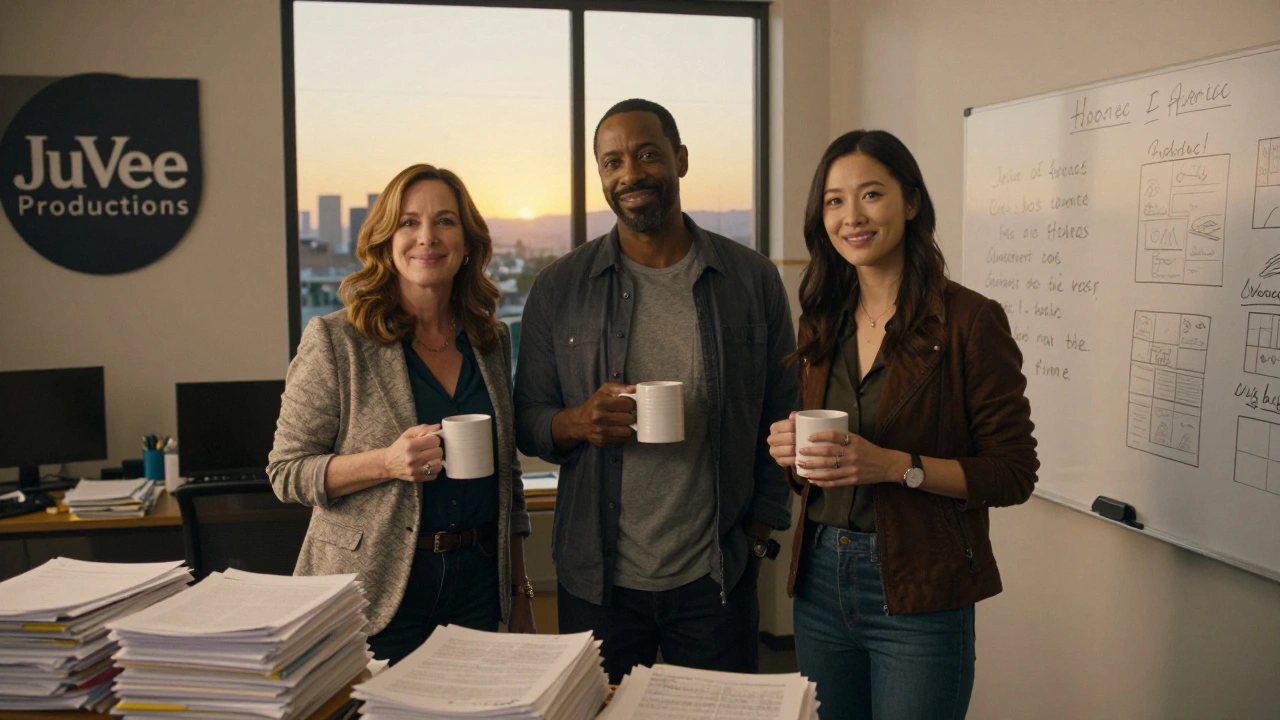
More actors are stepping behind the camera than ever before-not just to act, but to own the whole process. In the last five years, over 30 major actors have launched their own film production companies. This isn’t just a side hustle. It’s a strategic move to take back control over the stories they tell, the roles they play, and how those stories reach audiences.
Why Actors Are Starting Their Own Studios
For decades, actors were stuck with whatever scripts studios handed them. If they didn’t like the role, they had little power to change it. If the script was weak, they couldn’t fix it. If the studio wanted to cast someone else, they had no say. Now, actors like Regina Hall, John David Washington, and Awkwafina are building companies that let them greenlight projects they believe in.
It started with a few pioneers. Viola Davis founded JuVee Productions in 2011. By 2020, her company had produced three Oscar-nominated films and two Emmy-winning TV shows-all with Black women at the center. That success opened the door. Others saw it: if you control the production, you control the narrative.
It’s not just about representation, either. It’s about creative freedom. When an actor owns the company, they can choose directors who haven’t been given a chance. They can shoot on location instead of in a studio backlot. They can push for longer editing timelines. They can avoid studio interference that turns a bold film into a safe, generic one.
The Rise of the Actor-Producer
The actor-producer model isn’t new. Tom Hanks and Ron Howard started Playtone in the 1990s. But today’s wave is different. These aren’t just A-listers with extra cash. They’re people who’ve spent years watching how the system fails actors-especially women, people of color, and LGBTQ+ performers.
Take Issa Rae. She didn’t wait for Hollywood to give her a lead role. She created Insecure through her company Hoorae, then wrote, produced, and starred in it. The show ran for five seasons, earned five Emmy nominations, and became a cultural touchstone. She didn’t ask permission. She built the platform.
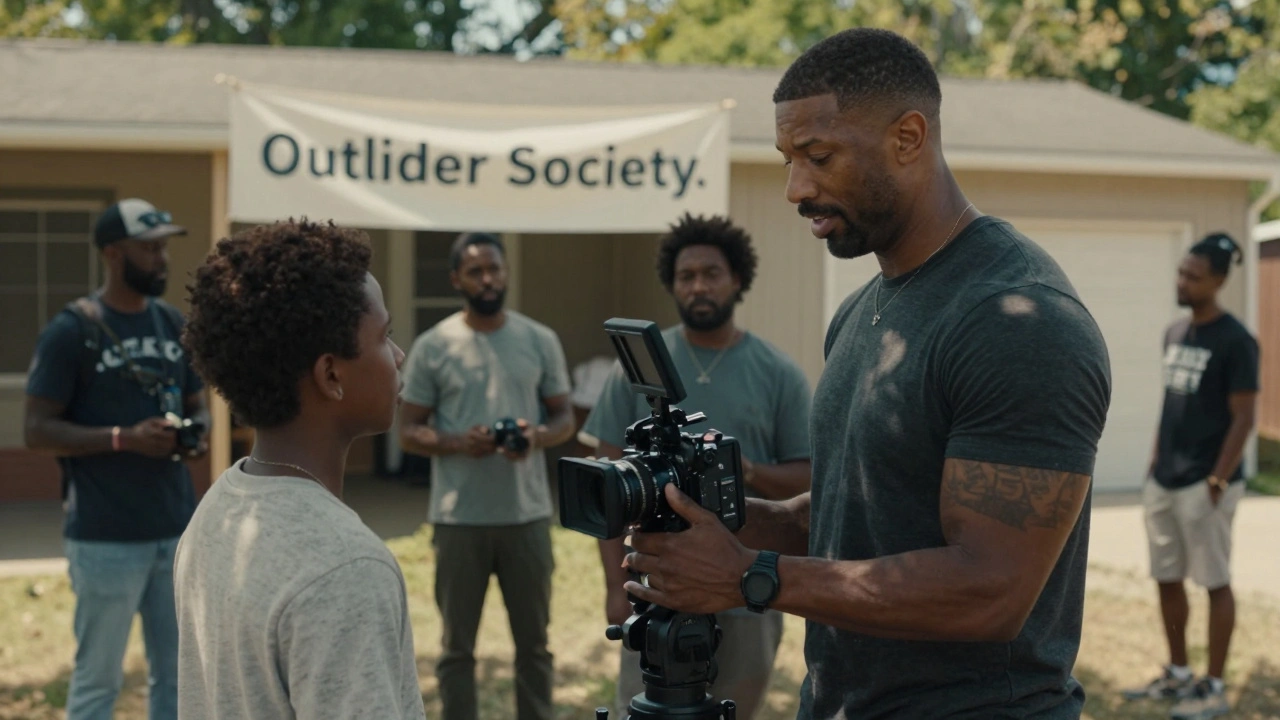
Same with Michael B. Jordan. He launched Outlier Society in 2016. Since then, his company has produced Fruitvale Station, Creed, and Without Remorse. But more importantly, they’ve hired emerging filmmakers, given first-time directors a shot, and cast actors who rarely get leading roles. Jordan doesn’t just want to act in great films-he wants to make sure they get made.
How These Companies Work
Most actor-led production companies don’t have big studio budgets. Instead, they work smarter. They partner with streaming services, independent distributors, or nonprofit film funds. They use tax incentives in states like Georgia and Louisiana. They shoot on tighter schedules. They rely on word-of-mouth marketing instead of million-dollar ad buys.
Here’s how it usually breaks down:
- Project development: Actors read scripts, pitch ideas, or even write them themselves.
- Funding: They secure financing through co-productions, private investors, or streaming deals (Netflix, Hulu, Apple TV+).
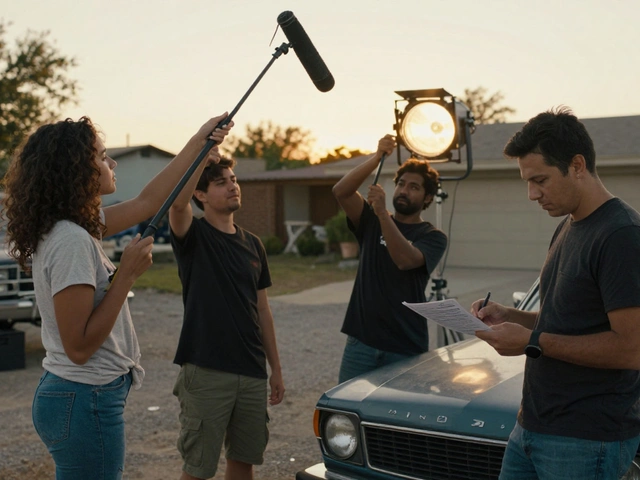
- Production: They hire directors, crew, and cast-often choosing talent from outside the usual Hollywood circle.
- Distribution: They skip traditional theatrical releases and go straight to streaming or film festivals.
One of the biggest advantages? Speed. A studio movie can take two years just to get approved. An actor-led company can go from idea to screen in six months. That’s why many of these films debut at Sundance, TIFF, or Venice-they’re made for festivals, not just box offices.
Real Examples, Real Impact
Let’s look at three recent cases:
1. Zendaya’s Day Zero Productions - Launched in 2022, it’s already produced two indie films and one limited series. One of them, Challengers, was shot on 35mm film with a mostly female crew. The studio behind it had never done that before. Zendaya didn’t just act-she insisted on the format, the crew, and the storytelling style.
2. Daniel Kaluuya’s No Secret Productions - After winning an Oscar for Get Out, Kaluuya created a company focused on British Black cinema. His first project, The Last Tree, was funded by the British Film Institute. It’s now taught in film schools across the UK.
3. Florence Pugh’s Big Talk Productions - She started this in 2023 with her husband. Their first film, My Policeman, was shot in just 28 days. No studio pressure. No reshoots. Just a quiet, intimate story that found a global audience on Amazon Prime.
These aren’t outliers. They’re the new normal.
What This Means for Hollywood
The old studio system is cracking. Studios still make big-budget blockbusters-but they’re losing control of the indie and mid-budget space. That’s where the real innovation happens. And now, actors are leading that change.
Streaming platforms are happy to work with them. They want fresh voices. They want content that stands out. And actors who own their own companies? They’re the ones delivering it.
Even casting is changing. Directors are now more likely to say, “Who’s producing this?” instead of “Who’s starring in it?” Because the producer often chooses the actor-not the other way around.
There’s also a ripple effect. When an actor starts a production company, they bring in writers, cinematographers, editors, and composers who’ve been shut out of mainstream Hollywood. Suddenly, there are more jobs for people of color, more opportunities for women directors, more films made outside of Los Angeles.
What’s Next?
By 2027, more than half of all independent films will be produced by actor-led companies. That’s not a guess. It’s based on data from the Sundance Institute and the Producers Guild of America. The trend is accelerating.
What’s next? More actors will launch co-productions with activists, journalists, and community organizations. More will use their companies to fund film education programs in underserved areas. Some will even create their own distribution networks-bypassing streaming services entirely.
One thing’s clear: the future of film isn’t in the boardrooms of Warner Bros. or Universal. It’s in the living rooms of actors who decided they’d had enough of waiting.
How You Can Spot an Actor-Led Production
If you’re watching a film and wondering if it’s actor-led, here are signs to look for:
- The director isn’t a household name.
- The film has a distinctive visual style-like handheld cameras, natural lighting, or unusual color grading.
- The story centers on a marginalized group, but doesn’t feel like a “message movie.”
- The credits list the actor as “Executive Producer” or “Producer.”
- The film premiered at a festival, not in wide release.
- The marketing campaign feels personal, not corporate.
These aren’t just movies. They’re statements. And the actors behind them? They’re not just stars anymore. They’re architects.



Comments(9)