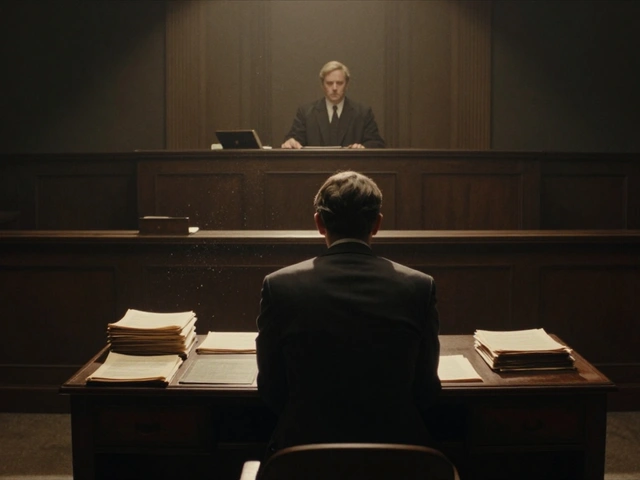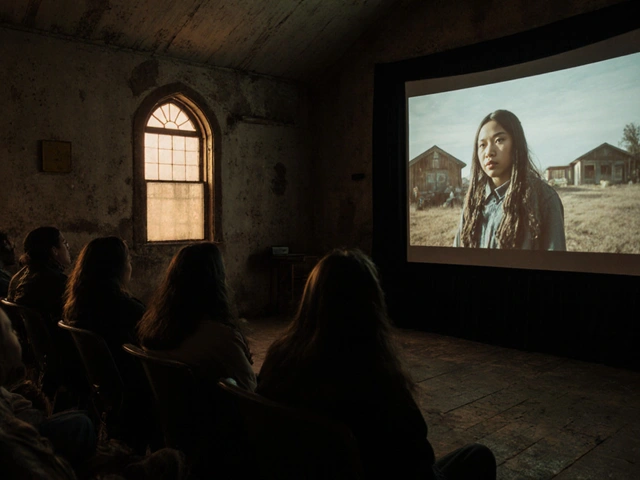
Ever watched a blockbuster where the lead actor looks exactly the same in two different shots, but you know they weren't in both places at once? That’s not magic. It’s the work of photo doubles, actors who replicate the physical appearance of a principal cast member to allow for complex camera angles or simultaneous scene coverage. While the stars get the headlines, these unsung heroes keep the illusion seamless. Without them, modern filmmaking would grind to a halt every time a director needs a wide shot while cutting close-ups.
The line between a stand-in and a photo double is often blurred in casual conversation, but in the trenches of a film set, the distinction matters. A stand-in is primarily about technical precision-marking positions for lighting and camera focus. A photo double is about visual continuity-they need to look like the star from a distance. Understanding this difference reveals just how much invisible labor goes into creating a single minute of screen time.
The Technical Role of Stand-Ins
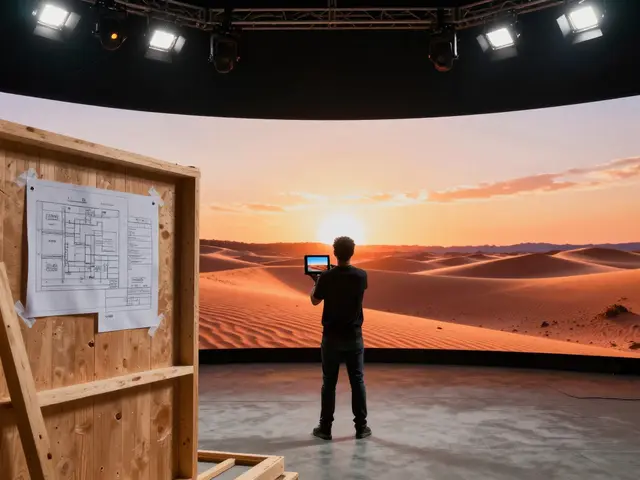
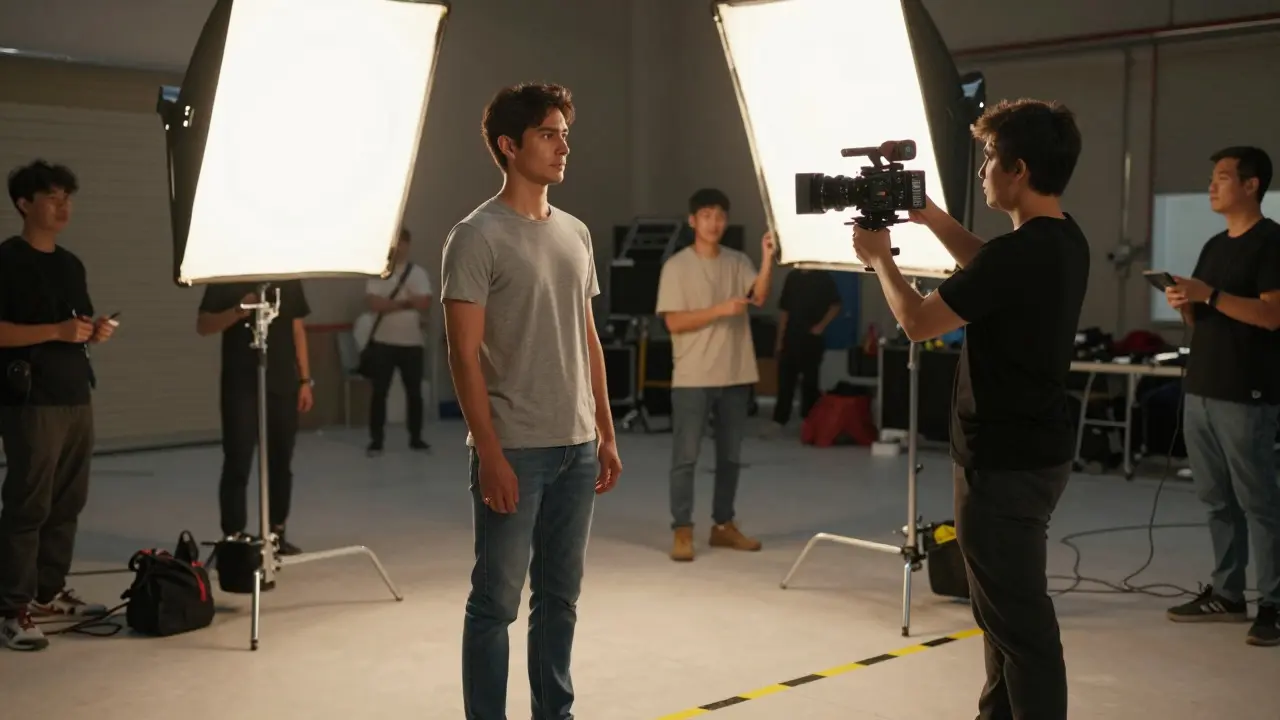
Before a principal actor steps onto the mark, the crew needs to know exactly where light will hit and where the lens will focus. This is the job of the stand-in, a crew member or actor who holds a specific position on set to assist with lighting, focusing, and blocking before the main talent arrives. They are the human reference point for the gaffer, the focus puller, and the director of photography.
If a stand-in is even an inch off, the lighting might create an unwanted shadow on the actor's face, or the depth of field might miss the eyes. In high-end productions, stand-ins are often paid professionals who understand camera mechanics. They don’t just stand there; they mimic the posture and movement of the actor they are replacing so that the lighting setup remains accurate when the real person takes over.
- Lighting Marks: Ensuring key lights and fill lights hit the correct coordinates.
- Focus Pulling: Providing a consistent plane for the focus operator to lock in sharpness.
- Blocking Reference: Helping the director visualize the geometry of the scene without waiting for the star.
What Makes a Photo Double Different?
A photo double takes the concept further. While a stand-in can be anyone of similar height and build, a photo double must possess facial features, hair color, and skin tone that closely match the principal actor. Think of it as a specialized form of body doubling. If a movie requires a split-screen effect where one character is shown in two locations simultaneously, or if a crane shot pulls back to reveal the actor from a rear angle while a close-up is being filmed, the photo double fills the gap.
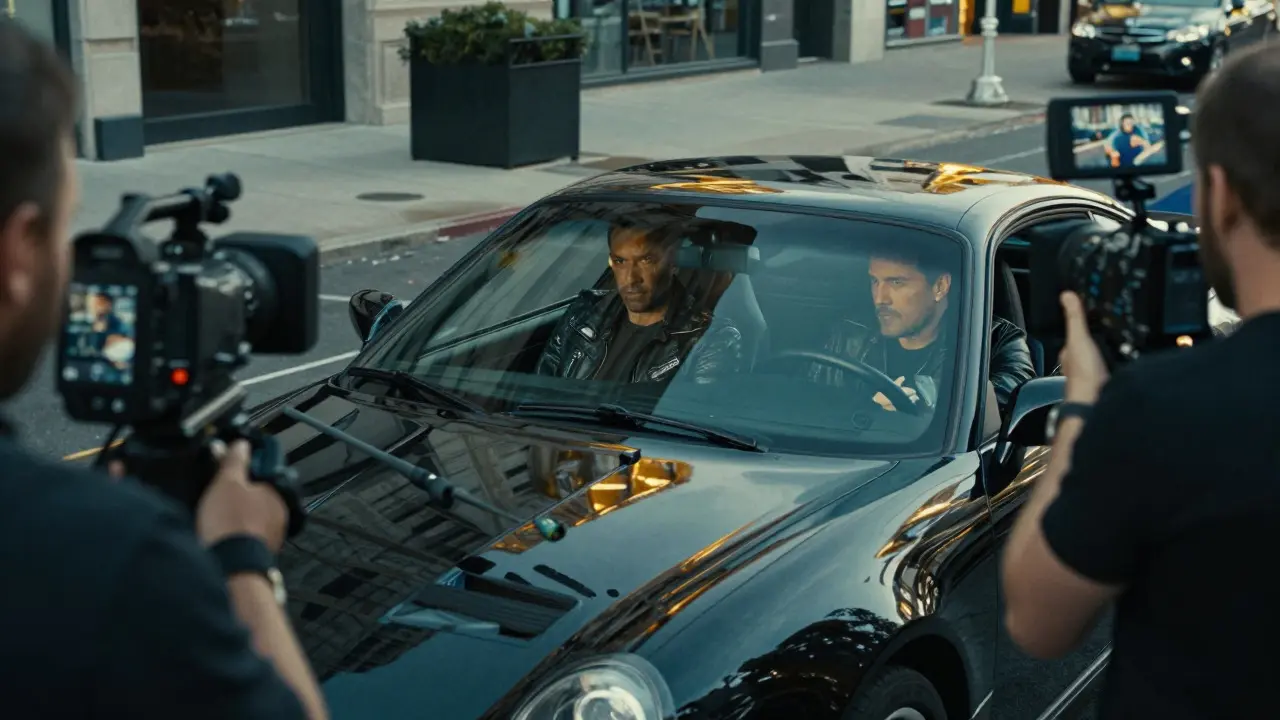
Consider the logistics of filming a car chase. The driver (the star) needs to be seen from the front seat. But the camera also needs a wide shot of the car from the side. If the star is locked in the driver's seat for the interior shot, who sits in the passenger seat or stands by the car for the exterior? Often, a photo double handles the exterior elements, ensuring the silhouette and clothing match perfectly. The audience never notices the swap because the edit hides the transition, but the photo double made that transition possible.
Casting the Invisible Workforce
Finding the right stand-in or photo double isn't just about height. Casting directors and first ADs (Assistant Directors) look for specific traits. For stand-ins, consistency is king. They need to be punctual, calm under pressure, and able to hold a pose for minutes at a time. For photo doubles, the search is more akin to casting a minor role. Agencies maintain lists of "look-alikes" for major stars. When a new lead is announced, the casting team immediately begins scouting for someone who matches their biometric data.
This process has become more sophisticated with digital tools. High-resolution photos of the star are compared against databases of available talent. However, chemistry still plays a role. A good photo double doesn't just look like the star; they move like them. If the star has a distinctive walk or way of holding their shoulders, the double must replicate those mannerisms to avoid breaking the fourth wall.
Historical Context and Evolution
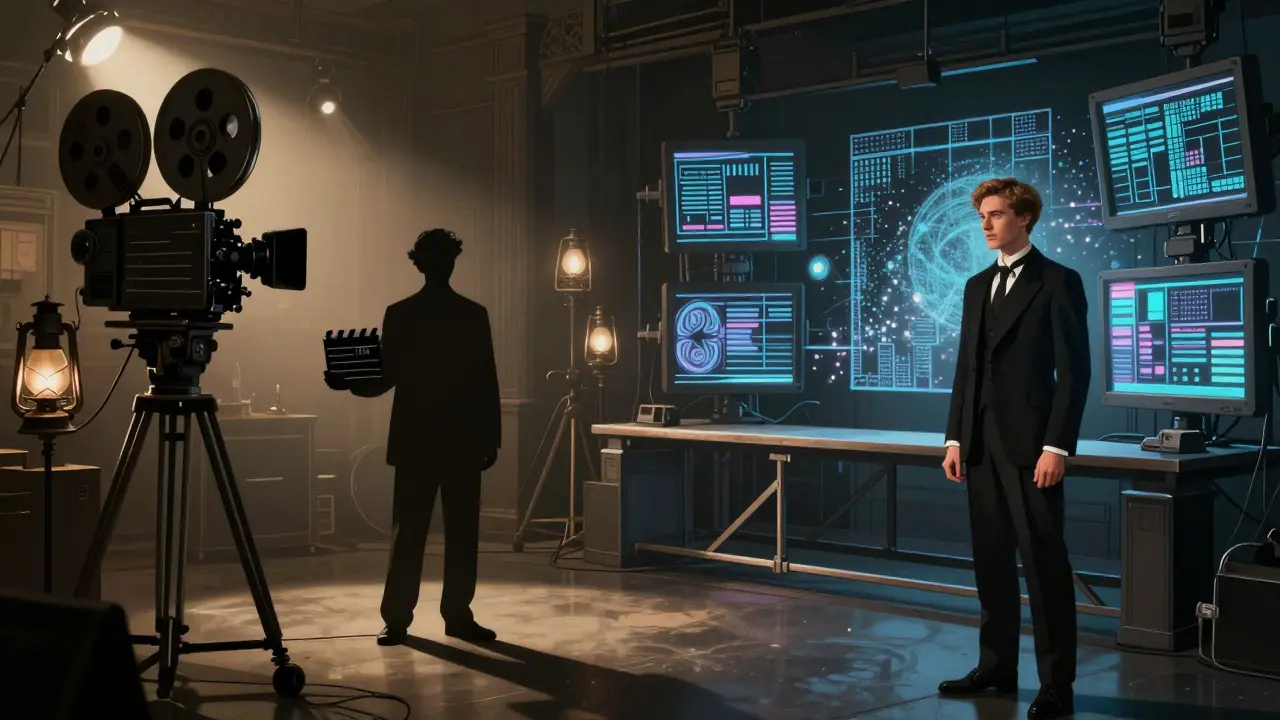
The use of stand-ins dates back to the silent film era, when cameras were heavy and lighting was unpredictable. Early studios kept dedicated staff members whose sole job was to hold marks. As technology advanced, the role evolved. With the introduction of digital cameras and LED panels, the precision required has increased. Today, a misaligned stand-in can result in costly reshoots or difficult VFX fixes in post-production.
In contrast, photo doubles became more common in the mid-20th century as editing techniques allowed for faster cuts. Before that, long takes meant the star had to be present for the entire duration. Now, with non-linear editing, a scene can be built from fragments filmed days apart, relying heavily on doubles to maintain continuity.
Economic Realities for Background Talent
While essential, these roles are often undervalued financially. Stand-ins typically earn day rates that are lower than principal actors but higher than general background extras. Photo doubles, due to their specialized nature, may command slightly higher pay, especially if they are known for mimicking a specific high-profile star. However, the work is sporadic. You might be hired for three days to play the double for a superhero, then wait six months for the next opportunity.
For many, this is a stepping stone. Some photo doubles go on to land small acting roles themselves, using their experience on set to learn the craft. Others remain in the background, taking pride in the fact that their work went unnoticed-which is exactly what they were hired to do.
Common Myths About Hidden Roles
One persistent myth is that stand-ins are always unemployed actors. While some are, many are full-time technicians who have no interest in performing. They prefer the stability of technical work over the unpredictability of auditions. Another myth is that photo doubles are only used for action scenes. In reality, they are crucial for dialogue scenes that require multiple angles. If a director wants a reverse shot of a conversation, and the lead is already framed, a double might be used for the cutaway to ensure the background remains consistent.
| Feature | Stand-In | Photo Double |
|---|---|---|
| Primary Purpose | Technical marking (light/focus) | Visual continuity (appearance) |
| Appearance Requirement | Similar height/build | Close facial/hair match |
| Visibility to Camera | Rarely in final cut | Often visible in wide shots |
| Typical Usage | Pre-shoot setup | Simultaneous scene coverage |
The Future of Human Duplicates
With the rise of CGI and digital de-aging, some wonder if photo doubles are becoming obsolete. Not quite. Digital effects are expensive and time-consuming. A live-action double is cheaper and faster. Furthermore, audiences tend to trust live footage more than synthetic composites. For now, the human element remains irreplaceable. As long as we film in real-world spaces, we will need people to stand in the right spots and look the part.
These hidden roles remind us that cinema is a collaborative art form. Behind every polished frame lies a network of specialists doing precise, unglamorous work. The next time you watch a movie, take a moment to appreciate the invisibility of the stand-in and the photo double. Their success is measured by your failure to notice them.
Do stand-ins get credit in the movie?
Usually, no. Because they are considered part of the technical crew rather than the cast, their names rarely appear in the end credits unless they have a union agreement that mandates listing all background personnel.
Can anyone be a photo double?
No. You need to match the specific physical attributes of the principal actor, including height, weight, hair color, and often facial structure. It is a highly selective process.
Is being a stand-in a hard job?
It requires patience and physical endurance. You may stand in uncomfortable positions for long periods while the crew adjusts equipment. Mental focus is also key to staying still and avoiding distractions.
How much do photo doubles make?
Pay varies by project scale and location. Generally, it falls within the range of background actor rates, sometimes with a premium for the specialized skill of matching a specific star.
Are stand-ins different from stunt doubles?
Yes. Stunt doubles perform dangerous or athletic actions on behalf of the star. Stand-ins perform static or low-movement tasks to aid technical setup. A stunt double needs to act; a stand-in needs to hold a mark.