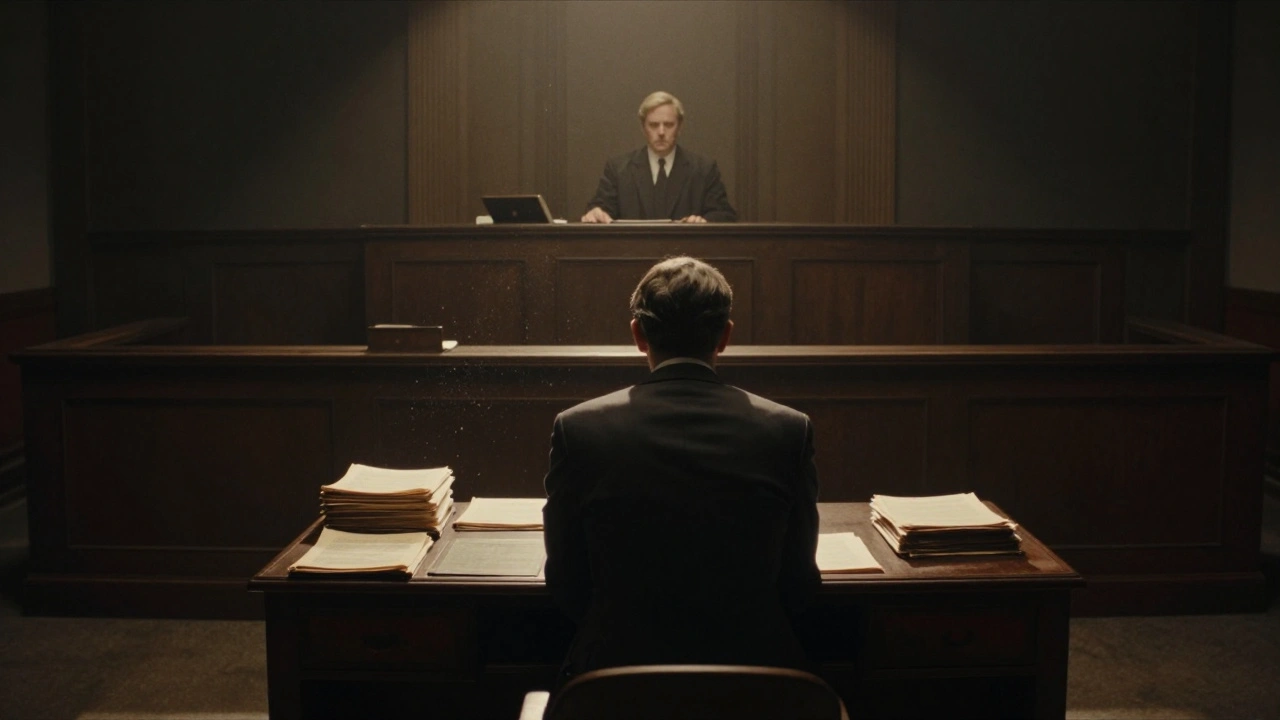
Have you ever watched a lawyer win a case by hiding evidence? In real life, that’s disbarment. In movies, it’s Tuesday. Legal thrillers are a subgenre of crime and mystery films where the central conflict revolves around the law, courtroom procedures, and the moral ambiguity of justice. They don’t just show us trials; they strip away the polished veneer of the legal system to reveal the raw, often ugly mechanics of power, ambition, and survival.
We love these films because they offer a safe space to explore dangerous questions. What would you do if the truth meant losing everything? Is the end always justified by the means? From the smoky courtrooms of the 1980s to the digital-age conspiracies of today, this genre has evolved from simple whodunits into complex psychological studies of human nature under pressure. Let’s look at how these stories use ethics and ambition as their primary engines.
The Anatomy of a Legal Thriller Plot
A standard action movie relies on explosions. A romance relies on chemistry. A legal thriller relies on information asymmetry. The core mechanic is simple but powerful: one side knows something the other doesn’t, and the tension comes from the race to uncover or conceal that fact before the gavel falls.
Most of these plots follow a specific trajectory. First, there is the inciting incident-a crime that seems straightforward but hides a deeper conspiracy. Then comes the investigation, where our protagonist (usually a lawyer, prosecutor, or judge) digs too deep. Finally, the climax occurs not in a shootout, but in a courtroom cross-examination or a late-night deal in a parking garage. The weapon isn’t a gun; it’s a deposition transcript or a suppressed piece of evidence.
Consider the structure of "The Lincoln Lawyer". It’s not just about defending a client; it’s about managing resources, manipulating witnesses, and outsmarting the system from the back of a car. This shift from traditional courtroom settings to mobile, gritty environments reflects a broader trend in the genre: making the law feel less like a procedure and more like a battlefield.
- The MacGuffin: Often a document, a recording, or a witness who holds the key to the truth.
- The Antagonist: Rarely a cartoon villain. Usually a powerful corporation, a corrupt politician, or even the law itself.
- The Stakes: Beyond freedom, the stakes are usually reputation, career, or personal integrity.
Ethics vs. Ambition: The Central Conflict
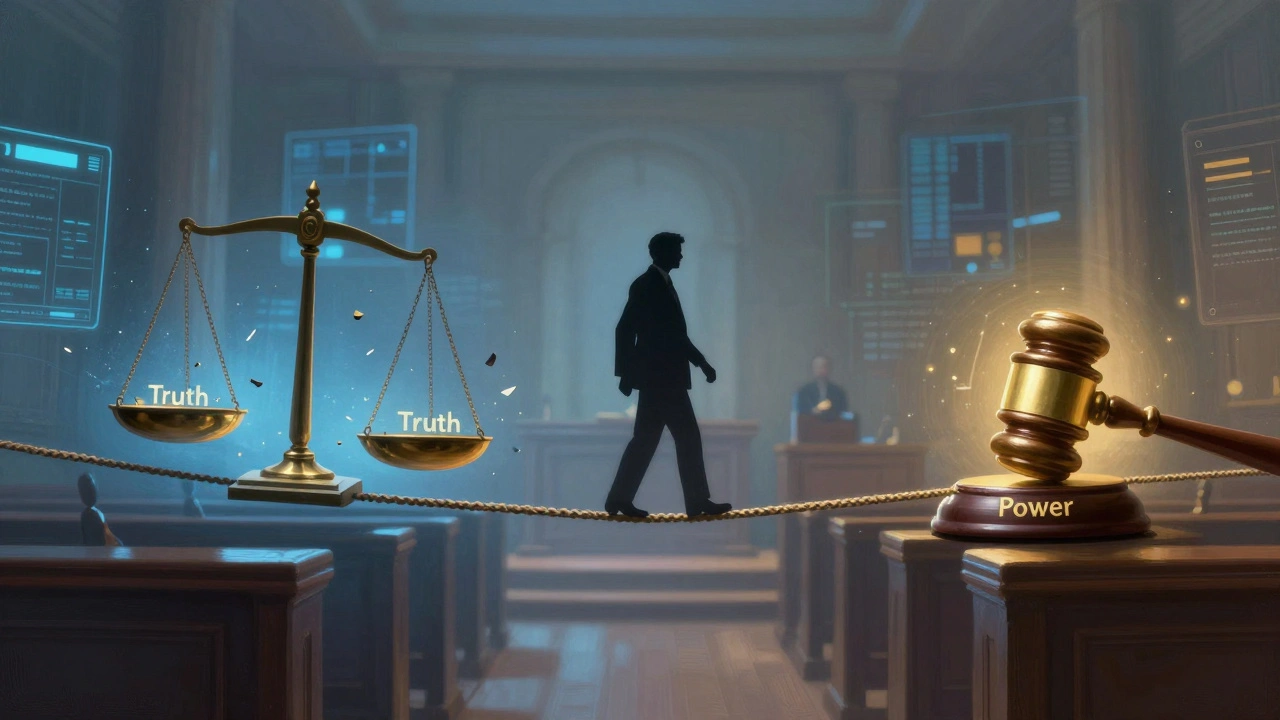
If you watch enough legal dramas, you’ll notice a pattern. The most compelling characters are rarely the saints. They are the ones dancing on the edge of the ethical line. This is where the genre shines. It forces us to confront the uncomfortable reality that "justice" and "the law" are not always the same thing.
Ambition drives the plot. A young associate wants partnership. A public defender wants fame. A corporate attorney wants to close the biggest deal of their life. But ethics acts as the brake. When the brakes fail, the story becomes tragic. When the brakes hold, the story becomes inspirational. The best legal thrillers keep both pedals pressed down simultaneously.
Think about Michael Clayton in "Michael Clayton". He is a "fixer," someone whose job is to clean up messes for his firm. His ambition is to survive and provide for his family, but his ethics are constantly tested by the horrific crimes he uncovers. The film doesn’t ask if he should break the law; it asks if he can live with himself if he doesn’t. That internal conflict is far more gripping than any external chase scene.
| Archetype | Motivation | Ethical Flaw | Example Film |
|---|---|---|---|
| The Idealistic Rookie | To prove the system works | Naivety / Blind trust | The Verdict |
| The Cynical Veteran | To survive / Money | Moral compromise | Primal Fear |
| The Corrupt Authority | To maintain power | Abuse of privilege | Presumed Innocent |
| The Fixer | To protect the client/firm | Complicity in crime | Michael Clayton |
How Courtroom Dramas Manipulate Reality
Let’s be honest: real trials are boring. They involve weeks of paperwork, procedural delays, and quiet arguments over admissibility. Movies compress months of work into ninety minutes. They also amplify the drama. In a film, every objection leads to a revelation. In reality, most objections lead to a sidebar conversation.
This compression creates a unique narrative logic. Filmmakers use what we call "dramatic license" to make the legal process understandable and exciting. They simplify complex laws into binary choices: guilty or innocent, right or wrong. But this simplification often distorts the viewer’s understanding of how justice actually works.
For instance, the "closing argument" in movies is often a monologue that magically convinces the jury. In real life, closing arguments are summaries of evidence already presented. If the evidence wasn’t strong during the trial, a great speech won’t save it. Films ignore this to create emotional peaks. We accept this because we’re watching for entertainment, not education. However, it does raise questions about media literacy. How many people think they could argue their way out of trouble like Al Pacino in "...And Justice for All"?
Another common trope is the "surprise witness." In real courts, surprise witnesses are generally prohibited to prevent unfair prejudice. Movies use them constantly to turn the tide of the case in the final act. This device serves the plot, but it undermines the procedural fairness that real legal systems strive for.
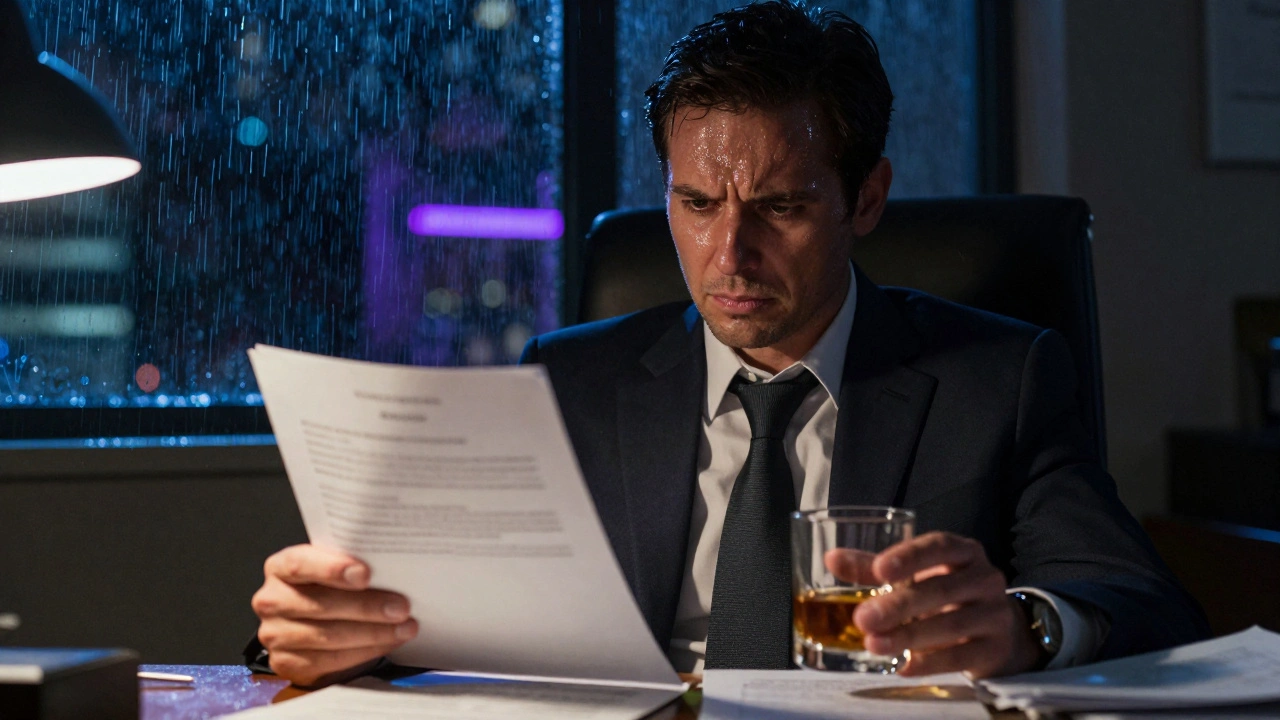
The Evolution of the Genre: From Noir to Neo-Noir
Legal thrillers didn’t start in courtrooms. They started in shadows. Early noir films of the 1940s and 50s featured lawyers as cynical figures navigating a corrupt world. "Double Indemnity" isn’t a courtroom drama, but it’s a legal thriller at heart-it’s about insurance fraud, contracts, and the consequences of breaking agreements.
By the 1980s and 90s, the genre moved into the bright lights of the courtroom. Films like "A Few Good Men" and "The Firm" focused on institutional corruption and military or corporate hierarchies. The enemy was no longer just a person; it was a system.
Today, we see a blend of both. Modern legal thrillers often incorporate elements of political intrigue and technological surveillance. "Spotlight", while technically a journalism drama, functions as a legal thriller because it investigates institutional cover-ups using similar investigative techniques. The rise of true-crime podcasts and documentaries has also influenced the genre, leading to more grounded, less stylized portrayals of legal processes.
- Classic Noir (1940s-50s): Focus on individual corruption and fatalism.
- Institutional Critique (1980s-90s): Focus on corporations, government, and systemic bias.
- Modern Hybrid (2000s-Present): Blends legal drama with political thriller and true-crime aesthetics.
Why We Crave Moral Ambiguity
Why do we keep coming back to these stories? Psychology suggests that humans have a need for closure and order. Crime disrupts order; law restores it. But when the law itself is flawed, our sense of security shakes. Legal thrillers allow us to experience that shake in a controlled environment.
We enjoy seeing characters make impossible choices because it validates our own complexities. We aren’t purely good or purely evil. We are situational. When a lawyer in a movie lies to save an innocent person, we cheer. When they lie to save a guilty person, we cringe. The nuance is what keeps us engaged.
Furthermore, these films serve as social commentary. They reflect our anxieties about power, wealth, and inequality. In times of economic uncertainty, legal thrillers often focus on corporate greed. In times of political polarization, they focus on judicial bias. The genre is a mirror, reflecting what we fear most about our society’s ability to deliver justice.
Key Elements That Make a Legal Thriller Work
Not every movie with a lawyer in it is a legal thriller. To qualify, it needs certain ingredients. Without them, it’s just a procedural or a melodrama. Here’s what separates the hits from the misses:
- High Stakes Personalization: The case must affect the protagonist personally. Maybe they are being framed. Maybe their child is involved. Maybe their career is on the line. Abstract justice isn’t enough.
- Intellectual Puzzle: The audience should feel like they are solving the case alongside the protagonist. Drop clues early. Let the viewer connect the dots.
- Procedural Accuracy (with flair): You don’t need perfect accuracy, but you need internal consistency. If you establish a rule early (e.g., "no phones in the courtroom"), stick to it. Breaking rules for convenience breaks immersion.
- Moral Dilemma: There must be no easy answer. If the right choice is obvious, there’s no tension.
Take "To Kill a Mockingbird". It’s a classic for a reason. Atticus Finch faces a clear moral imperative, but the societal odds are stacked against him. The tension doesn’t come from whether he will win (we know he won’t), but from how he maintains his dignity and integrity in the face of hatred. That’s the essence of the genre.
Future Trends in Legal Storytelling
As technology changes our lives, it changes our laws, and consequently, our stories. Future legal thrillers will likely focus on AI, data privacy, and cybercrime. Imagine a plot where the "witness" is an algorithm, or where evidence is stored in a blockchain that cannot be tampered with-but can be misinterpreted.
We may also see more international perspectives. Most Hollywood legal thrillers are US-centric. As global streaming platforms grow, audiences are hungry for stories from different legal systems. A thriller set in the civil law tradition of Europe or Asia offers different procedural dynamics and cultural conflicts.
Finally, the line between documentary and fiction will continue to blur. With the popularity of limited series like "The Dropout" or "WeCrashed", which detail corporate legal battles, viewers are becoming more sophisticated. They expect research-backed narratives that respect their intelligence. The days of dumb, formulaic courtroom dramas are fading. The future belongs to smart, nuanced stories that challenge our assumptions about truth and justice.
What makes a legal thriller different from a courtroom drama?
While all legal thrillers involve the law, not all are courtroom dramas. A courtroom drama focuses heavily on the trial process, testimony, and verdicts. A legal thriller uses the law as a backdrop for a broader mystery or conspiracy, often involving investigations outside the courtroom, chases, and personal danger to the protagonist.
Are legal thrillers accurate representations of the legal system?
Rarely. Legal thrillers prioritize dramatic tension over procedural accuracy. They compress timelines, exaggerate the power of closing arguments, and allow for surprise witnesses that would be inadmissible in real court. While they capture the emotional weight of legal battles, they should not be viewed as educational tools for actual legal practice.
Why are ethics so important in legal thriller plots?
Ethics provide the central conflict. In a genre where the rules are strict, bending or breaking those rules creates immediate tension. The struggle between professional duty, personal morality, and ambition drives character development and keeps the audience invested in the outcome beyond just winning or losing the case.
What are some essential legal thrillers to watch?
Essential titles include 12 Angry Men for pure dialogue-driven tension, The Verdict for redemption arcs, Primal Fear for psychological twists, Michael Clayton for corporate cynicism, and Just Mercy for modern social commentary. Each represents a different facet of the genre’s evolution.
How has the role of the lawyer changed in recent films?
Historically, lawyers were often portrayed as heroic defenders of the weak or cynical sharks. Recent films depict them as complex individuals navigating systemic failures. They are less likely to be lone wolves and more likely to be part of larger institutions, highlighting the difficulty of achieving justice within bureaucratic structures.