Most people think of going to the movies as picking a showtime, buying a ticket, and sitting in the dark until the credits roll. But for a growing number of film lovers, watching a movie isn’t just about the film-it’s about the whole experience. Limited-run screenings and eventized niche cinema are turning theaters into living rooms for subcultures, art houses into temples of fandom, and ordinary viewings into unforgettable moments.
What Exactly Is a Limited-Run Screening?
A limited-run screening isn’t just a short-term release. It’s a deliberate, time-bound event designed to create urgency, exclusivity, and community. These screenings typically last between one and seven days, sometimes even just one night. They’re not tied to mainstream box office cycles. Instead, they’re curated around specific films-often foreign, experimental, restored classics, or cult favorites-that wouldn’t survive on a standard theater schedule.
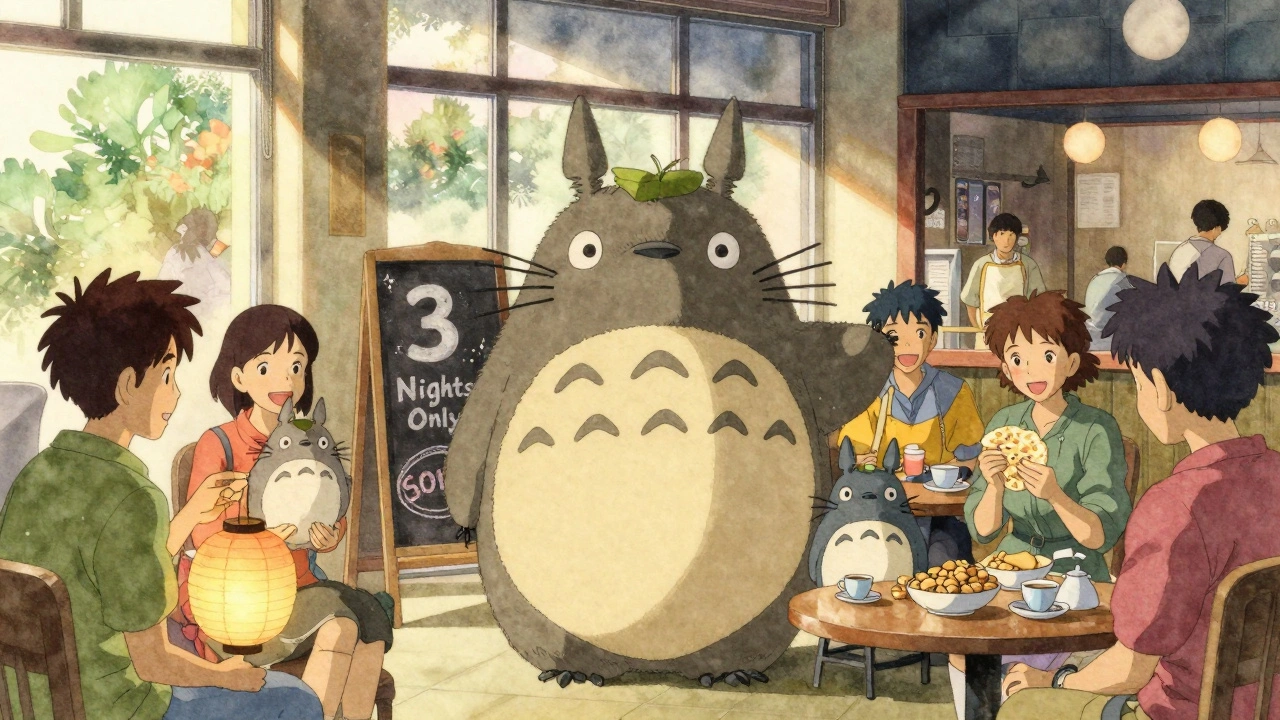
Take Studio Ghibli’s animated films like My Neighbor Totoro or Princess Mononoke. In 2025, over 120 theaters across the U.S. and Canada ran Totoro for three nights only. Tickets sold out in under 48 hours. No streaming platform could replicate that. Why? Because people didn’t just want to watch it-they wanted to be part of something. A shared silence during the forest spirit scene. A roomful of people gasping at the Catbus. A post-screening chat in the lobby with strangers who now feel like friends.
Why Niche Cinema Needs Events
Niche cinema-films that don’t fit into mainstream genres or demographics-has always struggled for visibility. Distributors won’t book them for weeks. Algorithms won’t recommend them. But when you turn a screening into an event, you change the rules.
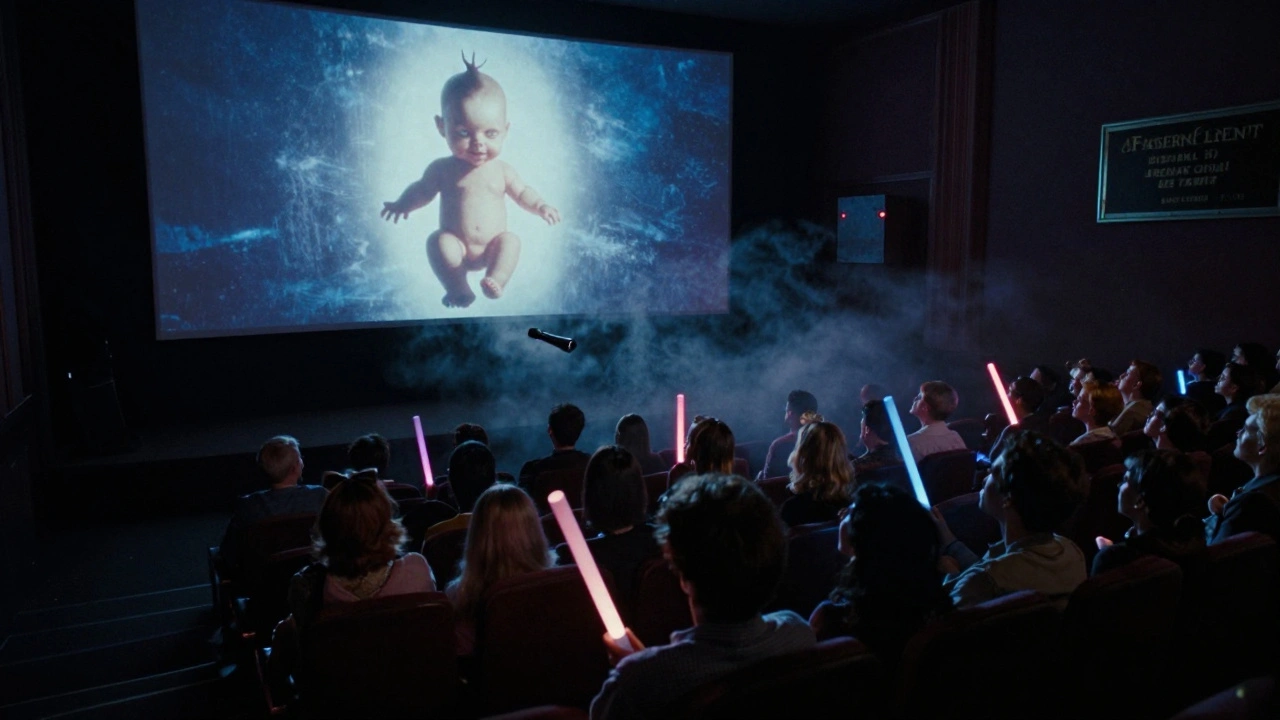
Think about David Lynch’s Eraserhead. It’s a 90-minute surreal nightmare about a man raising a deformed baby in a post-industrial wasteland. It’s not for everyone. But every year, at least 20 theaters host midnight screenings with live sound effects, audience chanting, and costume contests. Fans show up as the character Henry Spencer. They bring glow sticks shaped like the baby. It’s not a movie. It’s a ritual.
This isn’t just about weird films. It’s about film restoration’s revival. In 2024, the Criterion Collection partnered with AMC Theatres to screen 4K restorations of Ingmar Bergman’s films like Persona and Scenes from a Marriage in 50 cities over a 10-day window. Tickets were priced higher than standard showings. Attendance? Up 37% from 2023. People paid extra to sit in a dark room with strangers and watch a 1966 black-and-white film in perfect clarity. Why? Because they knew they wouldn’t get another chance.
How Eventized Cinema Builds Community
When you turn a film into an event, you’re not just selling tickets-you’re building a tribe. Theaters are becoming social hubs again. Here’s how:
- Themed nights: A screening of John Carpenter’s Halloween with pumpkin carving contests and free candy.
- Live commentary: A Q&A with a film scholar after Yasujirō Ozu’s Tokyo Story, followed by tea and rice crackers.
- Costume contests: Fans dress as characters from Terry Gilliam’s Brazil and win vintage film posters.
- Local collaborations: A screening of Wong Kar-wai’s In the Mood for Love paired with a pop-up dim sum dinner from a nearby restaurant.
These aren’t gimmicks. They’re strategies. A 2025 survey by the Independent Film & Television Alliance found that 68% of people who attended an eventized niche screening said they’d return for another one. And 41% said they’d never have seen the film if it hadn’t been presented as an event.
The Business Model: Why It Works
You might think limited-run screenings are a financial gamble. But they’re actually more profitable than you’d expect.
Here’s the math: A standard 200-seat theater showing a mainstream film might make $3,000 in a weekend. A limited-run screening of Andrei Tarkovsky’s Solaris with a live orchestral score, pre-show lecture, and limited-edition program booklet sold 187 tickets at $25 each. That’s $4,675-over 50% more than a typical blockbuster. And the theater didn’t have to pay the usual 50% box office split to the distributor. Many of these films are licensed directly from archives or indie distributors at flat rates.
Plus, merch sales spike. Eventized screenings sell more posters, pins, zines, and even custom snacks. At a Jim Jarmusch retrospective, one theater sold out of 300 hand-screened T-shirts featuring quotes from Dead Man. They made $4,200 in merch alone.
What’s Next? The Rise of Hybrid Events
The next wave isn’t just about live screenings. It’s about blending physical and digital. Some theaters now offer:
- Live-streamed Q&As with directors during the screening
- AR overlays that show behind-the-scenes footage on your phone during key scenes
- Post-screening digital forums where attendees can join discussion threads with film historians
For example, the BFI (British Film Institute) launched a program where viewers of Kenji Mizoguchi’s Sansho the Bailiff could unlock exclusive archival footage on a password-protected site after attending the theater showing. Attendance jumped 60% compared to the previous year.
It’s not about replacing the theater experience. It’s about deepening it.
How to Find These Screenings
If you’re looking to experience this kind of cinema, here’s where to start:
- Follow local independent theaters-many post their limited-run schedules on Instagram or Substack newsletters.
- Check Film Forum (New York), Cinema Village (New York), or The Egyptian Theatre (Los Angeles)-they specialize in eventized programming.
- Subscribe to Letterboxd’s "Events" feed-it now lists limited-run showings by city.
- Join Reddit communities like r/limitedrun or r/IndieFilmEvents for real-time updates.
- Look for partnerships with local bookstores, museums, or music venues-they often co-host film nights.
The key? Don’t wait for it to come to you. These screenings don’t run long. They’re not algorithmically pushed. You have to seek them out.
Why This Matters
Streaming killed the traditional moviegoing experience. But it didn’t kill the need for communal cinema. In fact, it made it more valuable.
When you watch a film alone on a screen, it’s just content. But when you watch it in a room full of people who’ve waited months for this moment-when you laugh, gasp, or cry together-you’re not just watching a movie. You’re part of a living tradition.
Limited-run screenings and eventized niche cinema aren’t just a trend. They’re a reclamation. A way to remind people that film isn’t just something you consume-it’s something you share.
Are limited-run screenings only for art house films?
No. While many are art films, limited-run screenings also include cult classics like The Room, restored genre films like Blade Runner (1982), and even animated films like Princess Mononoke. The key factor is the event format-not the genre.
Can I watch these films online later?
Sometimes, but rarely. Many of these films are licensed for theatrical exhibition only. Even if they’re available on streaming platforms later, they won’t have the same context-no live Q&A, no themed atmosphere, no shared moment. The experience is designed to be fleeting.
Why do some screenings cost more than regular movies?
Because they’re not just showing a film-they’re producing an event. Costs include licensing fees for rare prints, live performers, guest speakers, themed merch, and sometimes restoration work. The higher price reflects the extra effort and exclusivity.
Do I need to be a film expert to enjoy these screenings?
Absolutely not. Many people attend because they’ve never heard of the film. The event itself-whether it’s a costume contest, live music, or a themed snack bar-is what draws them in. You don’t need to know film history. You just need to show up.
How often do these screenings happen?
In major cities, you can expect at least one limited-run screening per week. Smaller towns may have one every few months. The frequency has increased since 2023, as more theaters realize these events drive revenue and build loyal audiences.




Comments(10)