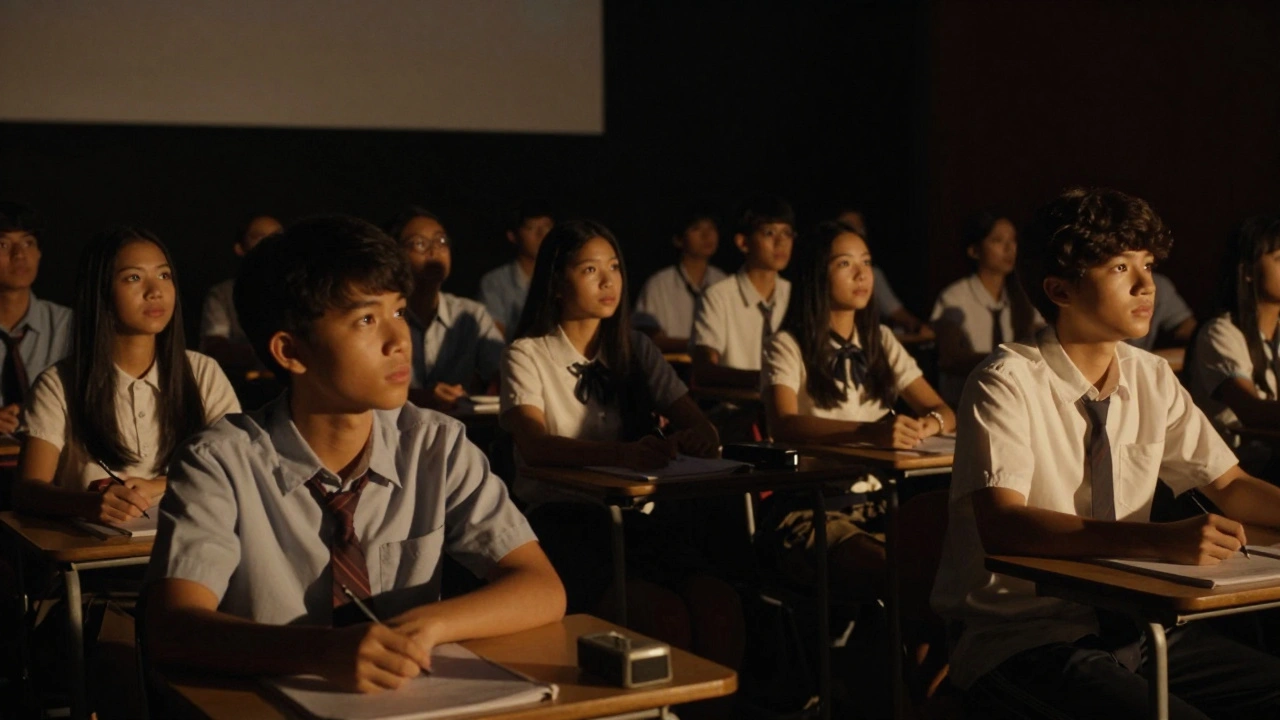
For years, Hollywood dominated the global film scene. But in the last decade, something quiet but powerful has been happening in Southeast Asia. Films from Thailand, Indonesia, the Philippines, Vietnam, and Myanmar aren’t just finding audiences abroad-they’re winning top prizes, sparking global conversations, and reshaping what international cinema looks like.
Breakthroughs That Changed the Game
It started with a few bold films that refused to play by Western rules. In 2018, Parasite a South Korean film that won the Palme d'Or and Best Picture Oscar opened doors-but Southeast Asian cinema had already been building momentum. Thailand’s Uncle Boonmee Who Can Recall His Past Lives (2010) won the Palme d’Or at Cannes, proving that slow, spiritual storytelling could resonate globally. Indonesia’s The Wailing (2016) terrified audiences at Sundance. The Philippines’ On the Job (2013) became a cult hit at Toronto, and Vietnam’s The House of the Rising Sun (2021) made critics weep at Venice.
These aren’t one-offs. They’re part of a pattern. Southeast Asian filmmakers are no longer trying to imitate Western narratives. They’re telling stories rooted in local myths, political trauma, family dynamics, and urban decay-with a visual language all their own.
What Makes These Films Stand Out?
Western films often rely on clear heroes, fast pacing, and big resolutions. Southeast Asian cinema does the opposite. Take Thailand’s Bad Genius (2017). It’s a heist movie-but instead of guns and chases, it’s about students cheating on a standardized test. The tension comes from silence, glances, and the crushing weight of societal pressure. It grossed over $20 million worldwide, making it one of the highest-grossing Thai films ever.
Indonesian horror doesn’t jump-scare you. It haunts you. Impetigore (2019) uses Javanese folklore and ancestral curses to explore trauma passed down through generations. The film was picked up by Netflix and became one of their most-watched foreign-language horror titles that year.
Philippine films like Ma’ Rosa (2016) and On the Job (2013) don’t glamorize crime. They show how poverty forces people into impossible choices. The camera lingers on faces. No music swells. No hero saves the day. Just raw, unflinching realism.
The common thread? A refusal to explain. These films trust the viewer to sit with discomfort, to read between the lines, to feel the weight of history without being told what to think.
How They’re Getting Seen Worldwide
It’s not just luck. Southeast Asian cinema has built a network of support. Film festivals are key. Cannes, Venice, Berlin, and Toronto now have dedicated sections for Southeast Asian films. In 2023, over 30 films from the region premiered at these top festivals-up from just 8 in 2015.
Streaming platforms jumped in. Netflix has over 120 Southeast Asian titles in its catalog, including originals from Thailand, Indonesia, and Vietnam. Disney+ launched a dedicated Southeast Asian hub in 2024, featuring restored classics and new indie films. Even Amazon Prime has started acquiring regional rights to award-winning dramas.
Co-productions are growing too. A Thai director might partner with a French producer. A Filipino writer teams up with a Korean cinematographer. These collaborations bring funding, technical expertise, and access to global distribution networks.

The Rise of Regional Film Hubs
Thailand’s film industry has been the most visible-but it’s not alone. Jakarta has become a hub for horror and social thrillers, thanks to studios like Visinema Pictures. Manila’s indie scene, supported by the Cinemalaya Philippine Independent Film Festival, has produced over 200 award-winning films since 2005.
Vietnam’s government now offers tax incentives for international co-productions. In 2025, Hanoi hosted its first international film market, drawing buyers from 28 countries. Cambodia and Myanmar are rebuilding their industries after decades of censorship, with young filmmakers using smartphones and social media to reach global audiences.
These aren’t just national scenes. They’re interconnected networks. A filmmaker from Cambodia might study at a film school in Singapore. A screenwriter from Laos might pitch a script to a producer in Kuala Lumpur. The region is becoming a self-sustaining ecosystem.
Challenges Still Facing the Industry
It’s not all success. Funding remains tight. Most Southeast Asian films are made on budgets under $500,000. That’s 1/20th of what a typical Hollywood indie costs. Many filmmakers work day jobs and shoot on weekends.
Censorship is still a problem. In Thailand, films that criticize the monarchy risk being banned. In Vietnam, political themes must be carefully framed. Some directors use allegory-telling stories about ghosts to talk about corruption. Others leave the country to film abroad.
And while streaming platforms are helping, they also homogenize content. A film that wins at Cannes might get edited to fit a 45-minute Netflix format. Some filmmakers feel pressure to make their stories more "accessible" to Western audiences.
Still, the tide is turning. A new generation of filmmakers-raised on YouTube, TikTok, and global cinema-is refusing to compromise. They’re telling stories that are strange, messy, beautiful, and deeply local… and the world is listening.
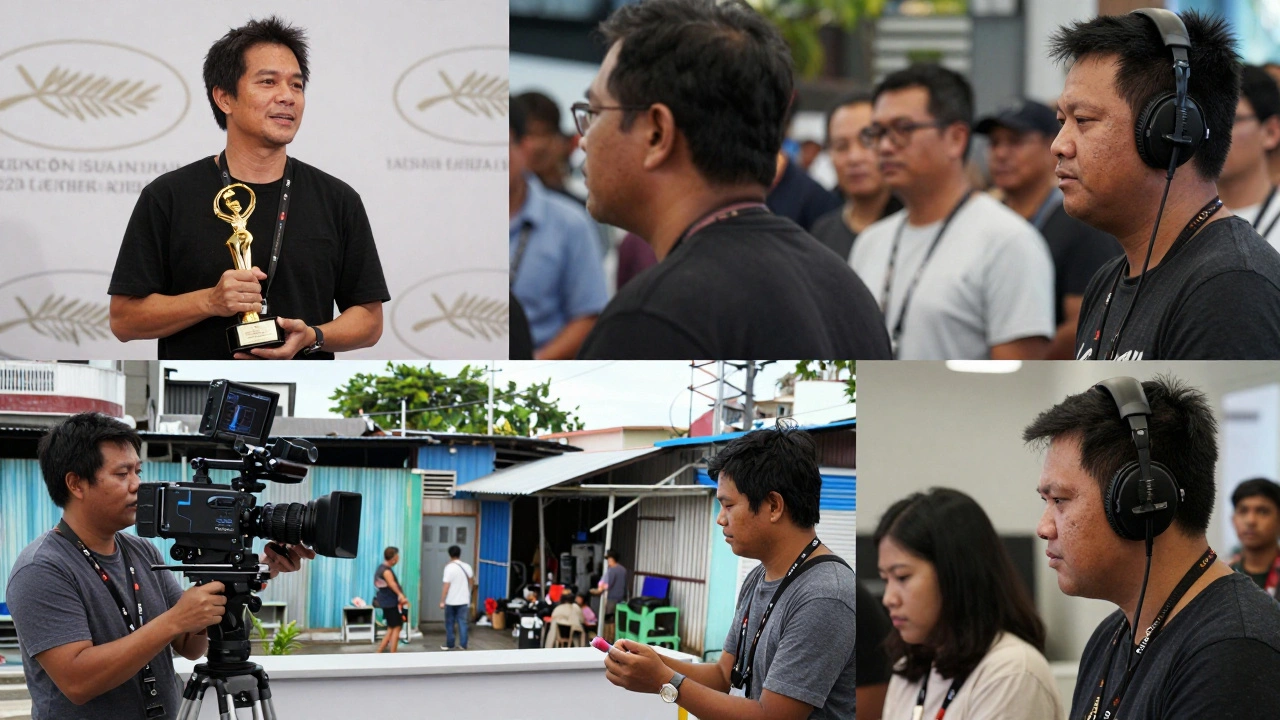
What’s Next for Southeast Asian Cinema?
Look at 2025. Thailand’s The Last Days of the Rain is already generating Oscar buzz. Indonesia’s first animated feature, The Spirit of Nusantara, broke records in Southeast Asia and is being pitched to Pixar. The Philippines is preparing its first submission for the Best International Feature Oscar since 2019.
More importantly, the region is starting to export not just films-but talent. Cinematographers from Vietnam are now working on HBO series. Thai editors are cutting Oscar-nominated documentaries. Indonesian sound designers are winning awards at the BAFTAs.
The next decade won’t be about Southeast Asian cinema "breaking into" the West. It’ll be about the West learning to speak its language.
Why This Matters Beyond Box Office Numbers
When a film from Laos wins a prize at Cannes, it doesn’t just make headlines. It changes how people see the region. No longer just "the next Thailand" or "the next Vietnam," Southeast Asia becomes a mosaic of voices, histories, and dreams.
These films challenge stereotypes. They show that poverty isn’t a backdrop-it’s a character. That tradition isn’t quaint-it’s alive, breathing, and sometimes violent. That family love can be as dangerous as it is beautiful.
For audiences outside the region, these films offer something rare: authenticity without exoticism. They don’t ask you to admire them. They ask you to understand them.







Comments(7)