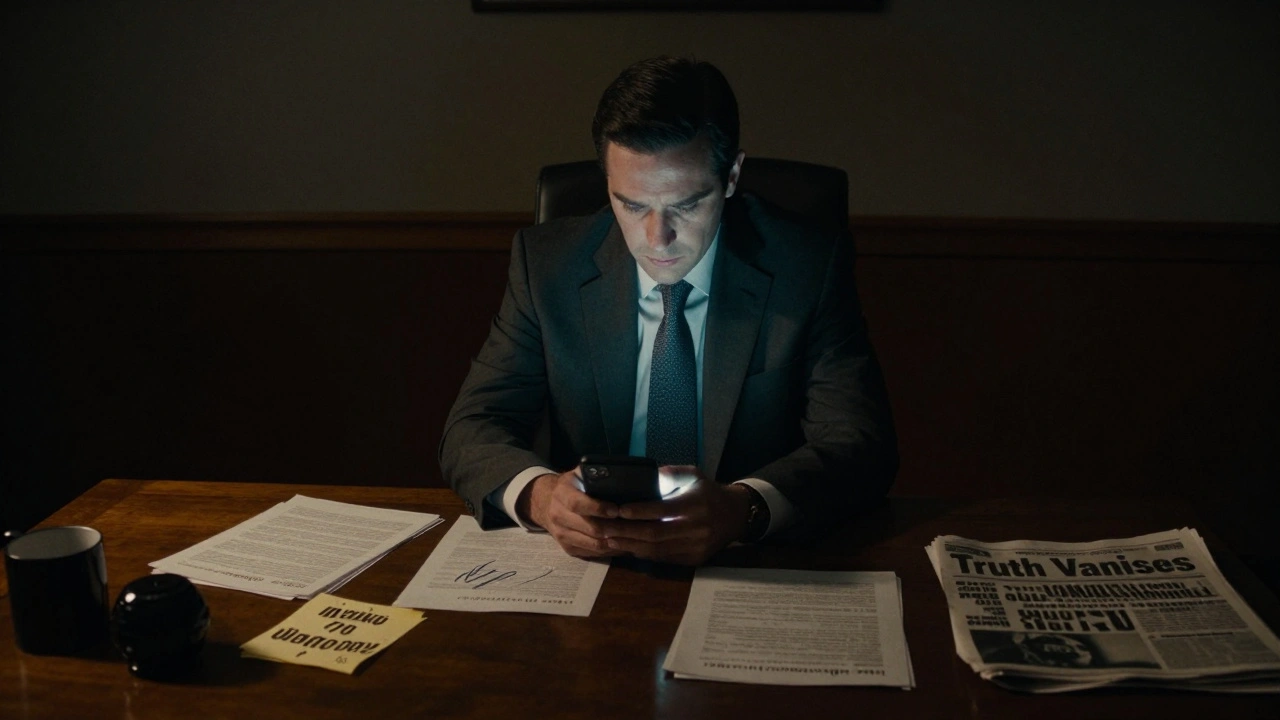
When a politician lies to get elected, when a general uses war to stay in control, or when a CEO turns a public service into a private empire - we don’t just hear about it in the news. We see it unfold on screen. Cinema doesn’t just reflect politics; it dissects it. Power and corruption in film aren’t just plot devices. They’re the heartbeat of stories that make us question who really holds the reins - and at what cost.
Power Isn’t Just About Titles
Think of power in politics as something bigger than a title or a suit. In film, it’s the quiet nod that silences a room, the phone call that vanishes a whistleblower, the law rewritten in the dead of night. Movies like House of Cards (the original UK version) and The Godfather show that real power doesn’t always come from elections. It comes from loyalty, fear, and secrets.
In All the King’s Men (1949), Governor Willie Stark starts as an idealist who wants to build hospitals for the poor. But by the end, he’s using blackmail, bribes, and rigged elections to stay in charge. The film doesn’t paint him as a monster. It shows how power changes a person - not overnight, but in small, convincing steps. He tells his aide, "There’s no such thing as a little bit of corruption. It’s all or nothing." That line isn’t just dialogue. It’s the rulebook of political decay.
Corruption as a System, Not a Sin
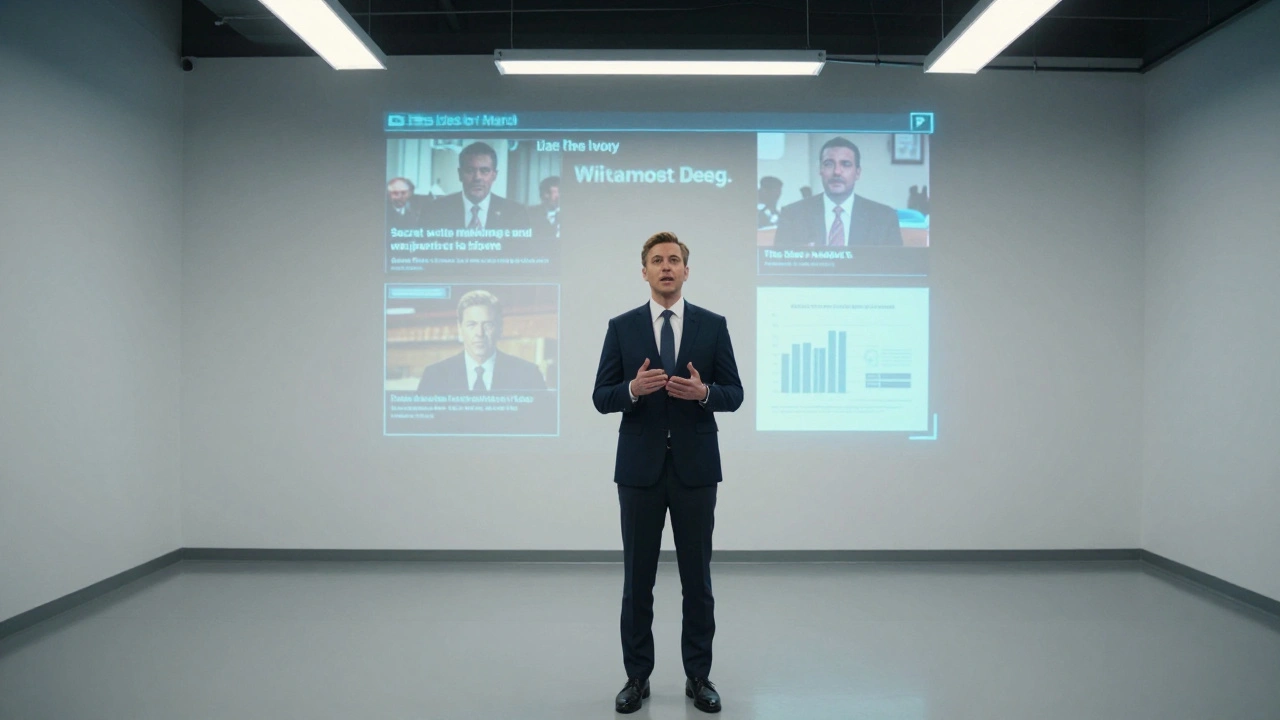
Most people think corruption means a politician taking cash under the table. But cinema shows us it’s deeper than that. It’s about systems that reward loyalty over truth, silence over justice. In The Ides of March (2011), a young campaign manager watches his boss, a senator running for president, make deals with lobbyists, smear opponents, and abandon promises - all while telling the public he’s "authentic." The film’s chilling moment isn’t a scandal. It’s when the protagonist realizes he’s no longer shocked. He’s become part of the machine.
Compare that to Wag the Dog (1997), where a PR wizard and a Hollywood producer fabricate a war to distract voters from a presidential scandal. The war doesn’t happen. The war doesn’t need to happen. All that matters is that people believe it did. The film doesn’t show a corrupt politician. It shows a system that doesn’t care if the truth exists anymore.
Who Gets to Be the Hero?
Most political films give us a hero - the reformer, the whistleblower, the honest cop. But the best ones make you wonder: is the hero really fighting the system… or just trying to win it?
In Michael Clayton (2007), a fixer for a law firm uncovers a corporate cover-up that could kill thousands. He tries to expose it. But he’s not a crusader. He’s a man who’s spent years cleaning up messes for the powerful. His moral awakening doesn’t lead to victory. It leads to death. The film doesn’t offer hope. It offers truth: in systems built on corruption, even good people get buried.
Meanwhile, Network (1976) turns the idea of rebellion on its head. A news anchor, Howard Beale, goes mad on air and starts preaching truth. The network doesn’t fire him. They make him a ratings hit. They monetize his rage. The system doesn’t crush dissent. It eats it. And turns it into entertainment.
Corruption Isn’t Always Obvious
The most dangerous kind of corruption isn’t the one with the suitcase of cash. It’s the one that feels normal.
Look at The Post (2017). The government lies about the Vietnam War. The press hesitates. The publisher, Katharine Graham, almost doesn’t publish the truth because she’s afraid of losing her social standing, her connections, her reputation. The film doesn’t show a villain. It shows a system where silence is the default. Where speaking up isn’t brave - it’s risky.
Or take Argo (2012). The CIA fakes a sci-fi movie to rescue Americans from Iran. The real story? A government that lies to its own people to cover up a botched operation. The film celebrates the mission - but never asks: why was the CIA in Iran in the first place? The movie doesn’t challenge power. It just makes us cheer for the cover-up.
What Do These Films Want Us to Do?
These aren’t just stories. They’re warnings. And they’re not just about presidents or generals. They’re about us.
When we accept a politician who says "I’ll fix everything" but never explains how - we’re playing along with the script. When we laugh at a corrupt character in a movie because he’s "so bold," we’re normalizing what should terrify us. When we say "politics is dirty, so what can you do?" - we’re giving up our power before we even try.
Real change doesn’t come from one hero saving the day. It comes from millions of people refusing to look away. From asking: who benefits? Who’s being silenced? Who’s being lied to? Cinema doesn’t give us answers. It gives us questions. And sometimes, that’s more dangerous - and more powerful - than any law.
Why These Stories Still Matter Today
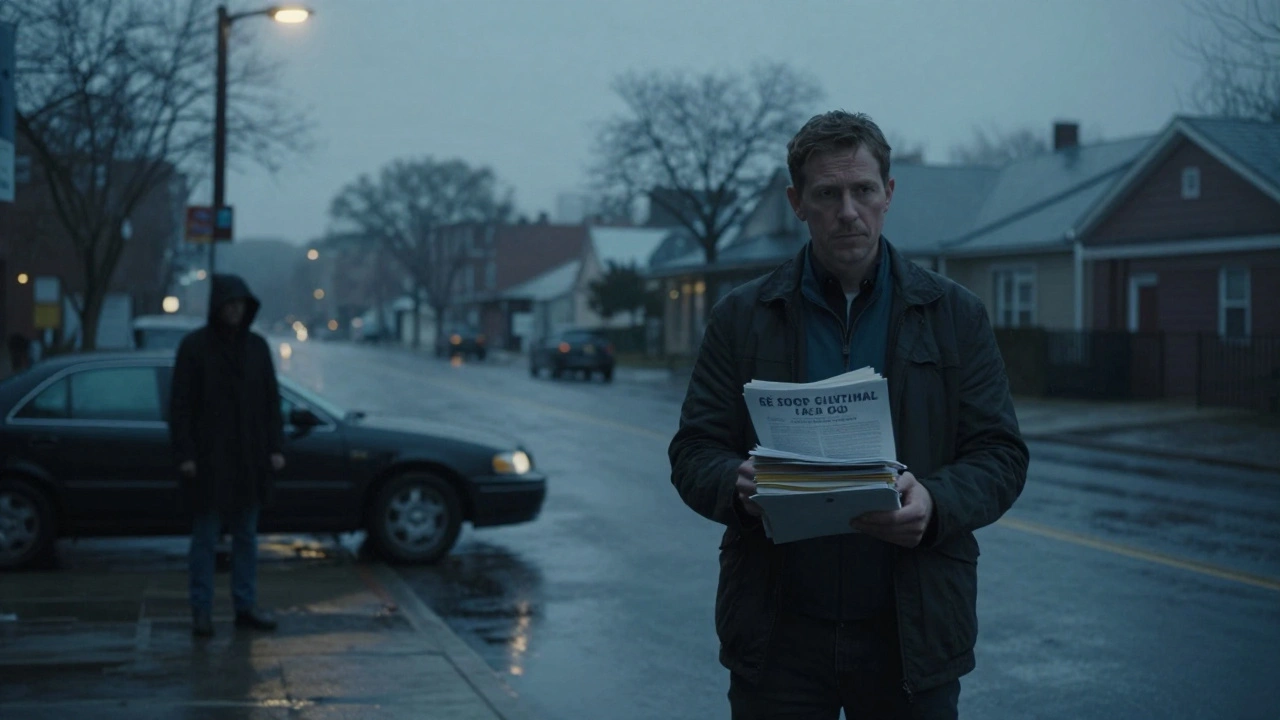
It’s 2026. Social media spreads lies faster than ever. Algorithms reward outrage, not truth. Political ads are now AI-generated deepfakes. And yet, the patterns from 50 years ago still hold.
Look at Idiocracy (2006). It’s a comedy. But it’s also a prophecy. In the future, intelligence is punished. Ignorance is rewarded. The president is a guy who doesn’t know how to read. The film doesn’t say the world got dumb. It says we let it happen. We stopped caring about facts. We chose entertainment over responsibility.
Today, we’re not in a dystopia. We’re in the middle of it. And the films that predicted it didn’t do it with explosions. They did it with quiet moments: a pause before a lie, a glance that says "we both know," a hand shaking on a microphone before a speech that wasn’t written by the speaker.
Where to Start Watching
If you want to understand power and corruption through film, start here:
- The Godfather (1972) - Power as family, corruption as tradition
- All the King’s Men (1949) - How idealism becomes tyranny
- Wag the Dog (1997) - Manufactured reality as political tool
- Michael Clayton (2007) - The cost of silence
- Network (1976) - When truth becomes a product
- The Post (2017) - Journalism as resistance
- Idiocracy (2006) - The comedy that wasn’t funny
Watch them not to be entertained. Watch them to be unsettled. Because the real danger isn’t the corrupt leaders. It’s the audience that stops asking questions.
Why do political films focus so much on corruption?
Because corruption reveals the gap between what power claims to be and what it actually does. Films use corruption as a lens to show how systems fail - not because of evil individuals, but because of incentives, fear, and silence. When a character takes a bribe, it’s not just about money. It’s about trust breaking down. And that’s something every viewer understands.
Are these films biased against politicians?
Not necessarily. Most of these films aren’t about politicians being bad. They’re about systems that reward bad behavior. The real villain isn’t the person in charge - it’s the structure that lets them get away with it. That’s why the best political films make you look at yourself: Are you part of the system? Are you silent? Are you complicit?
Do real politicians watch these films?
Some do. And they often hate them. Why? Because these films don’t show them as heroes. They show them as products of a broken system. That’s uncomfortable. It’s why campaigns avoid screenings. But that discomfort is exactly why the films matter. They’re not propaganda. They’re mirrors.
Can cinema change politics?
Not directly. But it can change how people think. Films like Spotlight or The Insider didn’t stop corruption. But they made people ask harder questions. They gave voice to victims. They made audiences care. And that’s the first step toward change. Cinema doesn’t fix the system. But it can wake up the people who can.
Why do older films like Network feel so current?
Because the tools changed, but the human behavior didn’t. In 1976, TV networks used ratings to control truth. Today, social media uses clicks. The algorithm replaced the news anchor, but the hunger for outrage stayed the same. The same forces that made Howard Beale a star are now making TikTok influencers into political voices. The machine just got faster.




Comments(5)