Investigative documentaries don’t just tell stories-they uncover truths others want buried.
When a documentary exposes corruption in a government agency, reveals abuse in a corporate supply chain, or uncovers hidden environmental damage, it’s not magic. It’s the result of months, sometimes years, of careful work behind the scenes. The real challenge isn’t finding the story-it’s proving it’s true without putting anyone in danger.
Fact-checking in investigative documentaries isn’t like checking a Wikipedia page. It’s not about verifying public records. It’s about tracing paper trails, matching timestamps on leaked files, cross-referencing witness accounts with financial data, and confirming identities when names have been changed for safety. One wrong detail can destroy a film’s credibility-and put a source at risk.
How do documentary teams verify what they’re told?
Every claim in a serious investigative documentary goes through a three-layer verification process. First, they get the raw material: a document, a recording, an email chain. Then they find independent proof. That could mean matching a bank transaction ID from a whistleblower’s file with a public regulatory filing. Or comparing the license plate of a vehicle seen in secret footage with DMV records.
Second, they find a second, unrelated source. If a former employee says a company dumped toxic waste, the team doesn’t stop there. They track down a former truck driver who worked the same route, a local water quality report from a different agency, or satellite images showing changes in soil composition over time. One source is a tip. Two independent sources are a pattern. Three or more? That’s evidence.
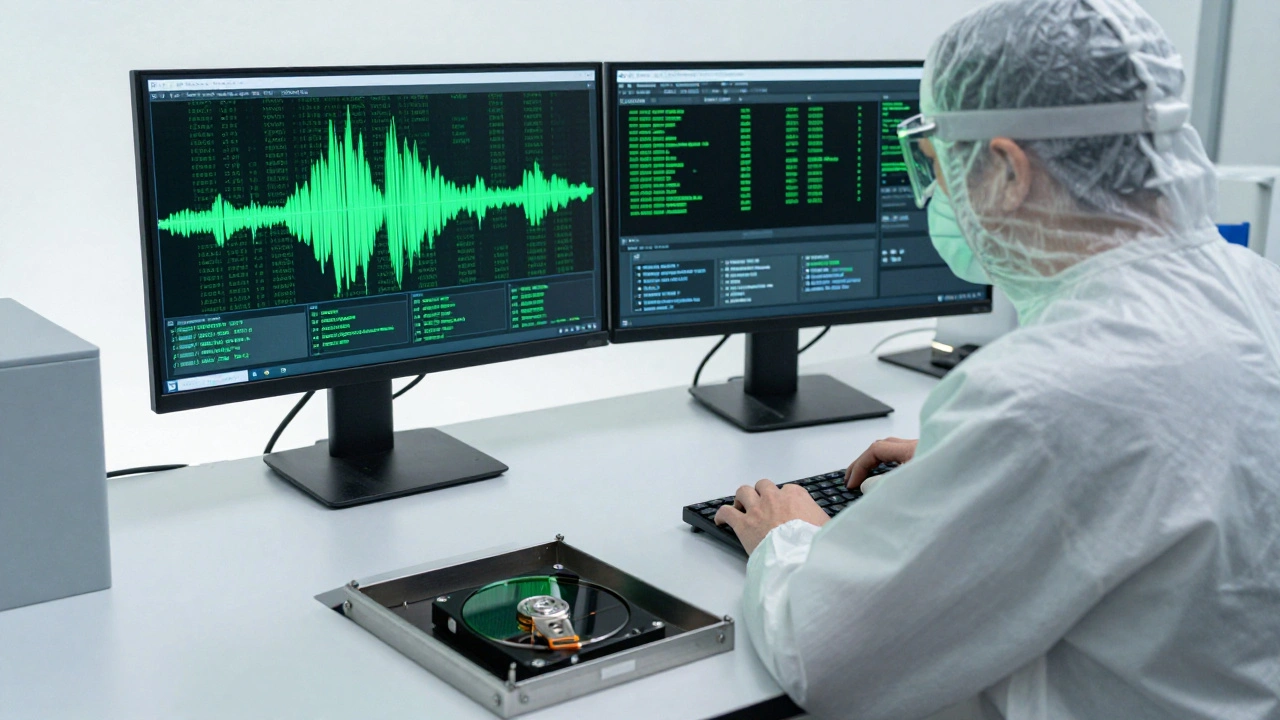
Third, they test for bias. Was the whistleblower fired? Did they have a personal grudge? Did the source have access to the information they’re claiming? Documentary teams often bring in forensic analysts, data scientists, or even retired investigators to review materials with fresh eyes. The goal isn’t to prove the story is true-it’s to prove it can’t be disproven.
Protecting sources isn’t optional-it’s survival.
When a source talks to an investigative filmmaker, they’re not just sharing information. They’re risking their job, their freedom, even their life. In 2023, at least 17 journalists and whistleblowers involved in documentary projects were arrested or targeted in retaliation across five countries. That’s why source protection is built into every step of production.
Secure communication starts before the first interview. Teams use encrypted messaging apps like Signal or Briar, never WhatsApp or iMessage. They avoid using work devices or company Wi-Fi. Sources are often given burner phones, preloaded with secure apps and no personal data. Meetings happen in public places with no cameras, sometimes in different cities, sometimes with decoy routes.
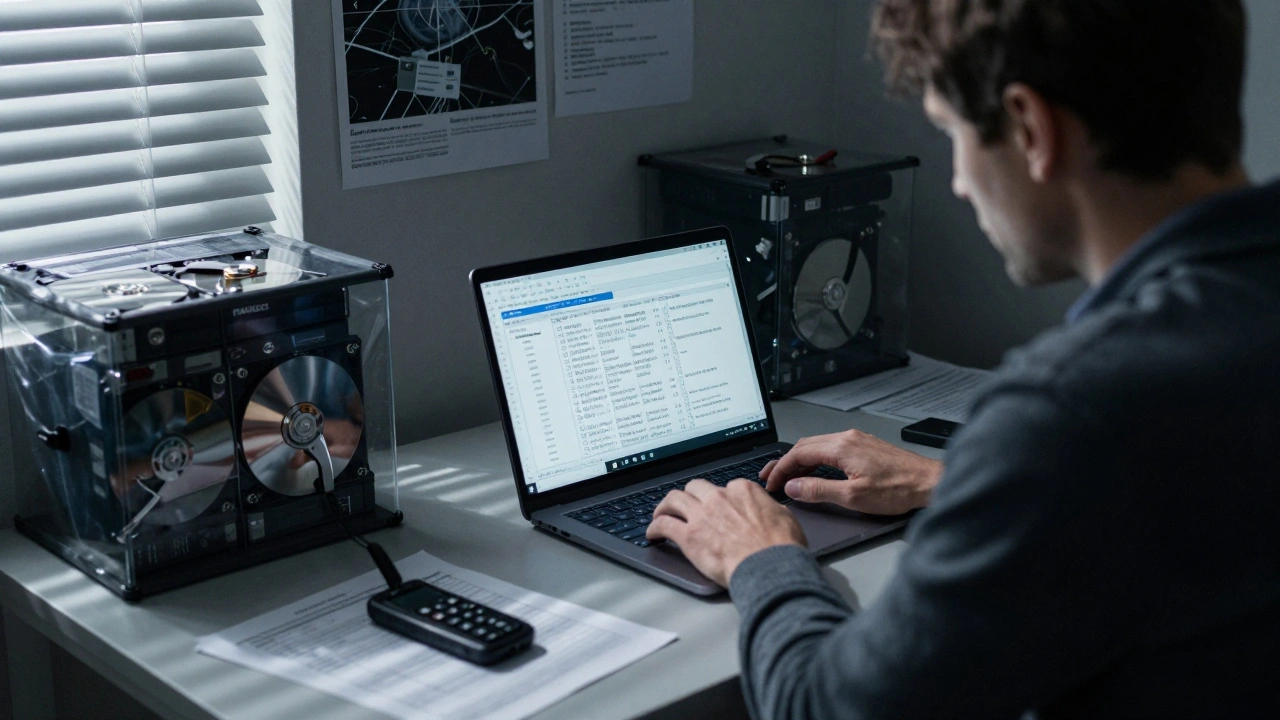
Files are stored offline. Hard drives are kept in Faraday bags to block signals. Encryption keys are split between two people who never meet. One producer holds the password. A researcher holds the physical drive. Neither can access the material alone. When a source asks to remain anonymous, the team doesn’t just blur their face. They remove metadata from videos, alter voice patterns using software, change clothing, and sometimes even reshoot scenes with actors to avoid matching physical details.
In one case, a documentary about illegal logging in the Amazon used a source who provided internal emails from a timber company. The team didn’t just hide the source’s voice-they scrubbed every email header, changed the date stamps, and recreated the entire document set using a different font and layout. The original files were destroyed after being copied. The source never appeared on camera. The story aired anyway.
The tools they use aren’t flashy-but they’re life-saving.
Investigative teams rely on a mix of free and professional tools, chosen for reliability, not popularity. For document analysis, they use ExifTool to strip metadata from photos and videos. For verifying timestamps, they use time.is and cross-check with official weather archives or astronomical data. For geolocation, they use Google Earth Pro and SunCalc to match shadows and lighting angles to exact dates and locations.
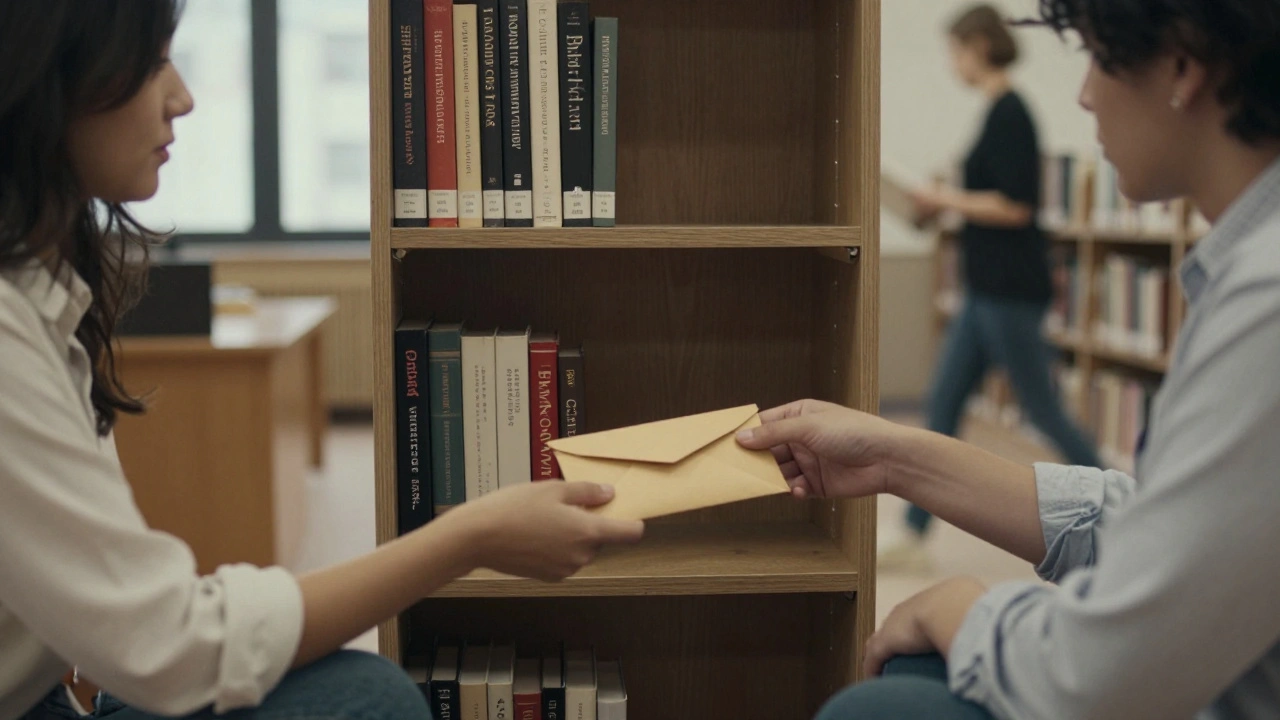
For communication, Signal is the gold standard. But teams also use OnionShare to send files over the Tor network, and SecureDrop for anonymous submissions from sources who can’t risk direct contact. Some teams even use old-school methods: handwritten notes, dead drops in public libraries, or coded messages buried in seemingly normal emails.
When it comes to storing data, they avoid cloud services entirely. Instead, they use encrypted external drives, sometimes hidden in plain sight-inside books, inside fake power strips, inside luggage checked on flights. One team kept their entire archive in a locked metal box buried under a floorboard in a rented apartment they paid for in cash.
What happens when things go wrong?
Even with all the precautions, mistakes happen. In 2022, a documentary about pharmaceutical price gouging was pulled from festivals after a source’s identity was accidentally revealed through a background reflection in a window. The source lost their job and was forced to flee the country. The filmmakers spent the next year working with legal teams to get the source asylum.
Another team lost six months of footage when a hard drive was stolen from a hotel room. They had backed up the files-but the backup was stored on the same cloud account as their personal email. A hacker accessed it through a reused password. That mistake cost them their funding, their reputation, and the story.
These aren’t rare cases. They’re warnings. The best investigative teams now run regular security audits. Every six months, they test their systems: Can someone guess the password? Can they trace a file back to the source? Can they identify a person from a 3-second clip? If the answer is yes, they change everything.
Why does this matter to viewers?
When you watch an investigative documentary, you’re not just watching a film. You’re seeing the result of people risking everything to make sure what you’re seeing is real. The trembling voice, the blurred face, the silent nod-those aren’t cinematic choices. They’re survival tactics.
And when a documentary gets it right, the impact is real. In 2024, a film exposing child labor in a global electronics factory led to a Senate hearing, the firing of three executives, and new supply chain laws in three countries. That wouldn’t have happened if the filmmakers had rushed the facts or failed to protect their sources.
Truth doesn’t just need to be found. It needs to be protected. And the people who do this work aren’t heroes-they’re professionals who know the cost of getting it wrong.
What makes a documentary credible?
Credibility isn’t about how dramatic the footage is. It’s about transparency in process. The best investigative documentaries include footnotes-on-screen text that explains where a document came from, who verified it, and how. They show the chain of evidence. They don’t just say, ‘We have proof.’ They show you how they got it.
Look for films that name their verification partners: forensic accountants, data journalists, legal experts. If a film doesn’t explain how it confirmed its claims, be skeptical. Real investigative work leaves traces-not just in the story, but in the method.
Can anyone make an investigative documentary?
Technically, yes. But doing it responsibly? That’s a different story. You don’t need a big budget. You need patience, discipline, and a deep respect for the people who trust you with their lives. Many breakthrough documentaries have been made by single filmmakers with a laptop and a secure phone. What they lacked in resources, they made up for in rigor.
If you’re starting out, begin with small stories. Verify one claim before moving to the next. Learn how to use ExifTool. Practice secure communication. Talk to journalists, not just filmmakers. Build relationships with people who know how to protect information.
There’s no shortcut. And there shouldn’t be.
How do investigative documentary teams verify sources without revealing them?
Teams use multiple independent sources to confirm details-like matching leaked documents with public records, verifying locations through satellite imagery, or cross-referencing witness accounts with third-party data. They never rely on a single source. Identity protection comes from removing metadata, altering voices, changing appearances, and storing files offline in encrypted, physically secured devices.
What’s the most common mistake in protecting sources?
The most common mistake is using the same password or device across personal and professional accounts. Many sources are exposed because filmmakers reuse passwords, store encrypted files on cloud services, or use unsecured Wi-Fi during interviews. Even a single misplaced email or unencrypted backup can compromise an entire project.
Are encrypted apps like Signal enough to protect sources?
Signal is essential, but not enough on its own. Teams combine it with physical security: burner phones, offline storage, Tor-based file sharing, and in-person meetings with decoy routes. Encryption stops digital tracking-but it doesn’t stop someone from being watched entering or leaving a meeting. Protection requires layers, not just tools.
Do investigative documentaries always need anonymous sources?
No. Many documentaries use named sources who are willing to go on record. But when the subject is powerful-corporations, governments, criminal networks-anonymous sources are often the only way to get the truth. The key is not anonymity itself, but whether the information can be independently verified. A named source with no proof is still just a claim.
How long does fact-checking take for an investigative documentary?
It can take months or even years. For every minute of final footage, teams may review hundreds of documents, interview dozens of people, and verify dozens of claims. One film about corporate pollution took 18 months just to confirm the chain of custody for water samples. Rushing verification leads to errors-and real harm.



Comments(7)