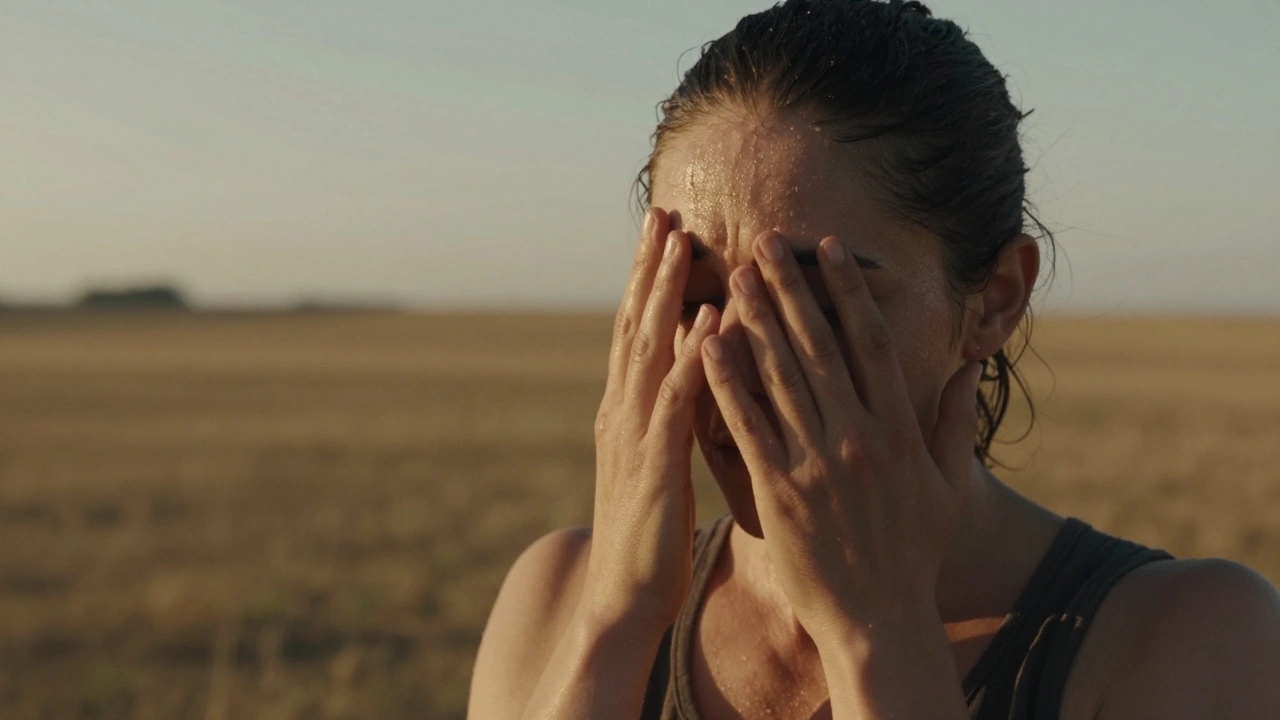
Dance on film isn’t just ballet in a theater recorded with a camera. It’s a different art form entirely-one where movement is shaped by framing, editing, and lighting, not just stage space. When choreographers work with filmmakers, they’re not documenting a performance. They’re building something new: a visual poem where every jump, turn, and pause is designed for the lens, not the front row.
Why Dance Doesn’t Translate Directly to Film
Many assume filming a stage dance is enough. It’s not. A live audience sees the full body in space-the depth, the scale, the energy radiating outward. A camera sees only what it’s pointed at. A grand jeté that fills a 50-foot stage becomes a blurry flicker on screen if the shot is too tight. That’s why early dance films often felt flat. The movement was there, but the soul wasn’t.
Take Martha Graham’s Appalachian Spring (1958). The original stage version used minimal sets and relied on the dancer’s physical presence to convey emotion. The film version, directed by her collaborator Aaron Copland, changed everything. The camera crept close to Graham’s trembling hands, lingered on sweat on her brow, cut to wide shots of empty fields to echo isolation. The dance didn’t just move-it breathed. That’s the difference between recording and reinventing.
How Filmmakers Rewire Movement
Choreography for film doesn’t follow the same rules as stage choreography. On stage, dancers need to face the audience for clarity. On film, they can turn away, move off-screen, or even dance backward-the camera can follow. This freedom changes everything.
Look at Black Swan (2010). Darren Aronofsky didn’t just film ballet. He turned the body into a psychological landscape. The camera dives into the dancer’s perspective during panic attacks. Slow-motion captures the tremble in a toe point. Close-ups of feet slamming the floor aren’t about technique-they’re about pain. The choreography by Benjamin Millepied was designed for these shots. A pirouette wasn’t meant to impress the crowd. It was meant to make the viewer feel dizzy.
Even the editing matters. In The Red Shoes (1948), the 17-minute ballet sequence isn’t one continuous take. It’s stitched from dozens of shots, each timed to the music’s swell. The cuts aren’t invisible-they’re emotional triggers. When the ballerina’s skirt flares in a wide shot, then cuts to her face in extreme close-up, you don’t just see the dance. You feel her unraveling.
The Choreographer as Co-Director
On a film set, the choreographer isn’t just the person who teaches the moves. They’re part of the director’s team. They decide how the body moves through space, how lighting hits muscle, how the camera’s movement interacts with the dancer’s rhythm.
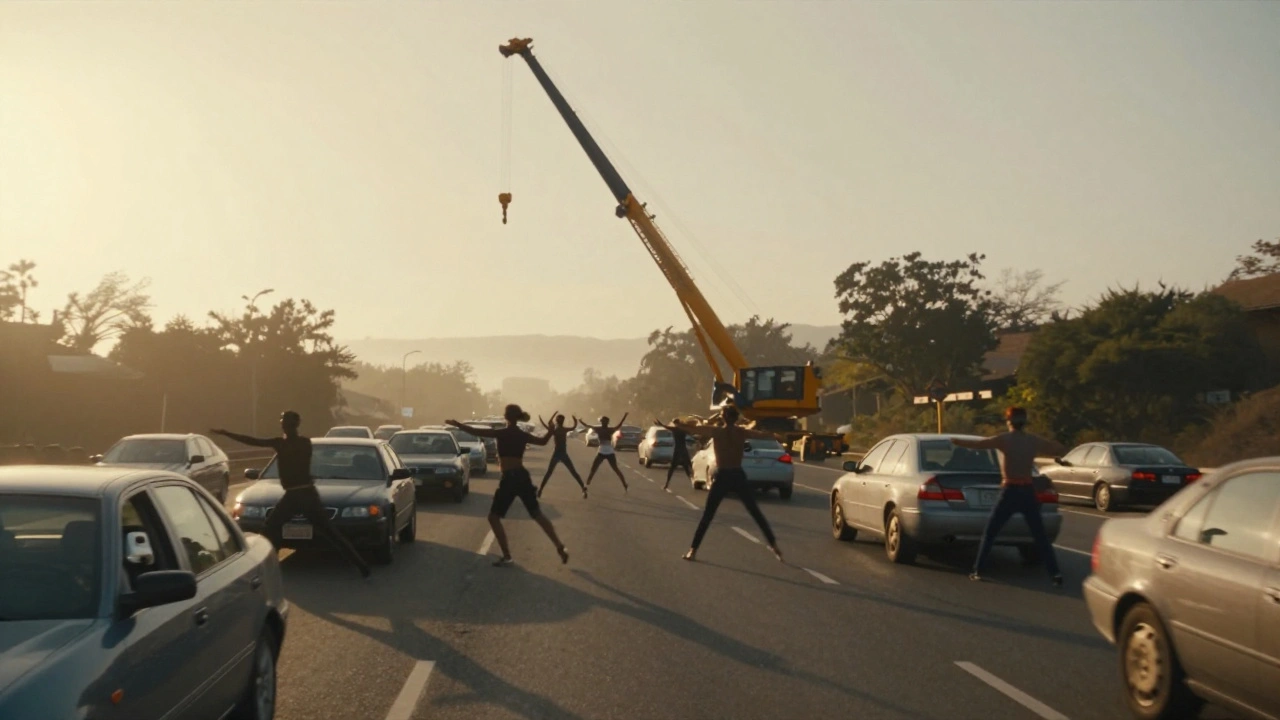
In La La Land (2016), choreographer Mandy Moore didn’t just create dance numbers. She worked with director Damien Chazelle to make movement drive the story. The opening freeway dance isn’t random-it’s a metaphor for chaos and connection. The dancers move in sync, but the camera weaves through them like traffic. The choreography had to account for cars, sunlight, and the physical limits of a real highway. Every step was planned down to the inch.
Same with Swan Lake (2016), the Russian film adaptation. Choreographer Yuri Possokhov spent months rehearsing with the camera crew. He told them when to zoom, when to pan, when to stay still. He didn’t just choreograph the dancers-he choreographed the lens.
Technology Changed the Game
Before digital cameras, dance films were limited by film stock, weight, and speed. Heavy cameras couldn’t follow fast turns. Film ran out after 10 minutes. That’s why early dance films were static-mostly wide shots with little movement.
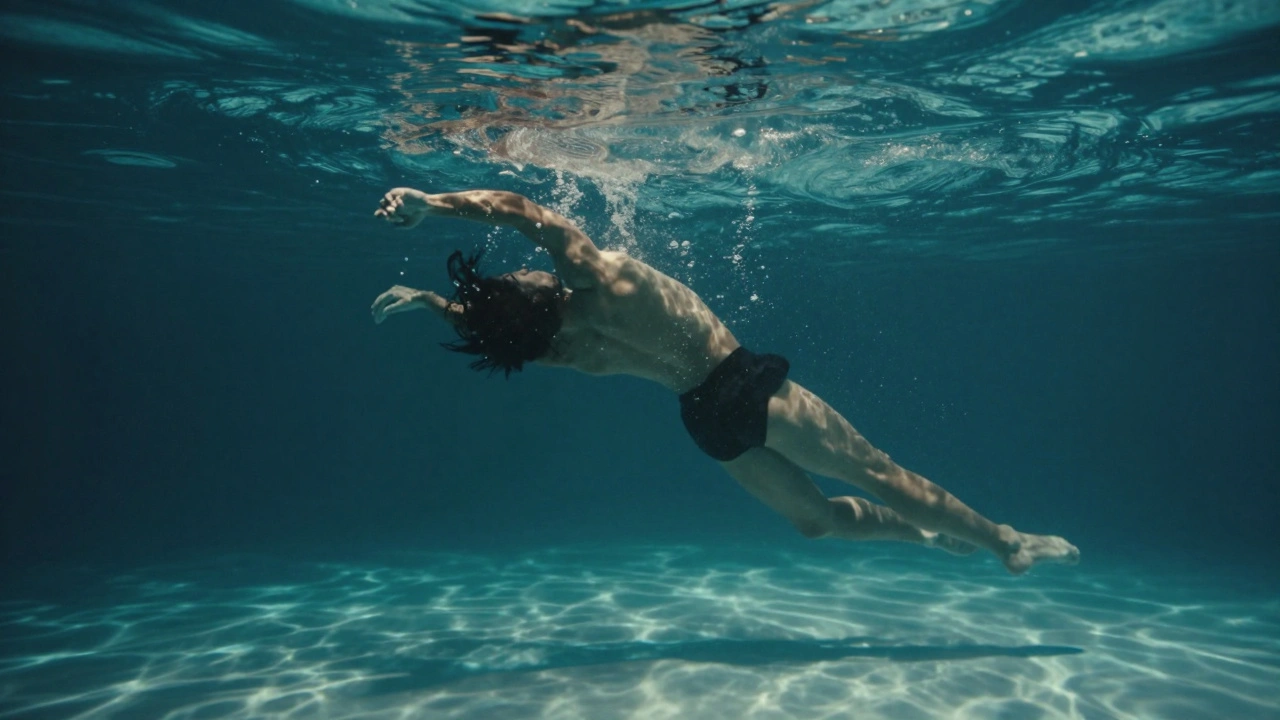
Today, lightweight 4K cameras, gimbals, and drones let filmmakers move with the dancer. In Body of Water (2023), choreographer Crystal Pite used underwater cameras to film dancers moving through a flooded room. The resistance of water changed every motion. The choreography had to be slower, heavier, more deliberate. The camera, floating just inches from the skin, captured every ripple of muscle. That’s impossible on stage.
Even motion capture is being used. In Requiem for a Dance (2022), digital avatars were animated from real dancers’ movements, then placed in impossible environments-a forest made of glass, a city floating in space. The choreography was real, but the world wasn’t. The film asked: What happens to dance when gravity doesn’t apply?
What Makes a Great Dance Film?
Not every dance on film works. Some feel like rehearsal footage. Others feel like music videos with pretensions. The best ones have three things:
- Intentional framing-every shot serves the emotion, not just the movement.
- Camera as dancer-the lens moves with purpose, not randomly.
- Sound and silence as choreography-the music isn’t just background. It’s part of the rhythm.
Take Wings of Desire (1987). There’s no traditional dance. But the way people move through Berlin-walking, dancing alone in empty streets, twirling in slow motion-is pure choreography. The camera glides like a spirit watching. The music, by Gabriel Yared, pulses like a heartbeat. You don’t need ballet to feel the dance.
Or Shall We Dance? (1996). The Japanese film uses ballroom dancing as a metaphor for reconnection. The choreography is simple-no flips, no spins. But the way the camera holds on a hand resting on a shoulder, or the slight hesitation before a step, tells you everything about loneliness and hope.
Where to Start Watching
If you’re new to dance on film, start here:
- Black Swan (2010) - psychological intensity through movement
- The Red Shoes (1948) - classic, cinematic ballet storytelling
- Body of Water (2023) - modern, experimental, water-based choreography
- Wings of Desire (1987) - dance in everyday motion
- Shall We Dance? (1996) - quiet, emotional, human
- Choreography for Camera (2020, PBS) - documentary on how dance films are made
Watch them with sound off. Then with sound on. Notice how the movement changes meaning depending on what you’re listening to-or not.
Why This Matters Now
More than ever, dance on film is breaking boundaries. TikTok dances are choreographed for vertical screens. Virtual reality lets you stand inside a dance. AI tools can generate movement from text prompts. The line between performer and viewer is fading.
But the core hasn’t changed. Dance on film still needs the same thing as live dance: honesty. A body that’s truly moving, not just posing. A camera that sees the effort, the fear, the joy-not just the beauty.
It’s not about how high you jump. It’s about what that jump says when the camera is right there, watching.
Is dance on film the same as a dance recording?
No. A recording captures a live performance as it happens. Dance on film is made for the screen from the start. The choreography, camera angles, editing, and lighting are all designed to create a new experience-not preserve one. A recording might show you the dance. A dance film makes you feel it differently.
Do you need to be a dancer to appreciate dance films?
No. You don’t need to know a pirouette from a plié. What matters is how the movement makes you feel. A great dance film speaks to emotion, not technique. Think of it like listening to a song-you don’t need to know music theory to be moved by it.
Can any choreographer make a dance film?
Technically yes, but it’s rare. Most successful dance films are made by teams-choreographers who understand film, and filmmakers who understand movement. It’s a collaboration. A choreographer who only works on stage might not know how to frame a movement for close-up, or how lighting changes the shape of a body on film.
What’s the difference between a dance film and a music video?
Music videos often use dance as decoration-they’re about the song. Dance films use movement as the story. The choreography carries the emotion, the narrative, the theme. In a music video, the dancer might be one element among lights, effects, and costumes. In a dance film, the body is the main character.
Are dance films still made today?
Yes, and they’re more diverse than ever. Independent filmmakers, dance companies, and even universities are producing them. Festivals like Dance on Camera in New York and the International Festival of Dance Film in Berlin showcase new work every year. Streaming platforms like Kanopy and Criterion Channel now have dedicated dance film sections.


Comments(9)