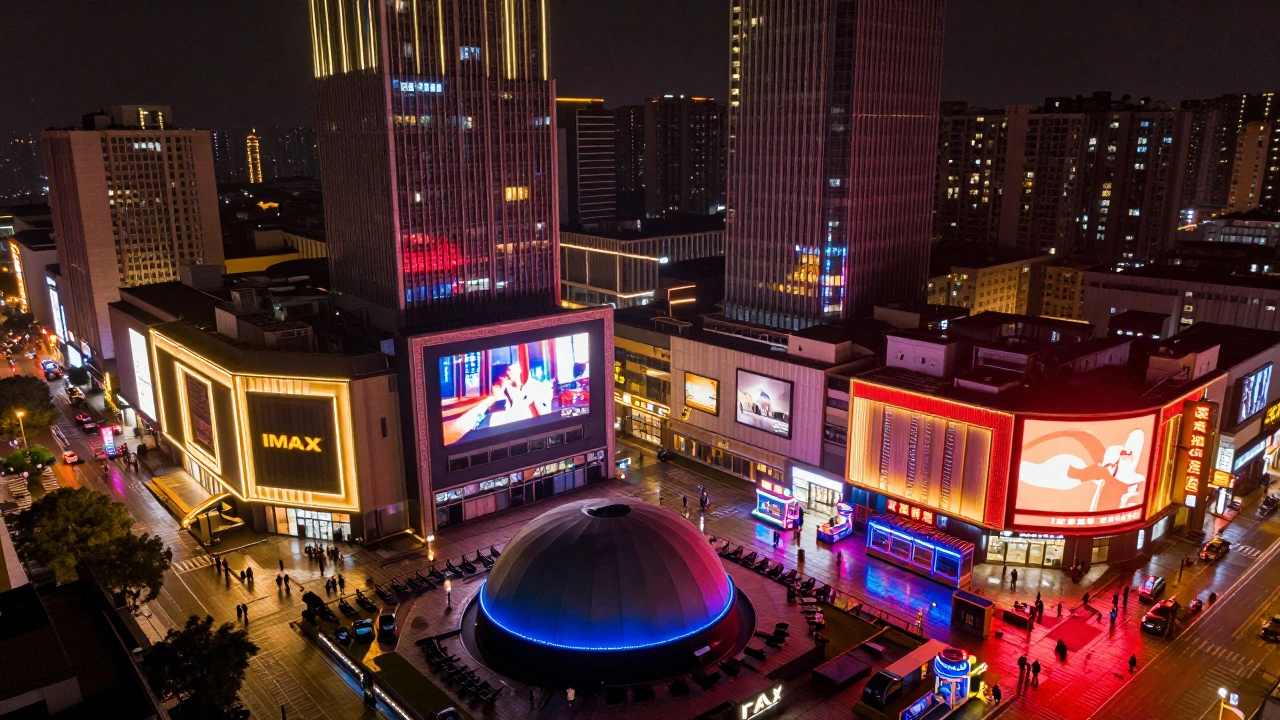
China’s box office hit $9 billion in 2025, making it the largest film market in the world-beating North America for the sixth year in a row. This isn’t just about more screens or bigger cities. It’s about a complete overhaul of how movies are made, funded, and shown. Ten years ago, Hollywood dominated global cinema. Today, Chinese studios are releasing blockbusters that outperform American films at home and are slowly gaining ground overseas.
How China Built Its Film Infrastructure
In 2010, China had fewer than 6,000 movie screens. By 2025, that number jumped to over 85,000. Most of those screens are in second- and third-tier cities-places like Kunming, Changsha, and Xiamen-where people used to have no access to modern theaters. The government pushed this expansion hard, offering tax breaks and low-interest loans to theater chains. Private companies like Wanda Group and Alibaba Pictures invested billions, turning cinemas into entertainment hubs with food courts, VR arcades, and IMAX domes.
But building screens isn’t enough. You need movies to fill them. That’s where state support came in. The National Film Administration started approving fewer foreign films each year-capping imports at 34 per year-and giving domestic productions priority in prime slots. Local filmmakers got access to government grants, studio facilities, and even military equipment for war epics. By 2020, over 70% of the top 10 highest-grossing films in China were Chinese-made.
The Rise of Domestic Blockbusters
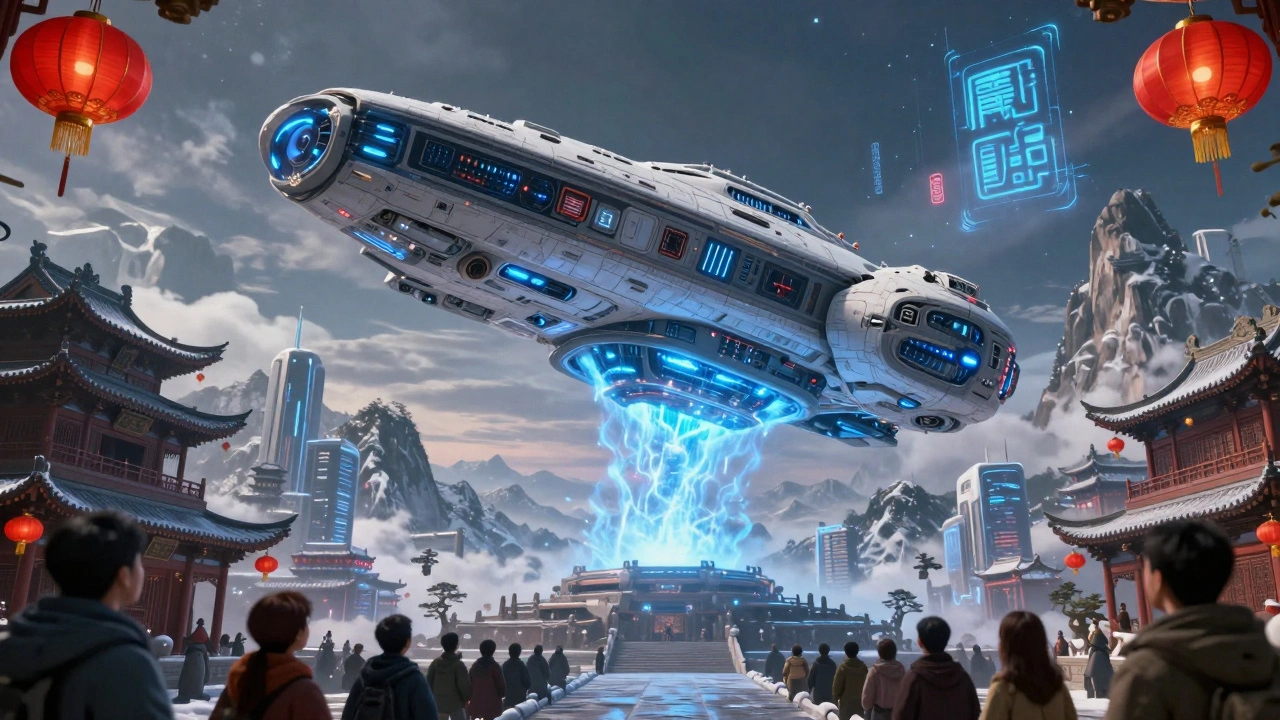
Before 2015, most Chinese films were romantic comedies or low-budget dramas. Then came The Wandering Earth in 2019. It wasn’t just a sci-fi movie-it was China’s first major attempt at a Hollywood-style visual effects epic. Made for $50 million, it earned $700 million globally. Audiences didn’t just watch it; they believed it. For the first time, Chinese viewers saw their own culture, values, and heroes on screen at a scale that matched Hollywood.
That success sparked a wave. The Battle at Lake Changjin (2021) became the highest-grossing film in Chinese history with $900 million, fueled by patriotic sentiment and state-backed promotion. Studios realized they didn’t need to copy Hollywood-they could tell stories rooted in Chinese history, mythology, and modern identity. Films like Full River Red (2023) and The Monkey King: The Legend Begins (2024) used ancient legends as backdrops for high-octane action, blending traditional aesthetics with modern CGI.
These aren’t just box office hits-they’re cultural events. Families go to see them together. Schools organize field trips. Social media explodes with fan theories and costume recreations. The film industry isn’t just making money; it’s shaping national identity.
How the Government Controls the Narrative
China’s film industry doesn’t operate like Hollywood’s. There’s no free market. Every script must pass through the National Film Administration’s review board. Scenes involving politics, religion, or historical controversy get cut. Foreign actors can’t play Chinese heroes. Negative portrayals of the military or police are banned. Even romantic scenes are often toned down to avoid "excessive intimacy."
But this isn’t just censorship-it’s strategy. The government uses film to promote stability, unity, and technological pride. War films glorify sacrifice. Sci-fi shows China leading the future. Historical epics reinforce cultural continuity. Even comedies now include subtle nods to national achievements, like high-speed trains or space missions.
Directors who push boundaries risk losing funding or getting blacklisted. But those who play by the rules get rewarded. The most successful filmmakers today-like Wu Jing and Guo Fan-have built careers by aligning their stories with state values. They don’t make propaganda. They make stories that feel true to millions of viewers, and the state helps them reach those viewers.
China’s Global Reach Is Growing
For years, Chinese films barely registered outside Asia. Now, they’re hitting theaters in Southeast Asia, Africa, and Latin America. In 2024, The Wandering Earth 2 earned $120 million in Indonesia alone. In Nigeria, Chinese action films outsold Hollywood imports. Streaming platforms like Tencent Video and iQIYI have launched international versions, offering dubbed or subtitled versions of top Chinese films in 15 languages.
Some of these films are finding unexpected audiences. In Brazil, Full River Red became a cult hit because of its tight pacing and intricate plot. In Egypt, The Monkey King resonated because of its mythological roots. Chinese studios now hire local marketers in target countries instead of relying on distributors. They understand that global success doesn’t come from copying Hollywood-it comes from telling stories that connect.
Even Hollywood is taking notice. Netflix and Amazon have signed co-production deals with Chinese studios. Disney’s Mulan (2020) was shot in China with a Chinese director and crew. Studios in Los Angeles now send teams to Beijing to pitch ideas that might appeal to Chinese audiences.
What’s Next for Chinese Cinema
China’s film industry is no longer just about quantity. It’s about quality. Studios are investing in training programs for visual effects artists, screenwriters, and stunt coordinators. The Beijing Film Academy now has more international students than ever. Graduates are moving into roles at studios like Light Chaser Animation and Bona Film Group.
AI is starting to play a role too. In 2025, a Chinese studio used generative AI to restore and colorize 1930s silent films, releasing them with new soundtracks. Other studios are experimenting with AI-driven script analysis to predict audience reactions before filming begins.
The biggest challenge? Going beyond domestic appeal. Chinese films still struggle to win over Western critics. They rarely get nominated for Oscars. The language barrier, cultural differences, and lack of star power outside China make global recognition hard. But that’s changing. In 2024, a Chinese indie film, After the Rain, won the Grand Jury Prize at Sundance. It was the first time in 12 years.
China’s film industry didn’t grow by accident. It grew because the government, studios, and audiences all aligned around one goal: to make movies that matter to Chinese people-and eventually, to the world.
Why This Matters for Global Film
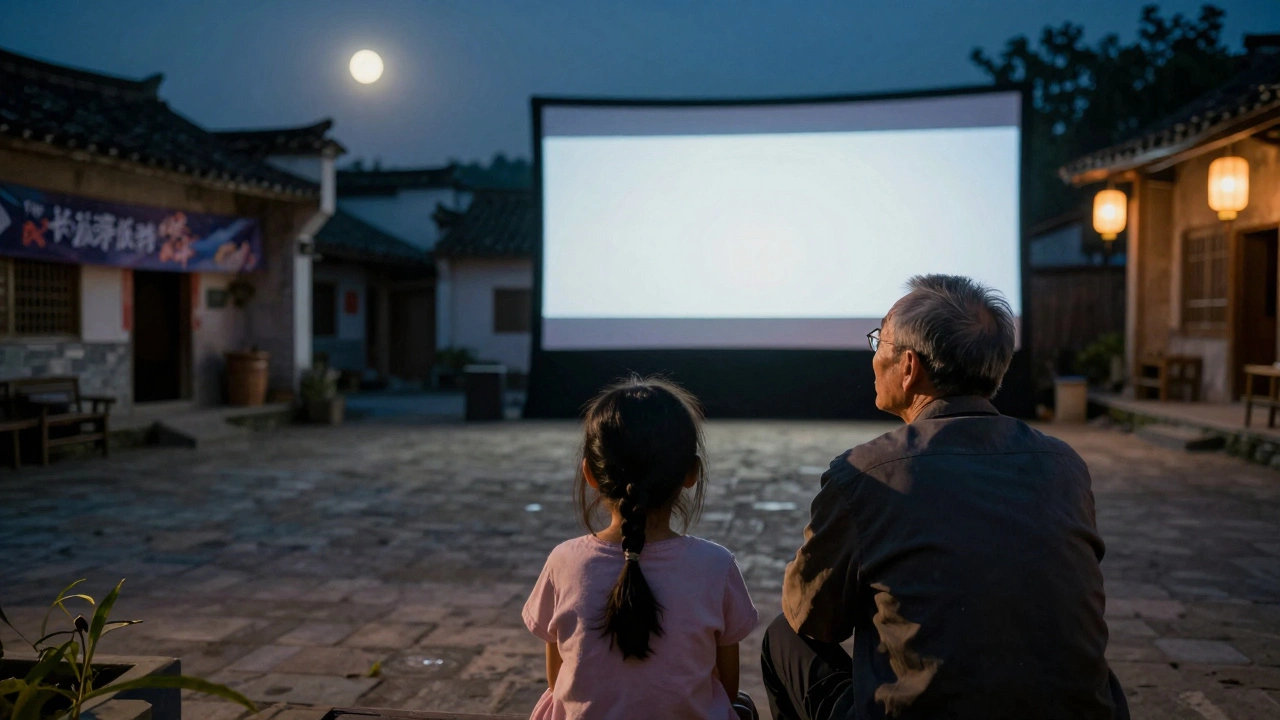
For decades, Hollywood set the global standard. Now, China is showing another way. It’s not about replacing Hollywood-it’s about expanding what cinema can be. A film doesn’t have to be made in English to be a global hit. A story doesn’t have to center on American individualism to move audiences. The rise of Chinese cinema proves that audiences everywhere want authenticity, not imitation.
For filmmakers outside China, the lesson is clear: local doesn’t mean small. If you tell a story rooted in your culture with passion and skill, it can travel farther than you think.
Why is China’s box office bigger than the U.S. now?
China has over 85,000 movie screens compared to around 40,000 in the U.S., and most are in growing cities where people are spending more on entertainment. The government also limits foreign film imports, giving local films more screen time. Plus, Chinese audiences prefer homegrown stories that reflect their culture and values.
Are Chinese films only popular inside China?
No. Chinese films are now major hits in Southeast Asia, Africa, and Latin America. Titles like The Wandering Earth 2 and Full River Red earned over $100 million each in countries like Indonesia, Nigeria, and Brazil. Streaming platforms like iQIYI and Tencent Video are expanding globally, offering dubbed versions in 15 languages.
Do Chinese filmmakers have creative freedom?
Creative freedom is limited. All scripts must pass government review. Topics like politics, religion, and historical dissent are banned. Foreign actors can’t play Chinese heroes. But many directors work within these limits by focusing on patriotism, history, and sci-fi-genres that still allow for strong storytelling and big visuals.
How do Chinese studios make such big-budget films?
They get funding from state-backed studios, private conglomerates like Wanda and Alibaba, and government grants. Many films are co-produced with international partners, especially for visual effects. China also has a growing pool of skilled VFX artists trained in domestic studios and universities.
Can Chinese films compete at the Oscars?
It’s rare, but possible. In 2024, the indie film After the Rain won the Grand Jury Prize at Sundance-the first Chinese film to do so in over a decade. While mainstream Chinese blockbusters rarely get Oscar nods, smaller, artist-driven films are starting to gain international recognition.
What This Means for the Future
The Chinese film industry isn’t just growing-it’s redefining what global cinema looks like. It’s proving that audiences don’t need Hollywood formulas to connect with a story. They need truth, emotion, and cultural resonance. As Chinese studios keep investing in talent, tech, and storytelling, their influence will keep spreading-not by force, but because their films simply work.






Comments(8)