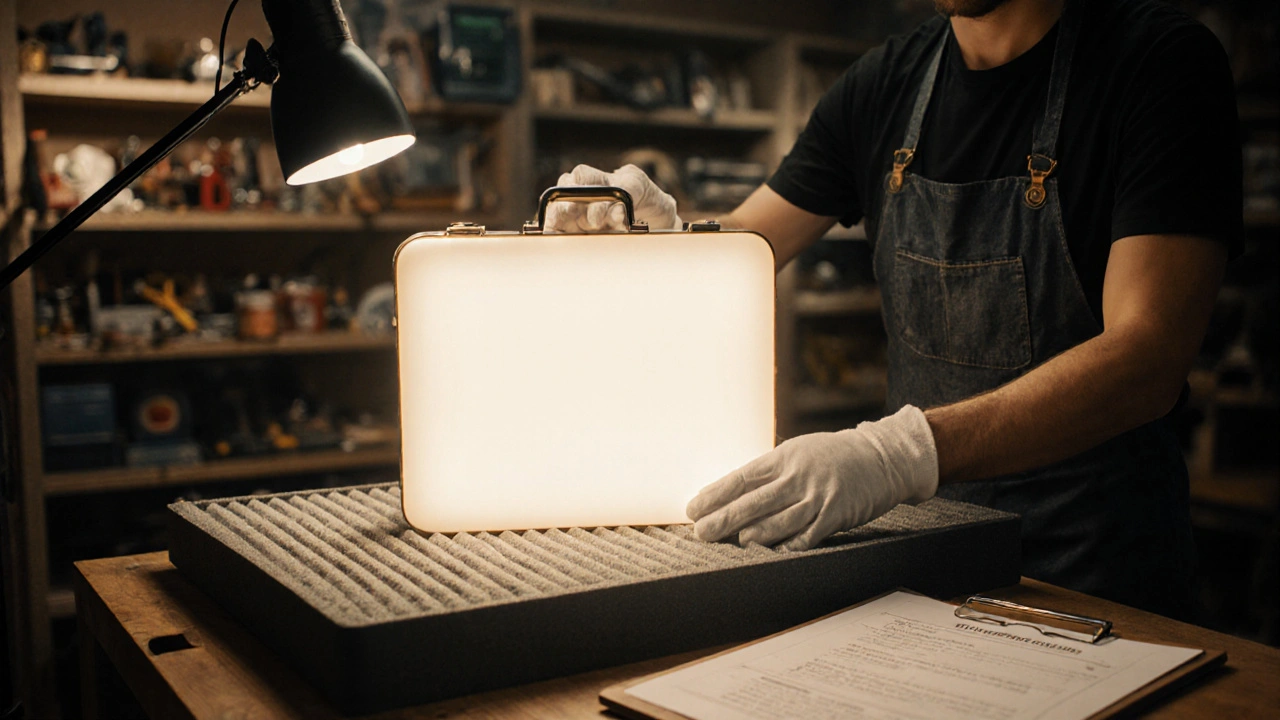
Every great movie or TV show has that one object that sticks in your mind long after the credits roll. Maybe it’s the glowing briefcase in Pulp Fiction, the broken watch in Inception, or the dusty revolver in Westworld. These aren’t just set dressing-they’re hero props. And behind every hero prop is a prop department working overtime to find, build, modify, and protect it.
What Makes a Prop a Hero Prop?
A hero prop is the star of the set. It’s the item that gets close-ups, emotional weight, and plot significance. It’s not just something an actor holds-it’s something the story depends on. A hero prop might be unique, irreplaceable, or carry symbolic meaning. It could be a real antique, a custom-built replica, or a modified everyday object turned into something legendary.
Unlike background props-like coffee mugs or chairs-a hero prop has to perform. It needs to look perfect from every angle, survive repeated handling, and sometimes even move, light up, or break on cue. If the hero prop fails, the scene fails. That’s why prop departments treat them like fragile, high-value assets.
Where Do You Even Start Sourcing Hero Props?
Sourcing hero props isn’t like shopping on Amazon. You can’t just order three of them and hope they match. The process starts with script breakdowns. The prop master reads the script scene by scene, flagging every object that matters. Then comes the real work: tracking down or creating the exact version the director envisions.
Some hero props come from existing collections. Antique dealers, military surplus stores, vintage toy shops, and even private collectors are common sources. For example, the 1970s rotary phone in Stranger Things was sourced from a collector in Ohio who had kept it in perfect condition since the 80s. Others are built from scratch. The wand in Harry Potter wasn’t bought-it was hand-carved, painted, and weighted by a team of artisans over weeks.
When time is tight, prop departments turn to rental houses like Propworx or Hollywood Prop & Costume. These companies maintain massive inventories and can deliver rare items overnight. But even rentals need vetting. A prop that looks right on camera might crack under hot lights or leave residue on an actor’s hands.
How Do You Make Sure a Hero Prop Stays in Perfect Condition?
Once you’ve found or built the hero prop, the real challenge begins: keeping it alive through the shoot. Every handling, every take, every weather effect chips away at it. A single drop can ruin months of work.
Prop departments create detailed care sheets for each hero prop. These include:
- Handling instructions (e.g., “Only touch with clean cotton gloves”)
- Environmental limits (e.g., “Avoid humidity above 50%”)
- Replica count (e.g., “3 backups: one for close-ups, one for stunts, one as spare”)
- Repair protocols (e.g., “If paint chips, use PPG 21112-01 touch-up”)
On set, a dedicated prop assistant is assigned to each hero prop. They’re the only ones allowed to touch it. They carry cleaning kits, spare parts, and sometimes even a small climate-controlled case. In Mad Max: Fury Road, the War Rig’s steering wheel was replaced after every three takes because the leather cracked under the heat of the desert sun and the strain of stunt driving.
How Do You Handle Hero Props That Need to Break or Change?
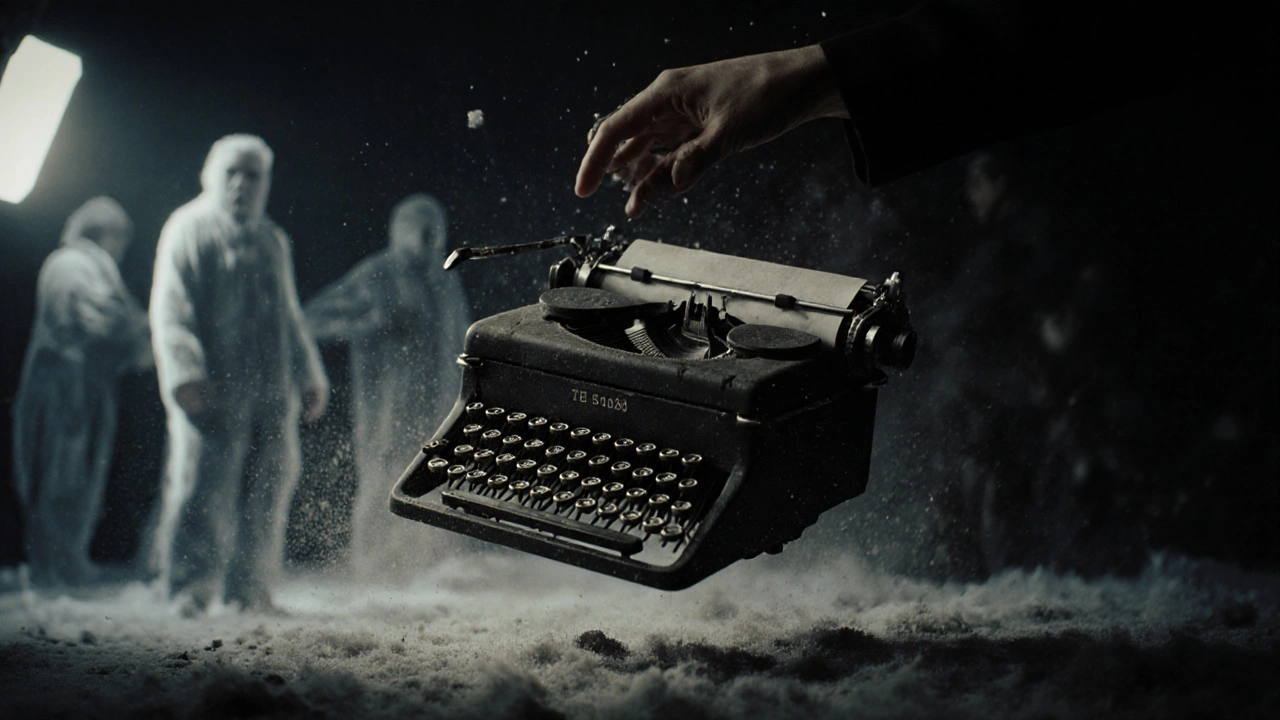
Some hero props are designed to be destroyed. A glass bottle shattering. A phone exploding. A sword snapping in half. These aren’t just props-they’re special effects.
For breakable hero props, prop departments work with special effects teams to create “stunt versions.” These are made from sugar glass, foam, or lightweight resin that looks real on camera but won’t hurt anyone. The original hero prop stays safe off-camera, often stored in a locked case with a numbered tag.
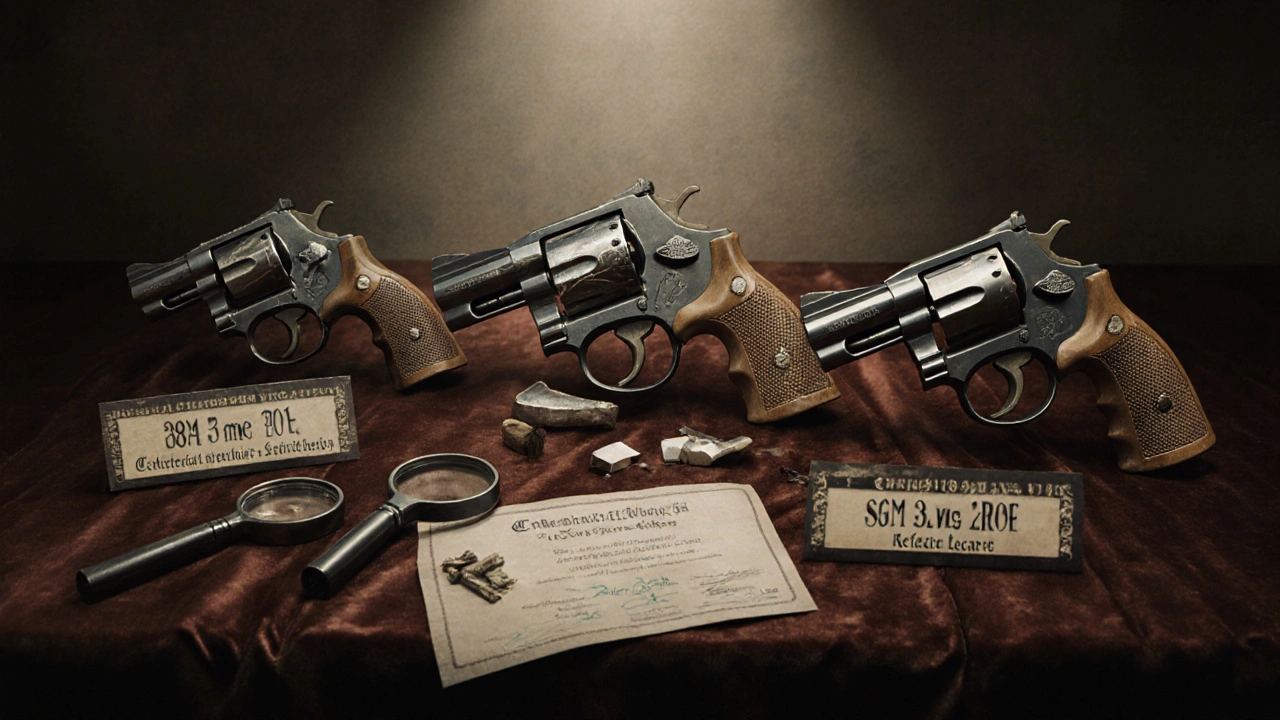
When a hero prop changes over time-like a character’s weapon getting scratched or painted over-the prop team keeps a progression log. They photograph each version, note the date, and store them in order. This ensures continuity. In The Last of Us, Joel’s knife went through six distinct wear stages across seven episodes. Each version was numbered and tracked like a forensic exhibit.
What Happens When the Shoot Ends?
After filming wraps, hero props don’t just vanish. They become part of the show’s legacy. Studios often keep them in vaults. Some are auctioned for charity. Others end up in museums or fan exhibitions.
But the process isn’t automatic. The prop department must document everything: who owned it, where it came from, what modifications were made, and its current condition. This is critical for insurance, legal ownership, and future use.
Some props are licensed back to the original creators. The Iron Man helmet from the MCU was returned to Marvel’s archives after each film, then re-used with new paint and tech upgrades in sequels. Others, like the DeLorean from Back to the Future, became cultural icons and were restored for permanent display.
When a hero prop is sold or given away, the prop master ensures a certificate of authenticity is included. This isn’t just a souvenir-it’s proof the item was used on set and not a replica.
Common Mistakes That Break Hero Props (And How to Avoid Them)
Even experienced teams mess up. Here are the most common errors-and how to prevent them:
- Using the wrong material: Plastic that warps under lights, metal that tarnishes in sweat. Always test materials under real shooting conditions.
- Not having enough backups: One hero prop is a gamble. Three is a strategy. Always have at least two duplicates.
- Ignoring actor comfort: A prop that’s too heavy, sharp, or hot will cause delays. Test it with the actor before the first take.
- Skipping documentation: If you don’t photograph and label each version, you’ll lose continuity. And you’ll regret it when the editor asks for “the version with the cracked handle.”
- Leaving it unattended: Hero props get stolen, swapped, or damaged by crew who don’t know their value. Always lock them up when not in use.
One crew on a low-budget indie film lost their hero prop-a rare 1940s typewriter-when a PA left it on a table during lunch. It was replaced with a replica, but the lighting didn’t match. The whole scene had to be reshot. Cost: $12,000.
Why Hero Props Matter More Than You Think
Hero props aren’t just tools. They’re emotional anchors. They carry history, memory, and meaning. When an actor holds a prop that feels real, their performance changes. The audience believes it. The story works.
The prop department doesn’t get applause. But without them, the hero prop is just a piece of plastic. With them, it becomes unforgettable.
What’s the difference between a hero prop and a background prop?
A hero prop is central to the story-it gets close-ups, drives plot points, and is often unique or irreplaceable. A background prop is anything that fills the scene but doesn’t matter to the story, like a book on a shelf or a coffee cup on a table. Hero props require special handling, backups, and documentation. Background props are treated as disposable.
Can I buy a hero prop from a movie or TV show?
Yes, many hero props are auctioned by studios or sold through licensed dealers. Items from major franchises like Star Wars, Marvel, or Harry Potter often appear at auctions like Profiles in History or Heritage Auctions. Prices range from a few hundred dollars for minor items to over $1 million for iconic pieces like Indiana Jones’ whip or the original Millennium Falcon model. Always ask for a certificate of authenticity.
How long does it take to source a hero prop?
It can take anywhere from a few days to several months. If the prop is common, like a vintage camera, it might be rented in a week. If it’s a custom-built item, like a futuristic device with working lights and sound, it can take 8-12 weeks. Budget and timeline are key factors-sometimes a prop is swapped out last minute because the original couldn’t be delivered in time.
Do hero props need insurance?
Absolutely. Hero props are often insured for their replacement value, which can be tens or even hundreds of thousands of dollars. Insurance covers damage, loss, or theft. The prop department must provide documentation of the prop’s origin, condition, and value to secure coverage. Without insurance, a single accident could bankrupt a production.
What skills do you need to work in a prop department?
You need a mix of detective work, craftsmanship, and organizational skills. Knowledge of antiques, materials, and historical periods helps with sourcing. Basic carpentry, painting, and electronics skills are useful for modifications. But above all, you need attention to detail, patience, and the ability to stay calm under pressure. Many start as prop assistants and learn on set.




Comments(9)