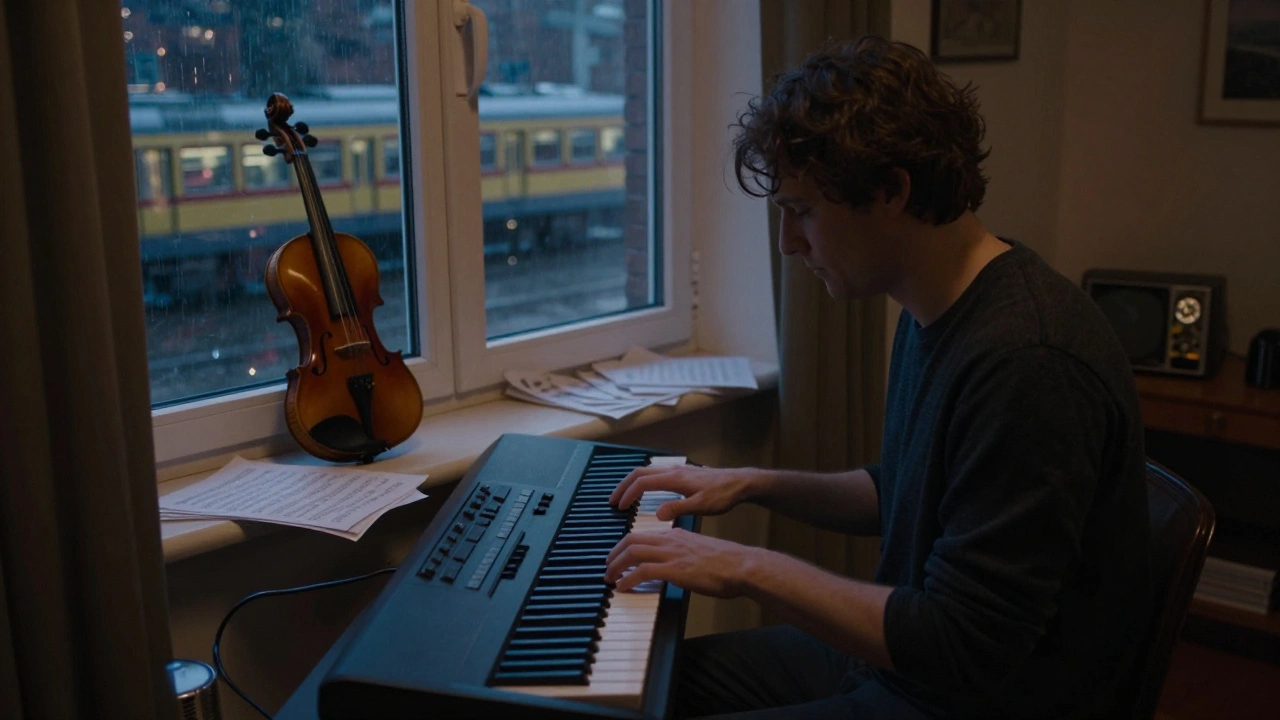
When a composer steps into film scoring for the first time, it’s not just a career shift-it’s a whole new language to learn. You don’t just write music anymore. You write to pictures. You write to silence. You write to emotions that haven’t been spoken yet. And when it works, it feels like magic. But how do you get there? And who’s doing it right today?
From Concert Hall to Cinema
Many composers who land their first film score come from classical, jazz, or electronic backgrounds. They’ve spent years in studios, rehearsing with orchestras, or tweaking synths in home setups. But film scoring? That’s different. It’s not about solo brilliance. It’s about serving a story.
Take Hildur Guðnadóttir. Before she scored Joker, she was known for experimental cello work and sound installations. Her debut in film wasn’t planned-it came from a chance meeting with Todd Phillips. She didn’t have a portfolio of movie scores. She had a deep understanding of tension, space, and how low frequencies can make your chest ache. That’s what won her an Oscar.
Same with Ludwig Göransson. He was a hip-hop producer before he wrote the score for Black Panther. He didn’t know orchestral notation. He didn’t have a film school background. But he knew how to blend West African rhythms with modern basslines. He didn’t try to sound like John Williams. He made something that felt alive in a way no superhero score had before.
What They Don’t Teach You in Music School
Most music programs teach you harmony, counterpoint, and form. They don’t teach you how to sync a cello swell to a character’s blink. Or how to cut a cue so it doesn’t drown out dialogue. Or how to work with a director who says, “I want it to feel like sadness, but also hope, but not too much hope.”
New composers often underestimate how much time is spent in editing rooms. You might spend 30 hours writing a 90-second piece. Then the editor says, “We cut 12 seconds.” Now you’re scrambling to rework the entire emotional arc. That’s normal.
One debut composer, Maya Lin, told me she spent her first week on set just watching dailies. Not listening. Not taking notes. Just watching. She said, “I needed to feel the rhythm of the scenes before I even touched a piano.” That’s not in any textbook.
The Tools Are Different Now
Back in the ‘90s, film composers needed access to orchestras, recording studios, and expensive sample libraries. Today? A laptop, a good MIDI keyboard, and a decent microphone can get you started.
Take 28-year-old Elias Park. He scored his first short film using only free plugins and a rented violin. He recorded the strings in his apartment, layered them with ambient field recordings from his neighborhood, and sent the file to the director. The film went viral. The director hired him again.
Modern tools mean you don’t need a big budget to make a big impression. Software like Spitfire Audio’s free libraries, Kontakt’s community samples, and even AI-assisted tempo-matching tools let newcomers sound professional without the studio overhead.
But here’s the catch: the tools lower the barrier to entry-but they don’t raise the standard. Anyone can make a fake orchestral track. What sets apart a real debut is emotional truth. That’s something no plugin can give you.
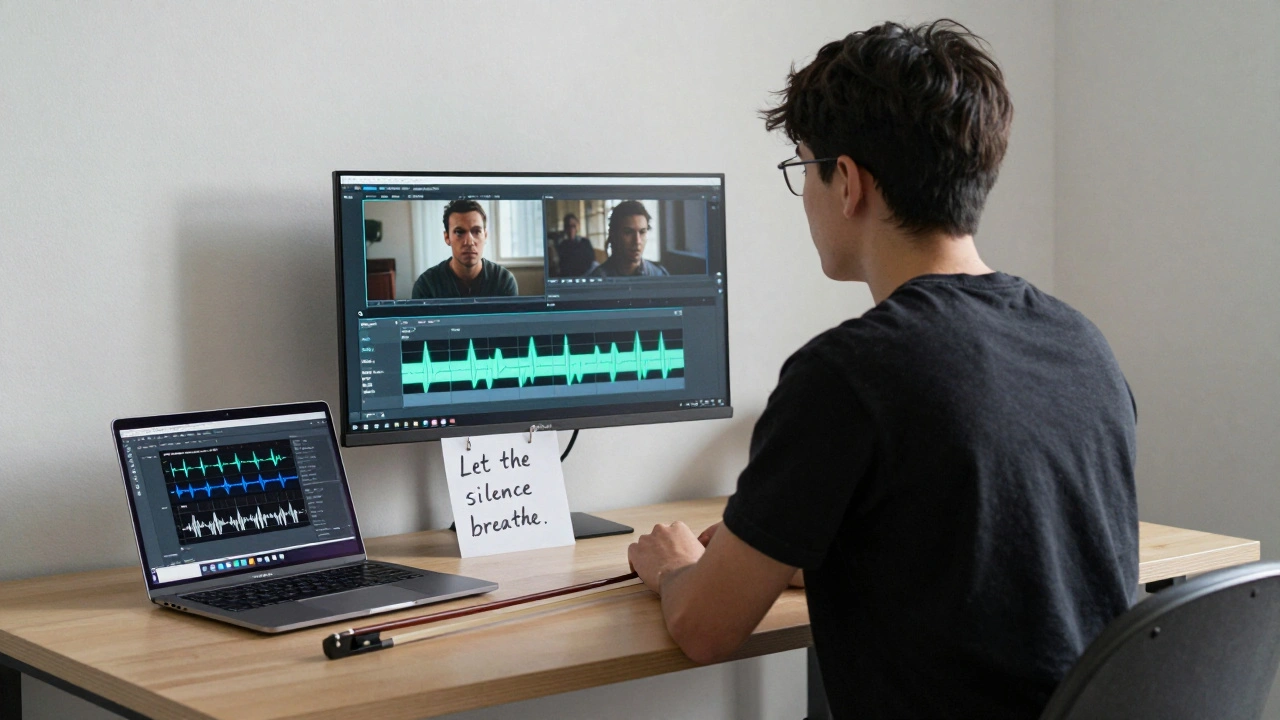
How to Get Your First Gig
No one hires you because you have a degree. They hire you because you solved a problem they didn’t know they had.
Here’s how most first-time composers break in:
- Work on student films. Not because they’re easy, but because they’re honest. Directors are still figuring out their voice. You can experiment without pressure.
- Score a short film that wins a festival. Even a regional one. That’s your proof of concept.
- Build a reel that tells stories-not just songs. One minute of music that follows a character’s arc. Not 10 different styles slapped together.
- Reach out to indie directors on Instagram or FilmFreeway. Don’t send a CV. Send a 30-second audio clip that matches the mood of their trailer.
- Play live with filmmakers. Some composers host “score nights” where they improvise music to silent films. It builds trust. It shows you can think on your feet.
One composer, Rafael Chen, got his break after he scored a 12-minute documentary about a homeless jazz musician in Chicago. He didn’t have a website. He didn’t have a manager. He just showed up with a guitar, recorded the score in one night, and sent the file with a note: “I didn’t charge you because I believe in your story.” The film won best documentary at Sundance. The director called him six months later for his next project.
What Makes a Debut Score Stick
Not all debut scores become iconic. But the ones that do share something: they feel inevitable. Like the music was always there, hidden in the frames.
Think of The Lighthouse-Robert Eggers’ 2019 film. The score was by Mark Korven, a veteran, but the approach felt new. No strings. No horns. Just dissonant drones, bowed metal, and a creaking wooden pipe organ. It wasn’t pretty. It wasn’t melodic. But it felt like the island itself was singing.
Debut composers who win attention aren’t the ones with the most notes. They’re the ones who know what to leave out. They use silence like a weapon. They let the environment breathe. They don’t try to tell the audience how to feel. They let the music whisper.
That’s the secret. It’s not about how much you write. It’s about how deeply you listen.
Common Mistakes New Composers Make
Here are the three errors I see over and over again:
- Over-scoring. Putting music under every single moment. Even silence has meaning. Let the audience sit with it.
- Copying. Trying to sound like Hans Zimmer or Danny Elfman. You’ll never win that race. Find your own voice-even if it’s quiet.
- Ignoring dialogue. Music should support, not compete. If the actor’s line is emotional, your cue should shrink, not swell.
One composer told me he spent six months on a 30-second cue. He layered 17 instruments. When he played it for the director, the director said, “Can we just have a heartbeat?” He deleted everything. That heartbeat became the film’s theme.
Who’s Making Waves in 2026?
This year, three debut composers are already getting buzz:
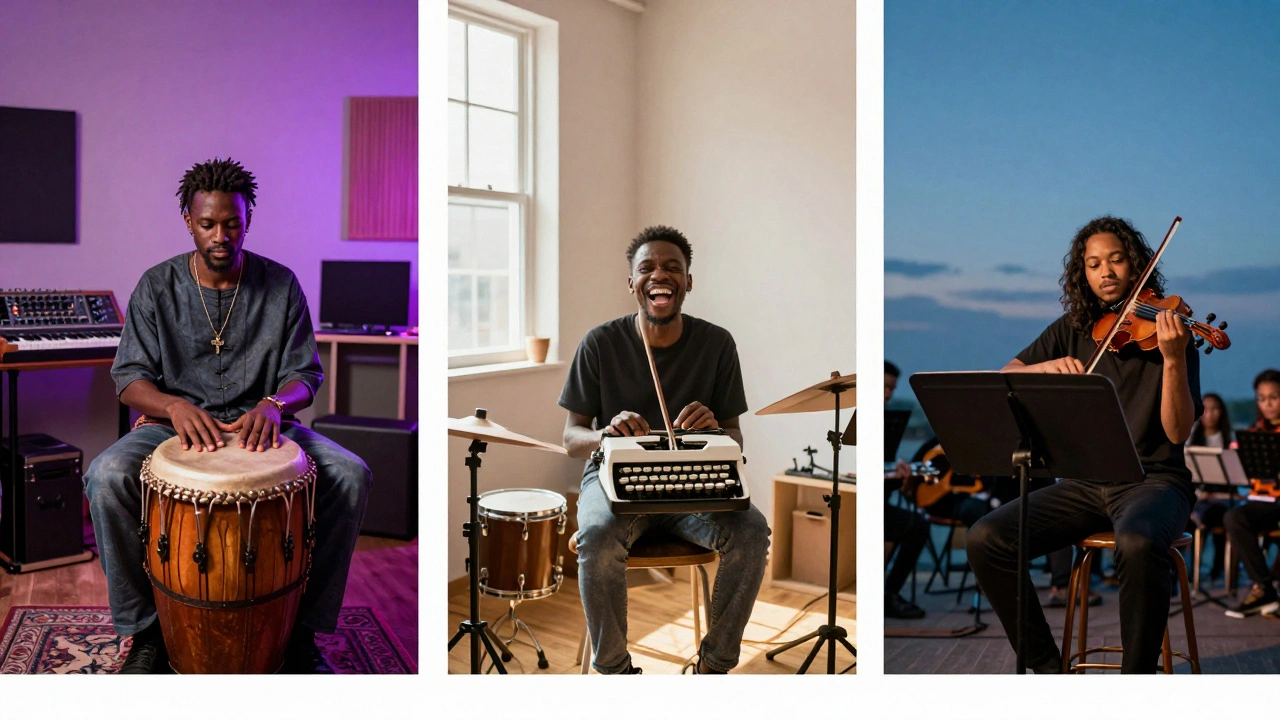
- Amara Nkosi-a Nigerian-British producer who used traditional Yoruba percussion and analog synths for a horror film set in Lagos. The score was described as “a ritual in sound.”
- Julian Vo-a former indie rock drummer who scored a coming-of-age film using only found sounds: typewriters, train brakes, and a child’s laughter recorded in a schoolyard.
- Leah Teller-a classically trained violinist who turned her score for a climate documentary into a live performance with 200 violins tuned to the frequency of melting glaciers.
These aren’t outliers. They’re the future. They’re proving that film scoring isn’t about tradition. It’s about truth.
Final Thought: It’s Not About the Notes
You don’t become a film composer because you can write a theme. You become one because you care enough to sit in the dark and watch someone else’s pain, joy, fear, or wonder-and then find the sound that holds it.
That’s the real debut. Not the first credit. Not the first Oscar. But the moment you realize your music isn’t about you. It’s about them.
Can someone without formal training become a film composer?
Yes. Many of today’s most impactful film composers never went to music school. Ludwig Göransson, Hildur Guðnadóttir, and Trent Reznor all built their skills outside traditional programs. What matters is emotional intelligence, adaptability, and the ability to listen deeply. You can learn orchestration, timing, and structure through practice, collaboration, and studying scores-not just textbooks.
How long does it take to score a feature film?
It usually takes 6 to 12 weeks, but that varies. A low-budget indie might give you 3 weeks. A big studio film can take 6 months with multiple revisions. Most composers work in waves: spotting sessions, rough drafts, feedback loops, and final recording. The real work isn’t writing-it’s rewriting.
Do you need to know how to read sheet music?
Not always, but it helps. Many modern composers work with MIDI and digital audio, especially in indie films. But if you’re scoring for live orchestra, you’ll need to communicate with musicians. That usually means reading notation. Some composers hire arrangers to translate their ideas. Others learn on the job. The key is being able to express your ideas clearly-whether through notation, audio, or verbal description.
What’s the best way to get noticed by directors?
Start small. Score a short film, even if it’s unpaid. Make sure it’s well-shot and emotionally strong. Then send your score directly to the director-not a producer, not a festival. Personal messages with a 1-minute clip that matches the film’s tone work better than any portfolio. Directors notice people who understand their vision, not just those who can play instruments.
Is it better to specialize in one genre or be versatile?
Specialize early, then expand. If you’re known for haunting ambient scores, directors looking for that style will find you. Once you’ve built trust, you can branch out. Trying to be everything at once makes you forgettable. Being known for one strong thing gives you a foothold. Then you can surprise people.


Comments(9)