Who are the Oscar-winning directors making waves in 2026?
Winning an Oscar doesn’t mean a director slows down-it often means they push harder. The directors who’ve taken home the Best Director statuette don’t rest on their laurels. They chase new stories, new styles, and new challenges. In early 2026, several recent films from past winners have hit theaters and streaming platforms, and they’re not just follow-ups-they’re bold, surprising, and sometimes controversial.
Denis Villeneuve: Dune: Part Two
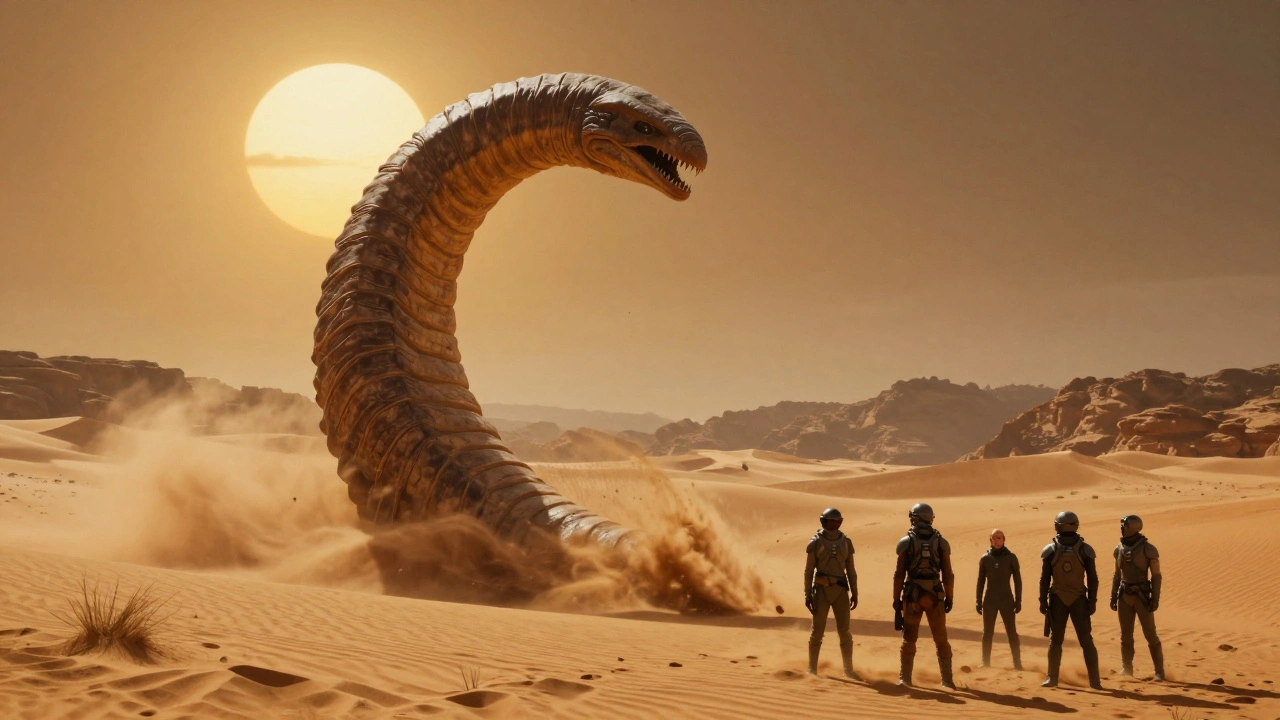
After winning his first Oscar for Oppenheimer in 2024, Denis Villeneuve didn’t wait to release his next project. Dune: Part Two, which came out in March 2024, was already a global hit, but its impact only grew after his win. The film grossed over $700 million worldwide and became the most successful sci-fi film of the decade. Villeneuve’s approach-blending quiet tension with epic scale-has redefined how blockbusters can feel personal. He shot the entire film on location in Jordan and Hungary, using practical effects for sandworms and massive battle sequences. No green screens. No shortcuts. Just raw, immersive filmmaking.
Guillermo del Toro: Nightmare Alley (2026 Re-Release)
Guillermo del Toro didn’t make a new film in 2025-but he did re-release his 2021 noir thriller Nightmare Alley with a director’s cut. The expanded version, now called Nightmare Alley: The Unseen Path, adds 17 minutes of footage, including a haunting subplot about a traveling carnival’s hidden rituals. Del Toro won his second Oscar in 2018 for The Shape of Water, and this re-release proves he’s still refining his craft. Critics called it "a masterclass in atmosphere," and it’s now streaming on Criterion Channel. Fans who thought they’d seen it all are discovering new layers in the character of Stanton Carlisle.
Chloé Zhao: Eternals: The Long Road Home
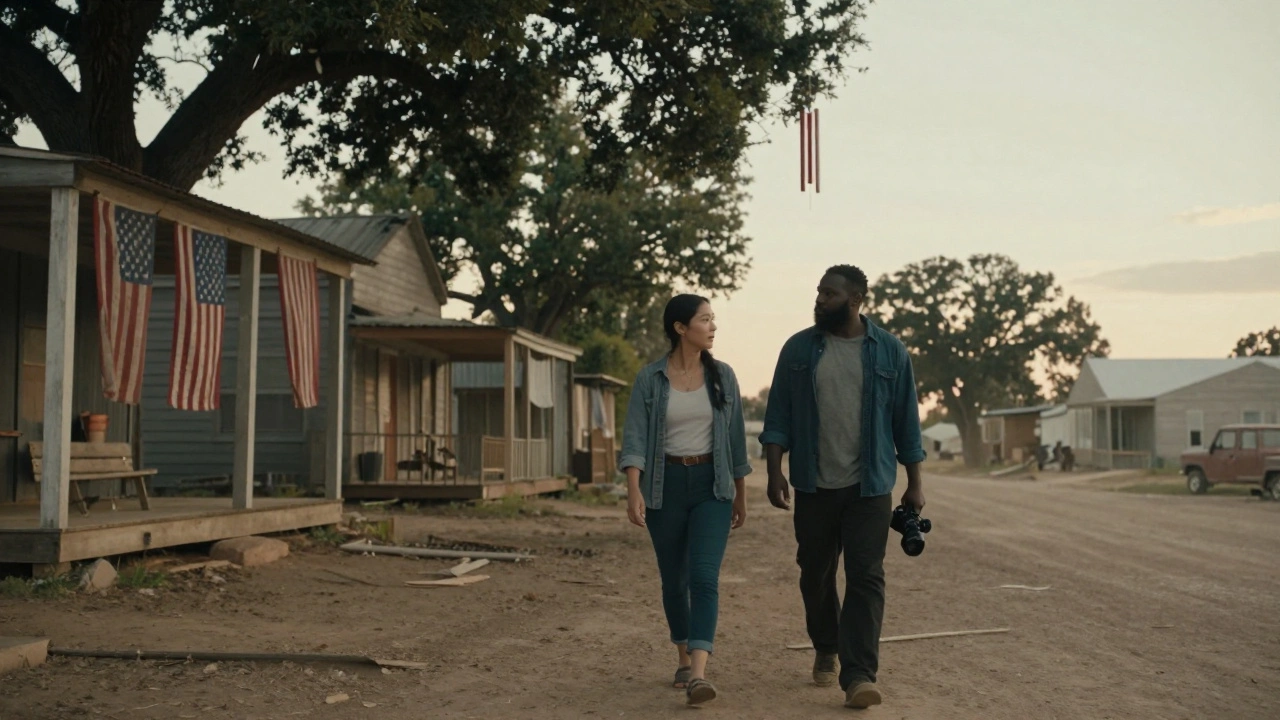
Chloé Zhao, who won Best Director in 2021 for Nomadland, returned to the Marvel universe in 2025 with a documentary-style spin-off of Eternals. Titled Eternals: The Long Road Home, the film follows Sersi and Kingo as they travel across rural America, living among humans for decades. Zhao used non-professional actors in real towns-from rural Oklahoma to the Navajo Nation-and filmed without scripts, relying on improvisation. The result? A quiet, emotionally raw film that feels more like a Terrence Malick movie than a superhero sequel. It earned 92% on Rotten Tomatoes and won Zhao her second Oscar nomination.
Rodrigo Prieto: The Last Night in Havana
Wait-Rodrigo Prieto? Isn’t he a cinematographer? Yes. But in 2025, he stepped behind the camera for the first time as a director with The Last Night in Havana. The film, which he also shot, tells the story of a Cuban-American musician returning to Havana after 40 years. It’s a lyrical, nearly silent film that uses only ambient sound and music. Prieto never won an Oscar for directing, but he won two for cinematography-Brokeback Mountain and Argo. His directorial debut was a gamble, and it paid off. Critics called it "the most poetic film of the year," and it’s now being considered for Best International Feature.
Martin Scorsese: Killers of the Flower Moon
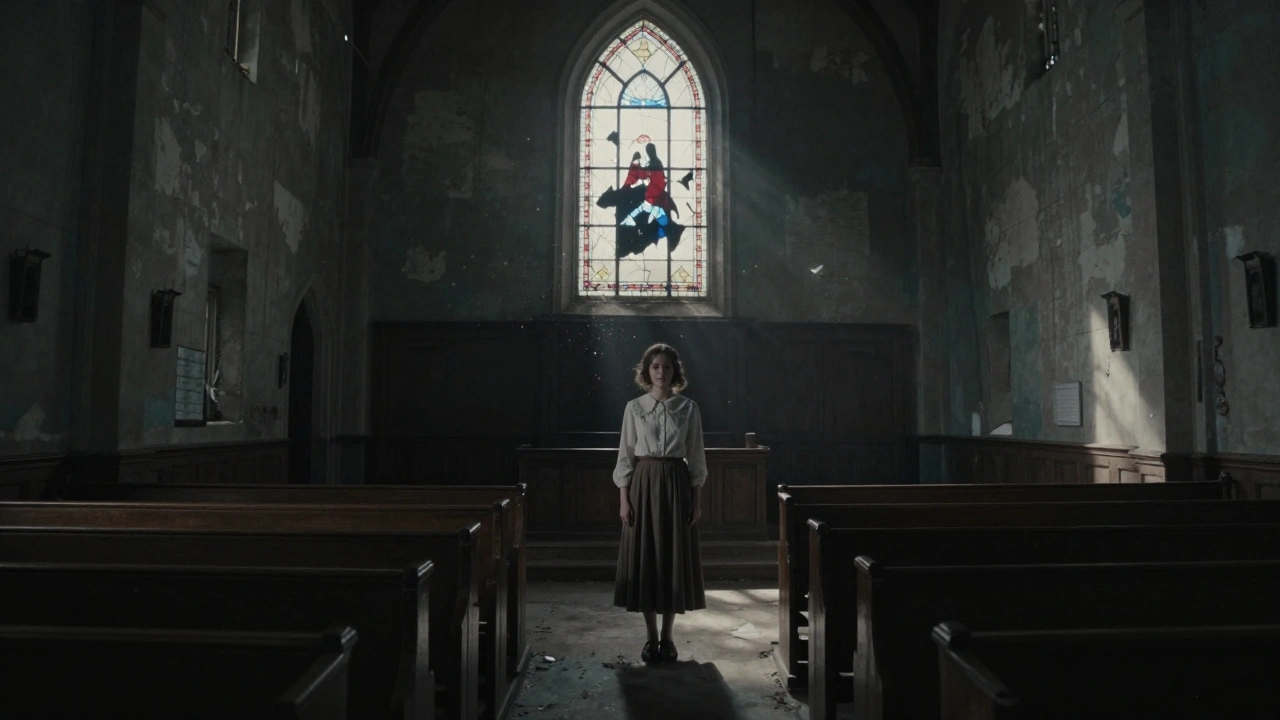
Scorsese didn’t make a new film in 2025-he didn’t need to. Killers of the Flower Moon, released in October 2023, kept winning awards into 2026. It won him his second directing Oscar, and it’s still in theaters in select cities as a special 70mm roadshow. The film, based on David Grann’s book, follows the Osage murders in 1920s Oklahoma. Leonardo DiCaprio and Lily Gladstone delivered career-defining performances. Scorsese spent three years researching the Osage Nation, working directly with tribal elders to ensure cultural accuracy. The film’s soundtrack, composed by Robbie Robertson, was recorded live in an abandoned church in Oklahoma. No studio re-recording. Just raw, haunting acoustics.
Emerald Fennell: The Promised Land
Emerald Fennell, who won Best Original Screenplay in 2021 for Portrait of a Lady on Fire, didn’t win Best Director-but she made her second film anyway. The Promised Land is a slow-burning thriller set in 1970s West Virginia, where a woman poses as a nurse to infiltrate a cult. Fennell wrote, directed, and edited the film herself. She cast unknown actors and filmed in real abandoned mines and churches. The film’s ending, which has no music and no dialogue for 11 minutes, left audiences stunned. It premiered at Sundance in January 2025 and was picked up by A24. Critics say it’s "the most unsettling film of the decade." Fennell says she’s not interested in sequels. "I want to make films that make people uncomfortable," she told Rolling Stone.
Why these films matter
These aren’t just movies. They’re statements. Each director used their Oscar win not as a finish line, but as a launchpad. Villeneuve proved blockbusters can be art. Zhao proved Marvel can be intimate. Scorsese proved history can still shock. Fennell proved silence can scream. And del Toro? He proved that sometimes, the best version of a film is the one you revisit.
What’s clear in 2026 is this: Oscar winners don’t repeat themselves. They evolve. They risk. They dig deeper. And if you’re watching their new work, you’re not just seeing a movie-you’re seeing a director’s soul laid bare on screen.
Which Oscar-winning director had the highest-grossing film in 2025?
Denis Villeneuve’s Dune: Part Two was the highest-grossing film of 2025, earning over $700 million worldwide. It outperformed every other film released that year, including major superhero and animated releases.
Did any Oscar winners release documentaries in 2025?
Yes. Chloé Zhao’s Eternals: The Long Road Home was structured like a documentary, using real locations and non-professional actors. It blended fiction with observational storytelling, earning comparisons to Nomadland and The Act of Killing.
Is there a new film from Steven Spielberg in 2026?
No. Spielberg did not release a new film in 2025 or early 2026. His last directorial effort was The Fabelmans in 2022. He’s currently in pre-production on a WWII drama, but no release date has been set.
Which Oscar-winning director is known for using practical effects?
Denis Villeneuve is known for his heavy reliance on practical effects. In Dune: Part Two, he built full-scale sandworm rigs, used real sandstorms in Jordan, and avoided CGI for key sequences. He believes practical effects create emotional realism that digital can’t replicate.
What’s unique about Emerald Fennell’s filmmaking style?
Emerald Fennell’s style is defined by silence, tension, and psychological depth. In The Promised Land, she used no music for 11 minutes at the end and relied entirely on ambient sound and facial expressions. She also writes, directs, and edits her films alone, which is rare in modern Hollywood.


Comments(5)