There is a specific texture to watching shot-on-video films that feels different from standard digital cinema. It’s not just about low resolution; it’s about the way light hits a cheap sensor, the slight color shift in shadows, and the raw, unpolished immediacy of the image. For decades, this look was dismissed as amateur hour-the visual equivalent of a rough draft. Today, it is a deliberate artistic choice, canonized in film schools and celebrated at major festivals. The journey from "why does this look like a home movie?" to "this is brilliant avant-garde cinema" is one of the most interesting shifts in modern visual culture.
We need to talk about why we started caring about the flaws. We need to understand how a tool meant for capturing birthday parties became the medium for some of the most intense psychological dramas of the 21st century. This isn't just nostalgia; it's a reaction against the sterile perfection of high-definition television and blockbuster CGI.
The Birth of the DV Revolution
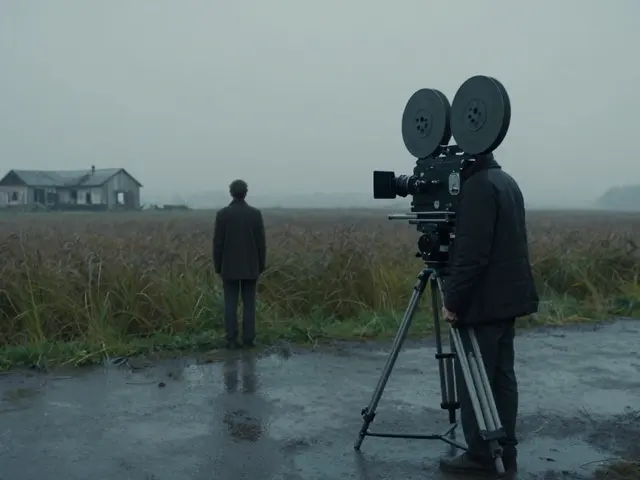
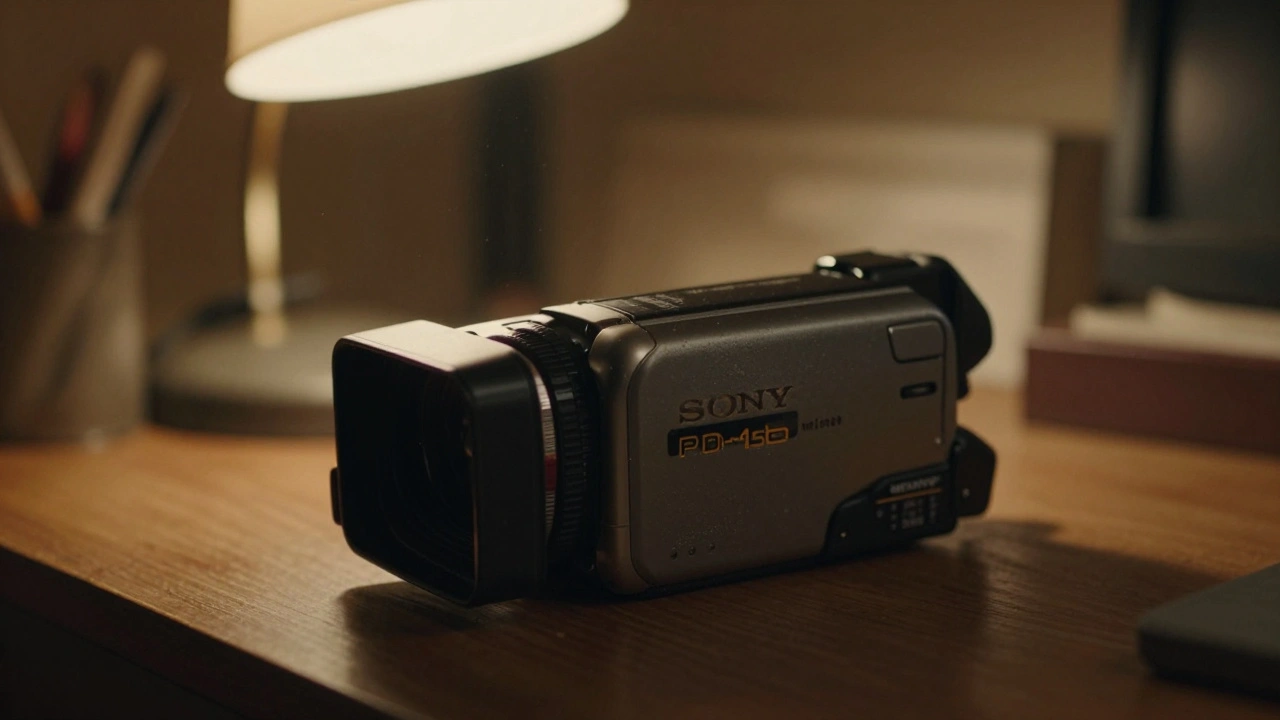
To understand where we are, we have to look back at the late 1990s and early 2000s. Before this era, if you wanted to make a serious film, you needed expensive 35mm or 16mm film stock. You needed a crew, a budget, and permission. Then came the miniDV format. Cameras like the Sony PD-150 and the Canon XL1 dropped in price. Suddenly, anyone with a credit card could buy a camera that recorded directly to tape with decent audio inputs.
This democratization didn't just change who could make movies; it changed what movies looked like. Directors like Larry Clark (Kids, 1995) and Kevin Smith (Clerks, though shot on 16mm, paved the way for the indie spirit) showed that story mattered more than budget. But it was the handheld, shaky, natural-light aesthetic of these early DV films that created a new language. The image wasn't trying to hide its artificiality. It was embracing the grain, the compression artifacts, and the limited dynamic range.
The key attribute here was accessibility. The barrier to entry vanished. This led to an explosion of voices that Hollywood had ignored. The aesthetic became associated with authenticity because it often captured real life in real time, without the heavy polish of studio production design.
From Gimmick to Genre: The Found Footage Boom
If there is one genre that cemented the shot-on-video look in the public consciousness, it is found footage. While The Blair Witch Project (1999) used actual camcorders, it was films like Paranormal Activity (2007) and later Sinister (2012) that turned the lo-fi look into a marketing hook. The argument was simple: if it looks bad, it must be real. If it looks real, it must be terrifying.
This period taught audiences to accept visual discomfort as part of the narrative. The jittery camera movement, the poor lighting, and the washed-out colors weren't mistakes; they were tools to build tension. However, this also risked turning the aesthetic into a cliché. When every horror movie uses a shaky cam, the technique loses its power. The challenge for filmmakers became distinguishing between "lazy filmmaking" and "intentional aesthetic choice."
The relationship between horror cinema and digital video is symbiotic. Horror needs intimacy and immediacy, which cheap cameras provide. In turn, digital video gained cultural relevance by being the vessel for our collective fears. But the aesthetic soon bled out of horror and into drama, comedy, and even romance.
The Indie Darling: Mumblecore and Intimacy
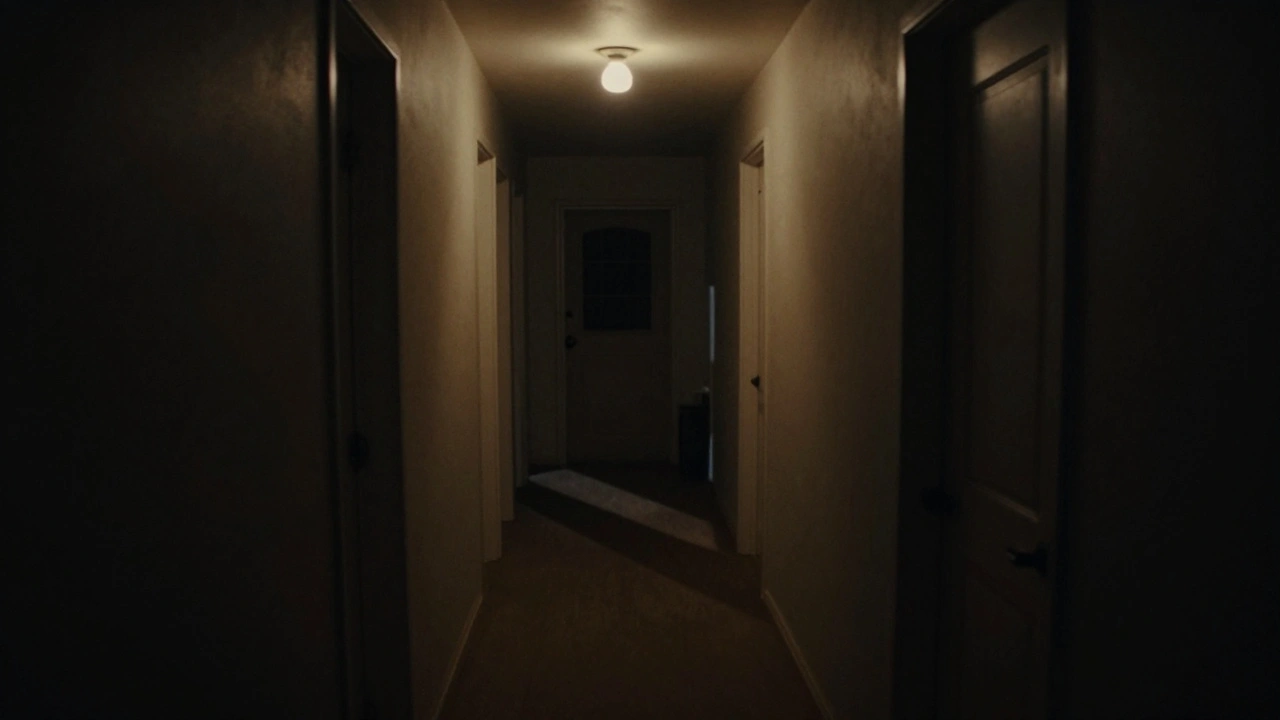
In the mid-2000s, a group of filmmakers emerged who rejected the polished sheen of mainstream cinema entirely. This movement, often labeled mumblecore, relied heavily on the shot-on-video look. Films like Hannah Takes the Stairs (2007) and Frances Ha (though shot on 16mm, it shares the ethos) prioritized dialogue, awkward social interactions, and emotional truth over visual spectacle.
Directors like Joe Swanberg and Andrew Bujalski used small digital cameras to get incredibly close to their actors. The lack of depth of field (a common trait in cheaper lenses) meant everything was in focus, forcing the viewer to engage with the entire frame, including the messy backgrounds. This created a sense of voyeurism. You felt like you were eavesdropping on a private conversation, not watching a staged performance.
The attributes of this style include:
- Natural lighting only, avoiding three-point setups.
- Handheld camera work that mimics human eye movement.
- Long takes that allow scenes to breathe without cutting.
- Audible ambient noise, rejecting sterile sound mixing.
This approach resonated because it felt honest. In a world increasingly curated by social media filters, the rawness of mumblecore offered a refreshing contrast. It proved that you didn't need a million-dollar budget to tell a compelling story about human connection.
Canonization: When Arthouse Embraced the Grain
The true turning point for the shot-on-video aesthetic came when established, critical darling directors adopted it. Shane Carruth's Primer (2004) used cheap digital video to create a complex sci-fi thriller, proving the medium could handle intellectual rigor. Later, Lynne Ramsay used various formats, including digital, to create visceral, sensory experiences in films like We Need to Talk About Kevin.
But perhaps the biggest validation came from Ari Aster and Robert Eggers, who, while often shooting on film, utilized the *spirit* of the lo-fi aesthetic-naturalism, discomfort, and realism-in their horror works. More recently, films like Tangerine (2015), shot entirely on iPhones, blurred the line between consumer electronics and professional cinematography. The success of Tangerine signaled that the industry was ready to accept any device, provided the vision was strong.
The canonization process involved critics and scholars analyzing these films not for their technical shortcomings, but for their stylistic choices. The "flaws" were reinterpreted as features. Compression artifacts became a metaphor for memory loss. Shaky cam became a representation of anxiety. The aesthetic moved from the margins to the center of cinematic discourse.
| Era | Key Technology | Perception | Representative Films |
|---|---|---|---|
| 1990s - Early 2000s | MiniDV Camcorders | Amateur / DIY | Kids, The Blair Witch Project |
| Mid 2000s | Consumer Digital Video | Indie / Mumblecore | Hannah Takes the Stairs, Primer |
| 2010s | Smartphones / DSLRs | Hybrid / Experimental | Tangerine, Boyhood (partial) |
| 2020s - Present | High-Res Digital + VHS Filters | Stylized / Nostalgic | Uncut Gems (handheld intensity), The Menu (selective use) |
The Modern Paradox: Simulating Imperfection
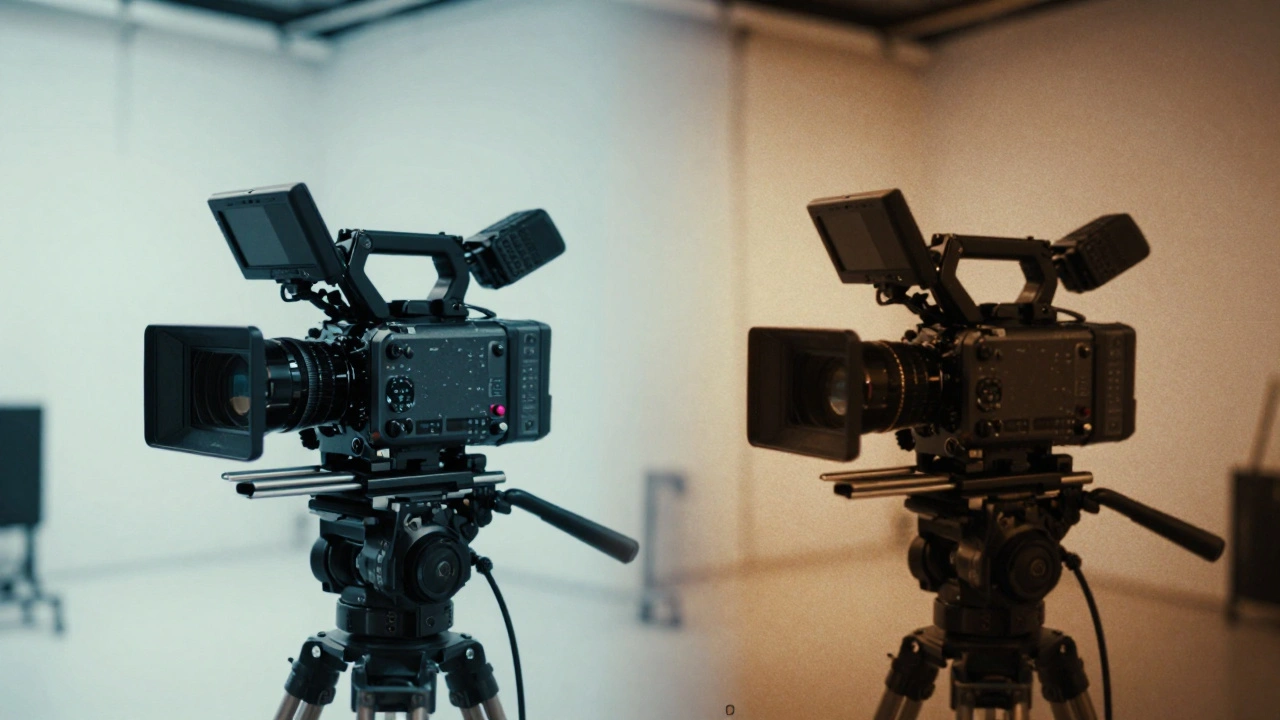
Here is the irony of today’s landscape. We now have cameras so good that they can simulate the imperfections of old technology better than the original devices could. Filmmakers shoot on high-end RED or ARRI Alexa cameras and then apply plugins to add noise, vignette, and color bleeding to mimic the look of a 1998 Sony Handycam. This is known as "digital emulation" or "lo-fi grading."
Is this cheating? Some purists argue yes. They believe the aesthetic only works if the limitations are physical, not post-production effects. When you force a camera to struggle with low light, you make creative choices about composition and lighting. When you fix it in post, you lose that discipline. However, others argue that the goal is the *feeling*, not the technical limitation. If the audience feels the same intimacy and rawness, does the method matter?
This trend reflects a broader cultural desire for nostalgia. In a hyper-connected, high-definition world, the soft, blurry edges of analog video feel comforting. It reminds us of a time before everything was instantly shareable and perfectly lit. The shot-on-video aesthetic has become a shorthand for "real," even when it's carefully constructed.
Why the Look Endures
The shot-on-video aesthetic survives because it serves a specific emotional function. High-definition cinema often creates distance; it presents a world that is cleaner and brighter than our own. Lo-fi cinema invites us in. It acknowledges messiness, chaos, and ambiguity. It allows for mistakes to remain in the final cut, which can enhance the sense of spontaneity.
For independent filmmakers, it remains a practical choice. Budget constraints still exist, and lightweight digital kits allow for faster shooting schedules and greater mobility. But beyond practicality, it offers a distinct voice. In a sea of identical-looking blockbusters, the grainy, handheld image stands out. It signals to the audience that this is a different kind of experience-one that values character and mood over spectacle.
As we move further into the age of AI-generated imagery and virtual production, the tangible, imperfect nature of shot-on-video may become even more valuable. It represents human error, human presence, and human limitation. And in art, those limitations are often where the beauty lies.
What defines the "shot-on-video" aesthetic?
The shot-on-video aesthetic is characterized by lower resolution, visible compression artifacts, limited dynamic range (crushed blacks or blown highlights), natural or available lighting, and often handheld camera movement. It prioritizes immediacy and authenticity over technical polish.
Why do filmmakers choose to shoot on cheap digital cameras instead of high-end equipment?
Filmmakers choose cheap digital cameras for several reasons: cost efficiency, portability, and the specific visual texture they provide. The smaller sensors and lenses often create a unique depth of field and color profile that feels intimate and raw, which suits certain genres like horror or indie drama.
Is the lo-fi look just a trend, or will it last?
While trends come and go, the core appeal of the lo-fi look-authenticity and intimacy-is timeless. As long as audiences crave stories that feel real and unpolished, filmmakers will continue to use techniques that evoke that feeling, whether through actual cheap cameras or digital emulation.
How did found footage movies influence the mainstream acceptance of digital video?
Found footage movies like The Blair Witch Project trained audiences to associate the shaky, low-quality image with realism and terror. This desensitized viewers to technical imperfections and helped establish digital video as a legitimate narrative tool rather than just a budget constraint.
Can you simulate the shot-on-video look in post-production?
Yes, many modern filmmakers shoot on high-end cameras and use software plugins to add noise, chromatic aberration, and vignetting to mimic the look of older digital or analog video. This allows them to control the aesthetic precisely while maintaining high production values.