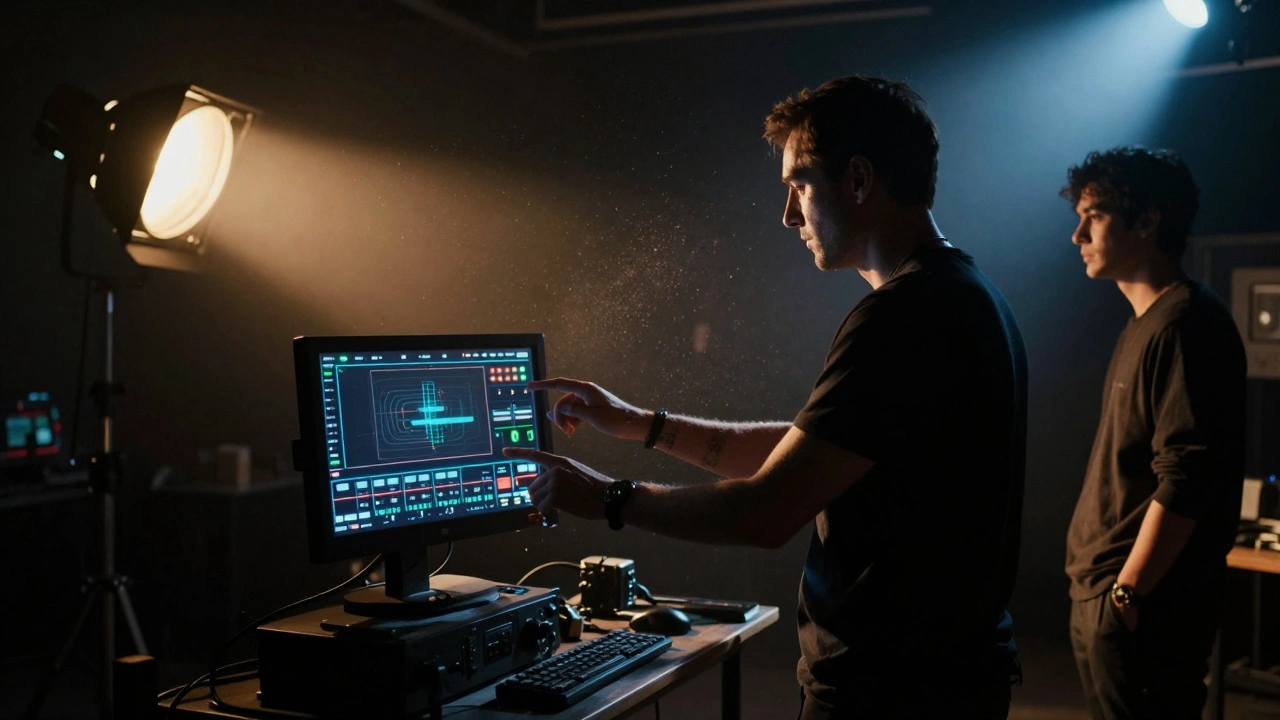
The magic of movies often feels like a one-time spark between strangers. But some of the greatest stories aren't born from chance meetings. They come from deep, trusted relationships that last decades. In 2026, looking back at the industry landscape, we see a clear pattern. Certain actors and directors keep choosing each other again and again. These Actor-Director Partnerships aren't just marketing gimmicks. They represent a unique creative shorthand that changes how a film looks, feels, and resonates.
Think about your favorite film series. You probably recognize the faces immediately. There is something comforting about seeing the same director handle the same actor. It suggests a level of safety in the production process. For the talent involved, it removes the guesswork. They don't have to audition again. They don't have to prove themselves. They just get to work. This trust allows them to take bigger risks than they would with a new team.
The Psychology of Creative Safety
Why do these bonds form? It usually starts with one successful project. If a director pushes an actor out of their comfort zone and gets a great result, the actor trusts the director to guide them. Conversely, the director knows exactly how to get the best performance from that specific star. It becomes a feedback loop. As we analyze the industry in 2026, this safety net is becoming even more valuable. Filming budgets are rising, and schedules are tighter. A known quantity saves time and money.
This dynamic creates a psychological space for experimentation. When two people understand each other's rhythms, they stop worrying about basic execution. They focus on nuance. Imagine working with someone who knows when you pause to think versus when you are confused. That distinction matters immensely during a take. Without needing verbal instructions, the camera captures a truth that might get lost otherwise.
Martin Scorsese and Robert De Niro remain the gold standard for this approach. Their relationship spans decades, starting in the early 1970s with "Mean Streets." Over four decades, they collaborated on eight major feature films. This includes classics like "Taxi Driver," "Raging Bull," and "The Irishman." This partnership demonstrates how long-term trust can elevate material that might otherwise fail. They share a love for complex, flawed characters living in moral gray areas.
They don't always agree on everything, which makes the process interesting. Conflict can lead to better art. But the foundation remains steady. De Niro knows Scorsese wants intensity. Scorsese knows De Niro prepares deeply. Because they know this baseline, they can push boundaries without fear of the project collapsing.
Economic and Career Benefits
It isn't just about art. There is a massive business side to recurring collaborations. Studios love predictability. If you sell me a movie with Nolan and Hathaway, I know what kind of quality to expect. It lowers the perceived risk for investors. In a volatile market like Hollywood, reliability is a currency. Having a partner who brings proven box office performance makes greenlighting easier.
- Studios can market a reunion easily. "Back together again!" sells tickets.
- Actors maintain brand value through consistent quality control.
- Directors secure funding faster when attached to reliable leads.
- Negotiation friction decreases over time.
Consider Spike Lee and Samuel L. Jackson. Lee-Jackson Duo has worked together on multiple films including "Malcolm X" and "BlacKkKlansman." Their collaboration blends bold directing with charismatic acting styles. Each appearance reinforced the other's reputation for handling weighty social topics with style. It helped Jackson transition from pure action roles to serious dramatic character work. For Lee, Jackson brought a star power that opened doors for more ambitious financing.
| Director | Lead Actor | Film Count | Primary Genre | Peak Era |
|---|---|---|---|---|
| Martin Scorsese | Robert De Niro | 8+ | Crime / Drama | 1973-2019 |
| Quentin Tarantino | Samuel L. Jackson | 7+ | Action / Thriller | 1994-2019 |
| Christopher Nolan | Cillian Murphy | 6+ | Sci-Fi / Action | 2000-Present |
| David Fincher | Brad Pitt | 3+ | Thriller / Biopic | 2011-2021 |
| Spielberg | Tom Hanks | 3 | Drama / Adventure | 1994-2014 |
Notice the numbers in the table. These aren't one-off deals. They are careers built on mutual respect. However, relying too much on one partner can sometimes limit growth. Sometimes an actor gets typecast. Directors might stop exploring new visual styles. It requires intentional effort to keep the work fresh.
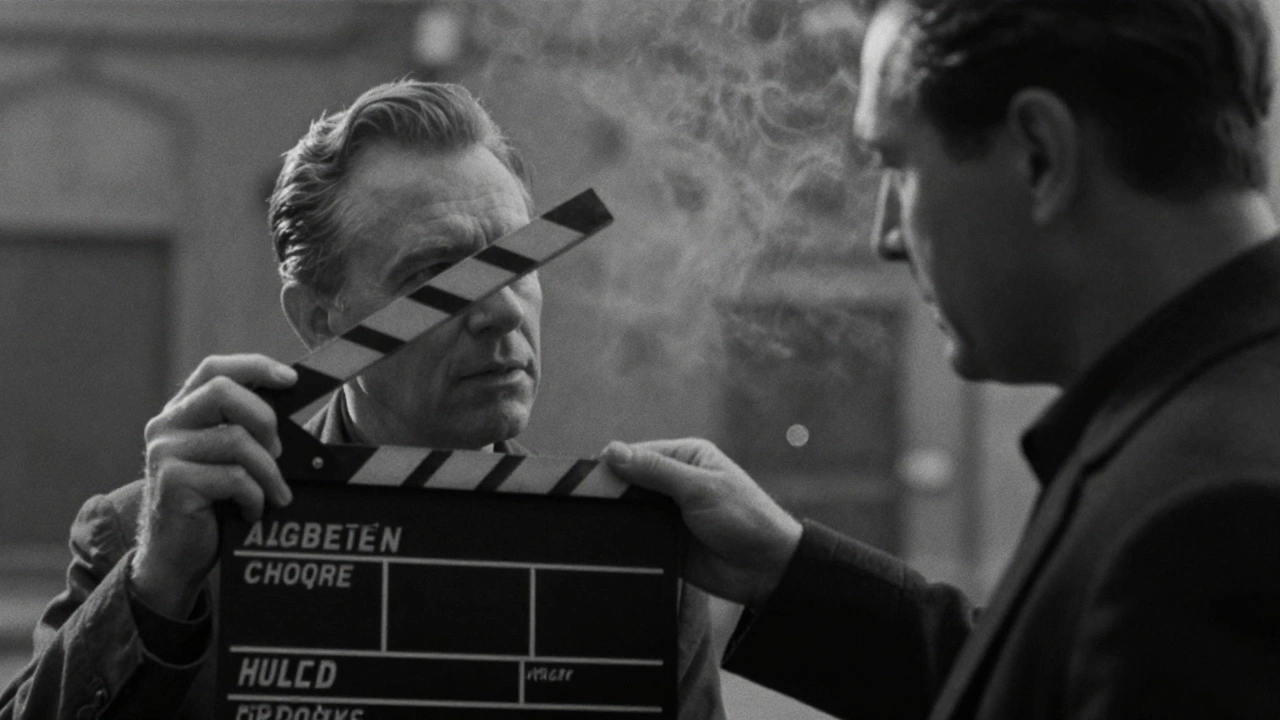
Modern Trends in 2026
We are seeing a shift in how these partnerships operate today. With streaming services dominating screens, the definition of a "film" has changed. You might have five episodes instead of a ninety-minute movie. This allows for deeper exploration of the bond. We see directors attaching themselves to shows, while actors commit to long-running series.
Take the relationship between Wes Anderson and Owen Wilson. A whimsical duo known for distinct stylistic choices and comedic timing. They have maintained relevance through distinct branding. Even as tastes change, their collaborative voice is strong enough to survive shifts in audience preference. They adapt by moving from big studio pictures to smaller, festival-circuit hits. This flexibility keeps them in the conversation year after year.
In 2026, we also see newer generations picking up the mantle. Christopher Nolan and Cillian Murphy have built a significant legacy recently with Oppenheimer and the Dark Knight trilogy era leading up. Fans anticipate their next reunion almost as eagerly as new releases. This anticipation drives cultural engagement. It turns the making of a movie into a cultural event before the script is even finished.
Yet, there are risks. If one partner retires or passes away, the partnership ends abruptly. We saw this with James Stewart leaving many projects unfinished due to health issues later in life. Or when Frank Darabont parted ways with certain writers he previously admired. Life moves fast. Even the strongest professional bonds can fray under external pressure. Scheduling conflicts often break these cycles. Actors want global stardom; directors want control. Balancing those ego systems takes immense patience.

Overcoming Creative Stagnation
A common criticism of long-term duos is repetition. If you watch three Tarantino movies, the dialogue feels similar. If you watch three Scorsese gangster films, the plot beats overlap. To avoid this, they must challenge themselves. Scorsese moved from gangsters to religious biopics with Leonardo DiCaprio. Tarantino tried westerns then war drama. The trick is keeping the core chemistry while changing the setting.
If you are an emerging filmmaker, can you replicate this? Absolutely. You don't need fame to build trust. You need a shared vision. Start with small projects. Build a reputation for reliability. When you find an actor who understands your visual language, protect that relationship. It is an asset more valuable than capital.
Ultimately, these partnerships remind us that cinema is human. Technology changes, CGI evolves, distribution models shift from theaters to phones. But the connection between the person holding the camera and the person standing in front of it stays the same. That connection is the engine of enduring art.
Why do directors and actors keep working together?
They save time and reduce risk. Familiarity breeds trust, allowing for better performances and smoother production workflows.
Is it bad for creativity to work with the same person?
Not necessarily. It depends on whether they push each other into new genres. Repetition becomes a problem only if they copy old successes without innovation.
Who holds the most successful partnership in history?
Martin Scorsese and Robert De Niro hold the record for the most feature-length collaborations spanning multiple decades.
Do streaming services change these relationships?
Yes, by encouraging longer commitments through limited series rather than standalone theatrical features, altering how collaboration is measured.
Can a partnership revive a struggling career?
Absolutely. Aligning with an established director can reintroduce an actor to award-winning potential, resetting public perception.






Comments(9)