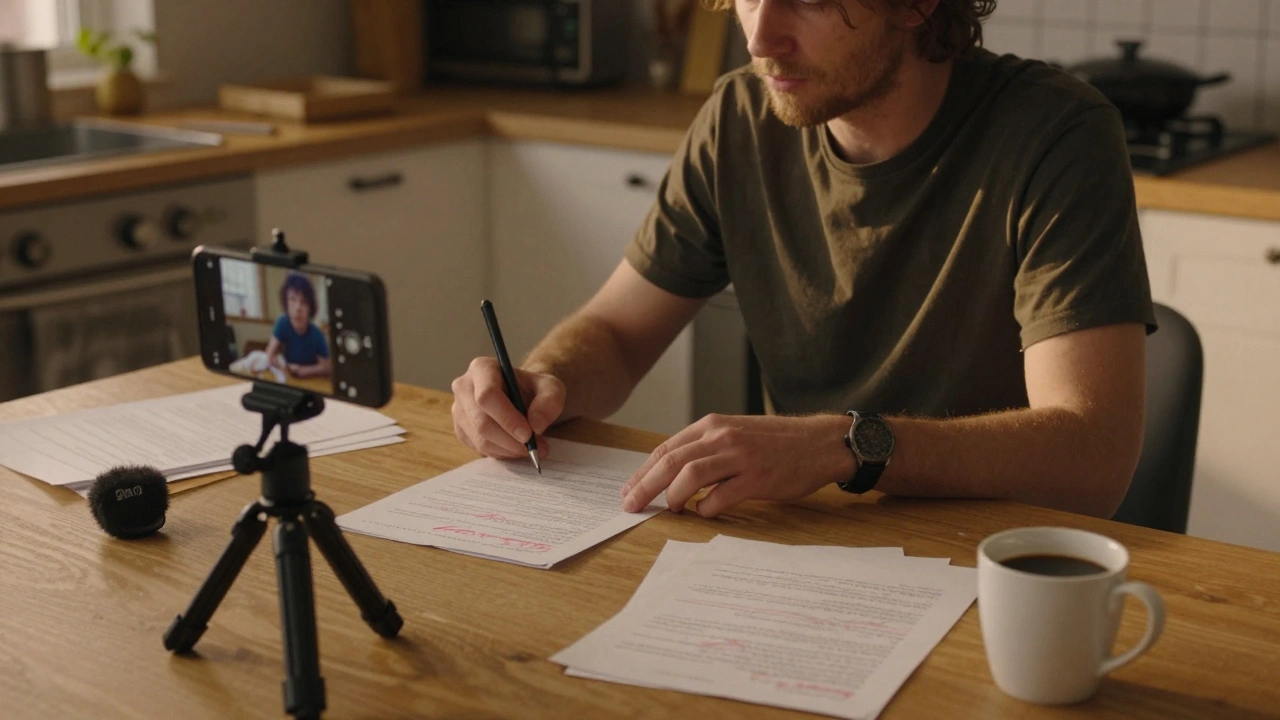
Making an independent film isn’t about having a big budget or a famous cast. It’s about knowing what to do next-when you have a script in your hand and zero crew. Most indie filmmakers get stuck between the first draft and the first shot. They think they need money, equipment, or connections. But the real barrier isn’t resources-it’s process. Here’s how seven clear steps turn a written story into a finished film, even if you’re doing it all yourself.
1. Polish the Script Until It Can’t Be Improved
A great script is the only thing that survives a zero-budget shoot. If your script has weak dialogue, unclear stakes, or a messy third act, no amount of clever camera work will save it. Start by reading your script out loud. If you stumble over lines, your actors will too. Cut anything that doesn’t move the story forward. A 120-page script is a liability for indie films. Most successful micro-budget films are under 90 pages. Independent film success starts with ruthless editing.
Test your script with three people who’ve never seen it. Ask them: What’s the main character’s goal? What happens if they fail? If they can’t answer those questions after one read, go back. Use free tools like Celtx or WriterDuet to format it properly. Don’t skip this step. A polished script attracts volunteers, reduces reshoots, and keeps your cast motivated.
2. Build a Realistic Production Plan
Most indie films fail because they overpromise and underplan. You don’t need a 30-day shoot. You need a 7-day shoot with backup days built in. Map out every scene by location. Group scenes by where they’re filmed. Shooting a kitchen scene in the morning and a forest scene in the afternoon means two separate travel times, two sets of gear setups, and wasted hours.
Use a free shooting schedule template from Film Independent or StudioBinder. List each scene, location, time needed, cast, and props. Then color-code them by location. If you have three scenes at a coffee shop, shoot them all on the same day. This cuts down on travel, permits, and crew fatigue. A 5-day shoot with 2 backup days is more realistic than a 10-day shoot with no room for rain or broken equipment.
3. Recruit a Team That Believes in the Story
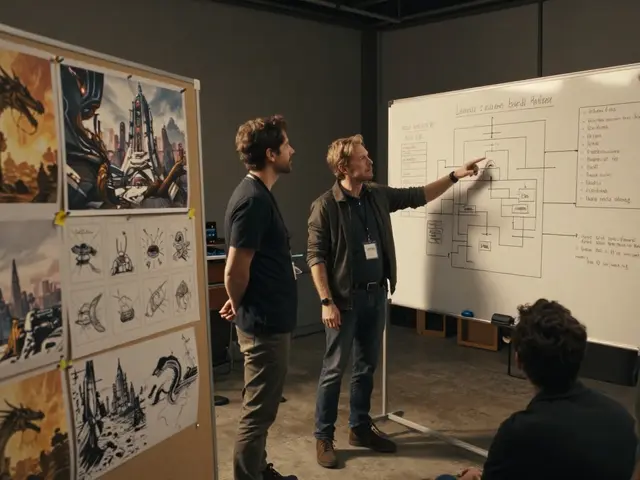
You won’t pay your DP, sound person, or gaffer. But you can offer them something better: creative ownership. Reach out to film students, local theater techs, or former interns. Post on Reddit’s r/INDEPENDENTFILM, Facebook groups like Indie Film Crew Network, or your city’s film commission page.
Hold a 15-minute Zoom meeting with each key person. Show them your script, your vision, and your schedule. Ask: What’s one thing you’d change about this story? If they give you thoughtful feedback, they’re already invested. People work harder for a story they helped shape. A passionate camera assistant will stay late to get the right light. A bored one will quit after day two.
4. Shoot with What You Have-Then Improve
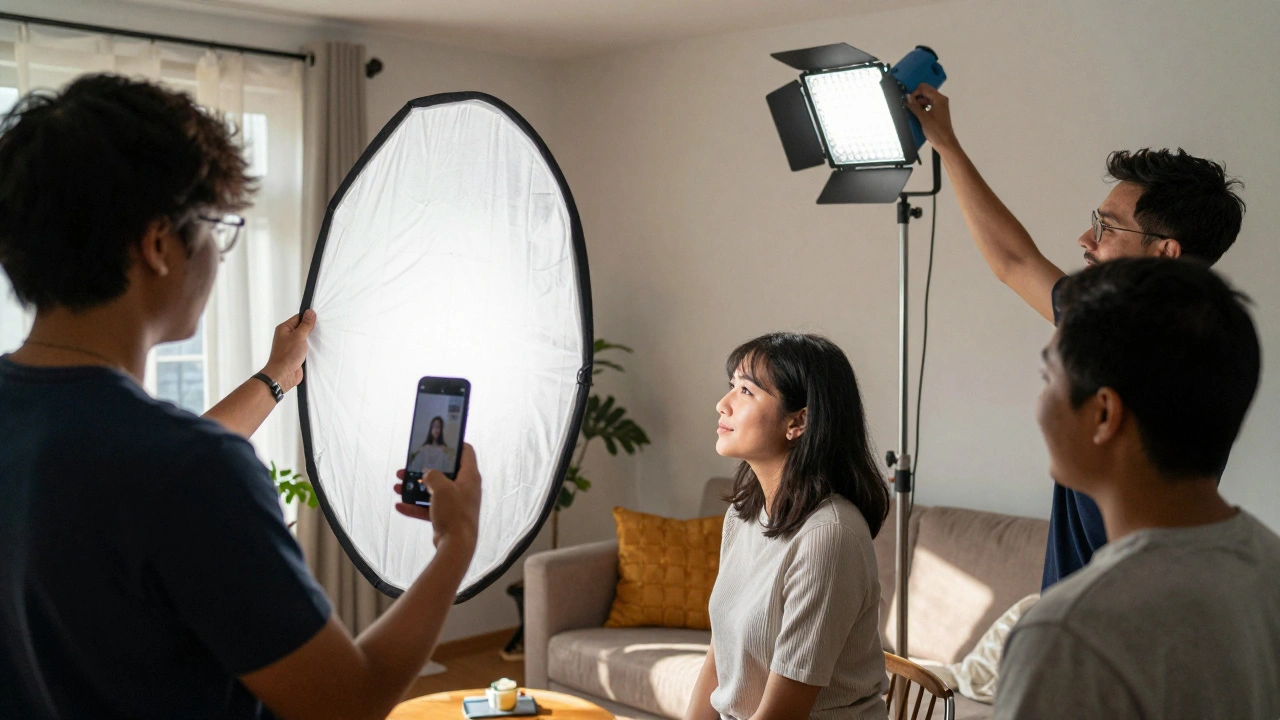
You don’t need a RED camera. You don’t need a drone. You need a camera that records in 1080p or better. Most modern smartphones shoot 4K. Use a free app like Filmic Pro to control exposure and focus manually. A $50 tripod and a $20 lavalier mic from Amazon will outperform expensive gear used poorly.
Lighting? Use natural light. Shoot interiors during golden hour. Use a white sheet as a reflector. For night scenes, use LED work lights from Home Depot. They’re cheap, bright, and color-balanced. The key isn’t gear-it’s consistency. If your interior scenes look different from your exterior scenes, it breaks immersion. Stick to one lighting style.
Record audio on a separate device. Never rely on your camera’s built-in mic. Use a Zoom H1 or even a smartphone with a wired mic. Sync audio in post with free software like DaVinci Resolve.
5. Edit with Purpose, Not Perfection
Editing is where most indie films die. You’ve shot 20 hours of footage. You think you need to use it all. You don’t. A tight edit is faster, sharper, and more emotional. Start by trimming every scene by 10%. Cut pauses, filler dialogue, and lingering shots. If a moment doesn’t reveal character or advance plot, cut it.
Use DaVinci Resolve-it’s free, powerful, and used by professionals. Learn the basics: cut on action, match eyelines, use jump cuts to keep pace. Don’t chase fancy transitions. A simple cut is more powerful than a dissolve. Add music sparingly. Use royalty-free tracks from YouTube Audio Library or Free Music Archive. Don’t drown your scene in sound.
Watch your rough cut with someone who doesn’t know the story. If they get confused, you’ve got a problem. If they laugh at the wrong moment, your tone is off. Fix those issues before you go further.
6. Submit to Festivals That Fit Your Film
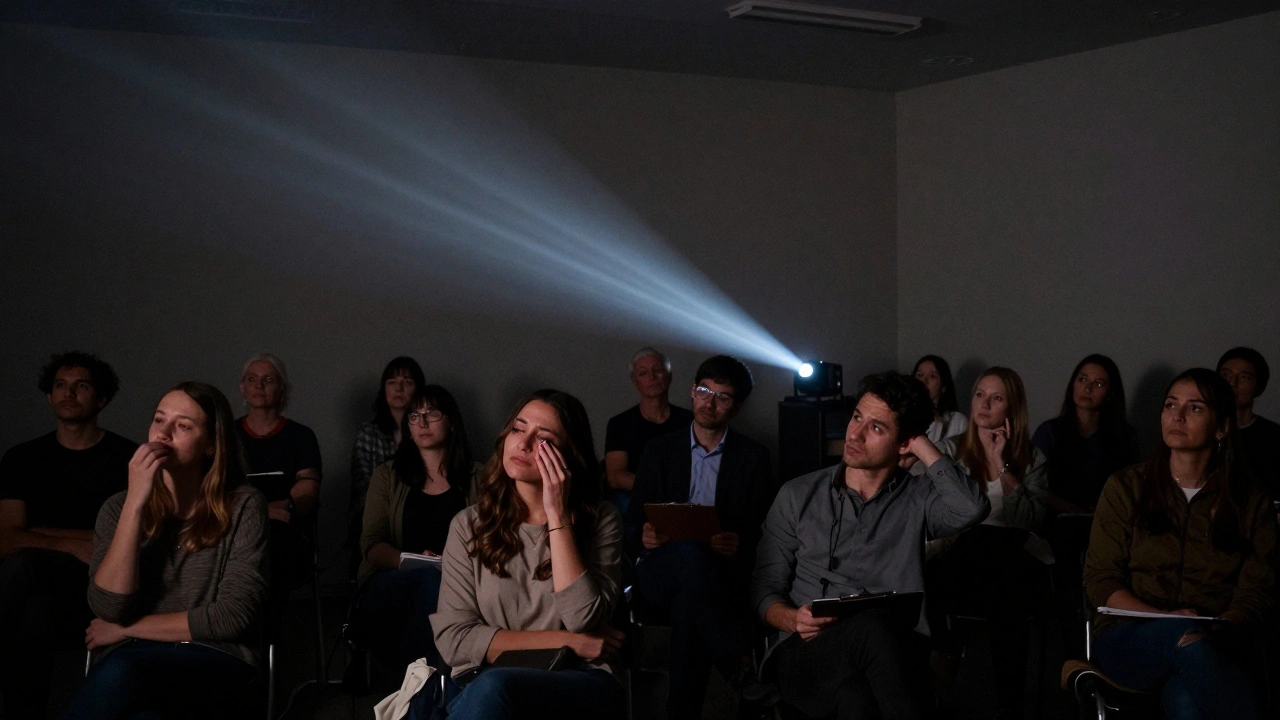
Don’t submit to Sundance if your film was shot in a living room with friends. That’s not rejection-it’s strategy. Find festivals that celebrate low-budget, character-driven stories. Look for ones like Slamdance, Raindance, or the Independent Film Festival Boston. Check their past winners. If their winning films look like yours, you’re in the right place.
Each festival has a submission fee. Budget $100-$300 total. Use Withoutabox or FilmFreeway to manage submissions. Include a 1-minute trailer, a press kit with stills, and a short director’s statement. Don’t write a novel. Just say: This film is about X. I made it because Y. Here’s what I learned.
Getting into a small festival is better than getting rejected by a big one. A premiere, even at a local venue, gives you credibility. It’s your proof of concept.
7. Release It Where Your Audience Already Is
Don’t wait for a distributor. You don’t need one. Upload your film to Vimeo On Demand or YouTube Premium. Set a price-$4.99 is common. Offer it as a digital rental or download. Share it on your social media. Email your cast, crew, and friends. Ask them to share it with three people.
Reach out to local podcasts, blogs, or community radio stations. Offer to do a Q&A after a screening. Even a small audience of 500 people who love your film is more valuable than 10,000 who don’t. Build a mailing list. Collect emails during your festival premiere. Use Mailchimp’s free plan. When you make your next film, you already have an audience.
The goal isn’t to go viral. It’s to make a film people remember. One person who says, ‘That movie changed how I saw my own life,’ is worth more than a million views.
What Happens After the Screen?
After your film is done, the work doesn’t stop. You’ll get feedback. Some will be kind. Some will be harsh. Keep the notes that help you grow. Ignore the rest. Every filmmaker who made it started with a film no one wanted to watch. Yours is the next one.
Start planning your next project while you’re still editing this one. The habits you build now-tight scripts, smart scheduling, honest editing-will carry you further than any grant or investor ever could.
Do I need a film degree to make an indie film?
No. Most successful indie filmmakers didn’t go to film school. What matters is what you do with your time. Watch films critically. Learn how scenes are built. Practice editing. Read scripts. The tools are free. The discipline is yours to build.
How much does it cost to make an indie film?
You can make a feature-length indie film for under $5,000 if you’re smart. Most of that goes to permits, insurance, and food for your crew. Cameras, lights, and editing software can be free or borrowed. The real cost is time-about 6 to 12 months from script to premiere.
Can I shoot an indie film on my phone?
Yes. Films like ‘Tangerine’ and ‘Tribu’ were shot entirely on iPhones. Your phone has a better camera than most professional gear from 10 years ago. The key is lighting, sound, and steady shots. Use a tripod, external mic, and manual settings. Your phone isn’t the limit-it’s your starting point.
What’s the biggest mistake indie filmmakers make?
Trying to make a Hollywood movie on a micro-budget. That means too many locations, too many actors, too many effects. The best indie films are small, intimate, and focused. Tell one clear story with three characters in two places. That’s easier to shoot, easier to edit, and easier for audiences to connect with.
How do I get people to watch my film?
Don’t rely on algorithms. Talk to people. Send your film to local libraries, community centers, or film clubs. Host a free screening with Q&A. Ask viewers to leave a review on Vimeo or YouTube. Word of mouth from real people who felt something is more powerful than any paid ad.
Next Steps: Start Small, Finish Big
Don’t wait for the perfect script, the perfect cast, or the perfect camera. Start with the page you’re holding. Write one scene. Film it with your phone. Edit it in an hour. Share it with one friend. Then do it again. Every great indie film began with someone who just started.




Comments(8)