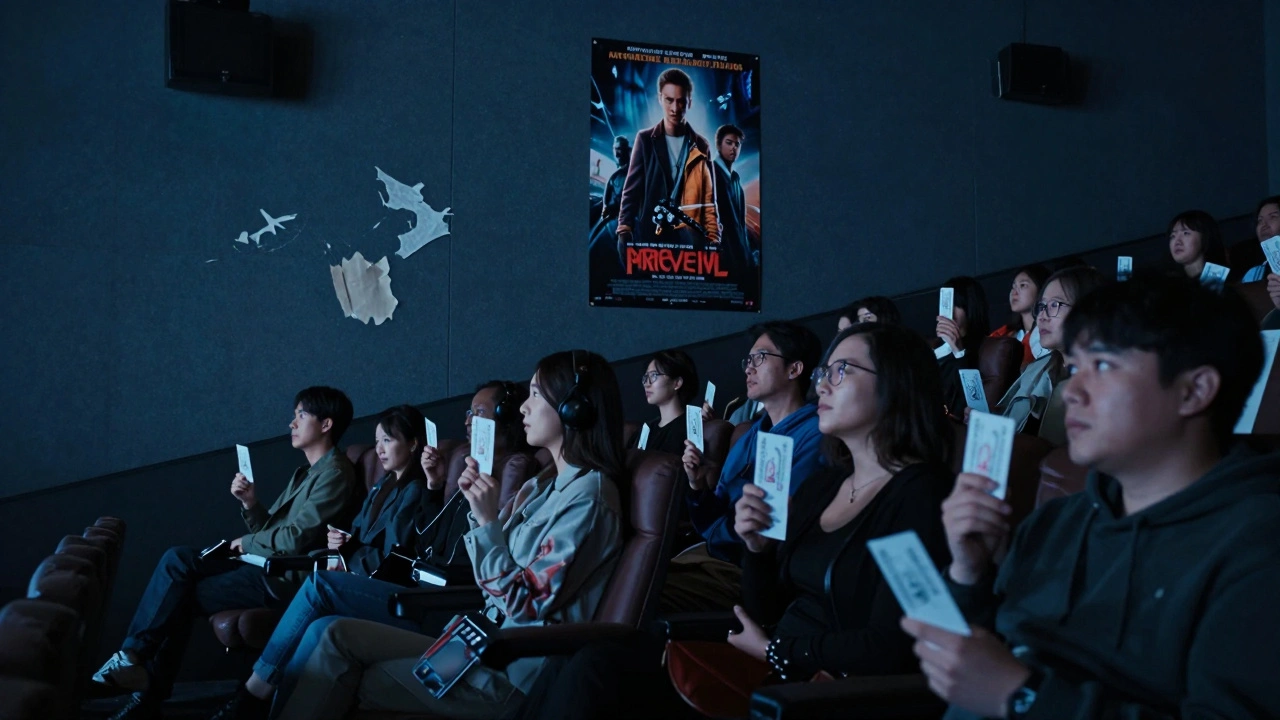
It’s 2026, and you walk into a theater expecting a fresh story-maybe something bold, unexpected, original. Instead, you’re handed another sequel, reboot, or spin-off of a movie you’ve already seen three times. You’re not alone. Audiences are tired. But studios? They’re not slowing down. In 2025 alone, 68% of the top-grossing films were part of an existing franchise. That’s up from 42% in 2015. The numbers don’t lie: Hollywood is betting big on what it knows works. But at what cost?
The Franchise Machine
Franchises aren’t new. Star Wars started in 1977. James Bond has been running since 1962. But today’s model is different. Studios don’t just make sequels-they build entire universes. Marvel’s Cinematic Universe has 34 films and counting. DC tried to copy it. Sony built a Spider-Verse. Even smaller studios like Universal are trying to link Fast & Furious, The Mummy, and Godzilla into one shared world.
Why? Because franchises are predictable. A sequel to a $1 billion hit doesn’t need a big marketing budget. Fans show up. Merchandise sells. Streaming platforms use them as anchors. Disney’s Avengers: Endgame made $2.8 billion. Its sequel, Avengers: Doomsday, opened to $950 million in 2024-despite critics calling it repetitive. That’s not luck. That’s strategy.
But here’s the catch: audiences notice when the same formula keeps recycling. A 2024 study by the University of Southern California found that viewers’ emotional connection to sequels drops 32% after the third film in a series. That’s not just fatigue. It’s disillusionment.
Where Original Films Go to Die
Original films used to be the heartbeat of Hollywood. Think E.T., Parasite, Get Out, Mad Max: Fury Road. These weren’t built on decades of lore. They were born from a single idea, a risky script, a director with vision.
Now? Original films are treated like experimental side projects. In 2025, only 12% of major studio releases were original properties. The rest? Sequels, prequels, adaptations, remakes. Even when studios greenlight original films, they often bury them. The Marvels got a sequel. Project Hail Mary, an original sci-fi with a $120 million budget, got a 10-day theatrical run before vanishing to streaming.
Why? Because studios fear failure. A $200 million original film that flops can sink a quarter’s profits. A $200 million sequel that earns $150 million? Still a win. Risk aversion isn’t just business-it’s survival. But when every movie feels like a rerun, the whole system starts to rot.
The Franchise Trap
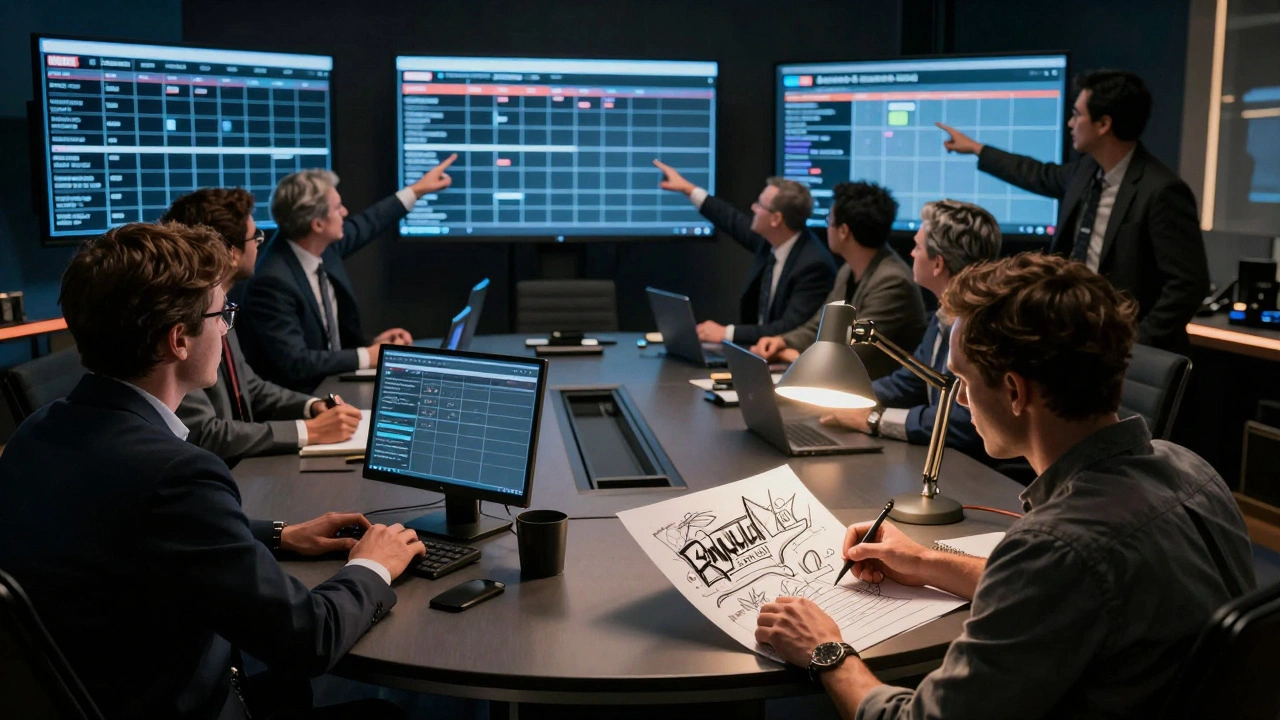
It’s easy to blame studios. But the trap is deeper. It’s not just about money-it’s about control. Franchises are locked into long-term contracts. Actors sign multi-film deals. Writers are hired to expand lore, not tell new stories. Directors become technicians, not storytellers.
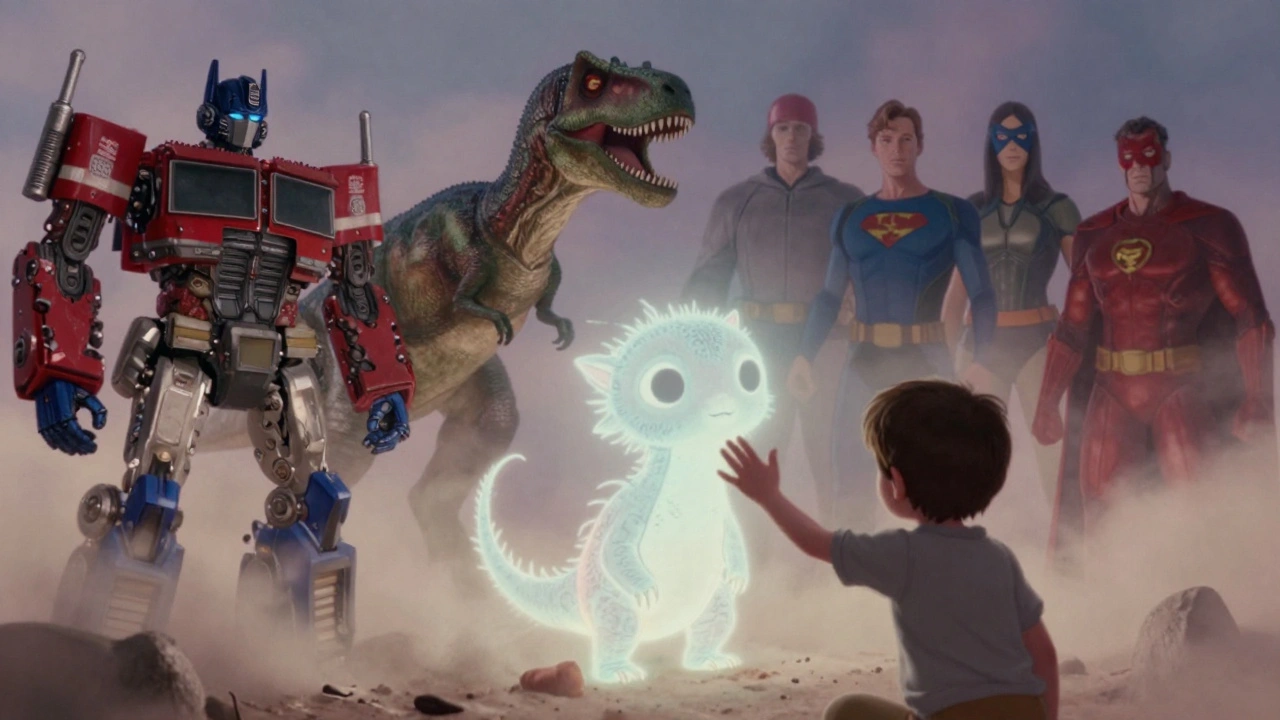
Take Transformers. Michael Bay made six films. Each one made money. But the creative team changed almost nothing. The same explosions. The same robots. The same dialogue. Audiences didn’t leave because they hated robots-they left because they stopped caring.
Even successful franchises are starting to crack. Fast & Furious is now a space opera. Jurassic World is stuck in a loop of dinosaurs escaping and people screaming. Indiana Jones tried to reboot with a new lead, but fans rejected it. Why? Because franchises lose their soul when they stop evolving. They become corporate products, not cultural moments.
When Franchises Actually Work
Not all franchises are bad. Some have earned their sequels. Toy Story had four films because each one added emotional depth. Mad Max: Fury Road wasn’t a reboot-it was a reinvention. Barbie in 2023 made $1.4 billion not because it was a toy adaptation, but because it was a sharp, funny, surprising film that used the brand as a springboard, not a cage.
The difference? These films respected their audiences. They didn’t just repeat. They expanded. They took risks within the world they’d built. Spider-Man: Into the Spider-Verse didn’t need a sequel to justify its existence-it redefined what an animated superhero film could be. And then it got one anyway. Because it earned it.
Franchises aren’t the enemy. Complacency is.
The Rise of the Independent Middle Ground
While studios chase billion-dollar sequels, a quiet revolution is happening outside the system. Independent studios and streamers are quietly investing in original films-but not the kind you’d expect.
Apple TV+ released The Last Thing He Told Me, a character-driven thriller that made no money at the box office but became a cultural talking point. Netflix’s Extraction 2 was a sequel, but it was made with a $90 million budget and shot in real locations with practical effects-something major studios rarely do anymore. Amazon’s The Boys spin-off Gen V took a franchise and turned it into a dark satire about power and privilege.
These aren’t blockbusters. But they’re the kind of films that keep cinema alive. They don’t need to open at #1. They just need to matter.
And audiences are noticing. In 2025, 61% of viewers under 30 said they’d pay extra for a streaming subscription if it offered more original films-not more sequels. That’s a signal studios can’t ignore forever.
What’s Next?
Hollywood isn’t going to stop making sequels. They’re too profitable. But the tide is shifting. Studios are starting to test small-scale original films as “safety valves.” Warner Bros. launched DC Studios with a promise to make fewer films-but make them better. Universal is quietly funding indie films through its Focus Features arm. Even Disney is experimenting with lower-budget, original sci-fi and horror titles on Hulu.
The real question isn’t whether franchises should exist. It’s whether Hollywood still knows how to tell stories-or if it’s just selling products.
Next time you’re tempted to skip the latest sequel, ask yourself: Are you tired of the movie… or tired of being treated like a customer instead of a fan?
The answer might just decide the future of cinema.
Why are studios making so many sequels instead of original films?
Studios make sequels because they’re safer investments. Franchises come with built-in audiences, proven marketing potential, and established characters. A sequel to a hit film often costs less to promote and guarantees higher box office returns. Original films carry more risk-no brand recognition, no fanbase waiting in line. When studios lose money on an original film, it hurts their quarterly earnings. Sequels, even mediocre ones, usually make money.
Is sequel fatigue real, or is it just a buzzword?
Yes, sequel fatigue is real-and backed by data. A 2024 USC study found that audience emotional engagement drops by 32% after the third film in a franchise. Ticket sales for sequels have been declining since 2022, even for major franchises like Marvel and Fast & Furious. Social media backlash, lower Rotten Tomatoes scores, and fewer repeat viewings all point to the same thing: audiences are tired of recycled plots. It’s not about the number of sequels-it’s about how little they add to the story.
Can a franchise still be original?
Absolutely. The best franchises don’t repeat-they evolve. Toy Story 3 tackled aging and letting go. Mad Max: Fury Road turned a 1980s action flick into a feminist environmental allegory. Barbie used a toy brand to explore gender and identity. These films didn’t just cash in-they expanded the world and gave it new meaning. Originality in a franchise isn’t about starting from scratch. It’s about daring to say something new within a familiar framework.
Are original films dead?
Not dead-but pushed to the margins. Major studios barely make them anymore. But independent studios, streamers like Netflix and Apple TV+, and international filmmakers are keeping them alive. Films like Anora, The Substance, and The Brutalist are making waves at festivals and earning critical acclaim. They don’t open wide, but they find audiences who care. Original films aren’t gone-they just need you to seek them out.
What can audiences do to support original films?
Watch them. Talk about them. Pay for them. If you want more original films, don’t just complain-vote with your wallet. Go see a small indie film in theaters. Subscribe to a streaming service that funds original content. Leave reviews. Share them on social media. Studios listen to box office numbers and streaming metrics. If original films start making money, studios will start making more of them. Your attention is the only currency that matters.


Comments(10)