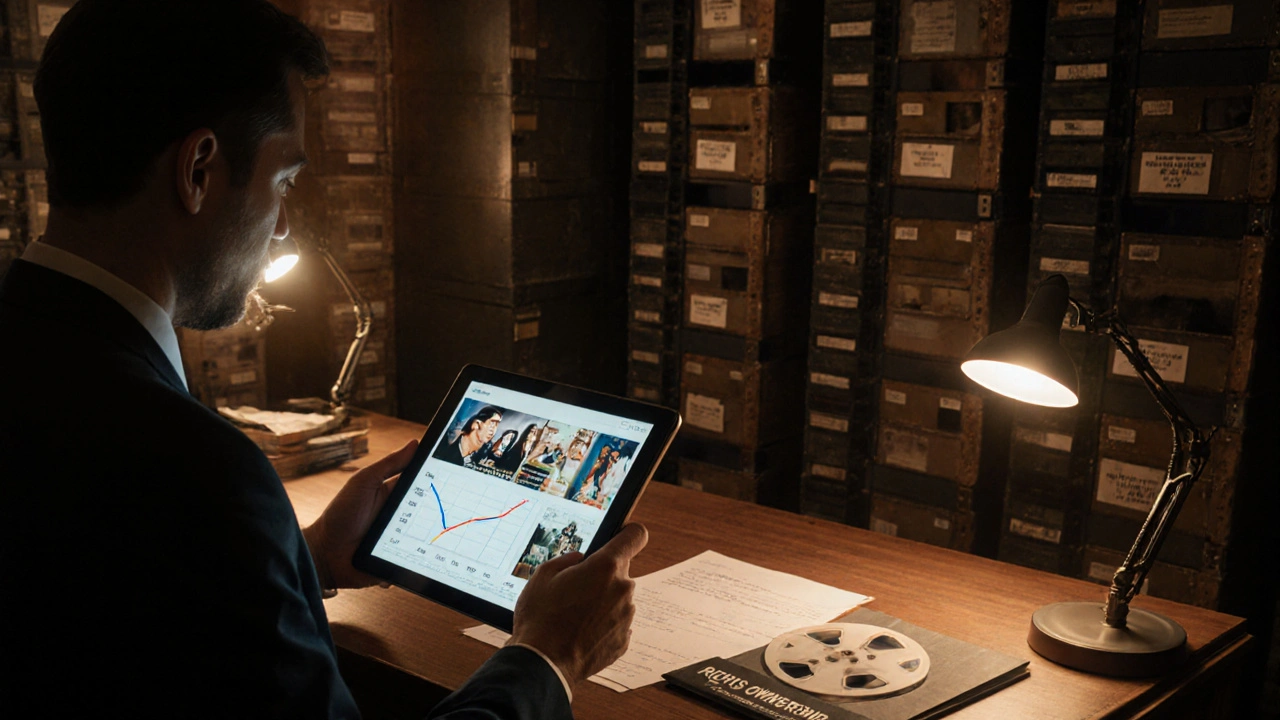
When a studio sells its film library, it’s not just selling tapes or files. It’s selling decades of audience attention, recurring revenue, and legal rights that can outlive the people who made them. A single classic film can earn money for 50 years after its release-not just from TV deals, but from streaming, international licenses, merchandising, and even sampling in new music. But how do you put a number on that?
What Makes a Film Library Valuable?
A film library isn’t a pile of DVDs. It’s a portfolio of assets with different levels of value. Some titles are cash cows. Others are buried deep, forgotten, but still legally owned. The key is understanding what drives value in each piece.
First, look at recurring revenue. A film like Rocky or It’s a Wonderful Life doesn’t need marketing. It plays every holiday season. It gets licensed to streaming services like Netflix or Hulu. It’s shown on cable channels like TCM. It’s sold as a DVD box set. Each of these streams adds up. Studios track this. Buyers look at the last five years of cash flow. If a film made $2 million in royalties last year, that’s not a one-off. It’s a signal.
Second, consider rights ownership. Not all films are created equal in legal terms. A film with full worldwide rights-meaning the owner controls distribution in every country-is worth far more than one with only North American rights. If a film’s music rights are tied up with a label that won’t renew, that cuts the value. If the director or actors hold back merchandising rights, that’s another hole in the revenue stream.
Third, catalog size matters. A library with 500 films isn’t just 500 chances to earn. It’s a bundle that gives buyers scale. A streaming service doesn’t want one classic. They want a shelf of titles that keeps viewers subscribed. A library with 100+ titles that consistently generate income becomes a strategic asset. Buyers pay premiums for libraries that can fill gaps in their content strategy.
How Film Libraries Are Sold
Film libraries don’t go on eBay. They’re sold through private deals, auctions, or brokered transactions. The process usually starts with an appraisal. Then, the owner-often a studio, estate, or independent producer-engages a broker who targets buyers: streaming platforms, media conglomerates, private equity firms, or even foreign distributors.
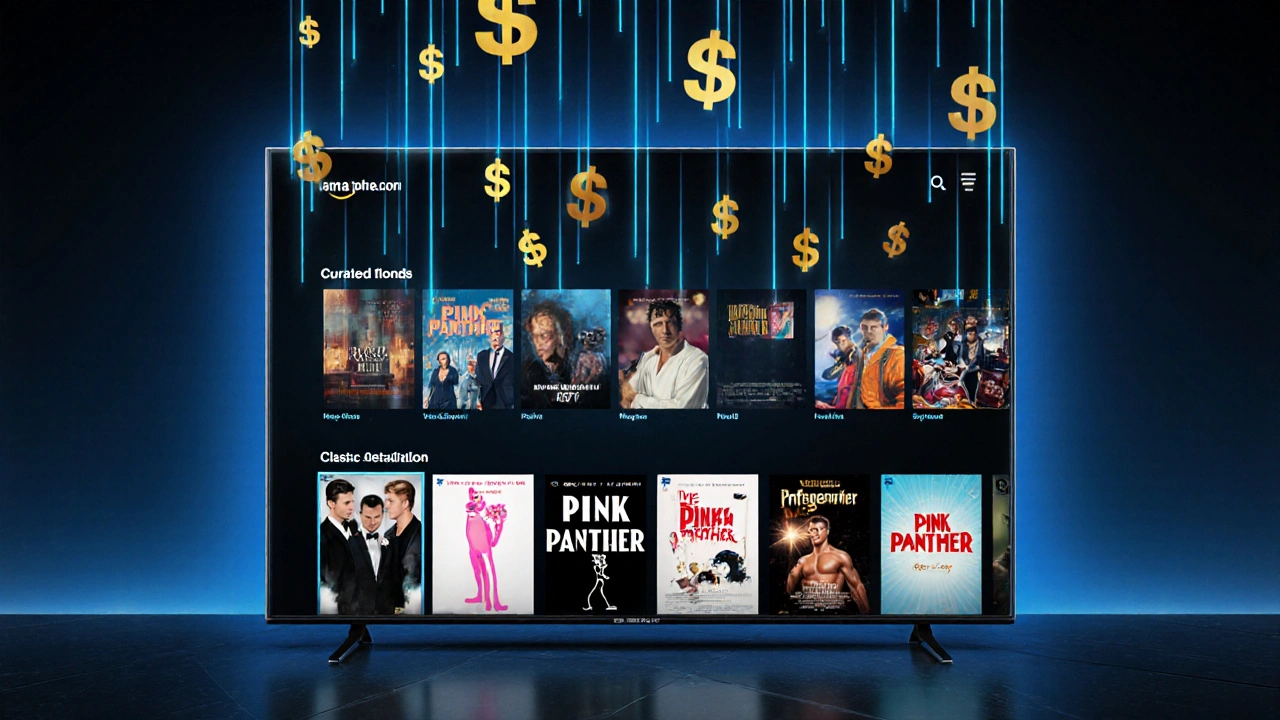
One common model is the catalog sale. In this case, the entire library is bundled and sold as one unit. This is what happened when Amazon bought MGM in 2022 for $8.45 billion. A big chunk of that price wasn’t for new movies-it was for the 4,000+ titles in MGM’s library, including James Bond, Rocky, and The Pink Panther. Those films had already earned billions over 60 years. Amazon bought the future cash flow.
Another model is the title-by-title sale. This happens when a library owner wants to cash out on top performers without selling everything. Maybe they sell the rights to 20 high-performing 80s comedies to a streaming service, and keep the rest. This gives flexibility but requires more work. Each title needs its own valuation, and buyers negotiate separately.
Then there’s the licensing deal. Instead of selling, the owner licenses the library to a distributor for a set period. This is common with older films that still have niche audiences. A European broadcaster might pay $500,000 for the rights to show 50 classic horror films for three years. That’s not a sale-it’s a rental. But it’s predictable income with low overhead.
How Appraisals Work
Valuing a film library isn’t guesswork. It’s a financial analysis based on real data. Appraisers don’t look at how good the movies are. They look at how much money they’ve made-and how much they’re likely to make.
The most common method is the discounted cash flow model. Appraisers take the last five years of revenue from each film: streaming, TV, home video, international sales. They project that revenue forward for the next 10 to 20 years. Then they apply a discount rate-usually between 12% and 18%-to account for risk and inflation. The sum of all those future cash flows becomes the library’s present value.
For example, a 1983 film that earned $1.2 million in royalties last year might be projected to earn $900,000 next year, $700,000 the year after, and so on, declining slowly as the audience ages. If the discount rate is 15%, the appraiser might value that single film at $7.5 million today.
But not all films are treated the same. A film with no recent revenue gets a lower projection. A film that’s never made a dime since 1990 might be valued at $0-or even carry a negative cost if it’s tied up in legal disputes. Appraisers use software to sort films into tiers: high performers, mid-tier, and dead weight. Only the top 20% of titles in a library often generate 80% of the income.
Appraisals also factor in legal risks. Is there a lawsuit over rights? Are the actors’ estates demanding more money? Is the film’s soundtrack licensed through a bankrupt label? These can slash value. One appraiser told me about a library worth $40 million on paper-until they found out the music rights for 12 films had expired and couldn’t be renewed. The value dropped to $18 million overnight.
Who Buys Film Libraries?
Buyers aren’t just studios anymore. The market has diversified.
- Streaming platforms like Netflix, Amazon, and Apple TV+ buy libraries to fill content gaps. They don’t need new blockbusters-they need reliable, evergreen titles that keep subscribers from canceling.
- Private equity firms treat film libraries like bonds. They buy them, hold them for 5-10 years, and sell them at a markup. One firm bought a 300-film library for $120 million in 2021 and sold it for $210 million in 2024.
- Foreign distributors often buy rights to older American films for their home markets. A 70s action film might not sell in the U.S., but in Brazil or Poland, it’s a cult hit. These buyers pay less per title but buy in bulk.
- Estate executors sometimes sell libraries after the death of a producer or director. They need liquidity. They’re not emotional about the films-they’re focused on taxes and inheritance.
The buyers with the most cash are the streaming services. But they’re also the most selective. They want libraries with clear rights, consistent revenue, and titles that fit their brand. A library full of obscure indie films won’t interest them unless one of them won an Oscar.
Common Pitfalls in Valuation
People think a film library is worth what they paid for it-or what it cost to make. That’s wrong. A $10 million movie that flopped might be worth nothing. A $2 million indie film that became a cult classic could be worth $50 million.
Another mistake: assuming all films in a library are valuable. Many libraries are filled with films that never made a profit. They’re kept because they’re “owned,” not because they earn. Appraisers call these “zombie titles.” They cost money to maintain-storage, legal fees, insurance-and add zero revenue. Smart sellers remove them before listing the library.
Then there’s the illusion of nostalgia. A film might be beloved by fans, but if it doesn’t generate income, it’s not an asset. One owner tried to sell a library of 1950s educational films. Fans loved them. But no one was licensing them. The appraiser valued the entire collection at $15,000. The owner refused to believe it. He eventually gave them away to a film archive.
And don’t forget taxes. Selling a film library can trigger massive capital gains. In the U.S., if you’ve owned the rights for over a year, you pay long-term capital gains tax-up to 23.8% federally, plus state taxes. Many sellers don’t plan for this. They think they’re getting $50 million, then find out they’re walking away with $35 million after taxes.
What to Do If You Own a Film Library
If you’re sitting on a film library, here’s what to do next:
- Get a professional appraisal. Don’t rely on gut feelings or old estimates. Hire a firm that specializes in media asset valuation. Look for firms with experience in catalog sales.
- Organize your rights. Make sure you have clear documentation for every film: distribution rights, music licenses, talent agreements. Missing paperwork kills deals.
- Separate the wheat from the chaff. Identify your top 20% of titles. These are your selling points. The rest can be kept, licensed cheaply, or discarded.
- Understand your tax situation. Talk to an accountant who knows media assets. You might be able to defer taxes through a 1031 exchange or structure the sale as an installment sale.
- Work with a broker. Don’t try to sell this yourself. There are fewer than 10 brokers in the U.S. who specialize in film library sales. They know who’s buying, what they want, and how to structure deals.
There’s no rush. Film libraries don’t expire. They grow in value over time-if they’re well-managed. The right buyer will come. But only if you know what you’re selling-and how much it’s really worth.
Frequently Asked Questions
How long does it take to sell a film library?
The process usually takes 6 to 18 months. Finding the right buyer, negotiating terms, and completing due diligence takes time. Libraries under $5 million can sell faster-sometimes in 3 to 6 months. Larger libraries, especially those over $50 million, often take a year or more because of legal complexity and financing.
Can I sell just one film from my library?
Yes, but it’s rarely profitable. Selling one film requires the same legal work as selling 50. Most buyers prefer bulk deals. If you have a standout title-say, a cult classic with global appeal-you might find a niche buyer, but you’ll likely get a lower price per title than if you sold it as part of a larger catalog.
What’s the average return on a film library investment?
Private equity firms report average annual returns of 15% to 22% over a 7-year holding period. That’s higher than most real estate or bond investments. But it’s not liquid. You can’t cash out quickly. The return comes from long-term cash flow and eventual resale.
Are old black-and-white films still valuable?
Absolutely. Films like It’s a Wonderful Life or Metropolis still generate millions annually. Their value comes from cultural staying power, not color or special effects. Streaming services and classic film channels actively seek them. Black-and-white films often have fewer competing versions, making licensing easier.
Do streaming services pay more than traditional buyers?
Sometimes. Streaming services pay premium prices for libraries that fit their brand and fill content gaps. But they’re also pickier. A library full of 70s TV sitcoms might get a better offer from a cable network than from Netflix. It depends on the content and the buyer’s strategy.
Can I license my library instead of selling it?
Yes. Licensing lets you keep ownership while earning steady income. A typical license lasts 3-10 years and pays 10% to 25% of gross revenue. It’s ideal if you want to preserve the library for future generations or if you’re unsure about market timing. But licensing doesn’t give you a lump sum-you’re trading upfront cash for long-term royalties.




Comments(10)