Key Takeaways for Educational Reach
- Focus on "curriculum fit" rather than just artistic merit.
- Prioritize Public Performance Rights (PPR) to avoid legal headaches for teachers.
- Target specific academic departments (Sociology, Political Science, Film) instead of general "education."
- Leverage university libraries and digital repositories for long-term stability.
- Create a "Teaching Guide" to make the professor's job easier.
Why the Campus Market Works for Indie Films
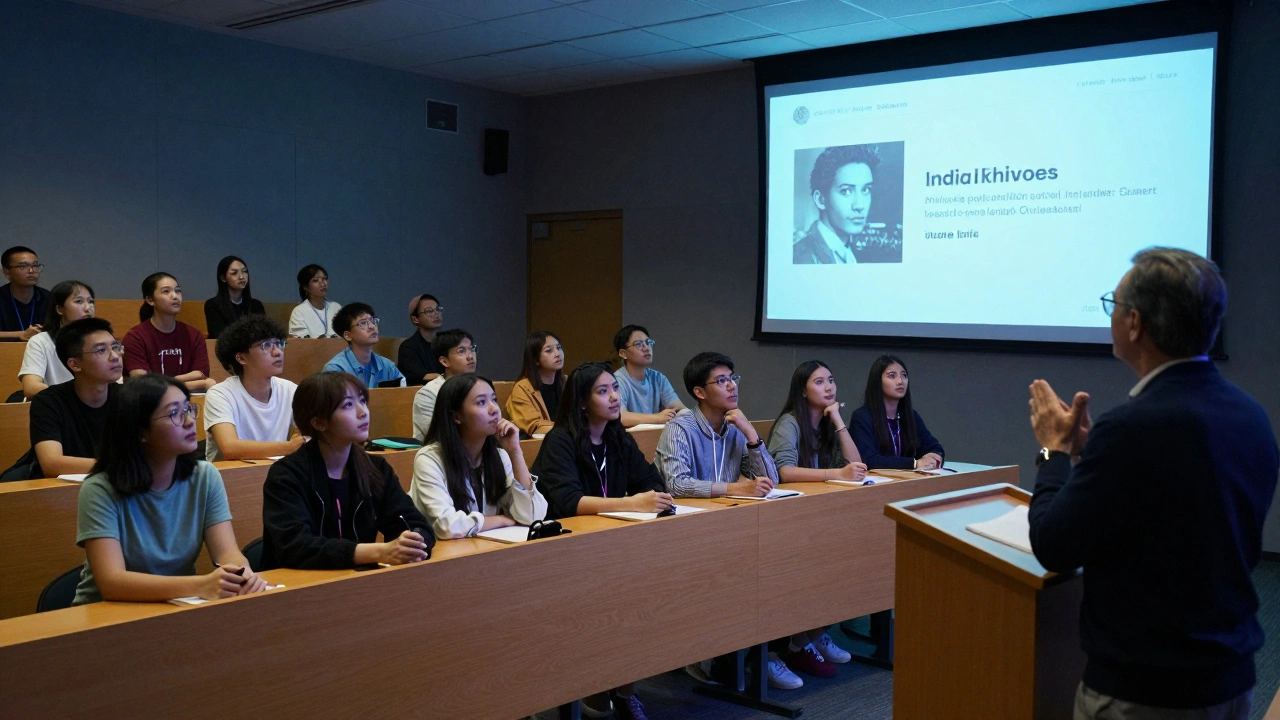
Most indie filmmakers chase the festival circuit or a Netflix deal, but educational distribution is the process of licensing a film specifically for use in academic environments, such as K-12 schools and universities. Unlike a commercial theater, where the goal is ticket sales, the academic goal is pedagogy. If your story helps a student understand a complex concept-like systemic poverty, mental health, or avant-garde cinematography-the film becomes an asset to the institution.
University budgets for instructional materials are surprisingly resilient. While a casual viewer might ignore a niche documentary, a professor with a budget for "Course Materials" is often happy to pay a licensing fee if the film solves a problem in their syllabus. You're moving from the volatile world of entertainment into the stable world of educational resources. This means slower growth, but much higher longevity. A film that fits a sociology curriculum can be taught for a decade, long after it has disappeared from a streaming platform's "Trending" tab.
Understanding Academic Licensing and Rights
You can't just tell a professor to "play the DVD" or "stream it from YouTube." That is a legal minefield. To enter this space, you need to understand Public Performance Rights, or PPR, which is the legal permission to show a copyrighted work to a public audience, including a classroom of students. Most consumer DVDs are licensed for "home use only." If a university shows a home-use disc in a lecture hall, they are technically infringing on copyright.
To make your film "classroom-ready," you should offer a specific Educational License. This typically includes the right to show the film in a classroom setting and the right to share a clip in a digital learning management system (LMS). When you pitch to a university, don't just send a link. Send a licensing agreement that explicitly grants these rights. It shows you are a professional and removes the risk for the institution.
| License Type | Primary Audience | Key Restriction | Revenue Model |
|---|---|---|---|
| Consumer (TVOD/AVOD) | General Public | Single-family home use | Per-view or Subscription |
| Educational (Institutional) | Students/Faculty | Non-commercial use only | Flat licensing fee per campus |
| Theatrical (Commercial) | Cinema Goers | Limited time windows | Box office split |
Mapping Your Film to the Curriculum
To get a professor's attention, you have to stop talking like a filmmaker and start talking like an educator. They don't care about your "cinematic vision" as much as they care about "learning outcomes." If your film is a gritty drama about immigrant experiences, don't pitch it to the Film Department-pitch it to the Sociology or Ethnic Studies departments. These professors are often desperate for contemporary examples of the theories they teach.
Start by identifying the "Core Theme" of your work. Is it about power dynamics? Identity? Environmental collapse? Once you have that, search for common course titles in universities, such as "Introduction to Sociology" or "Modern Political Theory." Reach out to the department heads or specific professors whose research aligns with your film's theme. A personal email saying, "I noticed your work on urban decay, and I've made a film that visually explores that exact phenomenon in the Midwest," is ten times more effective than a generic press kit.
The Power of the Teaching Guide
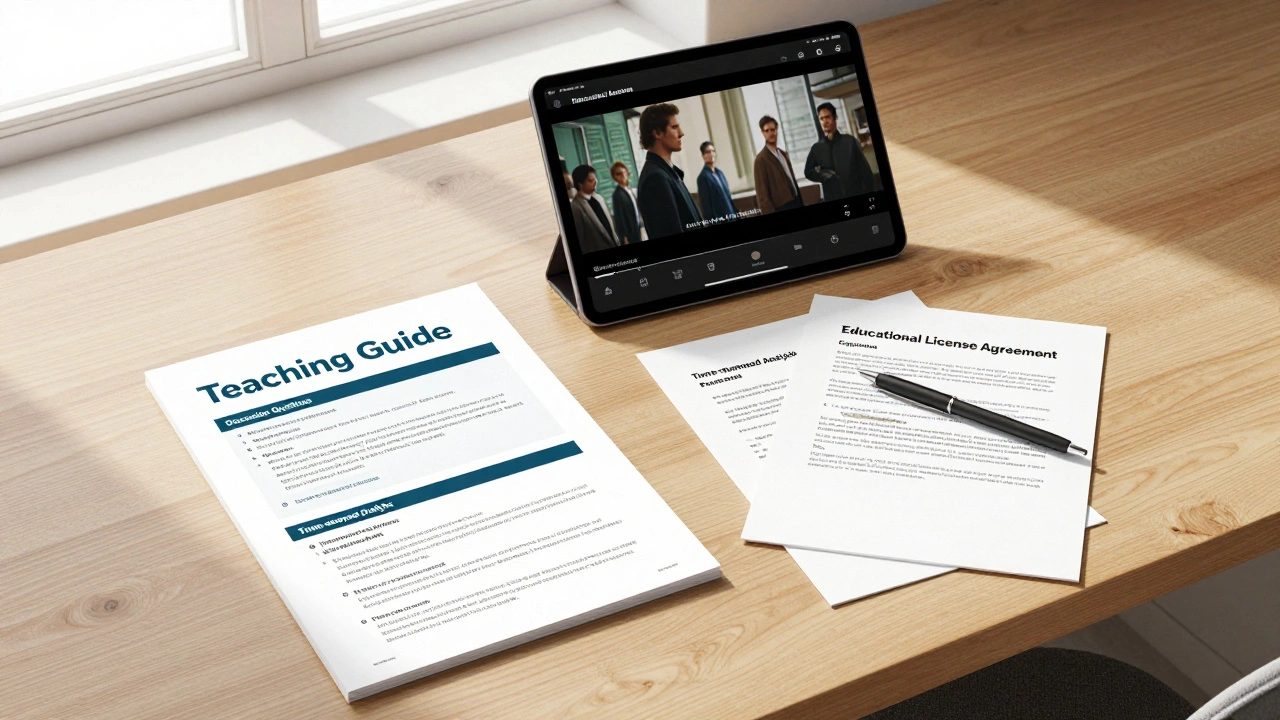
The biggest barrier to a professor using your film is time. They have a syllabus to follow and a hundred papers to grade. If they have to spend three hours figuring out how to integrate your movie into a lesson, they simply won't do it. You can solve this by creating a Teaching Guide. This is a simple PDF that turns your movie into a turnkey lesson plan.
A high-value teaching guide should include:
- Discussion Questions: Five to ten open-ended questions that provoke critical thinking (e.g., "How does the protagonist's choice in scene X reflect the societal pressure discussed in Chapter 4?").
- Key Vocabulary: A list of terms or concepts illustrated in the film.
- Suggested Assignments: A prompt for an essay or a creative project based on the film's themes.
- Time-stamped Analysis: A guide for the teacher indicating exactly which minutes of the film best illustrate specific points, allowing them to play clips rather than the whole movie.
By providing this, you are no longer just a director; you are a pedagogical partner. You've reduced the friction of adoption to nearly zero.

Strategic Campus Screenings and Events
Beyond the classroom, the campus is a hub for events. Campus Screenings are a great way to build a grassroots following and potentially secure an institutional purchase. Instead of trying to rent a theater, look for student organizations. If your film is about LGBTQ+ rights, partner with the university's queer student union. If it's about climate change, find the environmental club.
These groups often have their own budgets or can get funding from the Student Government Association (SGA). Offer to do a Q&A session after the film. This transforms the screening from a movie night into an "Academic Event." Once a student organization champions your film, the university library is much more likely to purchase a permanent copy for their collection to meet student demand.
Leveraging Academic Libraries and Repositories
The final step in a professional educational strategy is getting into the library system. Many universities use Kanopy or Alexander Street Press, which are streaming platforms specifically for academic institutions. These are not like Netflix; they are curated libraries where the university pays for the access. Getting your film on these platforms is the gold standard for indie educational distribution.
To get there, you usually need a distributor who specializes in educational content (often called an "Educational Distributor"). They handle the technical delivery and the complex contracts with university consortia. While they take a cut of the revenue, they provide a level of legitimacy and reach that a solo filmmaker cannot achieve. Your film is no longer a "small indie project"; it's a "catalog title" available to thousands of researchers worldwide.
Do I need a special license to show my indie film in a college classroom?
Yes. Standard consumer licenses (like those on a retail DVD or a personal streaming account) typically forbid public performance. To be legal, you need to provide an Educational License or Public Performance Rights (PPR) that explicitly allows the film to be shown for instructional purposes in a classroom.
How much can I charge for an educational license?
Pricing varies wildly. For a single-professor license, fees can range from $50 to $200. For a campus-wide license (where any professor in any department can show it), fees can range from $500 to several thousand dollars, depending on the size of the university and the film's relevance to the curriculum.
What is the best way to contact a professor about my film?
Avoid generic blast emails. Research the professor's specific area of study and mention a piece of their work. Explain exactly how your film serves as a case study or illustrative example for a topic they teach. Include a link to a trailer and a sample of your Teaching Guide to prove the film's academic utility.
Can I use YouTube for educational distribution?
YouTube is great for visibility, but poor for monetization in the academic world. Professors prefer secure, high-quality links or institutional platforms. If you use YouTube, consider making the film "Unlisted" and providing the link only to those who have paid for an educational license, though a dedicated LMS or academic streamer is more professional.
What should be included in a Teaching Guide?
A strong guide includes discussion questions, a list of relevant academic themes, time-stamps for key scenes to save the teacher time, a brief summary of the film's sociological or historical context, and a suggested assignment or essay prompt for students.
Next Steps for Your Distribution Plan
If you are just starting out, don't try to tackle every university at once. Start with a "Pilot Campus." Find one professor who loves your work, give them a free license, and ask them to help you refine your Teaching Guide. Use the success of that one classroom to create a case study. When you approach the next university, you can say, "This film was used in a Sociology 101 course at State University and resulted in a 20% increase in student engagement on the topic of urban poverty." That kind of data is what gets an indie film bought and taught.


Comments(10)