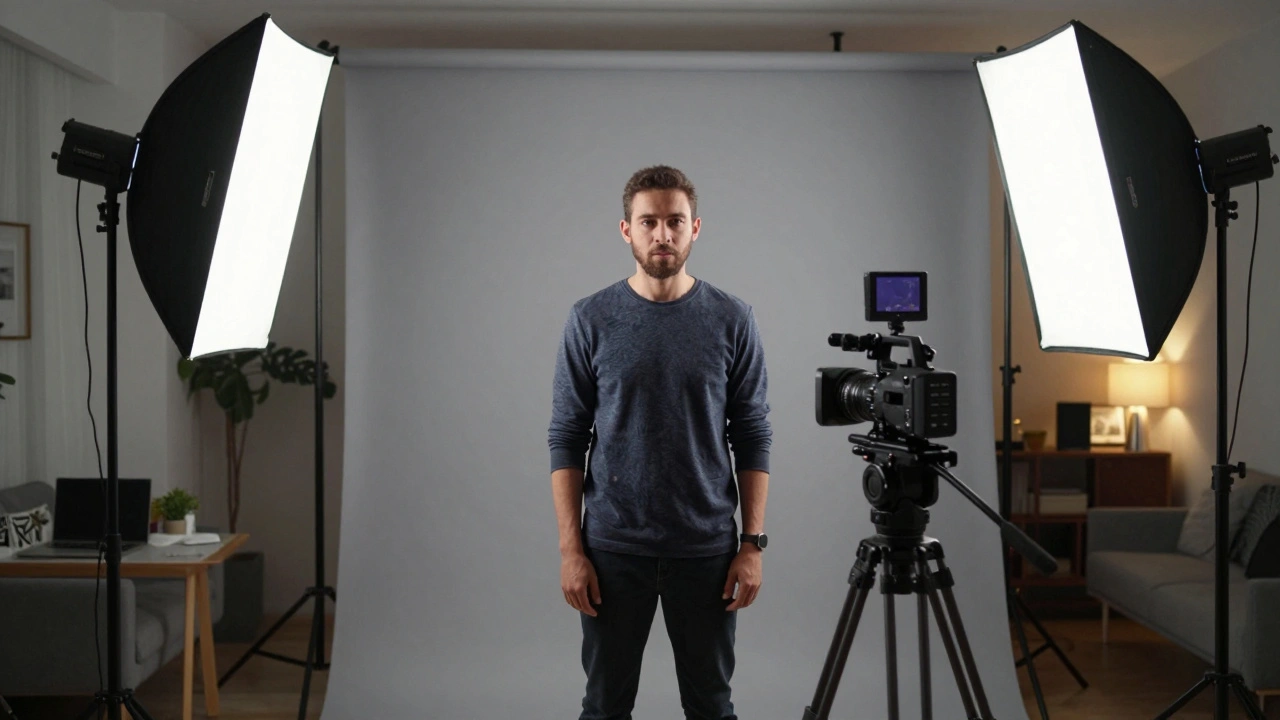
The green room is officially dead. For decades, acting meant commuting across Los Angeles or London, parking a car outside a casting office, waiting in line, and performing in front of strangers in a sterile conference room. That era vanished. Today, March 27, 2026, marks six years since the industry fully pivoted to digital workflows. The reality is simple: Self-Tape Auditions are video recordings submitted by actors remotely for roles. They are now the standard for almost every major feature film production. This shift didn't just change where we cast; it changed who gets cast.
Before the global health crisis accelerated adoption, self-taping was a niche option. Now, it is the primary funnel for talent discovery. You might think this means the process became easier. In some ways, it did. In others, it got significantly more competitive. We aren't just talking about convenience anymore. We are discussing a fundamental restructuring of the creative pipeline.
The Evolution of Remote Casting
To understand where we stand in 2026, you have to look at the transition phase between 2020 and 2023. Initially, Remote Casting was born out of necessity. Production halted, studios needed to keep development moving, and technology stepped in to fill the void. Fast forward to today, and virtual selection isn't a temporary fix; it is the default architecture of modern scouting.
Casting directors report a 300% increase in submission volume compared to 2019 levels. Why? Because geographical barriers dissolved. A teenager in Asheville can audition for a studio tentpole role without buying a plane ticket. While this sounds like a democratization win, it flooded the system. A project that once received 50 headshots now pulls in 500 digital clips per day. The volume creates a bottleneck at the viewing stage, forcing teams to rely on quick edits rather than long-form performances.
This change forced unions like SAG-AFTRA to update guidelines rapidly. Rules regarding pay scales for virtual sessions and protection against unpaid labor were rewritten to prevent exploitation. Now, in 2026, these regulations are enforced strictly via digital contracts signed before access to breakdown services is granted. It protects talent, ensuring that sending a self-tape isn't free emotional labor.
Technical Standards and Submission Requirements
If you want to land a part, your video quality matters more than your headshot used to. Casting directors are trained to spot amateur setups instantly. We aren't just watching performance; we are subconsciously grading your production value.
Essential specs for professional submissions
Attribute
Minimum Requirement
Preferred Standard
Resolution
720p (HD)
1080p or 4K
Audio
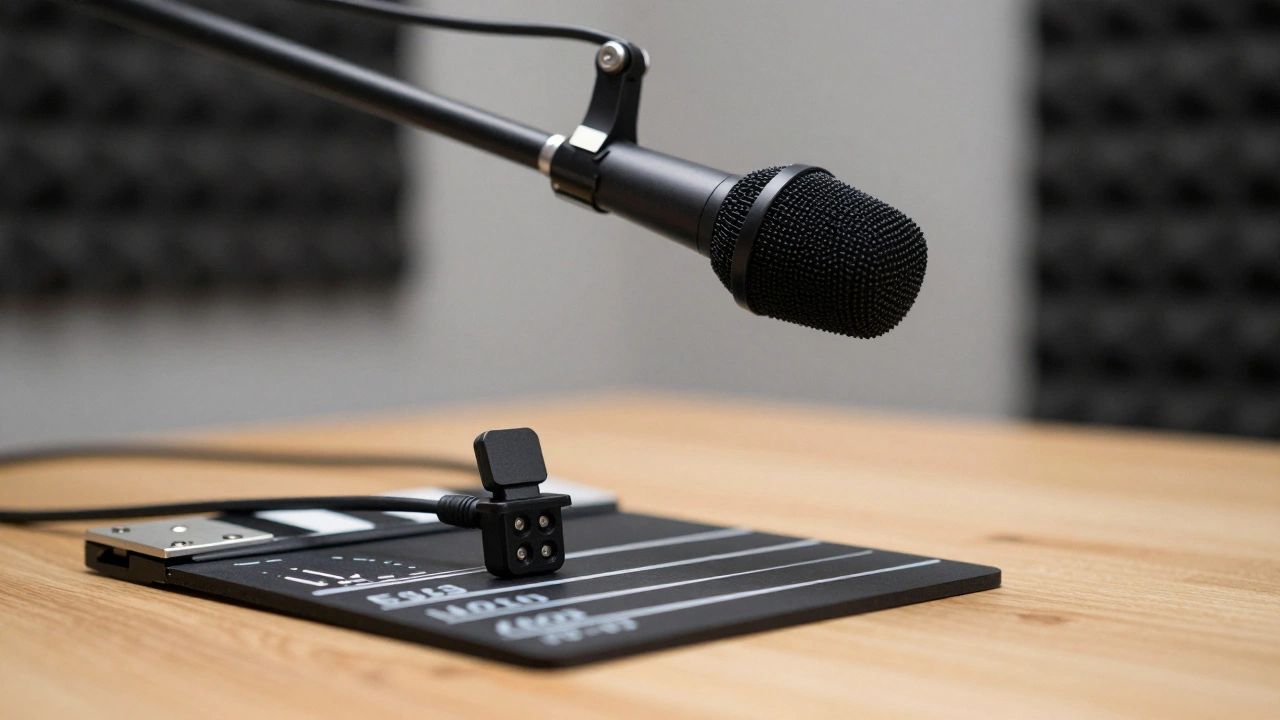
Lavaliere Mic
Shotgun Mic + Boom Operator
Lighting
Ring Light
3-Point Natural Key Fill
Framing
Full Body to Knee Up
Mid-Shot (Waist Up)
Background
Solid Wall
Neutral Grey Backdrop
Notice the gap between minimum and preferred. Many aspiring actors stop at the minimum. That puts them in a crowded pile. The preferred standard costs money or a network. It often involves hiring a friend or a professional studio space. If you are reading this hoping to save money, realize that high-quality lighting is non-negotiable for serious feature films. Poor audio is the quickest way to get deleted from a reader's queue.
File formats also matter. Most platforms accept MP4 or MOV containers. The filename convention is critical: `FirstName_LastName_Side.pdf` ensures your file is searchable in their database. A chaotic naming convention looks unprofessional. It suggests you don't pay attention to detail. If you can't manage your files, why should they trust you to manage complex scripts?
The Psychology of Digital Performance
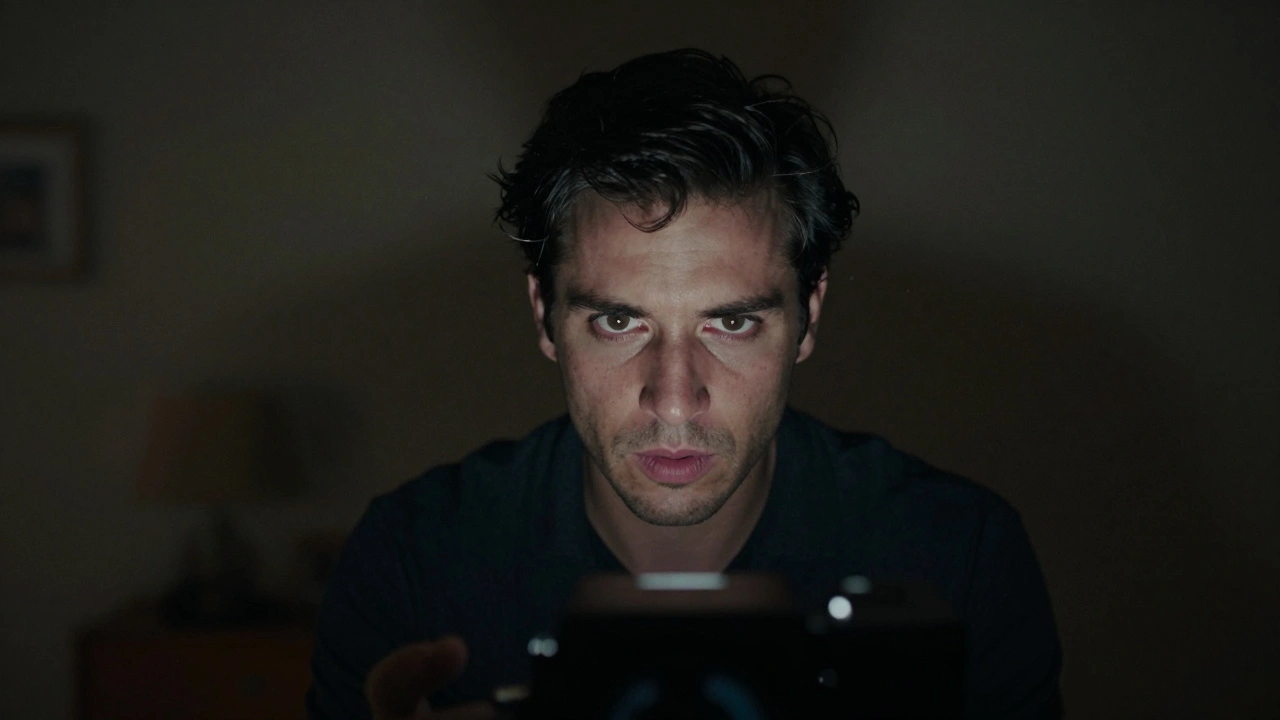
Performing for a camera lens is different from performing for a human eye in a room. When you act in person, you gauge energy through the reaction of the room. With Video Submissions, that feedback loop is severed. You are alone with a tripod.
This isolation breeds a specific type of anxiety known as "tape syndrome." You become hyper-critical of minor tics because you can see yourself in playback immediately. This pressure often degrades the naturalness of the read. Casting directors know this happens. They often advise talent to treat the camera like a trusted friend, maintaining eye contact with the lens rather than looking down or off-screen at notes.
In 2026, AI-driven tools are beginning to enter the review process. Some platforms offer automated facial recognition to flag performers based on previous credits. While powerful, this creates bias concerns. A new actor with no face-time data might get filtered out before a human ever clicks play. Understanding the algorithm behind Casting Platforms is becoming a skill set alongside acting.
Furthermore, the lack of chemistry reads in early stages alters how relationships form. Chemistry tests are still done digitally sometimes, but final callbacks usually happen in-person now. The hybrid model has emerged: remote initial rounds, then physical meet-and-greets for finalists. This saves travel costs for directors but keeps the safety net of personal connection intact for the actual hire.
Diversity and Access in Talent Discovery
The most significant impact of remote casting isn't logistical; it is demographic. Historically, Hollywood required actors to reside near production hubs like LA, New York, or Atlanta. Self-tapes broke that requirement. We now see representation rising from regions previously ignored by the mainstream machine.
Feature Films are increasingly shooting globally. Having a centralized digital library allows producers to find accents, dialects, and looks that match the script regardless of where the talent lives. It solves the logistics of international co-productions. However, there is a risk of tokenism. If a filmmaker just needs a "local accent," they might grab a clip and never fly the actor out until weeks later.
We need to talk about the "equity" angle. Not everyone has a quiet room, $500 lighting gear, or broadband internet. In smaller towns, rural areas, or low-income households, the barrier to entry has risen financially even while falling geographically. Professional development funds have launched in 2025 to subsidize these kits for registered members of unions. But the independent sector still struggles. Without equal access to equipment, the playing field is technically leveled but practically tilted.
Risks and Security Concerns
Submitting video online carries inherent risks. Deepfake technology is maturing fast. By 2026, malicious actors could theoretically clone a performer's voice and likeness for unauthorized use in AI-generated scenes. Major platforms now implement watermarking and blockchain verification for submitted footage to protect intellectual property.
Data privacy is another layer. Your home address is visible on shipping labels if you send equipment, but your biometric data goes digital when you tape. Casting sites have Terms of Service agreements dictating ownership of the footage. Usually, the rights revert to the actor, but explicit opt-ins are required. Always read the fine print on the platform you upload to. Never sign away your likeness indefinitely.
There is also the issue of burnout. Reading a script alone in a bedroom for three hours straight is exhausting without the social support of a theater warm-up session. Mental health days are crucial in the self-tape era. Many successful performers have stopped chasing every single posting and focus on quality over quantity. Sending twenty bad tapes hurts your reputation more than sending five great ones.
Do casting directors actually watch self-tapes?
Yes, absolutely. Casting directors spend hours reviewing clips daily. However, they skim efficiently. If your audio is muddy or your background is distracting, they may skip past you in seconds. A clear slate at the start helps them identify you quickly.
Can I edit my self-tape?
Minor color correction and leveling audio are acceptable, but heavy editing is frowned upon. Do not splice takes together to hide mistakes. Keep it continuous from slate to the end of the scene to prove authenticity.
What if I don't have professional equipment?
Good natural lighting and clear audio using a smartphone are better than bad artificial lights. Stand facing a window with a solid wall behind you. Clean lenses on your phone matter more than expensive cameras.
Are in-person auditions completely gone?
Not entirely. Major productions still hold callbacks and chemistry reads in person. Remote submissions are for the initial selection pool. Final casting decisions often involve meeting the talent physically to assess collaboration dynamics.
How does equity apply to self-tapes?
Unions like SAG-AFTRA have mandates preventing paid self-tape requests before official approval. If a producer asks for a taped interview before offering a contract, report it. You are protected against predatory practices that demand free work.
Looking Ahead in Feature Film Talent Scouting
As we settle into this new normal, the definition of an "audition" continues to evolve. Virtual reality trials and augmented reality meetings are already piloting in some tech-forward production houses. We will likely see further integration where talent databases sync directly with union registries.
The core skill remains unchanged: storytelling. Whether on a green screen lot in Vancouver or a living room in Georgia, the goal is to connect with the audience. The method of transmission is just the vehicle. Adaptability is the trait that will define the next generation of stars. Those who master the medium-understanding light, sound, and digital presence-will dominate the market.


Comments(6)