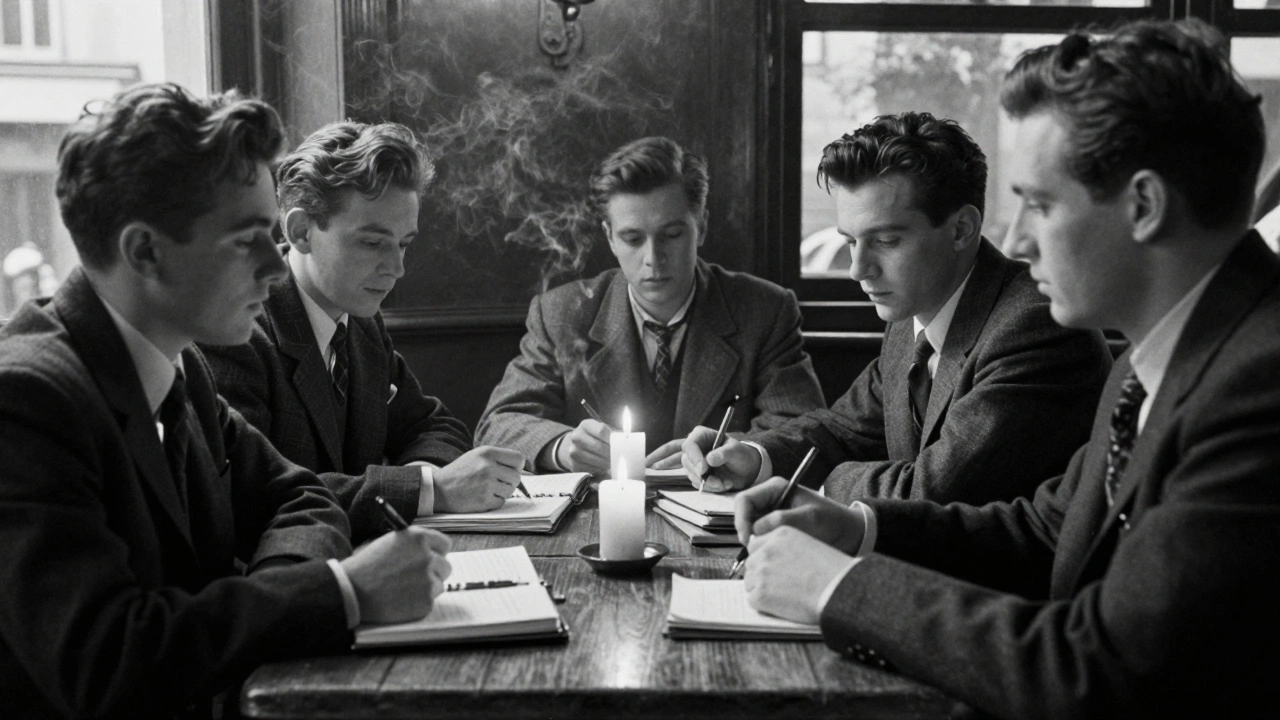
You have probably noticed it while watching movies. Sometimes you can recognize who directed a film without seeing the credits. One movie feels chaotic and energetic, while another is quiet and symmetrical. That sense of identity behind the camera is exactly what Auteur Theory describes. It is the belief that the director is the primary creative author of a film. This idea changed how people talk about movies forever.
Before this idea took hold, many viewed movies as factory products. The studio system decided plots, budgets, and stars. The director was just a hired hand getting work done. Then, in the late 1950s, a group of young critics in France argued otherwise. They claimed the director leaves a personal stamp on every project, regardless of the script or budget. Today, this perspective shapes awards, streaming algorithms, and even how studios market their biggest releases.
The Origins of the Concept
To understand the weight of this theory, you need to look at where it started. It didn't begin in Hollywood. It began in Paris at a magazine called Cahiers du Cinéma. Cahiers du Cinéma was a French film magazine founded in 1951 by critics who became famous filmmakers themselves.
This publication gathered writers like François Truffaut French filmmaker and critic who co-founded the French New Wave movement, Jean-Luc Godard, and Eric Rohmer. These critics were frustrated with the traditional "quality" filmmaking of their time. They felt those films were too literary and lacked visual soul. In a famous essay titled Une Certaine Tendance du Cinéma Français (A Certain Trend of French Cinema), Truffaut criticized directors who simply adapted novels without adding anything personal.
The core argument was simple: the director makes choices about lighting, camera angles, and rhythm that reflect their unique worldview. This collection of choices creates a signature style. If you watch enough films by one person, patterns emerge. These patterns are the essence of authorship in cinema.
Crossing the Atlantic to America
The idea stayed in Europe for a few years before crossing the ocean. American critics eventually adopted it to analyze Hollywood history. While the French focused on future potential, Americans looked backward to validate past legends. Andrew Sarris American film critic who popularized auteur theory in the United States through his books and writings played a massive role here. He wrote extensively for The Village Voice and published The American Cinema: Directors and Directions 1941-1947.
Sarris wanted to prove that Hollywood actors were just vehicles, but directors created art. He ranked filmmakers based on three specific levels. First was technical competence. If you cannot shoot a film smoothly, you cannot be an author. Second was distinguishable personality. Your style must be visible and different from others. Third was interior meaning. The subtext of the movies must reveal something deep about human existence.
| Level | Requirement | Example |
|---|---|---|
| Technical Competence | Handling craft basics | Lighting, focus, editing |
| Distinguishable Personality | Visible stylistic choices | Frequent motifs or framing |
| Interior Meaning | Thematic depth | Personal philosophy in story |
This structure helped critics organize chaotic careers. Suddenly, B-movie directors could be appreciated for their consistent style, even if their scripts were weak. This opened doors for genre filmmakers to gain critical respect.
Classic Examples of Directorial Vision
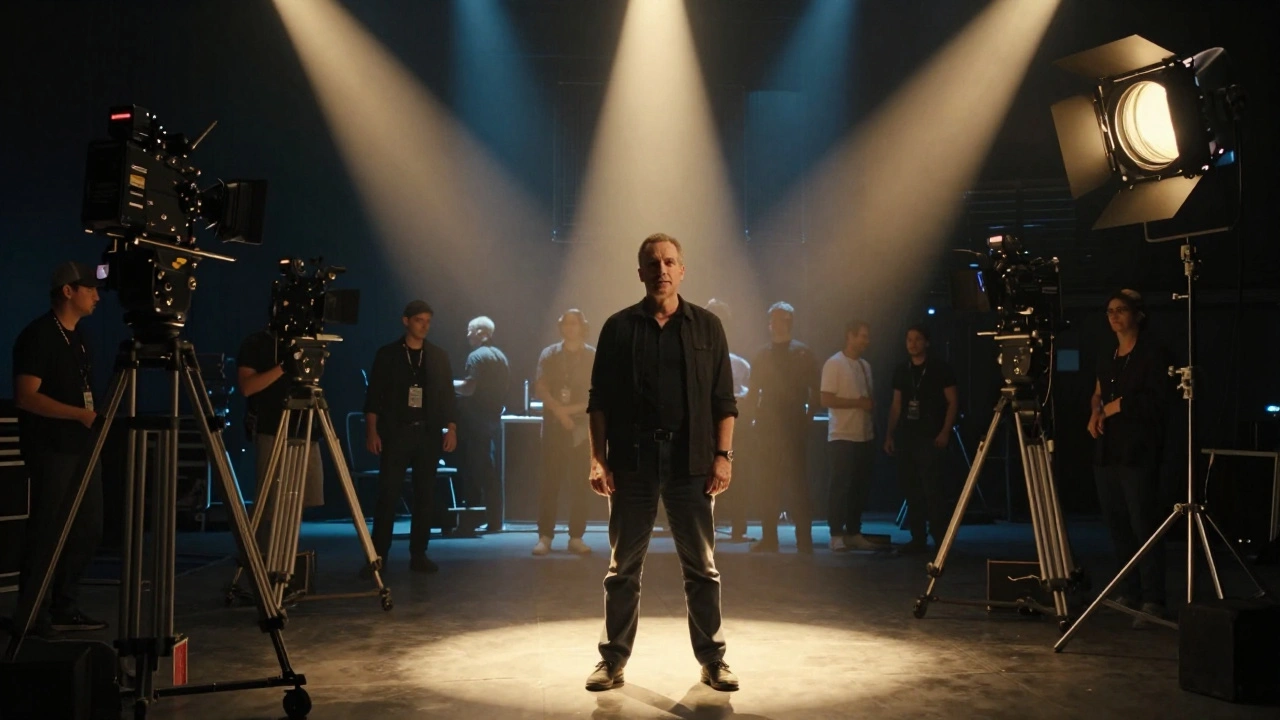
Who actually fits the bill? Some directors are obvious choices because they dominate every frame. Alfred Hitchcock British film director known for suspenseful storytelling and distinct visual techniques is often cited as the original example. His career spanned over five decades, yet his control remained absolute. He storyboarded every shot beforehand. When he made cameos in his own films, it wasn't just a joke; it was a reminder that he owned the entire process.
Another giant in this conversation is Stanley Kubrick American filmmaker renowned for meticulous planning, low angle shots, and symmetrical compositions. Every movie he made looks visually similar due to obsession with symmetry. Even when working in different genres-from war to science fiction-the feeling is unmistakably Kubrickian. He spent years researching topics and demanding dozens of takes until the performance matched his internal vision.
In modern cinema, the theory remains vital. Consider Martin Scorsese American director famous for crime dramas, Catholic guilt themes, and dynamic camera movements. You can identify a Scorsese film by the tracking shots, the religious iconography, and the exploration of male violence. Or look at Quentin Tarantino Filmmaker known for dialogue-heavy scripts, non-linear narratives, and pop culture references. Even when he isn't acting, his fingerprints are on every scene through long takes and eclectic music choices.
The Debate Over Collaboration
No theory is perfect, and this one faces criticism. Movies are collaborative art forms. A cinematographer lights the scene. An editor decides pacing. Costume designers define character looks. Critics argue that focusing solely on the director ignores these contributions. For instance, John Alton shot many noir classics in the 1940s. His shadows defined the genre more than some directors did.
Screenwriters also fight this claim. The Academy Awards Annual ceremony honoring artistic achievements in the motion picture industry gives out separate categories for Best Director and Best Screenplay for a reason. A bad script can sink even the strongest visual direction. However, proponents argue that the writer writes words on paper. The director translates those words into moving images.
This tension highlights the difference between industrial production and artistic expression. In the studio era, producers held the power. Today, franchises often rely on producers and showrunners more than a single director. Yet, the concept persists because audiences crave connection to a specific creator.
Auteurism in the Streaming Age
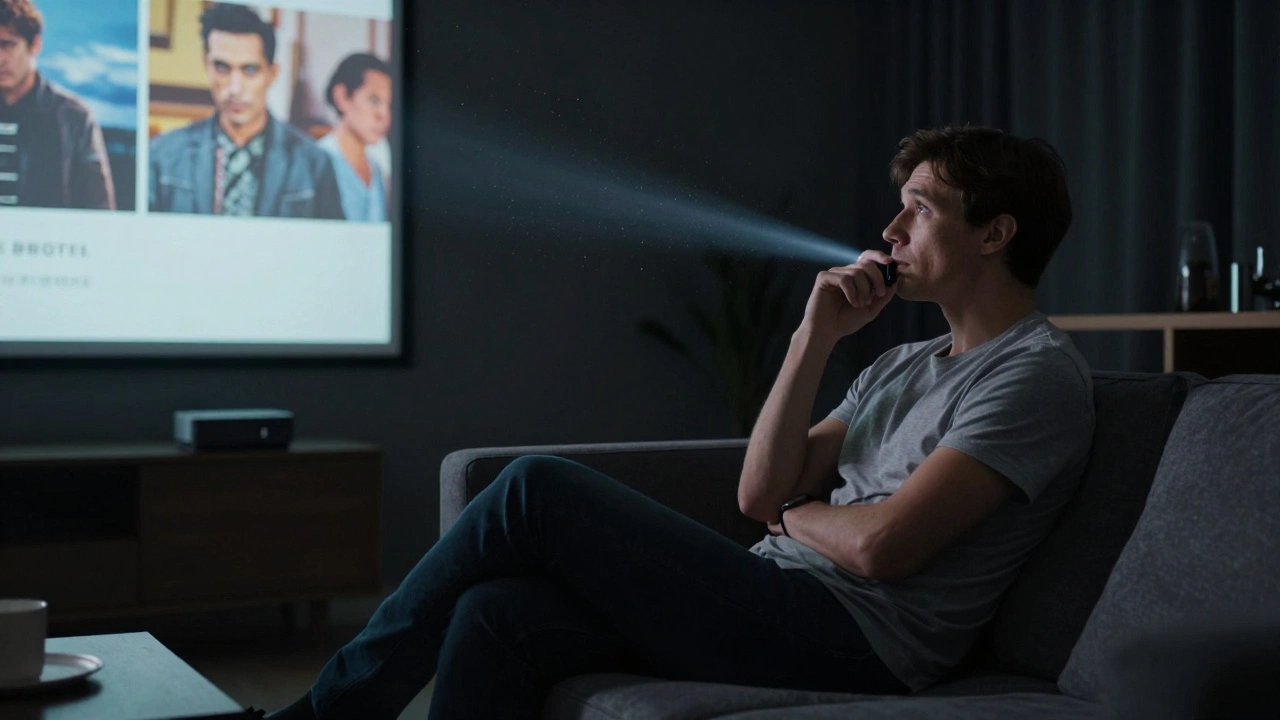
Does this theory survive Netflix and Amazon Prime? Absolutely, but it has shifted. In television, we now talk about the "showrunner" as the auteur. People like David Fincher or Vince Gilligan shape entire worlds across multiple seasons. Algorithms push content based on who made it. You might get a recommendation for a new Christopher Nolan film simply because you liked previous ones.
This shift helps independent films find niche audiences. Fans don't just follow franchises anymore; they follow the names attached to the projects. This changes funding too. Investors bet on the track record of a visionary leader. If a director has a reputation for delivering a specific style, they get greenlit faster.
Applying the Lens to Your Viewing
You can use this framework next time you sit down to watch a movie. Do not just focus on the plot twist. Watch how the camera moves. Is it handheld and shaky? Is it locked off and stable? Look at the color palette. Does the director favor warm tones or cold blues? Listen to the sound design. Are conversations overlapping naturally, or is everything perfectly synchronized?
Comparing two movies by the same director reveals the evolution of their style. A filmmaker might start with small budgets and tight scripts. Later, with big money, they might get more experimental. Tracking these changes shows growth. It turns passive watching into active study.
Finally, remember that theory is a tool, not a rule. Not every film needs to be an auteur statement. Some are great purely for entertainment. Others are collective triumphs where the ensemble matters more than the individual. Balancing these perspectives leads to a richer understanding of cinema history.
Who invented Auteur Theory?
The concept originated with critics at the French magazine Cahiers du Cinéma, specifically François Truffaut, in the late 1950s. Andrew Sarris later popularized it in the United States.
Is the screenwriter the true author of a film?
While screenwriters create the foundation, Auteur Theory argues the director interprets the material through visual language, making them the primary author of the final visual product.
What are the three tests of an Auteur according to Sarris?
They are technical competence, distinguishable personality (style), and interior meaning (personal themes). A director must meet all three to qualify.
Does Auteur Theory apply to blockbusters?
It can, if the director maintains a distinct visual signature despite studio constraints. Directors like James Cameron or Christopher Nolan demonstrate this ability.
Why is Hitchcock considered the ultimate example?
He maintained complete control over pre-production, storyboarding every shot personally. His style regarding suspense and voyeurism remained consistent throughout his career.





Comments(7)