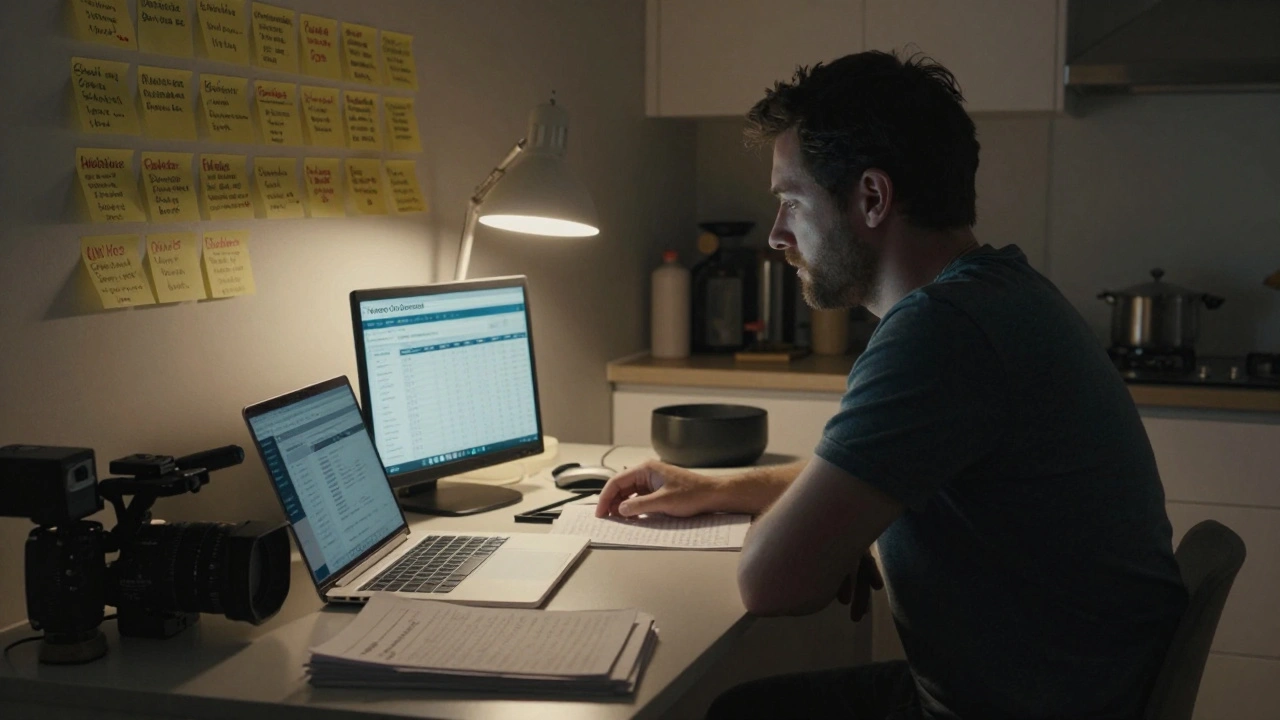
Most indie filmmakers never see their movies in theaters. Not because they aren’t good enough, but because the traditional distribution system doesn’t want them. Big distributors look for films with built-in audiences, celebrity names, or Oscar potential. If you’re making a low-budget drama, a quirky documentary, or a genre film with no stars, you’re on your own. That’s where self-distribution comes in. It’s not glamorous. It’s not easy. But for thousands of filmmakers, it’s the only way to get their work seen.
Why Self-Distribution Works Now
Ten years ago, releasing a film without a distributor meant playing a game of chance. You’d submit to festivals, hope for a sale, and pray someone noticed. Today, the tools are everywhere. You can upload your film to Vimeo On Demand in under an hour. You can run targeted Facebook ads for under $50. You can build an email list with a simple landing page. The barrier to entry isn’t money anymore-it’s time, energy, and knowing where to start.
Look at the numbers. In 2024, over 12,000 indie films were self-distributed. That’s up from just 2,300 in 2018. And the top earners? Not the ones with million-dollar budgets. They were filmmakers who knew their audience. One documentary about rural electric cooperatives made $187,000 by targeting community colleges and environmental nonprofits. Another animated short about grief sold 15,000 copies through Instagram ads aimed at therapy groups and bereavement forums.
The Core Model: Own the Audience
The biggest mistake indie filmmakers make is thinking distribution is about getting on Netflix or Apple TV. It’s not. It’s about owning your audience. If you don’t have a direct line to your viewers, you’re always at the mercy of someone else’s algorithm, policy, or mood.
Start before you finish editing. Build an email list from day one. Every time you post a behind-the-scenes photo, a clip, or a cast interview, ask people to sign up. Use a free tool like MailerLite or Substack. Offer a short making-of video as a thank-you gift. Don’t wait for the premiere. Start collecting names when you’re still in post-production.
Then, create a simple website. Not a fancy one. Just a page with your film’s title, a trailer, a way to buy or rent, and your email signup. Use platforms like Seed&Spark, FilmHub, or even Gumroad. These let you keep 85-90% of every sale. Compare that to a traditional distributor who takes 50% and then pays you six months later-if they pay at all.
Where to Release: Platforms That Actually Pay
Not all digital platforms are created equal. Here’s what works for indie filmmakers in 2025:
- Vimeo On Demand: Best for filmmakers who want full control. You set the price, you manage the audience, and you get paid weekly. No gatekeepers. No minimum sales requirements.
- Amazon Direct Distribution: You can upload directly to Amazon without a distributor. It’s harder to get featured, but your film stays live forever. Great for long-tail sales.
- Apple TV Channels: You can sell your film as a standalone title. Apple takes 30%, but they drive serious traffic. Ideal if your film has strong visuals or a niche appeal.
- Tubi, Pluto TV, Crackle: These are free ad-supported platforms. You won’t make much per view, but they give you exposure. Use them as a funnel, not a revenue source.
Don’t try to be everywhere. Pick one or two. Focus on where your audience already is. If your film is about hiking in the Appalachians, don’t waste time on TikTok. Go to YouTube, hiking blogs, and outdoor gear forums.
Marketing That Doesn’t Feel Like Marketing
Most indie filmmakers think they need to spend $10,000 on ads. They don’t. They need to spend 100 hours on relationships.
Here’s how it works:
- Find 50 people who would genuinely love your film. These aren’t your friends. These are people who already follow similar content. A film about immigrant chefs? Find food bloggers who cover diaspora cuisine. A documentary on prison reform? Connect with nonprofit organizers who run book clubs in correctional facilities.
- Send them a personal email. Not a blast. A real note: “I made this film about [topic]. I thought you’d appreciate it because you’ve written about [related thing]. Would you watch it and let me know what you think?”
- Ask them to share it with one person who might like it too. Not five. One.
- Track who watches. Thank them. Ask if they’d be willing to host a screening in their community.
This is how a film called Letters from the River reached 200,000 viewers. It wasn’t advertised. It was passed along by river conservation volunteers who showed it at town halls, libraries, and schools. They didn’t need a budget. They just needed to feel like they were part of something real.
Screenings: The Secret Weapon
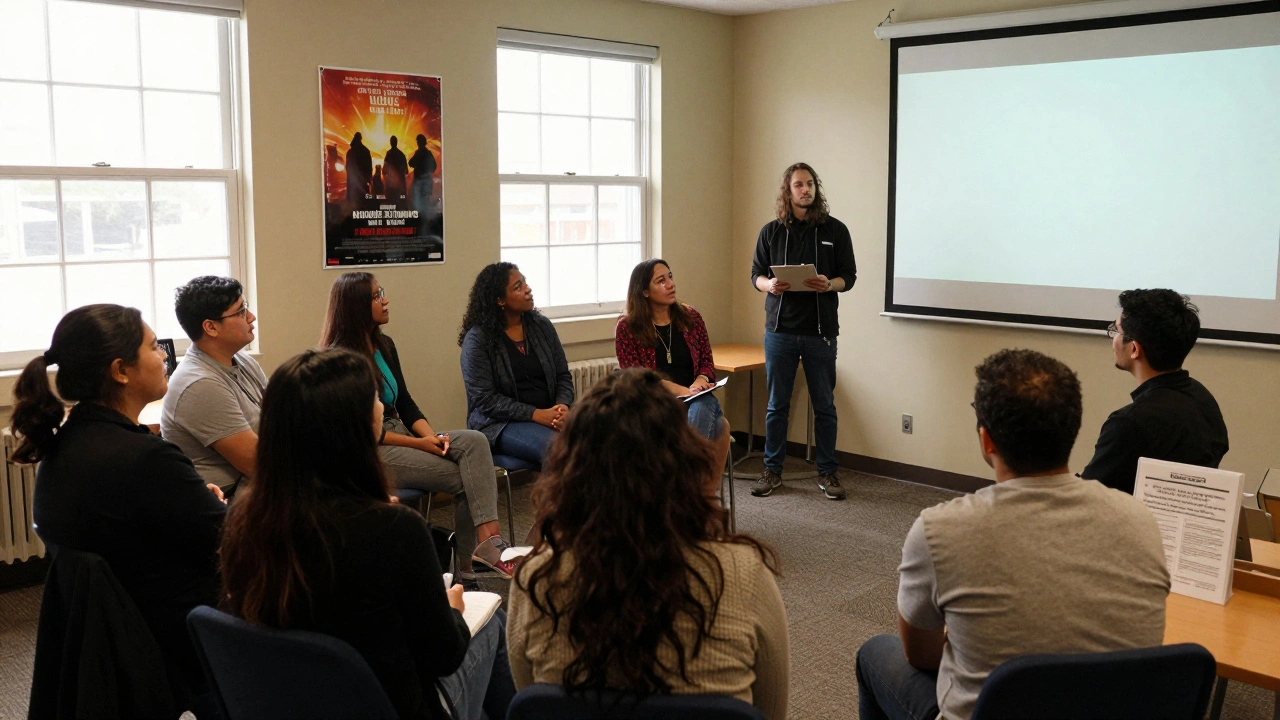
Streaming is convenient. But nothing beats a live screening. People remember when they’ve watched a film together. And you can turn a screening into a fundraiser, a community event, or a way to collect emails.
Use Eventbrite or Facebook Events to host virtual or in-person screenings. Charge $5-$15 per ticket. Offer a Q&A with the director afterward. You’ll make more from five screenings than you will from 5,000 digital rentals.
Target:
- Local theaters (even small ones)
- University film departments
- Libraries and community centers
- Churches, synagogues, or mosques with social justice programs
- Nonprofits aligned with your film’s theme
One filmmaker released a film about opioid recovery and partnered with 12-step groups. Each group hosted a screening. They gave out free recovery guides. The filmmaker collected 8,000 emails. Two years later, she sold 22,000 copies of the film to people who signed up that night.
What to Avoid
Self-distribution isn’t magic. It’s hard work. And there are traps.
- Don’t pay for film festivals. Pay-to-play festivals are scams. They charge you $500 to submit, then don’t even program your film. Stick to festivals that don’t charge submission fees-or that have a real track record of sales.
- Don’t buy fake views. It doesn’t help. Algorithms catch it. Audiences feel it. And it kills your credibility.
- Don’t wait for perfection. Your film doesn’t need to be Oscar-ready. It needs to be honest. Release it when it’s 80% done. You’ll learn more from real feedback than from five more months of editing.
- Don’t ignore your legal basics. Make sure you have clearance for music, locations, and interviews. Use free stock music from YouTube Audio Library or Free Music Archive. Get signed release forms from everyone on camera. It’s not glamorous, but it keeps you out of court.
Real Results: What’s Possible
Here’s what actual filmmakers made last year:
- A 12-minute short about a deaf baker in rural Ohio made $41,000 in six months-mostly from YouTube ads and direct sales to deaf communities.
- A documentary on Appalachian coal miners sold 18,000 copies to unions, schools, and historical societies. Revenue: $126,000.
- A horror film with a $7,000 budget grossed $210,000 by selling merch (posters, t-shirts) and running targeted Facebook ads to fans of 1980s slasher films.
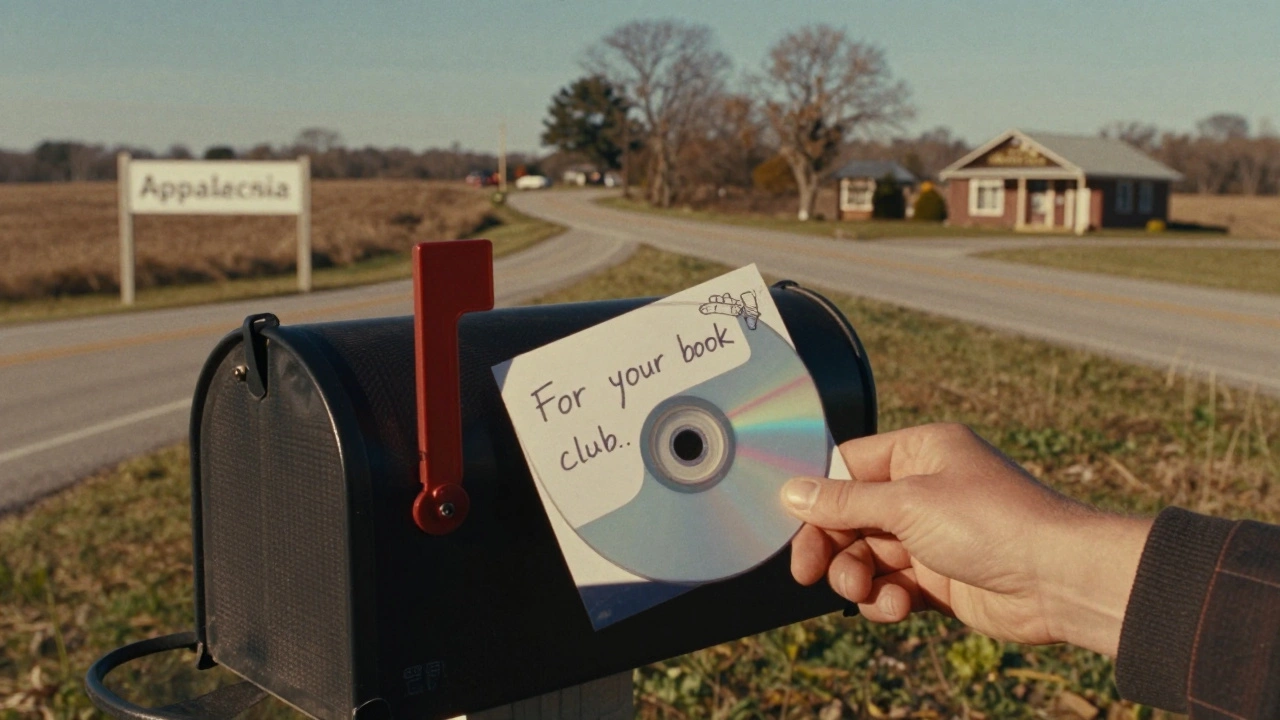
These weren’t lucky breaks. They were the result of consistent effort. One filmmaker posted a new clip every Wednesday for six months. Another mailed physical DVDs to 300 librarians with handwritten notes. Another turned her film into a podcast companion and interviewed every person featured on camera.
Where to Start Today
You don’t need a plan. You need a first step.
Here’s what to do right now:
- Go to Vimeo On Demand and create a free account.
- Upload your trailer (even if it’s rough).
- Set up a simple landing page with your email signup.
- Find 10 people who would care about your film and send them a personal message.
- Plan one screening-virtual or in-person-in the next 30 days.
You don’t need to know how to do everything. You just need to start. The tools are free. The audience is waiting. And the old system? It’s not coming back.
What Comes Next
Self-distribution isn’t the end. It’s the beginning. Once you’ve built an audience, you can raise money for your next film. You can launch a Patreon. You can turn your film into a course, a book, or a series. The people who watched your first film? They’re your first fans. And they’re more valuable than any studio deal.
The future of film isn’t in Hollywood boardrooms. It’s in living rooms, classrooms, and community centers. It’s in the hands of the people who made the film-and the people who chose to watch it.
Do I need a distributor to release my film?
No. You can release your film yourself using platforms like Vimeo On Demand, Amazon Direct, or Apple TV. These let you keep 85-90% of revenue, control your pricing, and connect directly with your audience. Traditional distributors are an option, not a requirement.
How much money can I make with self-distribution?
Earnings vary widely. Most indie films make between $5,000 and $50,000 in the first year. But some, like documentaries with strong niche audiences, have earned over $200,000. Success depends on how well you know your audience and how consistently you engage them-not on your budget.
Is self-distribution worth it for a short film?
Yes. Short films can be powerful marketing tools. A 10-minute film can attract subscribers, build your brand, and lead to funding for your next project. Many filmmakers use shorts to test audience reactions before investing in a feature. Even if it doesn’t make money, it builds your audience.
What’s the biggest mistake indie filmmakers make with self-distribution?
Waiting until the film is finished to start marketing. The most successful filmmakers begin building their audience during production. They collect emails, post behind-the-scenes content, and engage with potential viewers long before release. Marketing isn’t a step-it’s the foundation.
Can I self-distribute internationally?
Yes. Platforms like Vimeo and Amazon allow global sales. You can set different prices for different countries. Subtitles help. But the real key is finding international audiences who care about your subject. A film about Japanese tea culture might find fans in Germany or Brazil-not just in Japan.
Do I need to register my film for copyright?
You automatically own the copyright the moment you create it. But registering with the U.S. Copyright Office gives you legal standing to sue for damages if someone steals your film. It costs $45-$65 and takes about 3 months. Worth it if you plan to sell or license your work.
How do I get my film on Netflix or Hulu?
You can’t directly. Netflix and Hulu only accept films from approved distributors. But you can use your self-distribution success as proof of audience interest. If you’ve sold 10,000 copies and have 5,000 email subscribers, you can pitch yourself as a proven creator. Some distributors now actively seek out filmmakers who’ve already built audiences.
Start small. Stay consistent. Build real connections. The film industry doesn’t need more polished products. It needs more honest voices. And yours is one of them.




Comments(6)