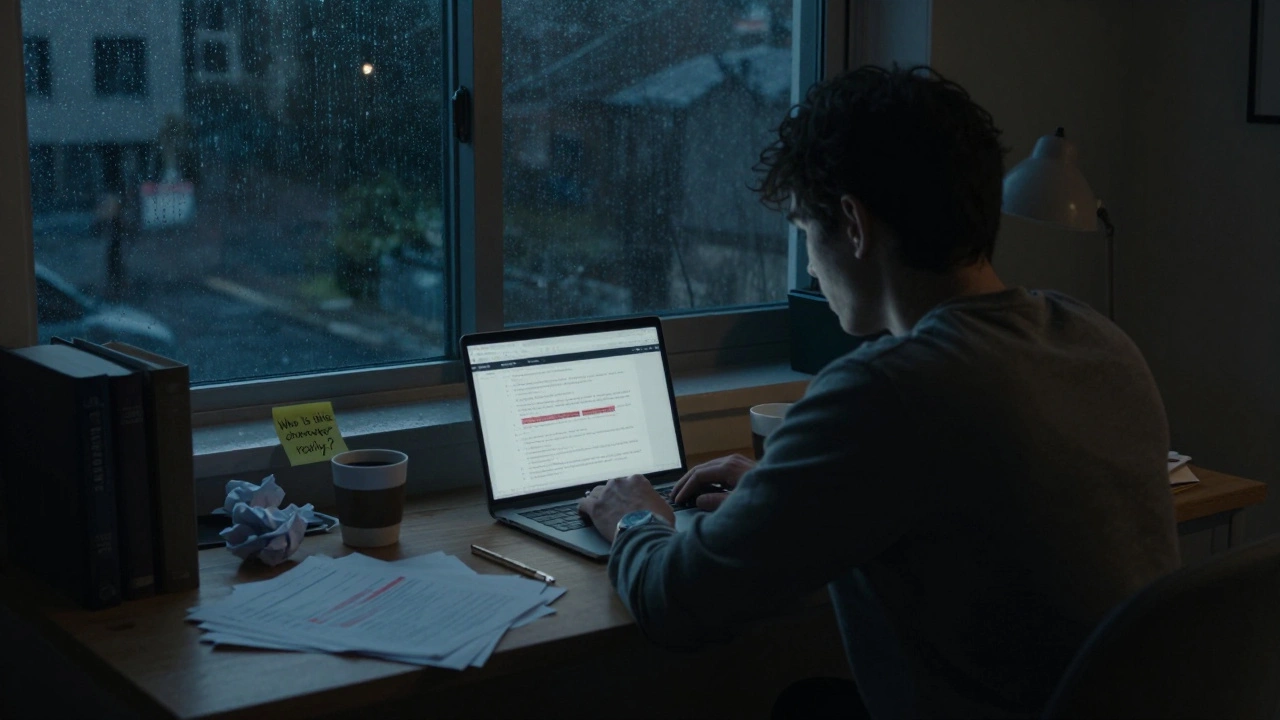
Writing a screenplay is lonely work. You spend weeks, sometimes months, alone with your thoughts, your characters, your dialogue. You rewrite scenes until your eyes burn. You delete entire acts because something feels off. But here’s the truth: no matter how good you think your script is, you’re not the best judge of it. You’re too close. That’s why getting real feedback from other writers is not optional-it’s essential.
Why Feedback Isn’t Optional
Most new screenwriters think their first draft is ready to send to agents or producers. It’s not. Even the most talented writers need outside eyes. A 2023 study of 427 produced screenplays found that 92% went through at least five major revisions before shooting began. Not because the writers were bad-but because they listened to feedback.
Feedback helps you spot blind spots. Maybe your protagonist’s motivation doesn’t click until Act 3. Maybe your dialogue sounds like a thesaurus threw up. Maybe your third act collapses under its own weight. You won’t see these problems. Your brain fills in the gaps. A fresh reader won’t.
And it’s not just about fixing mistakes. Good feedback helps you sharpen your voice. When someone says, ‘This scene made me cry,’ or ‘I didn’t care about the hero,’ you learn what actually lands. That’s more valuable than any writing book.
Where to Find Real Screenwriting Communities
Not all writing groups are created equal. Some are just ego trips with polite nods. Others are brutal, honest, and life-changing. You want the second kind.
Start with local groups. Check Meetup.com for screenwriting circles in your city. Asheville has one that meets monthly at the Malaprop’s Bookstore. They don’t allow anonymous submissions. Everyone reads their own work aloud. That forces clarity. If you stumble over a line, it’s probably clunky.
Online, you’ve got options:
- Stage 32 - A paid platform with active forums, live workshops, and script exchange groups. Writers here submit full scripts and get detailed notes within 48 hours.
- Reddit’s r/Screenwriting - Free and active. Post your logline or first 10 pages. People give blunt, no-BS feedback. Don’t expect sugarcoating.
- Final Draft’s Community Hub - Built into the software. Writers share scripts, join critique circles, and even host virtual pitch nights.
- Local film schools - Even if you didn’t attend, many let outsiders join their script labs. UNC Chapel Hill’s screenwriting program lets community members audit their weekly feedback sessions.
The key? Don’t join ten groups. Pick one that feels right. Then show up consistently. Feedback only works if you’re part of a long-term exchange.
How to Give and Receive Notes Like a Pro
Receiving feedback is hard. It’s your baby. But here’s how to handle it without getting defensive:
- Listen first. Don’t explain. Let the reader finish. Even if they say something wrong, let them speak. You’ll learn more from their confusion than you think.
- Ask for specifics. If someone says, ‘I didn’t like the ending,’ ask: ‘What part felt off? Was it the character’s choice? The pacing? The tone?’
- Look for patterns. If three different readers say the same thing-‘The villain is flat’ or ‘The second act drags’-that’s not coincidence. That’s your next rewrite target.
- Don’t take it personally. A note isn’t a judgment of you. It’s about the script. Separate your identity from your work.
When giving notes, follow this rule: Always pair criticism with a suggestion. Don’t just say, ‘This scene is boring.’ Say, ‘This scene is boring because we don’t see the character’s fear. What if you show them shaking while they pack their bag? That’d tell us more than dialogue.’
And never say, ‘I think you should…’ unless you’re a professional script consultant. Say, ‘I got stuck here because…’ or ‘I was confused when…’ That keeps it about your experience, not your authority.

What to Avoid in Feedback Groups
There are toxic patterns that kill progress:
- The Praise Junkie - Only says ‘Great job!’ to everyone. Doesn’t help anyone grow.
- The Over-Editor - Rewrites your entire scene in their voice. You don’t need a new script. You need help fixing yours.
- The Gatekeeper - Says your genre ‘won’t sell’ or your idea’s ‘been done.’ That’s not feedback. That’s fear.
- The Silent Member - Never gives notes but expects detailed feedback on their work. That’s not a community. That’s a free reading service.
If your group has one of these people, talk to them. If they don’t change, leave. Your time is valuable.
How to Use Notes to Rewrite
After you get feedback, don’t rewrite immediately. Sit on it for a few days. Let the comments sink in.
Then, sort your notes into three piles:
- Must Fix - Things everyone agrees on. The protagonist’s motivation is unclear. The climax feels rushed. These are non-negotiable.
- Maybe - One or two people mentioned it. It’s worth considering but not urgent. Maybe your side character needs more screen time.
- Ignore - ‘I would’ve made the hero a woman.’ That’s not a note. That’s a personal preference. Your script is yours.
Focus on the Must Fix pile first. Rewrite those sections. Then, test it again. Send it back to the same group. If they say, ‘This is way stronger,’ you’re on the right track.
Don’t rewrite everything at once. One major revision at a time. You’ll avoid burnout and keep your voice intact.

When You’re Ready to Go Beyond the Group
Once your script has been through three rounds of group feedback and you’ve rewritten it twice, you’re ready for professional notes.
Services like Coverfly and ScriptReaderPro offer paid script evaluations from industry readers. They cost $50-$150. Worth it. These aren’t writers-they’re readers who work for studios and agencies. They know what sells.
Or enter a contest. Nicholl Fellowship, Austin Film Festival, and Screencraft all give detailed feedback to semifinalists-even if you don’t win. That feedback is gold.
And when you finally get an agent or producer to read it? They’ll give you notes. You’ll be ready. Because you’ve already learned how to listen.
Feedback Is a Skill
Getting notes isn’t about finding the perfect group. It’s about becoming someone who can receive criticism without breaking. It’s about learning to separate your ego from your craft.
The best screenwriters aren’t the ones with the best ideas. They’re the ones who keep improving. And they do it by asking for help-and listening.
Your script doesn’t need perfection. It needs truth. And truth only shows up when you let others in.
How often should I submit my script for feedback?
Submit after each major rewrite-usually every 3 to 6 weeks. Don’t send early drafts. Wait until you’ve fixed the big structural issues. A script with a clear three-act structure and defined character arcs gets better feedback than a messy first draft.
What if I get conflicting feedback?
Conflicting notes are normal. If one reader says the hero is too passive and another says they’re too aggressive, look at the scene they’re reacting to. Ask: What’s the character’s goal here? What’s stopping them? The truth is often in the middle. Fix the clarity, not the contradiction.
Can I get feedback from non-writers?
Yes-but with limits. Friends and family can tell you if they were bored, confused, or moved. But they won’t help with structure, pacing, or formatting. Use them for emotional reactions, not technical fixes. Save the craft notes for other writers.
Should I pay for script feedback?
Only when you’ve exhausted free options. Free groups give you 80% of what you need. Pay for professional notes only when your script is polished and you’re preparing to submit to contests, agents, or producers. Don’t pay for early drafts.
How do I know if feedback is good?
Good feedback explains why something didn’t work and suggests a direction-not a solution. ‘The dialogue feels fake’ is weak. ‘The dialogue feels fake because the characters sound like they’re explaining the plot instead of reacting’ is good. Look for specificity and empathy.




Comments(10)