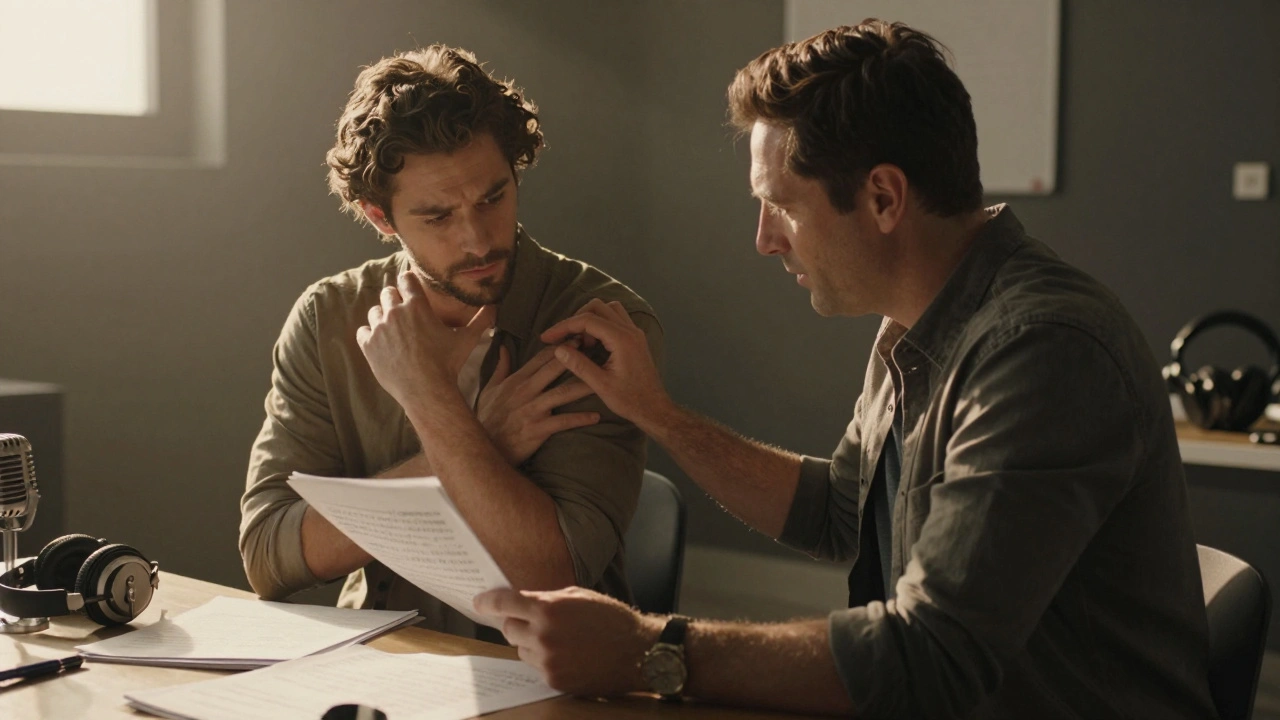
When you hear a character in a movie speak with a perfect Scottish lilt or a Brooklyn drawl, it doesn’t just sound right-it feels real. That’s not luck. It’s the result of dialect coaching, a quiet but powerful force behind some of cinema’s most unforgettable performances. Think of Daniel Day-Lewis in There Will Be Blood or Cate Blanchett in Blue Jasmine. Their voices didn’t just match the characters-they became the characters. Behind every authentic accent in film is a dialect coach who spent weeks, sometimes months, shaping how a character sounds.
What Dialect Coaching Actually Does
Dialect coaching isn’t about teaching actors to mimic a region’s speech like a parrot. It’s about building a vocal identity that supports the story. A coach looks at the character’s background: where they grew up, what class they came from, how much education they had, and even what emotional state they’re in. Then they map out the specific sounds, rhythms, and patterns that make that voice believable.
For example, a working-class Londoner from the 1950s doesn’t just say “ ’ello” instead of “hello.” Their vowel shifts, dropped consonants, and sentence cadence all come from decades of social and linguistic history. A dialect coach studies those patterns, breaks them down into teachable parts, and helps the actor internalize them so the accent doesn’t feel like a performance-it feels like breathing.
Some actors come in with a natural ear for accents. Others struggle. Either way, the coach adapts. One actor might need to slow down their speech to match a Southern drawl. Another might need to retrain their tongue to roll an ‘r’ in Irish English. The goal isn’t perfection-it’s truth.
Why Accents Matter More Than You Think
Accents aren’t just decoration. They carry meaning. In The Favourite, Olivia Colman’s Queen Anne speaks with a clipped, upper-class English lilt that signals control and isolation. Meanwhile, Emma Stone’s Abigail uses a softer, more hesitant tone that reveals her lower status and desperation. The difference isn’t subtle-it’s the engine of the power dynamic.
When an accent doesn’t fit, audiences notice-even if they can’t say why. A character from rural Georgia suddenly speaking with a Midwestern twang breaks immersion. A Russian spy with a flawless New York accent raises eyebrows. These aren’t just mistakes; they’re narrative failures. Audiences don’t suspend disbelief because of the costume or set-they believe because of the voice.
Studies in cognitive psychology show that listeners form immediate judgments about a person’s background, intelligence, and trustworthiness based on their accent. In film, that means an accent can make a villain seem more menacing or a hero more relatable before they even speak a line of dialogue.
How Dialect Coaches Work With Actors
The process starts long before filming. Coaches often get involved during pre-production, sometimes even before casting. They read the script and flag characters who need distinct voices. Then they collaborate with directors and actors to define each character’s vocal profile.
Here’s how it usually goes:
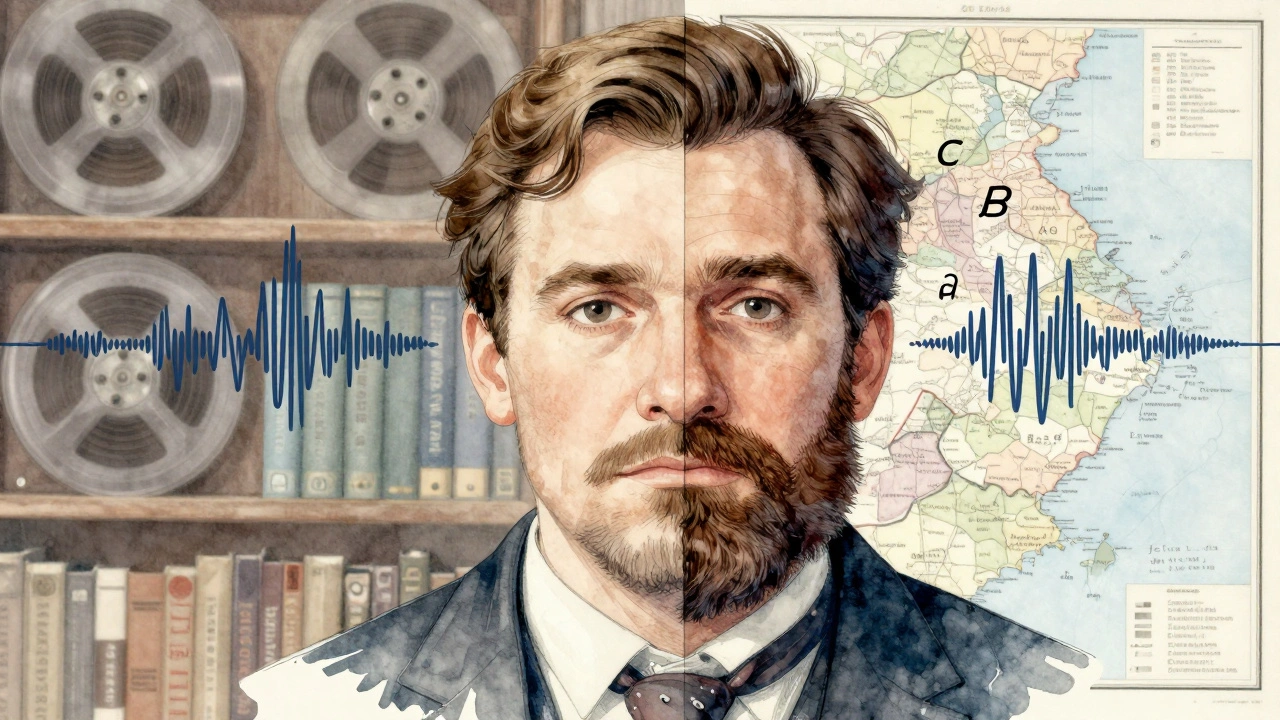
- Research-The coach gathers audio samples, historical recordings, and interviews from the region or social group the character belongs to.
- Analysis-They identify key features: vowel length, intonation patterns, consonant substitutions, and speech rhythm.
- Training-The actor practices daily, often for 30-60 minutes, using drills, repetition, and recording.
- Integration-The coach works with the actor on set, adjusting for emotional intensity, fatigue, or script changes.
Some coaches use phonetic notation-like the International Phonetic Alphabet-to map out exact sounds. Others rely on mimicry and muscle memory. Either way, the actor isn’t just repeating words. They’re rewiring their vocal muscles.
One coach I know worked with an actor playing a Polish immigrant in the 1920s. The actor kept slipping into his native Canadian accent. The coach didn’t just correct him-he had him walk around the house for a week speaking only in the character’s voice, even while making coffee or brushing his teeth. That’s how deep the work goes.
Common Mistakes and How to Avoid Them
Dialect coaching isn’t foolproof. Even seasoned actors can fall into traps:
- Overdoing it-A thick accent that’s hard to understand defeats the purpose. Clarity matters. The goal is authenticity, not caricature.
- Ignoring context-A character might have moved from one region to another. Their accent might shift over time. A coach needs to track that evolution.
- Using stereotypes-Not all Irish people say “top o’ the mornin’.” Not all Southerners say “y’all” constantly. Coaches push back against lazy tropes.
- Forgetting emotion-When a character is angry, tired, or drunk, their accent can change. A coach must help the actor adapt the voice to the moment, not just the script.
The best dialect work disappears. You don’t notice the accent-you notice the character. That’s the sign of a great coach.
Real Examples That Changed the Game
Some of the most memorable performances in film history were shaped by dialect coaching:
- Tom Hardy as Bane in The Dark Knight Rises-His deep, rumbling voice wasn’t natural. He worked with a coach to blend British and American influences, creating a voice that felt both alien and commanding.
- Frances McDormand in Fargo-She didn’t just adopt a Minnesota accent. She studied recordings of real residents, learned how they softened their vowels and paused mid-sentence, and made the rhythm part of her character’s calm, unsettling demeanor.
- Leonardo DiCaprio in The Wolf of Wall Street-He didn’t just sound like a wealthy New Yorker-he sounded like a specific kind of New Yorker: loud, fast-talking, and dripping with entitlement. That voice came from hours of listening to real traders and mimicking their cadence.
Each of these performances relied on more than acting skill. They relied on vocal precision.
How to Find a Good Dialect Coach
If you’re an actor, director, or producer looking to hire a coach, don’t just pick someone who sounds convincing. Look for:
- Specialization-Some coaches focus on British dialects. Others specialize in American regional accents or non-native English speakers. Find one who knows your target accent inside out.
- Experience on set-Coaches who’ve worked on films understand the pace, pressure, and physical demands of production.
- Track record-Ask for examples. Have they worked on films that used accents effectively? Can they show before-and-after recordings?
- Flexibility-A great coach doesn’t just teach-they adapt. They’ll tweak the accent if the director wants the character to sound more vulnerable or more aggressive.
Professional organizations like the Association of British Voice Artists and the Actors’ Equity Association maintain directories of certified coaches. Many also teach workshops or offer online sessions.
The Future of Dialect Coaching in Film
As global storytelling expands, dialect coaching is becoming more important than ever. Audiences now expect accuracy-not just in historical films, but in modern dramas featuring immigrants, refugees, and multicultural characters.
Coaches are also working with AI tools to analyze speech patterns faster. But no algorithm can replace the human touch. An AI might detect a vowel shift. It can’t tell you why a character from rural Alabama might hesitate before saying “I love you.” That comes from understanding culture, trauma, and identity.
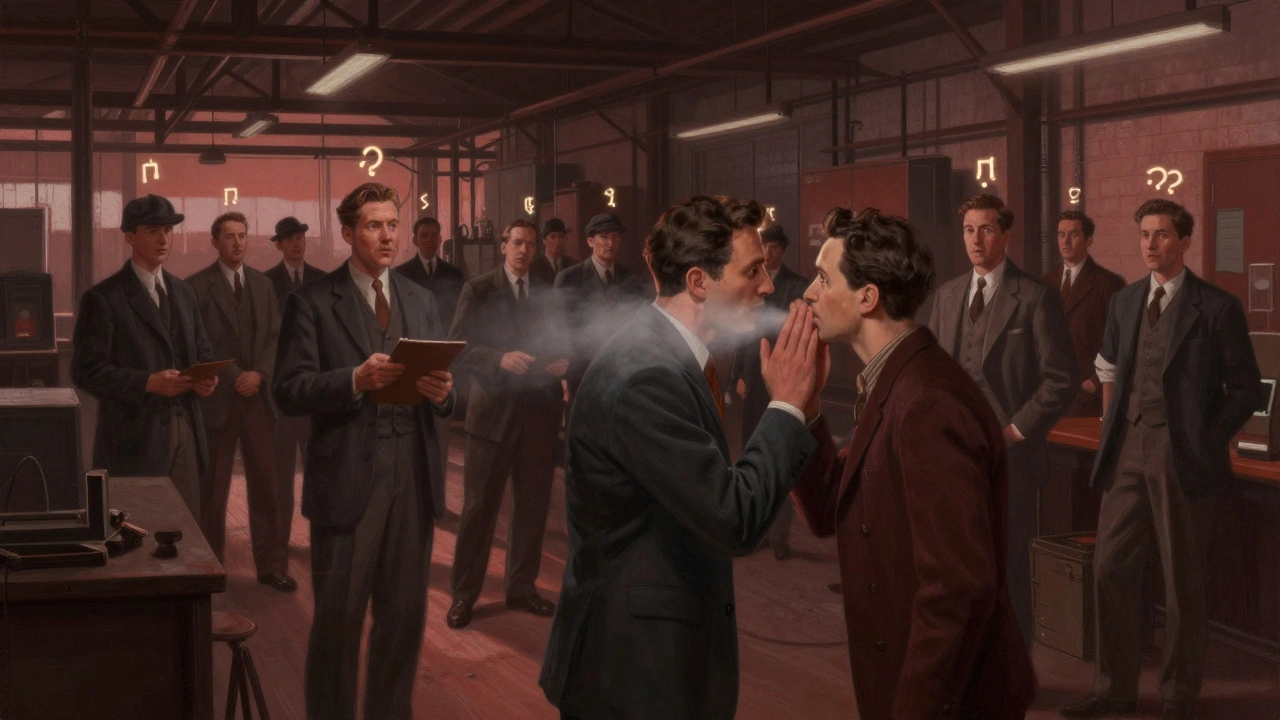
More films are hiring dialect coaches early in development-not just for lead roles, but for background actors too. A crowd scene in a 1940s Chicago factory? Each worker needs a slightly different accent to feel real. That’s the new standard.
Final Thought: Voice Is Character
Every great actor knows this: your face can lie. Your body can pretend. But your voice? It betrays you. That’s why dialect coaching isn’t a luxury-it’s essential. A character’s voice holds their history, their pain, their dreams. When the accent is right, the audience doesn’t just hear them-they believe them.
And that’s the whole point of film.
Do actors really need dialect coaches, or can they learn accents on their own?
Some actors have a natural talent for accents, but even they use coaches. Learning an accent isn’t just about copying sounds-it’s about understanding the rhythm, emotion, and cultural context behind them. A coach helps avoid stereotypes, ensures consistency, and adapts the voice to fit the character’s emotional arc. Most professional actors consider coaching non-negotiable.
How long does it take to learn a new accent for a film role?
It varies. For a simple accent, like a mild Southern drawl, it might take 2-4 weeks of daily practice. For complex ones-like a Cockney from the 1920s or a multilingual immigrant-it can take 3-6 months. The key isn’t speed; it’s consistency. Actors often practice 30-90 minutes a day, sometimes even while doing chores or sleeping with audio recordings playing.
Can a bad accent ruin a movie?
Absolutely. A poorly executed accent can pull viewers out of the story, especially if it feels fake, exaggerated, or culturally insensitive. Audiences today are more aware and critical. A misused accent can turn a powerful performance into a punchline-or worse, a source of offense. That’s why top productions now treat dialect coaching as seriously as costume design or set building.
Are dialect coaches only used in historical films?
No. While historical films often require the most research, modern films need dialect coaching too. Think of immigrant characters in dramas like Minari or The Farewell, or characters from specific U.S. regions in shows like Succession or Friday Night Lights. Even sci-fi and fantasy films use dialect coaches to create unique speech patterns for alien cultures or fictional societies.
How do dialect coaches handle actors with speech impediments or disabilities?
Coaches work closely with actors to honor their natural speech patterns while still serving the character. If a character is meant to have a speech difference, the coach helps shape it authentically-not as a gimmick, but as part of their identity. Many coaches now specialize in inclusive voice work, collaborating with speech therapists to ensure accuracy and respect.





Comments(5)