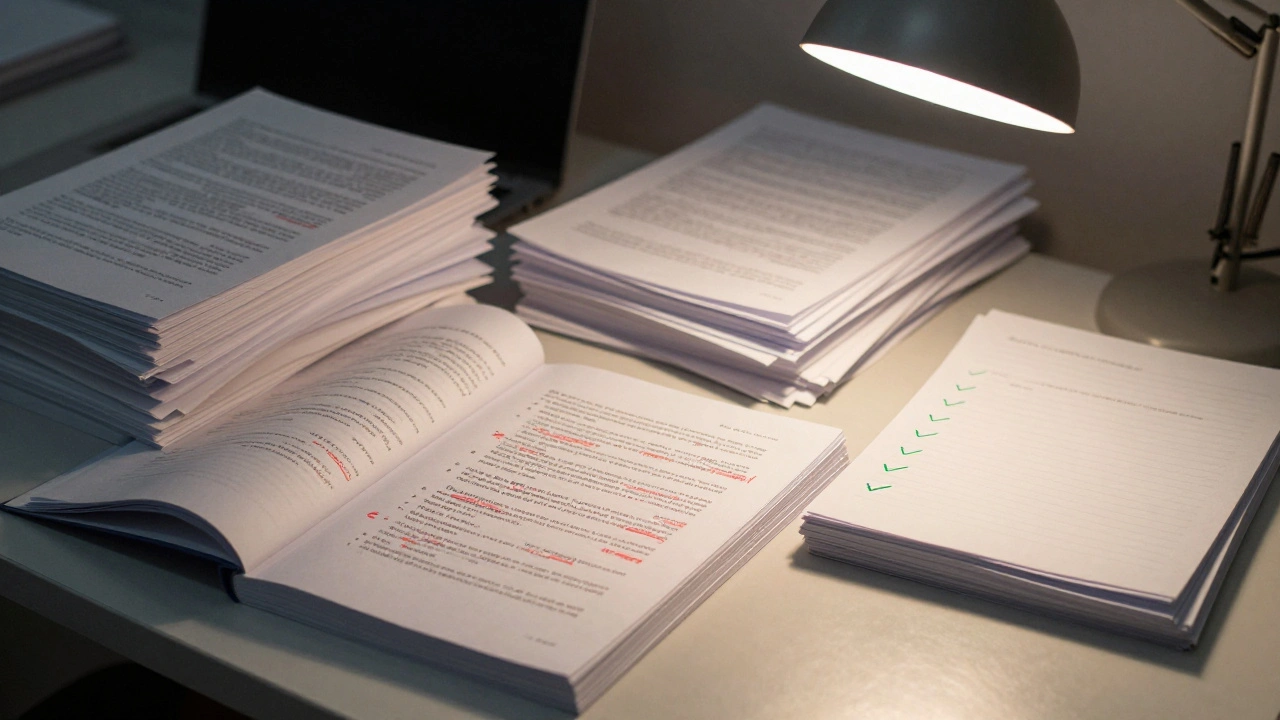
Every year, thousands of screenplays land on the desks of film readers-professionals hired by studios, production companies, and agencies to read scripts and decide what’s worth advancing. Most don’t make it past the first 10 pages. The ones that do? They don’t just check boxes. They grab you by the throat and refuse to let go.
What Film Readers Flag Immediately
Screenplay coverage isn’t about whether the story is perfect. It’s about whether it’s executable. Readers look for red flags that scream "this will cost too much," "this won’t shoot," or "this confuses the audience."
One of the most common dealbreakers? Overwritten action lines. If your script describes a car chase with 12 camera angles, 4 slow-mos, and 3 explosions in one paragraph, you’ve already lost. Readers don’t need a director’s cut-they need clarity. A good action line says: "The car skids sideways, hits a curb, and flips. Glass shatters. Silence." That’s it. No poetry. No directorial ego.
Another red flag: dialogue that sounds like a thesaurus threw up. Characters don’t say "I am profoundly disturbed by your lack of integrity." They say, "You’re lying." Or worse-they say nothing at all. Silence is powerful. If your characters are constantly monologuing, you’re hiding weak storytelling.
Structure issues kill scripts faster than bad grammar. If the inciting incident doesn’t happen by page 12, the reader assumes the writer doesn’t understand pacing. If Act Two drags for 40 pages with no stakes, they’ll stop reading. Screenplays aren’t novels. They’re blueprints. Every scene must move the plot, reveal character, or raise tension. If it doesn’t, cut it.
What Film Readers Praise Without Saying It
The scripts that get passed on? They don’t shout. They whisper-and then punch.
One thing readers notice right away: a unique voice. Not the kind that uses slang or quirky phrases. The kind that makes you feel the world in a way you haven’t before. Think of Get Out-how the polite racism felt more terrifying than any monster. That’s voice. It’s not about being clever. It’s about being specific. The way a character folds laundry while lying. The way a mother hums a lullaby that’s slightly off-key. Those details build truth.
Strong character arcs matter more than plot twists. Readers don’t care if your protagonist becomes a billionaire. They care if they become someone who can finally say "I’m sorry" and mean it. A character who changes because of what they endure-not because the plot demands it-is the kind of script that gets greenlit.
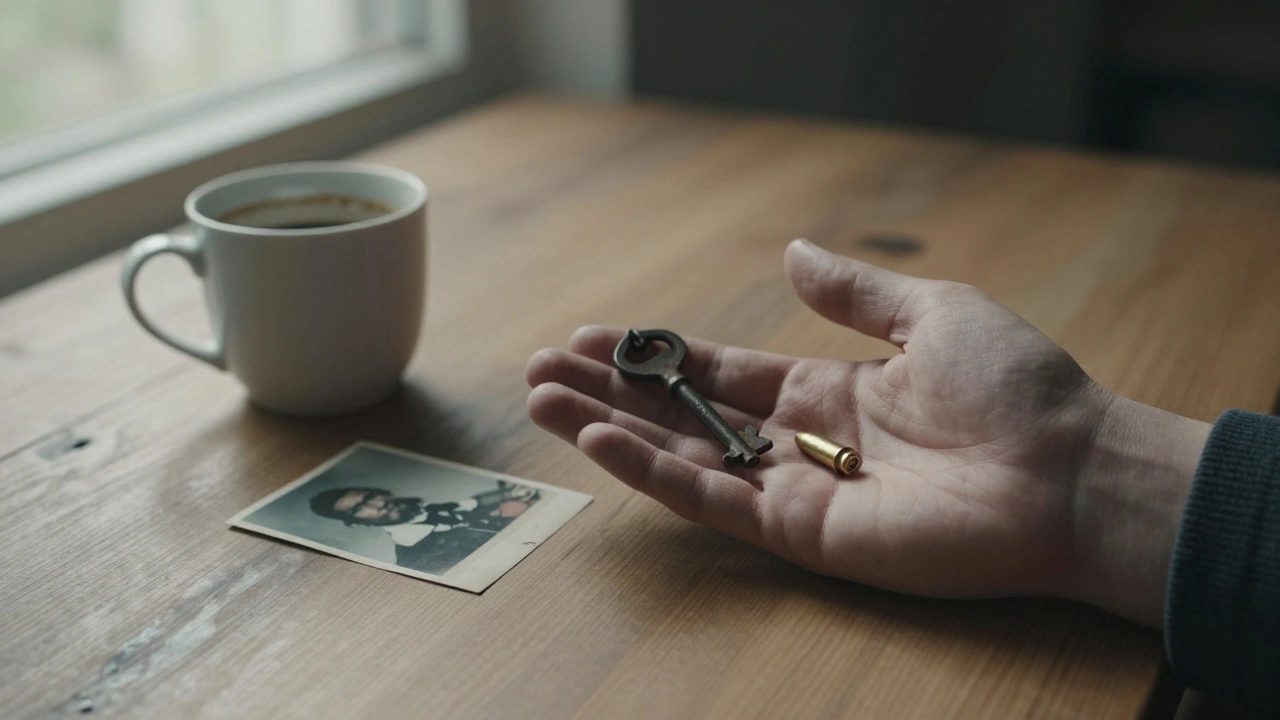
And then there’s economy. The best scripts feel like they were carved from stone. No wasted words. No unnecessary characters. No flashbacks that don’t add context. One script I read had a supporting character who only appeared in three scenes. Each time, he handed the protagonist a different object: a key, a photo, a bullet. By the end, you understood the entire backstory without a single line of exposition. That’s mastery.
How Structure Really Works (Beyond the Three-Act Myth)
Everyone talks about three-act structure. But most readers don’t care if you hit "Act Two Break" on page 60. They care if the story keeps escalating.
Think of it like a rollercoaster. The first 10 pages are the climb. The next 30 are the twists and drops. The final 20? The final plunge-and the moment you realize you’re still alive. If your script has no momentum, no rising tension, no point of no return, it doesn’t matter how beautiful the dialogue is. It’s just a pretty pile of paper.
Readers look for turning points that force the protagonist to change. Not just act. Change. In Parasite, the family doesn’t just fake their way into a job-they become someone else. That’s the pivot. That’s what readers flag as "high potential."
And don’t confuse structure with formula. A script can follow the beats and still feel dead. What makes it alive? The stakes feel personal. The fear feels real. The cost of failure isn’t just losing the job-it’s losing your soul.
Common Mistakes That Get Scripts Rejected
Here’s what actually gets scripts tossed in the bin:
- Too many characters: If you have more than six major roles, you’re making it harder to cast and harder to care. Reduce. Combine. Cut.
- Exposition dumps: No one says, "As you know, Bob, our father died in the fire ten years ago." Show it. A photo on the mantle. A flinch when someone mentions fire.
- Unlikable protagonists without redemption: Audiences don’t need to like the character. But they need to understand why they’re fighting. If your lead is cruel, selfish, or passive with no arc-you’re asking for a no.
- Genre confusion: Is this a horror? A romance? A comedy? If the tone shifts wildly without reason, readers assume you don’t know what you’re writing.
- Formatting errors: If your script doesn’t follow standard industry format, it gets flagged as amateur. Even if the story is brilliant. It’s not about being rigid-it’s about being professional.
What Makes a Script Stand Out in a Sea of Mediocrity
Every year, thousands of scripts are submitted. Most are competent. A few are good. One in a thousand is unforgettable.
What separates that one? It doesn’t try to be original. It tries to be true.
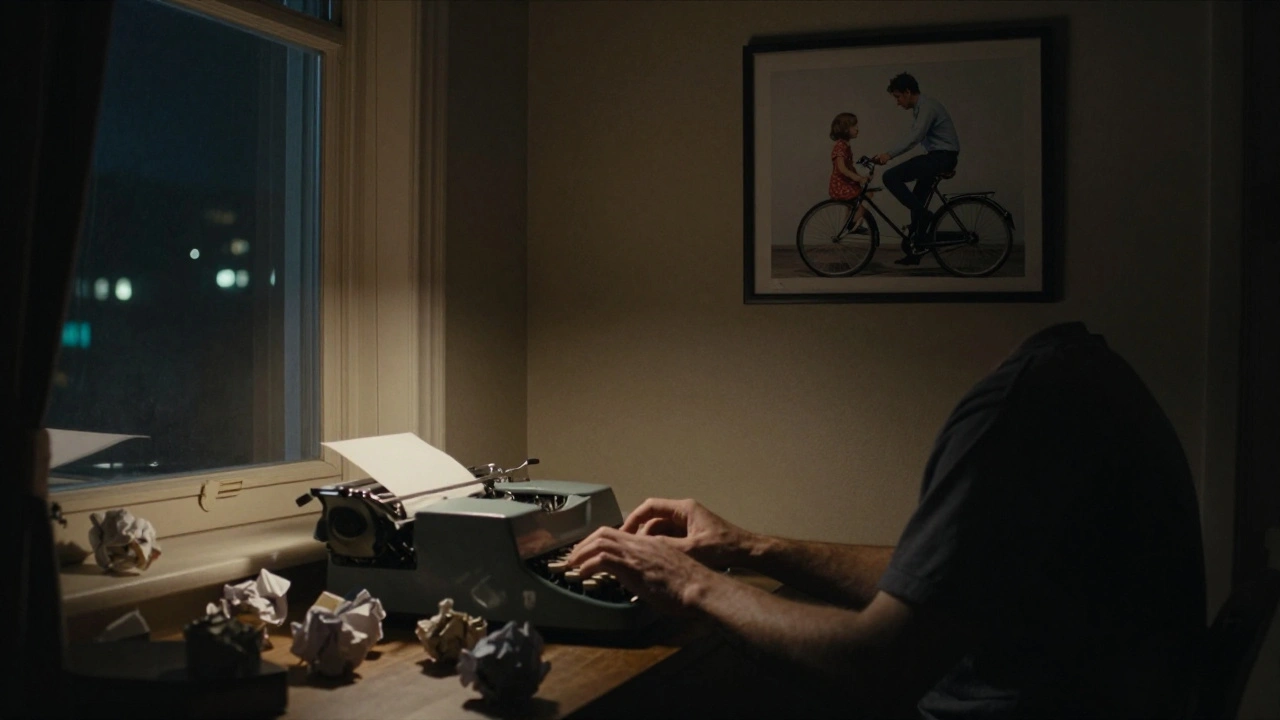
A script that shows a father teaching his daughter to ride a bike-not with words, but with his trembling hands holding the seat, then letting go before she’s ready. A woman who calls her mother every night at 7 p.m., even though they haven’t spoken in five years. A teenager who writes letters to her dead brother and never sends them.
These aren’t plot points. They’re emotional anchors. Readers remember them because they’ve lived them.
Another thing: specificity. Don’t write "a diner." Write "the kind of diner where the coffee comes in Styrofoam cups and the waitress calls everyone kid, even the 50-year-old man who’s been coming since 1987." That’s the kind of detail that makes a script feel real.
And then there’s the ending. Most scripts end with a bang. The best ones end with a breath. A pause. A look. A silence that says more than any speech ever could. That’s what sticks with readers long after they’ve closed the file.
How to Use Coverage to Improve Your Script
Don’t ignore coverage. Don’t treat it like a rejection letter. Treat it like feedback from someone who’s read 500 scripts this year-and still hasn’t found the one they’ve been waiting for.
If three readers all say the same thing-"the second act drags," or "the protagonist feels passive"-that’s not coincidence. That’s your signal.
Look for patterns. If one reader says "I didn’t connect with the lead," and another says "I didn’t understand why she stayed," that’s not about them. That’s about you. You didn’t make her choices clear enough.
Don’t argue with feedback. Don’t say, "But that’s how I meant it." If it didn’t land, it didn’t land. Fix it. Rewrite. Then send it out again.
The best writers aren’t the ones who get it right the first time. They’re the ones who keep going after the first ten no’s.
Final Thought: What Film Readers Really Want
They don’t want perfect scripts. They want scripts that make them feel something.
They want to read something that makes them forget they’re reading. Something that makes them laugh out loud in a quiet office. Something that makes them cry on the subway. Something that makes them call their friend and say, "You have to read this."
That’s the only metric that matters.
Write like that. And the rest will follow.




Comments(6)