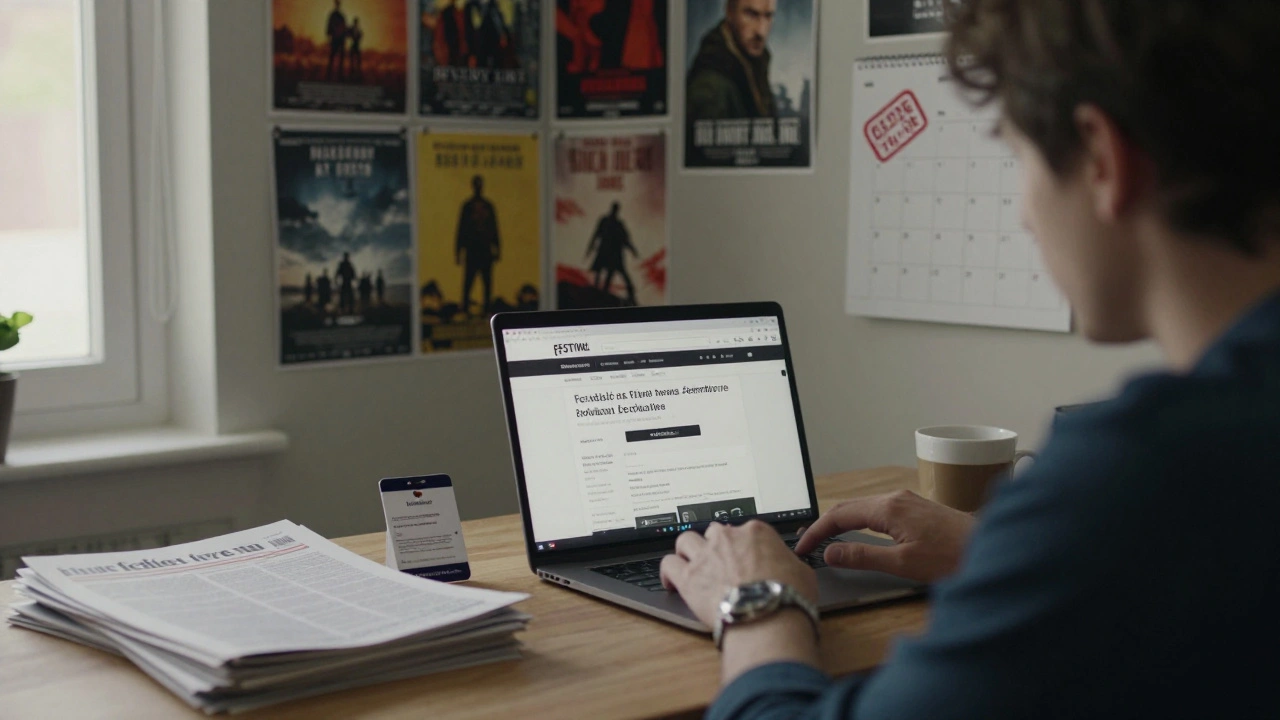
Getting a press pass to a major film festival isn’t about showing up with a camera and hoping for the best. It’s a process. A real one. And if you’re serious about covering films for a living - whether you run a blog, work for a local paper, or produce a podcast - you need to know exactly what it takes to get accredited. No fluff. No guesswork.
What Press Accreditation Actually Means
Press accreditation isn’t just a badge. It’s your ticket into screenings, interviews, press conferences, and sometimes even exclusive events like after-parties or industry panels. But here’s the truth: festivals don’t hand these out to anyone with a website. They’re looking for people who actually cover film - consistently, professionally, and with an audience.
Think of it this way: a festival like Cannes, TIFF, or Sundance gets tens of thousands of media requests every year. They can’t let everyone in. They need to filter out hobbyists, self-published bloggers with no readers, and people who just want free tickets. They want journalists who will write, broadcast, or publish real coverage that reaches real people.
Who Gets Accredited? The Real Criteria
Most major festivals have public guidelines, but they’re often vague. Here’s what actually matters, based on years of applications and accepted/rejected cases:
- You must have a professional media outlet - not just a personal blog. This means a site with regular publishing, an editorial team, and clear contact info. Think: established blogs with 5+ posts per month, local newspapers, radio stations, TV outlets, or verified YouTube channels with 10K+ subscribers and consistent uploads.
- You need to show proof of work. That means links to articles, videos, or podcasts you’ve published in the last 12 months. One article from two years ago won’t cut it. They want recent, relevant coverage.
- Your outlet must be based in a country with a recognized press system. In the U.S., that means being tied to a legitimate news organization. In other countries, national press associations or recognized media licenses matter.
- If you’re freelance, you need a letter of assignment from an outlet that will publish your coverage. A personal statement like “I’ll post on my blog” isn’t enough.
For example, a blogger who writes about indie horror films every week and has been featured in Film Threat or IndieWire has a real shot. Someone who runs a Tumblr with 200 followers and one post a month? Probably not.
How to Apply: Step-by-Step
Each festival has its own system, but the process is mostly the same. Here’s how to do it right:
- Find the official press section on the festival’s website. Look for “Press,” “Media,” or “Accreditation.” Never use third-party sites - scams are common.
- Check the deadlines. Most festivals open applications 3-4 months before the event. For Sundance, that’s usually October. For Cannes, it’s January. Miss the window, and you’re out.
- Prepare your materials: a current press card or media ID, a recent headshot, a link to your outlet’s homepage, and 3-5 links to your recent film-related work.
- Fill out the form honestly. Don’t exaggerate your audience size or fake credentials. Festivals cross-check. If you’re caught lying, you’ll be blacklisted.
- Submit early. Even if the deadline is months away, submit as soon as the system opens. Spots are limited.
Some festivals, like TIFF and Berlinale, use centralized platforms like Media Access or FestivalScope. Others, like Sundance, have their own portal. Know which one you’re dealing with.
What to Do If You’re Rejected
Rejection happens. A lot. And it’s not always about quality. Sometimes it’s because you’re applying for the first time, or the festival had 12,000 applications and only 1,500 passes.
Here’s what to do next:
- Don’t give up. Apply again next year. Many accredited journalists got in on their second or third try.
- Build your portfolio. Write more. Publish more. Get quoted. Get interviewed. Get coverage of film festivals you can cover - regional ones, student fests, or local premieres.
- Reach out to the press office politely. Ask what you can improve. Most will reply with feedback if you’re professional.
- Consider working with a press agency. Some companies help independent journalists apply and even bundle services like transportation or interviews. They’re not free, but they can be worth it if you’re serious.
Press Passes vs. Industry Passes
Don’t confuse press accreditation with industry accreditation. They’re totally different.
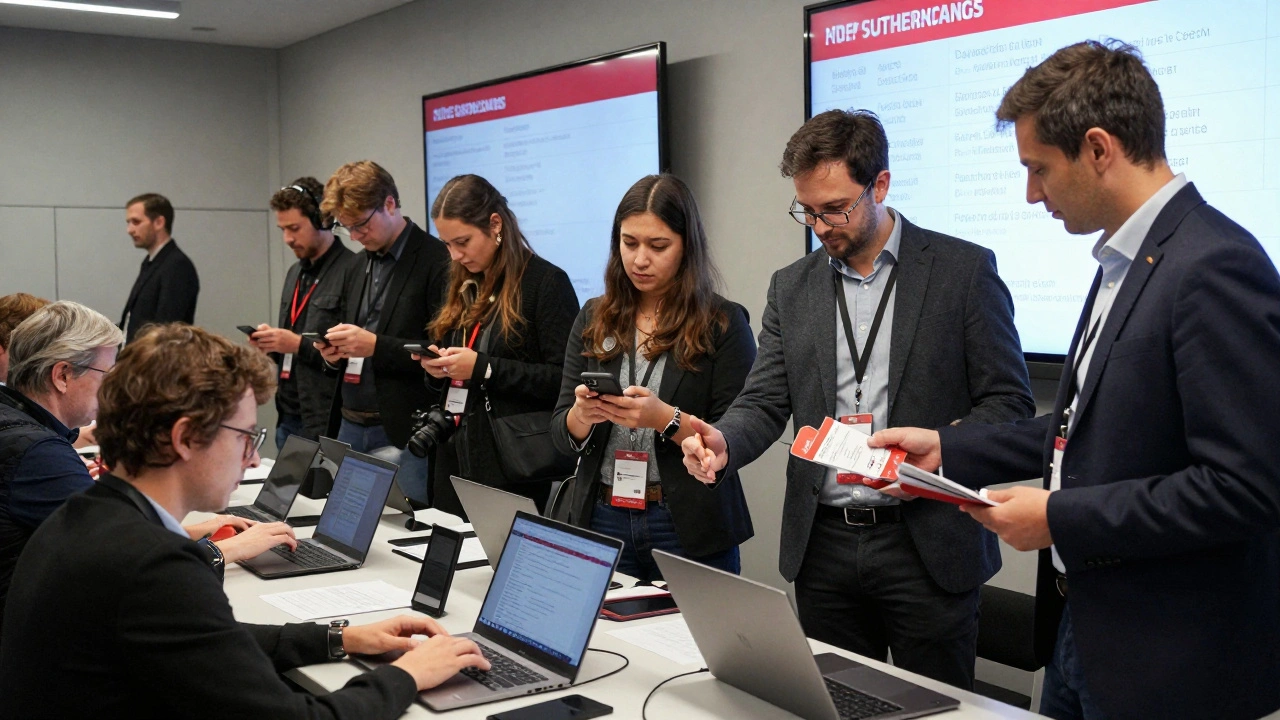
Press passes are for journalists - writers, critics, podcasters, reporters. Industry passes are for distributors, producers, sales agents, and buyers. If you’re not covering the event for the public, you don’t qualify for press. And if you try to sneak in as press when you’re there to sell a film? You’ll get caught. And banned.
Some festivals offer “press + industry” combo passes, but they’re rare. Stick to the press category unless you’re actually in the business side of film.
What You Can and Can’t Do With a Press Pass
Having a pass doesn’t mean you can do anything. Here’s what’s allowed:
- Attend public screenings (usually with reserved seating)
- Attend press conferences and Q&As
- Request interviews with filmmakers, actors, or producers (through official channels)
- Access the press lounge for Wi-Fi, snacks, and networking
- Use your pass to enter the press center for materials like stills, bios, and press kits
Here’s what’s not allowed:
- Bringing guests or friends into screenings
- Recording private conversations without permission
- Using your pass to get free tickets for family or clients
- Trying to bypass security or sneak into restricted areas
Violate these rules, and your pass gets revoked. Fast. And you’ll be on a watchlist for future festivals.
Festivals That Are Easier (and Harder) to Get Into
Not all festivals are equal. Some are more open to new journalists. Others are nearly impossible.
Easier to get into:
- Sundance - Still accepts a decent number of independent journalists, especially those covering indie film, documentaries, or emerging talent.
- Tribeca - More open to digital media, podcasts, and niche outlets.
- South by Southwest (SXSW) - Has a separate film press track and is more accessible to bloggers and online creators.
Harder to get into:
- Cannes - Extremely selective. Most passes go to major outlets like Variety, The Hollywood Reporter, or international broadcasters.
- Venice - Tight controls. Often requires affiliation with a national press association.
- Toronto (TIFF) - High volume, low acceptance rate. Only the most established outlets get through.
Start small. Cover a regional festival first. Build credibility. Then apply to the big ones.
Pro Tips from People Who’ve Done It
- Follow the festival’s press office on social media. They often post updates, deadlines, and reminders.
- Join the International Documentary Association (IDA) or the Online News Association (ONA). Membership adds legitimacy.
- Network with other journalists at smaller festivals. They’ll tell you what works - and what doesn’t.
- Don’t wait until the last minute. Some festivals fill press slots weeks before the deadline.
- Always include your outlet’s URL and your email in every application. They’ll use it to verify.
What Happens After You Get Accredited
Getting the pass is just step one. Now you have to deliver.
Festivals expect you to publish your coverage within 30 days of the event. Some require a link to your article. Others ask for a copy. If you don’t, they’ll remove you from their media list next year.
Also, don’t forget to send out your work. Tag the festival. Tag the filmmakers. Tag your outlet. That’s how you build relationships. And those relationships lead to future access.
One journalist from Ohio got her first Cannes invite after she wrote a deep-dive piece on a lesser-known documentary that screened at Slamdance. The director shared it on Twitter. A producer saw it. And the rest? That’s how you get noticed.
Final Reality Check
If you’re hoping to get into Cannes or Sundance just because you love movies, you’re probably not going to make it. This isn’t a fan club. It’s a professional gate.
But if you’re a journalist who covers film regularly, who writes with authority, who has a track record, and who understands that this is a job - not a vacation - then you have a real shot.
Build your work. Apply early. Be honest. And don’t give up after one no.
Can I get press accreditation if I’m a student?
Yes, but only if you’re affiliated with a recognized journalism program or school publication. You’ll need a letter from your advisor or department head confirming your role as a student journalist. Personal blogs or social media accounts won’t qualify.
Do I need a press card from my country?
Not always, but it helps. In the U.S., having a press card from a recognized organization like the National Press Photographers Association (NPPA) or a union card from a newspaper adds credibility. Outside the U.S., many countries require national press credentials. Check the festival’s guidelines - some list acceptable forms of ID.
Can I apply if I write for a YouTube channel?
Yes, if your channel meets specific standards. Most festivals require at least 10,000 subscribers, consistent uploads (weekly or biweekly), and clear editorial focus on film. You’ll also need to show past reviews or interviews that demonstrate professional quality. A casual vlog with poor audio won’t cut it.
How much does press accreditation cost?
Most major festivals offer press accreditation for free. However, some smaller festivals charge a small fee - usually under $50 - to cover administrative costs. Never pay more than that. If someone asks for hundreds of dollars, it’s a scam. Always apply through the official festival website.
What if I’m a photographer or videographer?
You can apply as press, but you’ll need to show a portfolio of published work. Still photographers need to prove they’ve been published in magazines, newspapers, or reputable online outlets. Videographers need to show edited clips used in professional contexts. Freelancers should provide letters of assignment from outlets that will use their footage.
Can I get accredited for multiple festivals at once?
Yes, but you must apply separately for each one. There’s no universal press pass. However, if you’re accredited for one major festival (like Sundance), it can help your application for others - it shows you’re a proven journalist in the space.
What if I get rejected because I’m from a small country?
It happens. But don’t assume it’s about geography. Many international journalists get accredited every year. Focus on the quality of your work. If you’re covering film with depth and consistency, your location won’t matter. Some festivals even have quotas for international press. Make sure your application highlights your unique perspective.
If you’ve been turned down before, don’t take it personally. The system is crowded. But it’s not broken. It’s just selective. And if you keep showing up - with real work, real deadlines, and real intent - you’ll get your pass. One way or another.






Comments(10)