It used to be that if you wanted to see a new movie, you had to wait. Not just a few days, not even a few weeks. You waited months. A film would hit theaters in May, then sit there for 90 days while studios counted ticket sales. Only then would it show up on your TV screen through premium cable, then DVD, then finally streaming. That was the rule. Now? That rule is broken.
The Old Windowing System Was Built for Blockbusters
The traditional 90-day theatrical window wasn’t about art or audience experience. It was about money. Studios needed theaters to sell tickets at full price before letting viewers watch at home. Theaters paid millions for exclusive rights. If a movie went digital too soon, theaters would refuse to show it. And studios? They’d lose hundreds of millions in box office revenue.
Back in 2019, the average window between a movie’s theatrical debut and its streaming debut was 87 days. Avengers: Endgame came out in April. It didn’t hit Disney+ until August. Joker hit theaters in October. It didn’t appear on HBO Max until January. That was normal. That was expected.
But then the pandemic hit. Theaters closed. Studios panicked. They started releasing movies directly to streaming-sometimes on the same day as theaters. Trolls World Tour went straight to digital in April 2020. Universal made deals with PVOD (Premium Video on Demand) services, letting people rent new releases for $20. That $20 rental? It made more money than most theaters were pulling in.
What Changed After the Pandemic?
When theaters reopened, studios didn’t go back to the old way. They couldn’t. Audiences had gotten used to watching new movies in their pajamas. And studios realized something: they didn’t need theaters to make money anymore. Streaming subscribers were willing to pay for access. Theaters were losing ground.
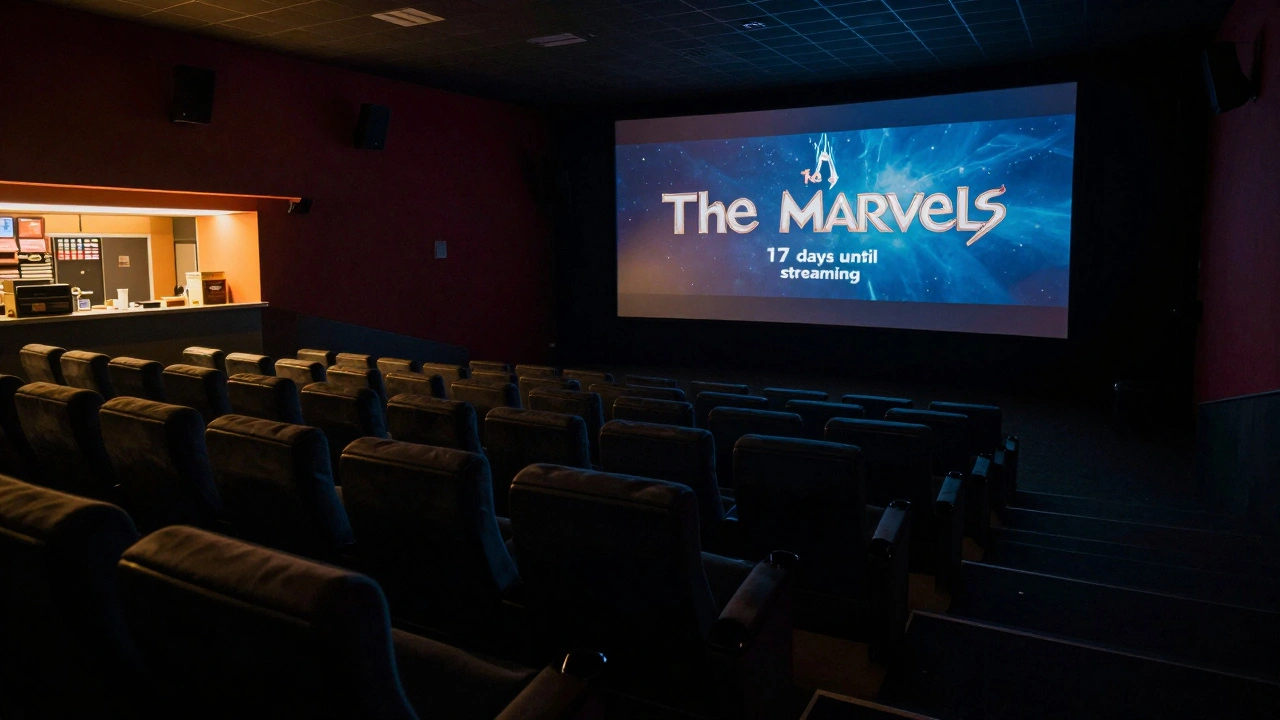
By 2023, the average window dropped to 47 days. In 2024, it fell to 28 days. In early 2025, Warner Bros. released The Marvels with a 17-day window. Disney did the same with Wicked-just 19 days before it arrived on Disney+. And it worked. Box office numbers dipped slightly, but streaming sign-ups jumped 22% in the first week after release.
Now, in 2026, some studios are testing 7-day windows. Black Adam 2 dropped on HBO Max just seven days after theaters opened. Twisters hit Peacock 10 days after its theatrical debut. And guess what? No one canceled their theater subscription. No one screamed about piracy. Audiences just… accepted it.
Why Are Audiences Okay With This?
It’s not just convenience. It’s control.
People don’t want to wait for a movie anymore. They want to watch it when they’re ready. Maybe they’re tired after work. Maybe they’re planning a weekend with friends. Maybe they’re in a different city and can’t get to a theater. The old system forced them into a schedule they didn’t ask for. Now, they get to choose.
Studies from the Motion Picture Association show that 68% of viewers aged 18-34 say they’d skip a theater entirely if the streaming release was under 14 days. That’s not a small group. That’s the biggest moviegoing demographic.
And it’s not just young people. Parents of young kids don’t want to drive across town at 8 p.m. after a long day. Retirees don’t want to pay $18 for a ticket when they can watch at 2 p.m. with coffee. Theaters used to be the only option. Now, they’re one of many.
What This Means for Theaters
Theaters aren’t dead. But they’re changing.
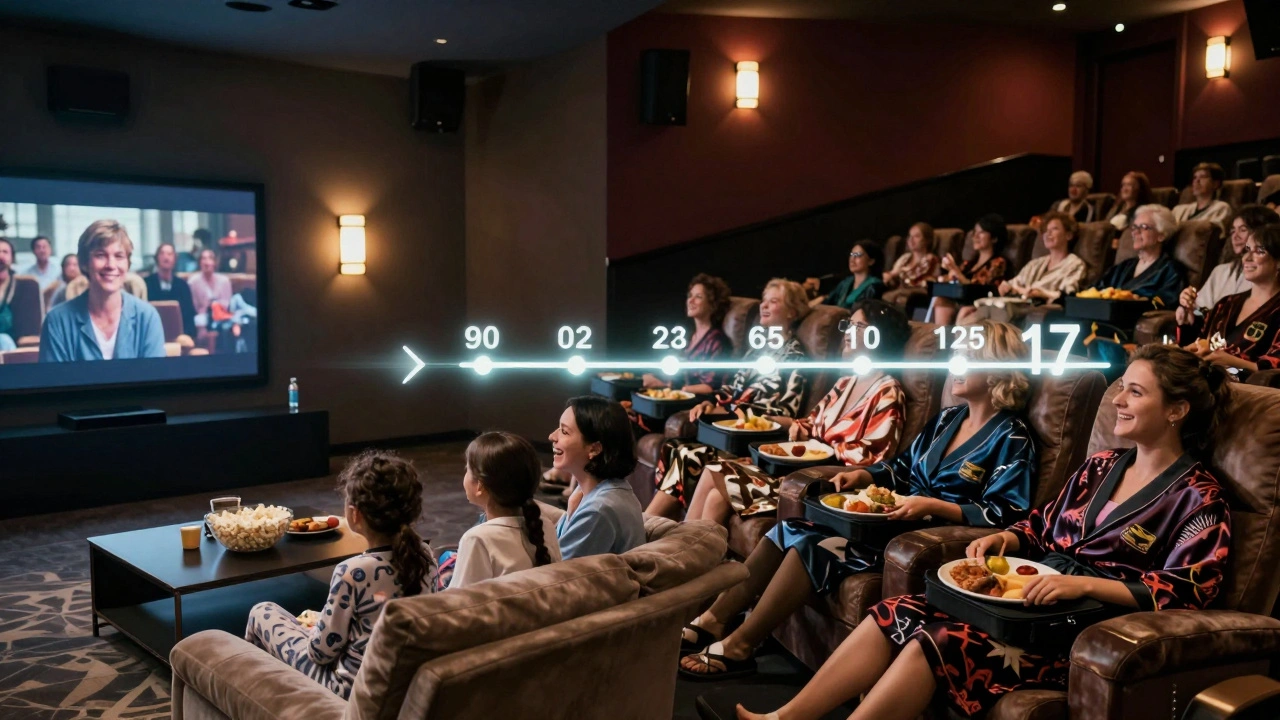
AMC and Regal have started offering premium experiences-reserved seating, luxury recliners, food delivery to your seat, even private screenings. They’re no longer competing on price. They’re competing on experience.
Some theaters now host midnight premieres with themed snacks, live Q&As with directors, or even costume contests. They’re turning movie nights into events. And it’s working. Attendance for these premium showings is up 34% since 2024.
But for the standard 7 p.m. showing of a new action flick? Those seats are emptier than they used to be. Theaters that didn’t adapt? They’re closing. Over 1,200 U.S. theaters shut down between 2020 and 2025. Most were small-town screens with no upgrades.
What About Studios?
Studios are now running two businesses: theatrical distribution and streaming growth. And they’re starting to prioritize streaming.
Netflix doesn’t need theaters at all. Amazon Studios released The Boys Presents: Diabolical as a direct-to-streaming spin-off. Apple TV+ put out Mythic Quest with no theatrical run. And it’s profitable. Why spend $100 million on a global theatrical campaign when you can spend $20 million on a streaming ad and reach 150 million subscribers?
Even Disney, which used to be the king of the 90-day window, now uses its streaming service as a profit engine. Moana 2 made $420 million in theaters. But it brought in $1.1 billion in streaming rentals and subscriptions in its first 60 days. That’s the new math.
Studios are also using shorter windows to test movies. If a film doesn’t perform well in theaters but blows up on streaming, they’ll greenlight a sequel. If it flops everywhere? They quietly bury it. No more sitting on a movie for a year hoping it finds an audience.

What’s Next? 5 Days? 2 Days?
The next frontier isn’t just shorter windows. It’s simultaneous release.
Paramount is testing a 48-hour window for mid-budget films. Sony is experimenting with same-day releases for animated movies. And in early 2026, a small indie studio called Luminary Films released North Star in theaters and on Apple TV+ at the same time.
And guess what? It made more money than any of them expected. Theaters sold 8,000 tickets. Streaming rentals hit 210,000. The film turned a 200% profit. No one lost. Everyone won.
That’s the new reality. The window isn’t disappearing-it’s shrinking into irrelevance. The future isn’t about waiting. It’s about access. About choice. About letting audiences decide how and when they want to watch.
Why This Matters to You
If you’re a movie lover, this is good news. You don’t have to wait. You don’t have to plan your weekend around a screening. You don’t have to pay $15 for popcorn just to see a film that’s already on your phone.
If you’re a filmmaker, this is a chance. Smaller films can find audiences without needing a $50 million marketing budget. No more being buried by studio releases. Just put it out there. Let people find it.
If you’re a studio exec? You’re either adapting or disappearing. The old model is gone. Theaters won’t vanish. But they won’t be the gatekeepers anymore.
Movie watching isn’t about the screen anymore. It’s about the moment. And audiences? They’ve decided they want to control that moment.
Why did studios originally have such long theatrical windows?
Studios used long theatrical windows-often 90 days-to protect theater revenue. Theaters paid big money for exclusive rights to show new films. If a movie went to streaming too soon, theaters would refuse to book it. That meant studios risked losing millions in box office sales. The window was a business deal, not a creative choice.
How have streaming services changed movie distribution?
Streaming services turned distribution upside down. Instead of relying on theaters to make money, studios now use streaming to drive subscriber growth. A movie doesn’t need to make $100 million in theaters-it just needs to get 5 million people to watch it on a streaming app. That’s easier to do with a 14-day window than a 90-day one.
Are theaters dying because of shorter windows?
Not dying-but evolving. Theaters that stuck with basic seats and old pricing are closing. Those that added luxury seating, food service, themed events, and private screenings are thriving. Theaters are shifting from being places to watch movies to being destinations for movie experiences.
Do shorter windows hurt movie quality?
No. In fact, some filmmakers say shorter windows help. With less pressure to perform in theaters, studios are more willing to take risks on smaller, character-driven films. That’s led to a rise in indie successes like North Star and The Last Weekend, which might’ve been buried under the old system.
Will we ever see same-day releases become standard?
Yes-for certain types of films. Blockbusters like Spider-Man or Fast & Furious will still get theatrical runs for the experience. But mid-budget dramas, comedies, and documentaries? They’re already going same-day. By 2027, over 60% of non-franchise films are expected to launch on streaming and in theaters simultaneously.