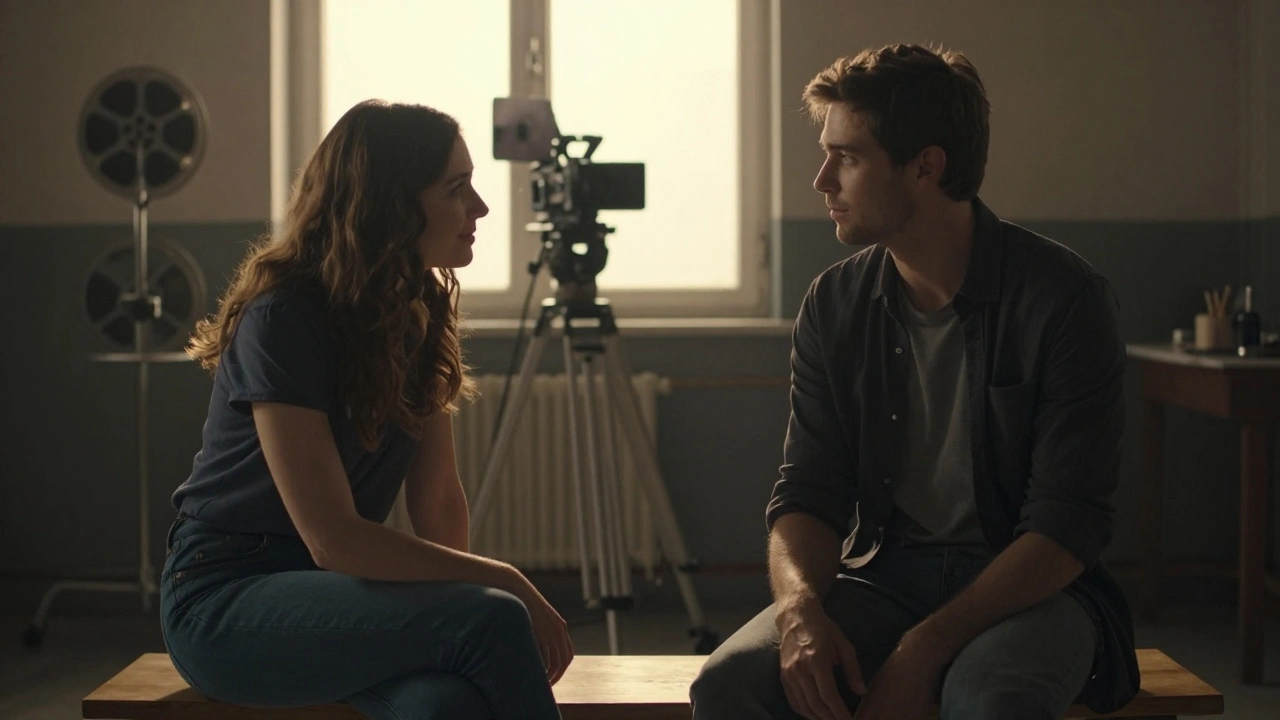
When a film producer sits down to watch a screen test, they’re not just looking for someone who can deliver lines well. They’re watching for something invisible - the spark between two actors that makes you forget you’re watching actors at all. That’s on-camera chemistry. It’s not something you can script. It’s not something you can rehearse into existence. And yet, it’s often the difference between a movie that flops and one that becomes unforgettable.
What Screen Tests Really Reveal
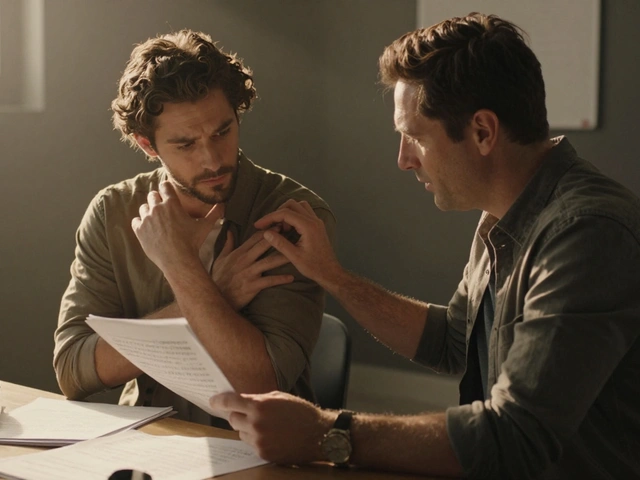
Screen tests aren’t auditions in the traditional sense. You won’t see actors performing monologues or reading from the script in isolation. Instead, producers pair actors together - sometimes with the lead, sometimes with a co-star they haven’t cast yet - and ask them to perform a key scene from the movie. It might be a tense argument, a quiet moment of vulnerability, or a romantic first meeting. The scene is chosen because it’s emotionally pivotal. The goal? To see if the actors can make you believe they’ve known each other for years.
Producers watch for micro-expressions. A half-smile that lingers too long. The way one actor leans in when the other speaks. The silence between lines - not awkward, but meaningful. These are the details that don’t show up in a resume or even in a polished audition. They only appear when two people are truly reacting to each other.
In 2023, the casting team for The Last Summer tested over 40 pairs of actors for the lead roles. Only one pair had the kind of chemistry that made the director stop the camera mid-scene and say, ‘That’s it. That’s the relationship.’ Neither actor had been a big name. But their timing, their breathing, the way they looked away when the other wasn’t looking - it all added up to something real.
How Chemistry Is Measured (Without a Meter)
There’s no tool to measure chemistry. No app, no algorithm, no survey. But producers have developed a set of cues they trust.
- Eye contact that feels natural - not forced, not rehearsed. When actors glance at each other without thinking, it’s a sign they’re present.
- Physical rhythm - do they move in sync? Do they pause at the same time? Do they adjust their posture to match the other’s energy?
- Emotional mirroring - if one actor gets quiet, does the other soften? If one gets angry, does the other pull back or step closer? Chemistry isn’t about matching emotions - it’s about responding to them.
- Comfort with silence - the best on-camera relationships don’t need constant dialogue. Sometimes, the most powerful moment is what’s left unsaid.
Producers also watch how actors handle mistakes. If one flubs a line, does the other improvise to keep the scene alive? Or do they freeze? The ability to recover together - to turn a stumble into something organic - is a huge indicator of trust.
In one famous case, the screen test for Before Sunrise had Ethan Hawke and Julie Delpy improvising dialogue based on a few prompts. The director, Richard Linklater, didn’t give them a script. He just asked them to walk and talk like two strangers meeting on a train. The result? Over two hours of raw, unscripted conversation. That screen test became the foundation of the entire film.
Why Chemistry Can’t Be Forced
Studio executives sometimes push for big names - stars with box office power - even when the screen test says no. But forcing chemistry rarely works.
In 2021, a major studio cast two A-list actors in a romantic drama because of their popularity. Their screen test was stiff. The actors didn’t touch. They didn’t laugh. The tension on screen felt like a board meeting. The film lost $35 million. Meanwhile, a smaller indie film with two unknown actors who’d never met before the screen test ended up winning Best Ensemble at Sundance. Why? Because they were curious about each other.
Chemistry isn’t about fame. It’s about presence. It’s about two people being willing to be vulnerable in front of a camera, with a stranger, under pressure. That’s rare. And when it happens, producers know it.

The Role of the Casting Director
Casting directors aren’t just organizers of auditions. They’re detectives. They’ve seen hundreds of screen tests. They know which actors bring out the best in others - and which ones shut down.
Good casting directors don’t just pick actors based on looks or resume. They look at past performances. Do they work well with other actors? Do they elevate their scene partners? They’ll sometimes bring in actors who’ve never met and let them improvise for 15 minutes before even reading the script. They’re testing compatibility, not talent.
Some casting directors keep a mental database: ‘If actor A is in a scene, try pairing them with actor B - they always spark.’ Others use feedback from previous projects. If an actor’s performance improved dramatically when working with a certain co-star, that’s a clue.
One casting director told me they once paired a quiet, reserved actor with a loud, energetic one - just to see what would happen. The quiet actor didn’t try to match the energy. Instead, he listened. And that silence made the other actor talk more - and reveal something real. That scene became the emotional core of the movie.
What Happens After the Screen Test
After the screen test, producers don’t just vote. They watch the footage multiple times - alone, with the director, with the writer. They’ll mute the sound and watch only the body language. They’ll watch it backward. They’ll show it to people who’ve never seen the script and ask, ‘Do you believe these two are connected?’
If the chemistry is strong, the next step is often a chemistry read with the entire main cast. Sometimes, a supporting actor will be brought in just to test how they interact with the leads. It’s not about the role - it’s about the ecosystem.
There’s also a psychological component. Producers consider how the actors get along off-camera. Do they text each other after the test? Do they laugh? Do they ask questions about each other’s lives? That’s not just gossip - it’s a sign they’re already building a relationship that will carry through filming.
On Oppenheimer, the chemistry between Cillian Murphy and Robert Downey Jr. was so strong during screen tests that the director extended their scenes together, even though the script didn’t originally call for it. Their dynamic became the heartbeat of the film.
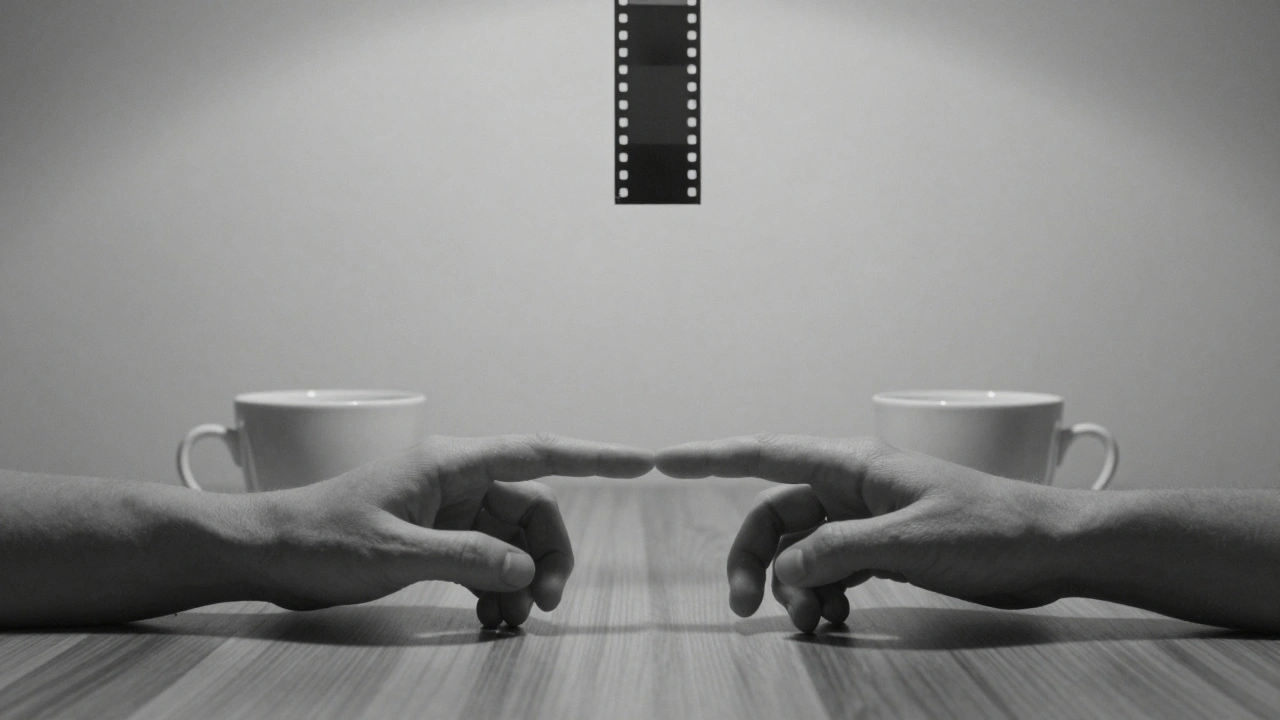
When Chemistry Falls Flat
Not every screen test works. Sometimes, two great actors just don’t click. And that’s okay - because forcing it ruins the movie.
One producer shared a story about a film where the leads had amazing individual performances. But together, they felt like strangers. The director tried reshoots. He changed the blocking. He gave them more time to rehearse. Nothing worked. In the end, they recast one role. The new actor had never been in a major film before. But in the screen test, they had the same quiet understanding as the original pair had in their best moments - only now, it was consistent.
It’s not about being the best actor. It’s about being the right actor - for that person, in that moment.
What Actors Can Do to Improve Their Chemistry
Actors can’t control whether chemistry happens - but they can increase the odds.
- Listen more than you speak - chemistry thrives on reaction, not performance.
- Be present - put your phone away. Look at your scene partner like they’re the only person in the room.
- Don’t try to be charming - charm is fake. Curiosity is real.
- Ask questions - even if it’s just, ‘What did you feel in that moment?’ - it builds connection.
- Embrace silence - don’t rush to fill the space. Let the moment breathe.
Some actors even do improv workshops together before the screen test. Others spend a day walking around the city, just talking. It’s not about memorizing lines. It’s about building a shared history - even if it’s imaginary.
Chemistry Is the Secret Ingredient
There’s no formula. No checklist. No guarantee. But when it works, you feel it. The audience doesn’t think, ‘Wow, these actors are great.’ They think, ‘I wish I could be them.’
That’s the power of on-camera chemistry. It turns performance into truth. And in a world full of scripted moments, that’s the rarest thing of all.




Comments(8)