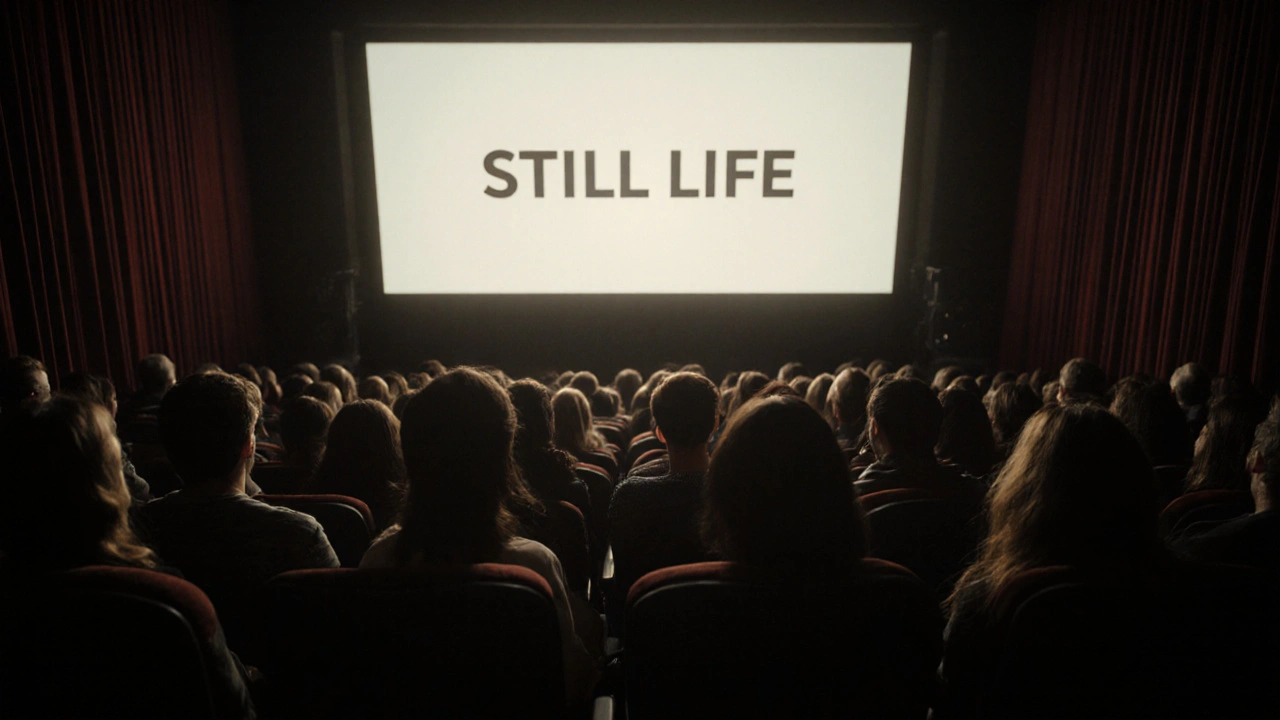
Every year, just as the lights dim and the crowd settles in, a film that wasn’t on the schedule suddenly appears. No press release. No trailers. No buzz. Just a title on a screen and a room full of people leaning forward, wondering what they’re about to see. These are the surprise films-late additions that festival organizers slip in like secret weapons. And they’re not random. They’re calculated plays, designed to shake up the conversation, shift momentum, and sometimes even change the fate of a movie’s entire release.
Why Festivals Save the Best for Last
Film festivals aren’t just screening rooms. They’re marketplaces, media engines, and award launchpads rolled into one. A film that opens the festival might get a decent review, but it’s the one that drops on day five or six that can steal the spotlight. Why? Because by then, the press is tired, the buyers are jaded, and the audience is hungry for something unexpected. Take Cannes 2024. A quiet indie film called Still Life is a minimalist drama about a man returning to his childhood home after decades. It had no distributor, no cast interviews, and no trailer. It was added to the Official Selection two weeks before the festival. Within 48 hours of its screening, it had sold to three international buyers and landed a spot on the Oscar shortlist. That’s not luck. It’s strategy. Festivals know that early buzz is easy to manufacture. But real momentum? That comes from surprise. A late addition forces critics to reset their rankings. It makes buyers scramble. It turns a quiet corner of the festival into a media frenzy.The Mechanics of a Surprise Release
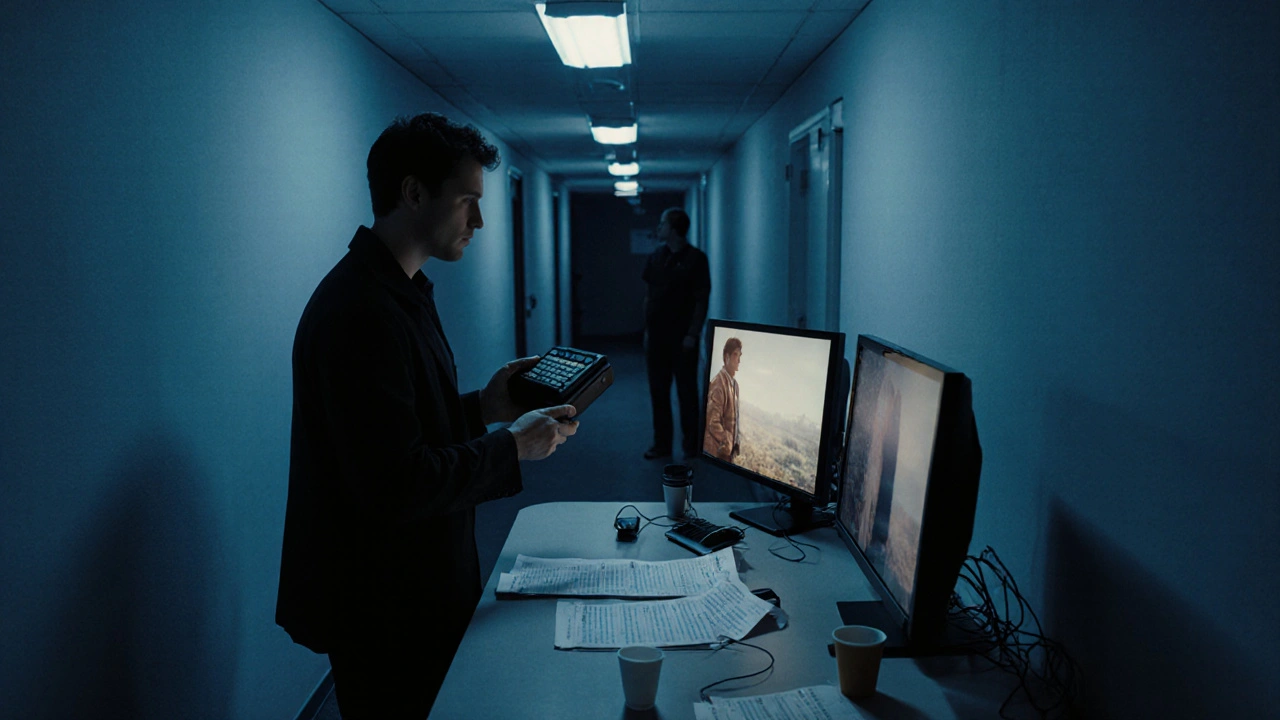
Adding a film late isn’t as simple as sending an email to the program team. There’s a process-and it’s tight. First, the film must be ready. Not just edited, but mastered, color-graded, and formatted for digital projection. No one wants a last-minute tech disaster. Then, the rights must be cleared. No hidden music licenses, no unsecured archival footage. Festivals don’t want lawsuits. Next, the festival team needs to coordinate with the distributor-or often, the filmmaker themselves. In many cases, the filmmaker is the one pushing for a late slot. They know their film won’t stand out in the early lineup. They’re waiting for the right moment. The timing is everything. Too early, and it gets lost. Too late, and it doesn’t get enough screenings. The sweet spot? Days four through seven of a ten-day festival. That’s when the press is deep in the grind, and the audience is looking for something fresh. Then comes the secrecy. No social media teasers. No press emails. Sometimes, even the festival staff doesn’t know until 24 hours before. The screening is announced only on the festival app, and sometimes not even then-just whispered between programmers and critics.Who Benefits the Most?
Not every surprise film becomes a sensation. But the ones that do tend to share a few traits.- Low-budget, high-concept indie films-like The Quiet Hour, a 2023 Sundance late addition about a woman who hears voices from the future-often benefit the most. They don’t have marketing budgets, so the festival becomes their only megaphone.
- Directors with a cult following-like the return of a filmmaker who hasn’t made a feature in eight years. A surprise screening of Echoes of the River at Toronto 2024 sent fans into a frenzy, even though the film had no prior announcement.
- Documentaries with urgent timing-like one about a political protest that erupted just weeks before a festival. Adding it late makes it feel immediate, relevant, almost journalistic.
How Distributors Use Late Additions to Win
Distributors don’t just wait for the festival to happen. They plan for it. Some wait until the last possible moment to submit a film, knowing that early entries get buried under 300 other titles. Others hold back a version of the film-maybe a slightly longer cut, or one with a different ending-just so they can drop the upgraded version as a surprise. In 2023, a distributor quietly swapped out the original ending of The Last Light for a new one, just before its surprise screening at Venice. The new ending changed the entire tone of the film. Critics called it a "masterstroke." Sales jumped 300% in the next 72 hours. It’s not manipulation. It’s storytelling. The festival becomes part of the film’s narrative. The surprise isn’t just about the film-it’s about the experience of watching it.The Risks of Going Dark
This strategy isn’t foolproof. There are real dangers. If the film is bad, the backlash is brutal. A late addition with weak pacing or poor sound design gets called out fast. Critics don’t have time to be gentle. They’re tired. They’re hungry for something good. And if it’s not, they’ll say so loudly. There’s also the risk of alienating filmmakers. If a film is added without the director’s knowledge-or if the screening is moved to a tiny theater with no Q&A-it can feel disrespectful. Trust matters. Festivals that play games with filmmakers burn bridges. And then there’s the audience. Some come to festivals to see the big names, the expected titles. A surprise film might feel like a bait-and-switch if it’s not marketed as a hidden gem. That’s why the best late additions come with a quiet promise: this is for those who stayed.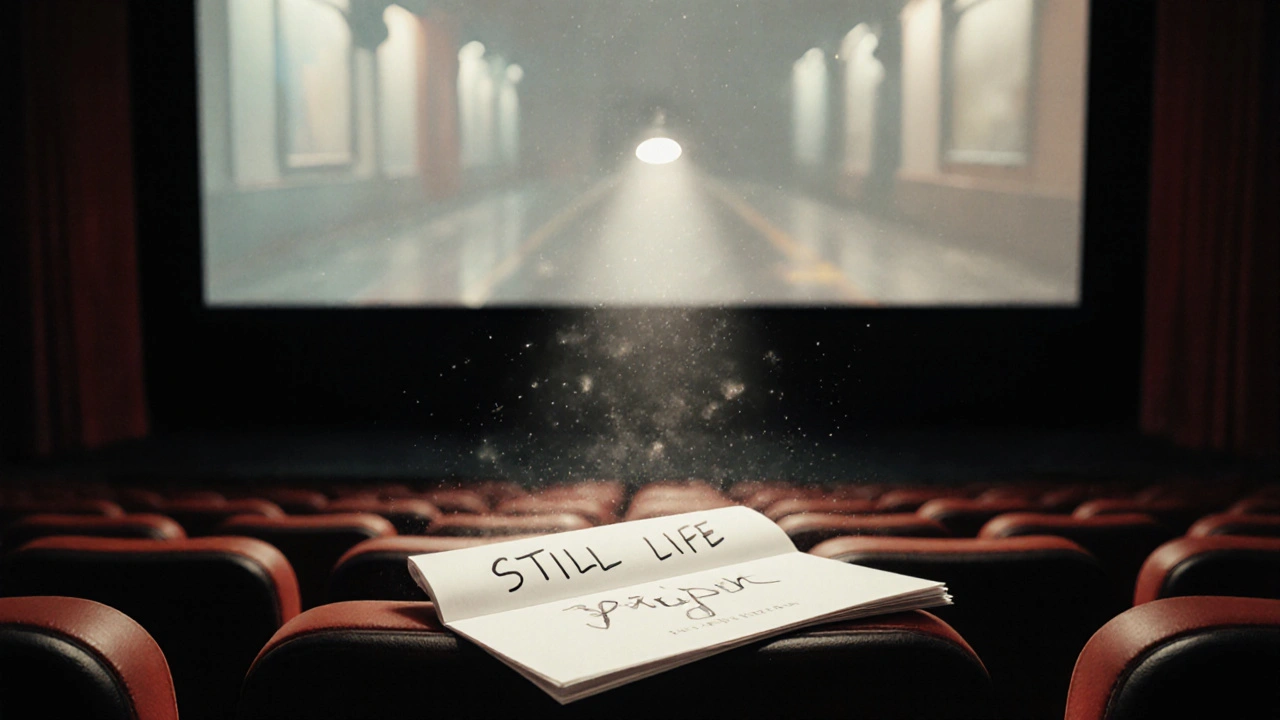
What Makes a Late Addition Work?
There’s no formula. But after watching over 400 festival screenings in the last five years, a pattern emerges.- It needs a hook-a unique premise, a bold visual style, or a voice that hasn’t been heard before.
- It needs timing-not too early, not too late. The middle of the festival is gold.
- It needs secrecy-no leaks, no trailers, no press junkets. The mystery is the marketing.
- It needs a home-a strong screening room, a good sound system, and a programmer who believes in it enough to fight for it.
What Comes Next?
As streaming platforms keep buying more films than ever, the pressure to stand out grows. Festivals can’t compete with Netflix’s ad spend. But they can compete with surprise. The next big wave might be "reverse surprises"-films announced months in advance, then pulled from the schedule at the last minute, only to reappear in a different festival. Or films that screen once, then vanish-no digital copy, no VOD, no DVD. Just one chance to see it. The line between festival and art is blurring. And the surprise film? It’s becoming a new kind of ritual. A moment where cinema feels alive again-not because of its budget, but because of its risk.Why do film festivals add films at the last minute?
Festivals add films late to create buzz, shift attention away from overhyped titles, and give under-the-radar films a chance to shine. Timing matters-late additions land when critics are tired and audiences are looking for something fresh, making them more memorable.
Can any film be added as a surprise at a festival?
No. The film must be fully finished, legally cleared for screening, and technically ready for projection. Festivals also need time to coordinate with the filmmakers and secure a suitable screening slot. Last-minute additions are rare and only happen when all boxes are checked.
Do surprise films have a better chance of winning awards?
Not necessarily-but they often have a better chance of getting noticed. Awards juries see hundreds of films. A surprise screening can cut through the noise, especially if the film delivers a powerful emotional or artistic punch. Many award-winning films, like Still Life and The Quiet Hour, gained momentum because they weren’t expected.
Are surprise films only for indie films?
Mostly, yes. Big studio films have global marketing campaigns and aren’t hidden. But there are exceptions-like when a major director drops a low-key personal project as a surprise. These are rare, but when they happen, they become festival legends.
How do audiences find out about late additions?
Usually through the festival’s official app or website, often just hours before the screening. Sometimes, it’s word-of-mouth-critics, programmers, or insiders whispering in hallways. Social media is rarely involved, preserving the surprise.
What happens if a surprise film flops?
If a late addition underperforms, it can hurt the filmmaker’s reputation and strain relationships with the festival. Critics are harsher when expectations are high. A bad surprise can feel like a waste of time, and festivals learn quickly-so they’re careful about what they add.
Surprise films aren’t just a tactic-they’re a statement. In a world where everything is scheduled, tracked, and optimized, they remind us that cinema still has room for mystery. And sometimes, the best stories aren’t the ones you plan for. They’re the ones you stumble into.



Comments(6)