Key Takeaways for Scale
- Asset modularity prevents total redesigns when the story evolves.
- The "Visual Bible" serves as the single source of truth for all departments.
- Unified VFX pipelines reduce render times and cost across multiple sequels.
- Virtual Production (like LED volumes) bridges the gap between concept and final pixel.
The Blueprint: Establishing the Visual Bible
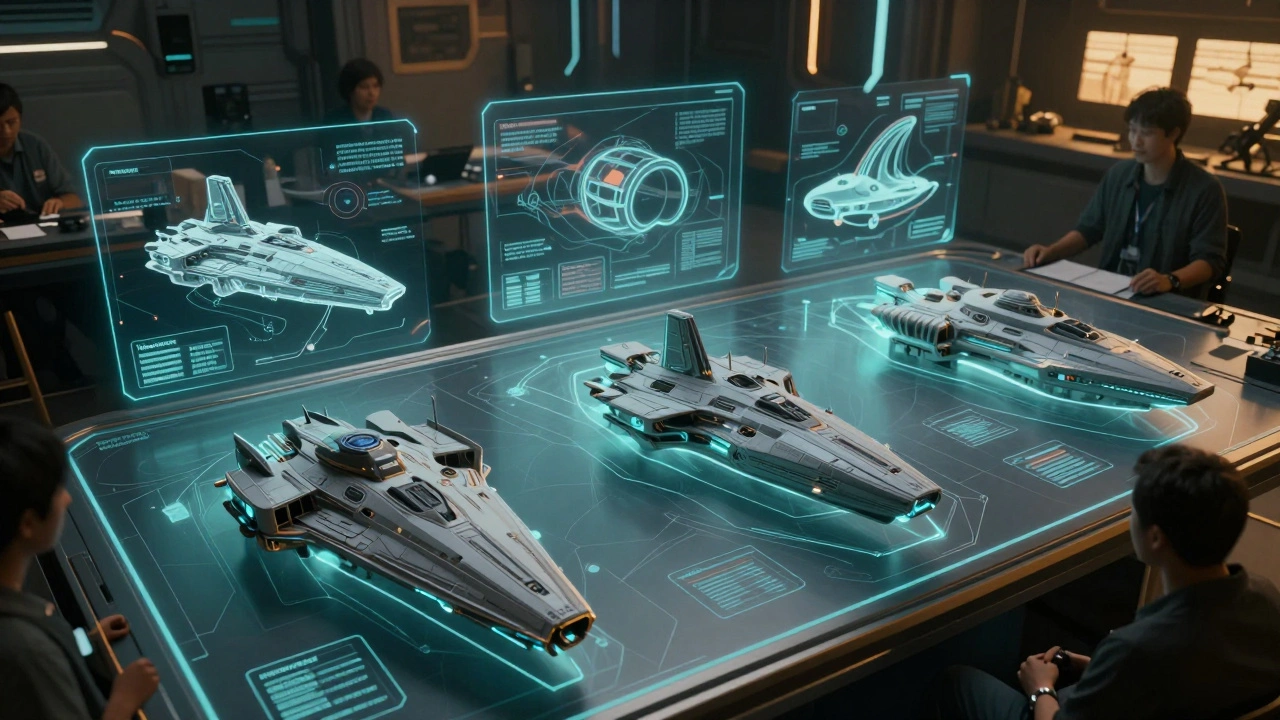
Before a single camera rolls, a franchise needs a foundation. Production Design is the process of visualizing and creating the physical and digital environments where a story takes place. In a standalone film, you can wing it. In a franchise, you need a Visual Bible. Think of this as a living encyclopedia. It defines everything from the curve of a spaceship's hull to the specific shade of neon used in the slums of a distant planet. If the first film establishes that "Imperial" technology is brutalist and grey, the second film can't suddenly make it sleek and white unless there's a narrative reason. When designers use a shared palette, the audience subconsciously trusts the world. It feels real because it is consistent. This bible isn't just a PDF of sketches. It's a set of rules. For example, if you're building a galactic empire, you might decide that all civilian ships are organic and curved, while military ships are sharp and angular. By setting these constraints, you allow different designers across different movies to create new assets that still "fit" the world without needing constant oversight from the original art director.Modular Asset Design: Building for the Future
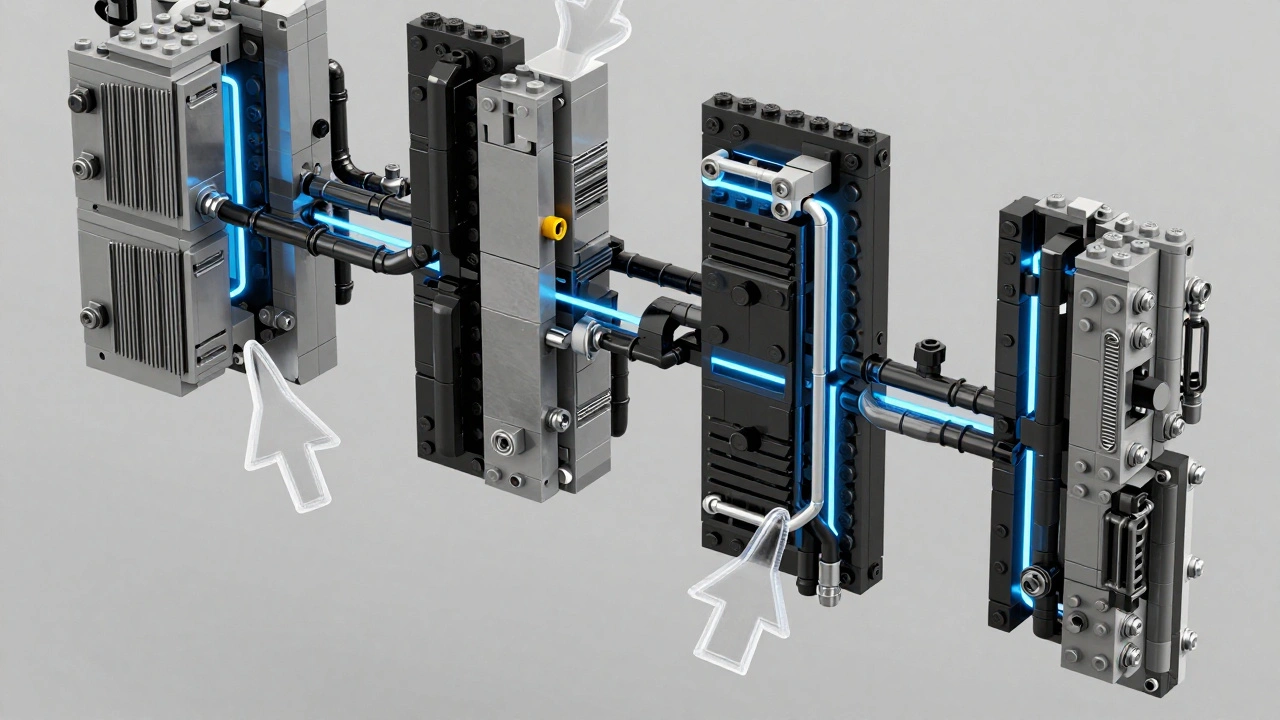
One of the biggest mistakes studios make is building "hero" assets that are too specific. If you build a massive space station as one single 3D model, you're stuck. If the sequel requires that station to be broken in half, you have to rebuild the whole thing. Instead, modern Sci-Fi Worldbuilding relies on modularity. Designers create a library of "kits"-small, reusable pieces of architecture, piping, and panels. Think of it like digital LEGOs. If you need a new corridor for a different movie, you don't design it from scratch; you pull from the existing kit. This ensures that the texture of the walls and the placement of the bolts remain identical across the entire series.| Feature | Bespoke Assets | Modular Kits |
|---|---|---|
| Initial Setup Time | Faster for one scene | Slower (requires library build) |
| Scalability | Low; requires manual rework | High; assets reused across films |
| Consistency | Variable per artist | Strictly uniform |
| Cost over 3+ Films | Exponentially higher | Decreases per movie |
The VFX Pipeline: From Linear to Ecosystem
In the old days, VFX was a linear process: shoot the film, then send it to a house to add the monsters. For a franchise, that's a nightmare. You end up with "visual drift," where the aliens in movie one look slightly different from the ones in movie two because a different vendor handled the work. To stop this, studios now build a VFX Pipeline that functions as an ecosystem. This involves using a centralized asset database. If a model for a starfighter is updated in movie three to have more detail, that update should automatically propagate back to the assets being used in the spin-off series happening at the same time. This requires a heavy investment in pipeline engineering. Tools like USD (Universal Scene Description), developed by Pixar, have changed the game. USD allows different software-like Maya, Houdini, and Unreal Engine-to read the same scene file without losing data. This means a concept artist can tweak a building's shape, and the lighting artist sees that change instantly, regardless of which software they are using. It removes the "export/import" bottleneck that used to kill productivity.Virtual Production and the Death of the Green Screen
We've all seen the problems with green screens: bad lighting on the actors' skin and a lack of interaction with the environment. For franchises that need to scale, Virtual Production is the solution. By using massive LED walls (volumes) that display the background in real-time, the production design becomes a tangible part of the lighting. When you use a tool like Unreal Engine, the world is built digitally before the actor even steps on set. This is called "Pre-vis" or "Virtual Scouting." The director can move a mountain in the digital world, see how it affects the horizon, and then lock that in. When the sequel starts, they don't need to recreate the set; they just load the environment file and tweak the lighting to suggest a different time of day or a different planet. This creates a feedback loop. The VFX team isn't just "fixing it in post"; they are designing the world in pre-production. The boundary between the physical set and the digital world disappears, which is essential for maintaining the scale of a massive universe.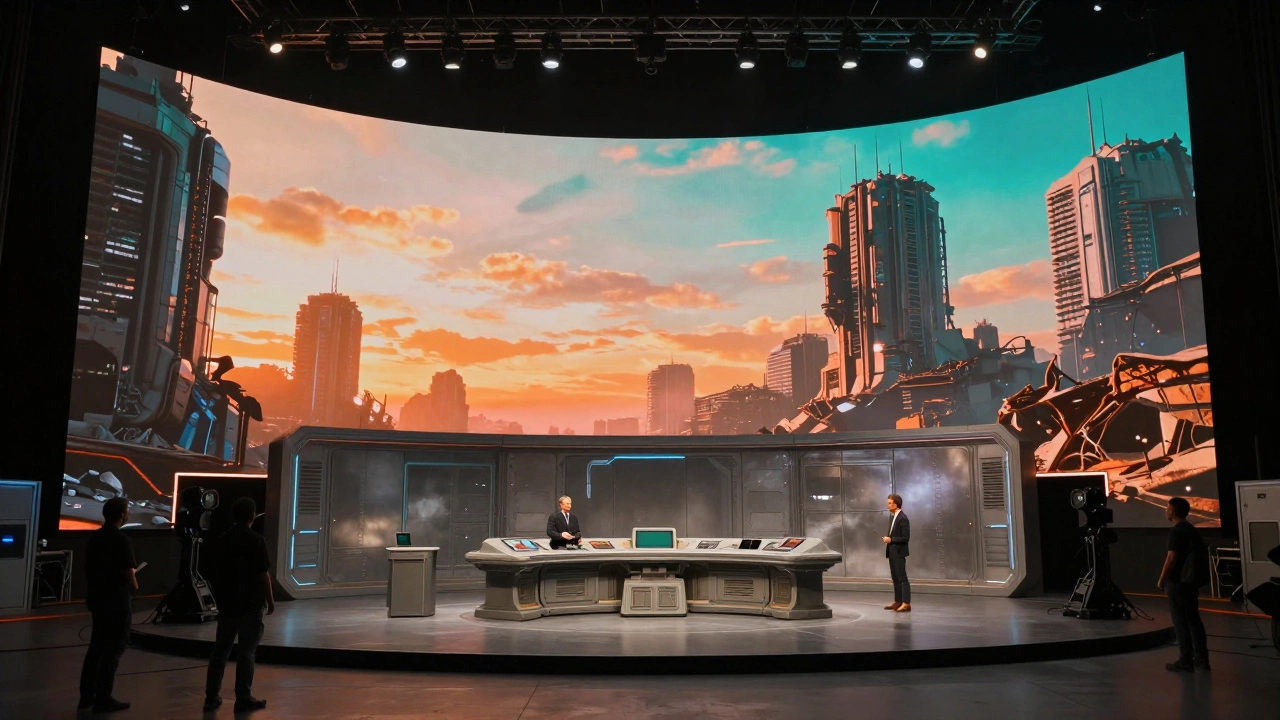
Managing the 'World-State' Across Multiple Entries
How do you handle the evolution of a world? If movie one is a utopia and movie four is a wasteland, you can't just change the textures. You need a "World-State" strategy. This means designing assets with "layers" of degradation. Expert production designers create assets in three stages: Pristine, Worn, and Ruined. When the franchise moves forward in time, they don't design a new city; they apply the "Ruined" layer to the existing modular kits. This maintains the architectural DNA of the location while showing the passage of time. It's the difference between a world that feels like it's being reinvented every movie and one that feels like it has a history. This approach also allows for "parallel production." If a studio is filming a movie and a TV series simultaneously, they can share the same asset library. The TV show might use a "Worn" version of the capital city, while the movie uses the "Pristine" version. This is how franchises like Star Wars or the MCU keep their visuals coherent across different mediums and budgets.What is the most expensive part of scaling a sci-fi world?
The biggest cost is usually the initial setup of the asset library and pipeline. While building a modular kit is more expensive upfront than building one specific set, it saves millions in the long run because you aren't paying artists to recreate the same objects for every sequel.
Does Virtual Production replace traditional set building?
Not entirely. The best productions use a "hybrid" approach. They build physical sets for things the actors touch (like consoles or walls) and use LED volumes for the vast horizons. This keeps the tactile feel of a real movie while providing the infinite scale of a digital world.
How does USD (Universal Scene Description) help a VFX pipeline?
USD allows different departments (modeling, lighting, animation) to work on the same scene simultaneously without overwriting each other's work. It creates a non-destructive way to layer changes, which is vital when hundreds of artists are working on a single franchise.
Why is a Visual Bible important for a franchise?
It prevents "visual drift." Without a central set of rules, different directors or art departments might interpret the world differently, leading to inconsistencies that break the audience's immersion.
Can small indie films use these scaling techniques?
Yes. Even on a low budget, using modular assets from stores like the Unreal Engine Marketplace or focusing on a strict visual palette can make a small project look much larger and more professional.



Comments(5)