When you think of global cinema, Hollywood usually grabs the spotlight. But if you look closer at the box office charts or festival laurels from the last decade, a quiet powerhouse has been shaping the industry’s most compelling narratives. That power comes from the Scandinavian film funds, which have mastered the art of turning small national budgets into international blockbusters through strategic cooperation. These funds don’t just hand out cash; they act as architects of a shared cultural ecosystem that allows Danish, Swedish, Norwegian, and Finnish filmmakers to pool resources without losing their distinct voices.
For producers and directors outside the region, understanding this model is no longer optional-it’s essential. The Nordic approach offers a blueprint for how smaller markets can compete on the world stage by leveraging proximity, trust, and standardized legal frameworks. If you are looking to break into international co-productions, studying these mechanisms provides practical lessons in risk mitigation, audience building, and creative freedom that pure commercial models often lack.
The Core Mechanics of Nordic Funding
At its heart, the Scandinavian system relies on public service broadcasting (PSB) and dedicated state film institutes. In Denmark, the Danish Film Institute allocates significant annual grants specifically for development and production. Sweden operates similarly through the Swedish Film Institute, while Norway uses the Norwegian Film Institute. What makes this unique is not just the money, but the structure. These bodies are designed to support artistic merit rather than immediate commercial return, allowing for a higher tolerance for risk.
This public backing creates a stable foundation upon which private investment can build. When a producer approaches a bank or a private investor with a project backed by a Nordic fund, the perceived risk drops significantly. This “anchor” funding encourages other stakeholders to jump in, creating a layered financing structure that is far more robust than relying on a single source. It turns a speculative venture into a viable business case, making it attractive to international partners who might otherwise shy away from smaller markets.
Why Co-Production Works Better in the North
You might wonder why countries so close geographically choose to collaborate so heavily. The answer lies in both necessity and opportunity. Individually, Denmark, Sweden, and Norway have audiences too small to sustain a large number of feature films annually. By pooling resources, they create a market size that rivals much larger European nations. A film made with contributions from all three countries can be distributed across three major territories simultaneously, maximizing revenue potential before it even hits streaming platforms.
Beyond economics, there is a cultural synergy. The Nordic noir genre, for instance, didn’t emerge in a vacuum. It was born from cross-border collaborations where writers, directors, and actors moved freely between borders. This fluidity allows for a shared aesthetic and narrative style that resonates globally. When you watch a hit like *The Bridge* or *Trapped*, you are seeing the direct result of this interconnected labor market. The talent flows easily, reducing friction and lowering costs associated with hiring foreign crews or dealing with complex visa regulations.
Key Players and Their Specific Roles
To navigate this landscape, you need to know who holds the keys. Each country’s institute has specific mandates and preferences. The Danish Film Institute is known for its strong focus on script development and early-stage financing, often supporting projects that are still in the concept phase. They value original stories that reflect Danish identity but have universal appeal. On the other hand, the Swedish Film Institute places a heavy emphasis on diversity and inclusion, actively seeking projects that represent underrepresented groups within society. This difference in focus means that a producer must tailor their pitch to match the specific strategic goals of the fund they are approaching.
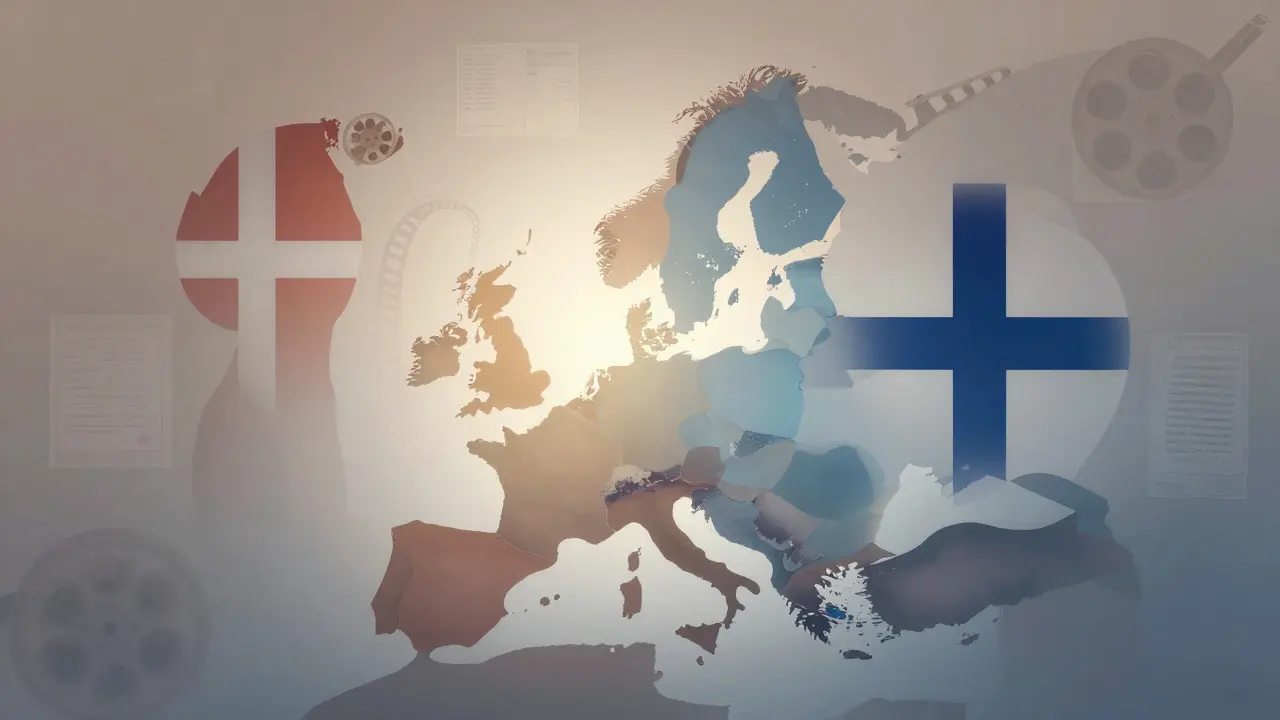
Norway’s fund tends to prioritize regional storytelling and environmental themes, reflecting the country’s geographic and political priorities. Finland, while slightly separate from the core DKN trio, integrates well into the network through the Finnish Film Foundation, which emphasizes innovation and technology in filmmaking. Understanding these nuances is critical. A generic pitch will fail here. You need to show how your project aligns with the specific cultural and economic objectives of the target institution.
Legal Frameworks and Tax Incentives
Money isn’t the only thing flowing across borders; so are legal protections. The Nordic countries have harmonized many aspects of their copyright and labor laws, making cross-border productions smoother than in, say, Western Europe. However, tax incentives play a massive role in attracting international co-producers. Sweden offers a flat-rate tax rebate for eligible production costs, which can significantly lower the final budget. Denmark has a similar scheme that supports both physical production and post-production services.
These incentives are not just about saving money; they are about creating competitive advantages. For an American or British producer considering a co-production, the ability to recoup a percentage of local spending makes the financial model much more attractive. It effectively subsidizes the cost of working in the region, encouraging them to bring their own capital and distribution muscle to the table. This symbiotic relationship ensures that the Nordic funds remain relevant and active players in the global market.
Case Studies: Success Stories from the Region
Let’s look at concrete examples to see this in action. Consider the success of *Another Round*, directed by Thomas Vinterberg. While primarily a Danish production, it benefited from the robust support of the Danish Film Institute and found wide distribution thanks to established networks in neighboring countries. The film’s low-budget nature was possible because the public funding covered the core costs, allowing the director to take creative risks without corporate interference. The result was a global phenomenon that proved small-scale, character-driven stories could dominate international conversations.
Another example is the ongoing success of the *Millennium* trilogy adaptations. Originally based on Swedish novels, these films became international co-productions involving multiple Nordic entities. The collaboration allowed for high production values that matched Hollywood standards, yet retained the authentic Nordic atmosphere. The financial structure involved multiple funders, each contributing different elements-script rights, location access, and distribution deals. This multi-layered approach de-risked the project and ensured it had a path to profitability in several key markets simultaneously.

Challenges and Pitfalls to Avoid
It’s not all smooth sailing. One of the biggest challenges is navigating the bureaucratic processes. Applying for Nordic funds requires detailed documentation, clear budget breakdowns, and often, proof of local content contribution. Producers who underestimate the administrative burden often find themselves stuck in approval limbo. Another pitfall is creative dilution. When multiple countries are involved, each may have input on casting, language, or thematic direction. Without a strong lead producer, the project can become a compromise that satisfies no one.
Additionally, language barriers remain a subtle hurdle. While English is widely spoken, official documents and legal contracts are often in local languages. Misunderstandings in contract terms can lead to disputes later. It’s crucial to hire legal counsel experienced in cross-border Nordic law. Finally, don’t ignore the importance of local relationships. These funds are community-based. Building genuine connections with local producers, broadcasters, and government officials can open doors that a cold email never will.
Practical Steps for International Producers
If you want to tap into this system, start by identifying your project’s alignment with Nordic interests. Does it offer a fresh perspective? Does it involve local talent? Once you have that, reach out to the relevant film institute’s international department. Most maintain lists of approved agents and producers who can facilitate introductions. Prepare a concise pitch deck that highlights the story, the team, and the financial plan, specifically noting how the co-production adds value.
Next, secure a local partner. Having a reputable Nordic producer attached to your project signals seriousness and helps navigate the local landscape. Look for partners who have successfully completed co-productions before. Finally, be patient. The process takes time, but the rewards are substantial. Access to reliable funding, skilled talent, and a built-in distribution network across four countries is a powerful asset for any filmmaker aiming for global impact.
| Country | Institute Name | Primary Focus | Typical Support Stage |
|---|---|---|---|
| Denmark | Danish Film Institute | Script Development & Original Storytelling | Development & Production |
| Sweden | Swedish Film Institute | Diversity & Inclusion | Production & Distribution |
| Norway | Norwegian Film Institute | Regional Themes & Environment | Development & Post-Production |
| Finland | Finnish Film Foundation | Innovation & Technology | Production & R&D |
Future Trends in Nordic Financing
Looking ahead, the landscape is evolving. Streaming giants are increasingly investing directly in Nordic productions, bypassing traditional theatrical windows. This shift is changing how funds operate. Some institutes are now offering specific grants for digital-first projects or those targeting global streaming audiences. Additionally, sustainability is becoming a major criterion. With the EU pushing for green initiatives, film funds are starting to reward productions that minimize their carbon footprint, from energy-efficient lighting to sustainable set construction.
Technology also plays a growing role. Virtual production techniques, pioneered partly in the region, are being supported by new funding streams aimed at innovation. This means that the next wave of successful co-productions will likely blend traditional storytelling with cutting-edge tech, all underpinned by the same collaborative spirit that has defined the region for decades. For international partners, this represents a new opportunity to engage with a dynamic and forward-thinking sector.
Do I need a local agent to apply for Scandinavian film funds?
While not always strictly required, having a local agent or producer is highly recommended. They understand the specific bureaucratic requirements and can vouch for your credibility. Many institutes prefer to work with known entities, and a local partner facilitates communication and compliance with local content rules.
What percentage of the budget do Nordic funds typically cover?
This varies by project and country, but generally, public funds aim to cover 30% to 50% of the total production budget. The remainder is expected to come from private investors, broadcasters, pre-sales, or co-production partners. The exact ratio depends on the project's risk profile and strategic value to the institute.
Can non-Nordic directors receive funding from these institutions?
Yes, but the project must have strong ties to the Nordic region. This could mean using local locations, hiring a majority of local crew, or telling a story deeply rooted in Nordic culture. Purely foreign productions rarely qualify unless they are part of a formal co-production agreement with a local entity.
How long does the application process usually take?
The timeline can range from 3 to 6 months from submission to decision. It is advisable to submit applications 9 to 12 months before your intended start date to allow for negotiations, contract signing, and any necessary revisions requested by the review board.
Are there specific genres favored by Scandinavian film funds?
While drama and thriller are popular due to their commercial viability, the funds actively support diverse genres including animation, documentary, and experimental film. The key is artistic quality and potential for international distribution rather than strict adherence to a specific genre.