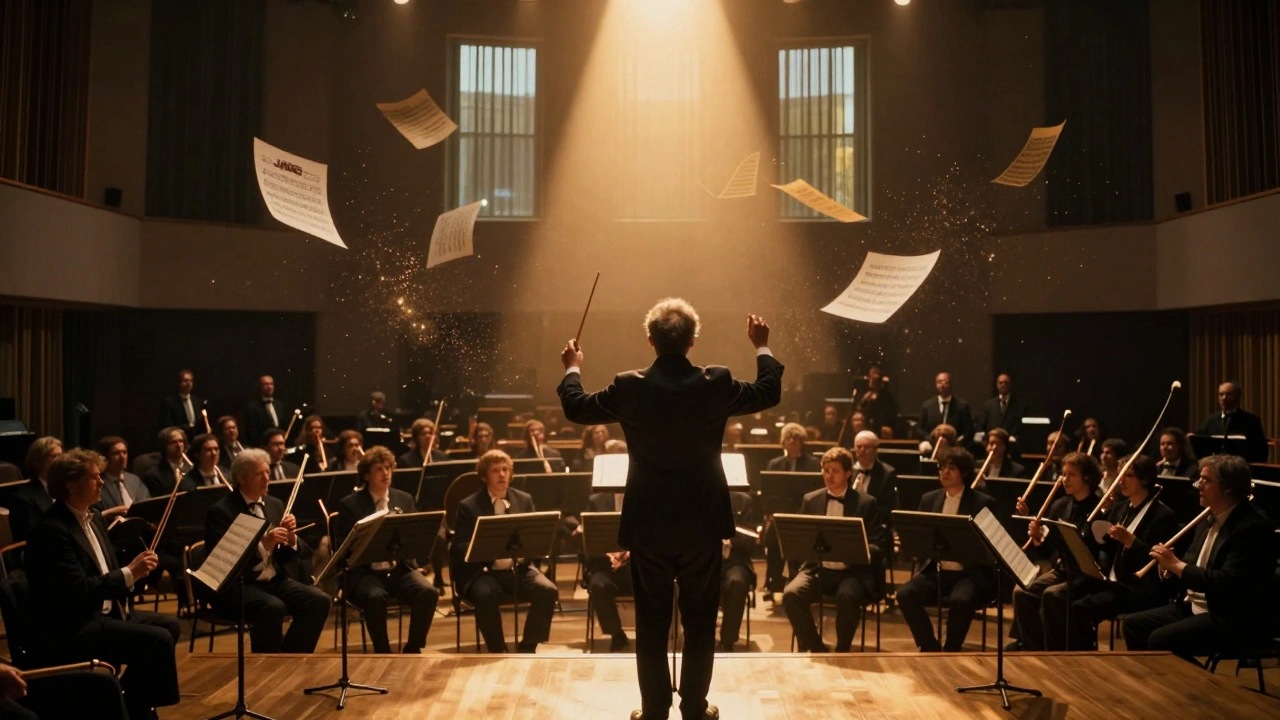
Think about the last time a movie made your heart race, your skin crawl, or your eyes well up. Chances are, it wasn’t just the visuals or the acting-it was the music. Film composers don’t just add sound to pictures; they build the emotional backbone of entire stories. Some of them became legends not because they had fancy equipment, but because they knew how to make silence scream and a single note feel like a punch to the chest.
John Williams: The Man Who Made Orchestras Speak
John Williams didn’t just write music for movies-he wrote the soundtrack to a generation’s imagination. Born in 1932, Williams didn’t start as a film composer. He played piano in jazz clubs and arranged for TV shows before landing his first big break: Valley of the Dolls in 1967. But it was Jaws in 1975 that changed everything. Two notes. That’s all it took. The low, pulsing cello and bass pattern made audiences feel the shark before they saw it. It wasn’t scary because of the visuals-it was scary because of the music. The score for Jaws alone is studied in film schools as a masterclass in tension.
Then came Star Wars. The opening fanfare, with trumpets blazing and timpani thundering, didn’t just introduce a movie-it announced a new era of cinema. Williams didn’t just compose themes; he built mythologies. The Force theme, Leia’s motif, the Imperial March-each one carries a character’s soul. He scored over 75 films, earned five Oscars, and holds the record for most Oscar nominations for a living person. His music doesn’t play in the background-it takes center stage.
Hans Zimmer: The Modern Architect of Sound
If John Williams built the cathedral of film music, Hans Zimmer tore it down and rebuilt it with synths, drums, and electric guitars. Born in Frankfurt in 1957, Zimmer didn’t come from a classical background. He played in pop bands and worked in TV before being asked to score Dune in 1984. That project didn’t make him famous-but The Lion King in 1994 did. The opening chant of Circle of Life didn’t just set the tone-it made the whole world feel like a living, breathing ecosystem.
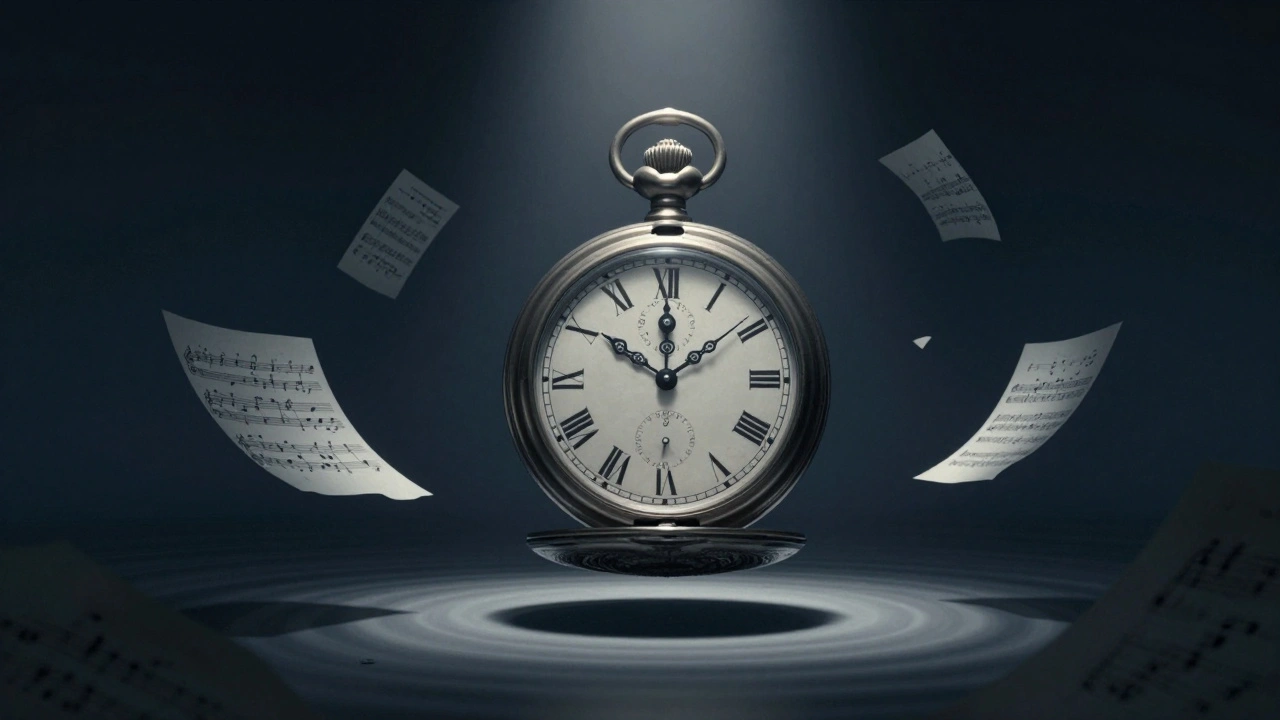
Zimmer’s real genius is in how he treats silence. In Inception, he didn’t use strings or horns. He took a slowed-down version of Edith Piaf’s Non, Je Ne Regrette Rien and turned it into a ticking clock that echoed through the dream layers. The bass drone in that score? It’s so deep it vibrates in your chest. People say it’s impossible to watch Inception without feeling the pressure of time slipping away. That’s Zimmer’s doing.
His score for Interstellar used a pipe organ in a cathedral to mimic the vastness of space. In Dunkirk, he didn’t use a traditional orchestra. He used a ticking watch, a guitar string, and a 90-second loop of a single chord. The tension didn’t build-it just kept going. No crescendo. No resolution. Just relentless forward motion. That’s how he makes you feel like you’re running out of time.
Bernard Herrmann: The Master of the Unsettling
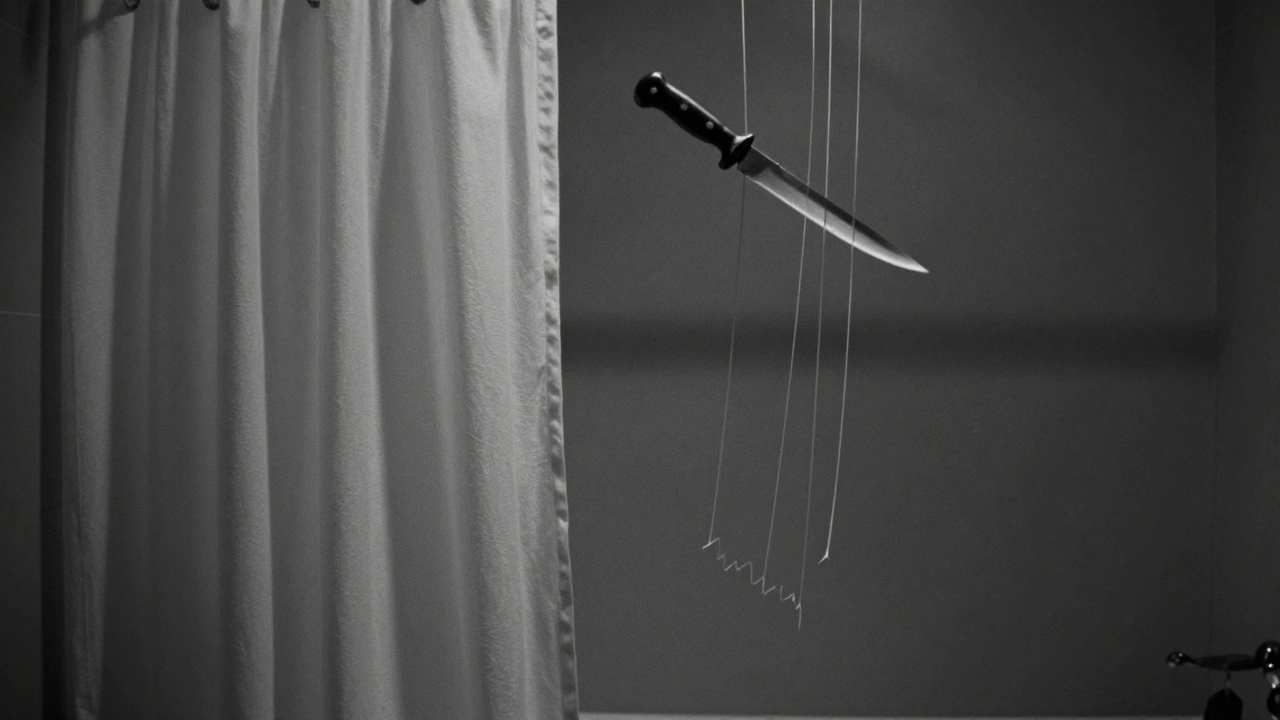
Before Williams and Zimmer, there was Herrmann. Born in 1911, he was the first composer to truly understand that horror didn’t need loud noises-it needed wrongness. His score for Psycho in 1960 is the most famous example: a shrieking string section that sounds like knives being dragged across glass. The shower scene lasts less than a minute. The music lasts longer in your memory.
Herrmann didn’t just write scary music. He wrote music that made you feel alone. In Vertigo, he used a swirling, circular motif that mirrors the character’s descent into obsession. The strings don’t rise-they spiral. It’s hypnotic, haunting, and deeply human. He scored over 50 films, including North by Northwest and Citizen Kane, and worked closely with Alfred Hitchcock. Their partnership was so tight that Hitchcock once said, “I don’t need to see the film. I just need to hear the music.”
Herrmann’s final score, for Taxi Driver in 1976, was sparse. Just a lonely piano, a muted trumpet, and a ticking clock. It didn’t tell you how to feel-it forced you to sit with the silence. That’s the difference between a composer and a true artist.
Ennio Morricone: The Sound of the Open Sky
Ennio Morricone didn’t just score Westerns-he made the desert sing. Born in Rome in 1928, he started in radio orchestras and ended up defining an entire genre. His work with Sergio Leone in the 1960s-A Fistful of Dollars, The Good, the Bad and the Ugly, Once Upon a Time in the West-wasn’t just music. It was storytelling with whistles, electric guitars, and human voices.
The main theme of The Good, the Bad and the Ugly has a yodeling voice, a whip crack, and a harmonica that sounds like a man crying in the desert. It’s not pretty. It’s not polite. It’s raw. That’s the point. Morricone used instruments no one else dared to put in a Western: the electric guitar, the whip, the jaw harp, the human whistle. He didn’t follow rules-he broke them and turned the noise into poetry.
In Cinema Paradiso, he used a simple piano melody that made audiences weep without a single word. In The Mission, he layered a solo oboe over a choir to represent the clash between civilization and nature. His music didn’t just support the image-it argued with it.
Jerry Goldsmith: The Shape-Shifter of Sound
While others stuck to one style, Jerry Goldsmith changed his voice with every film. Born in 1929, he scored over 200 films and TV shows. He didn’t have one signature sound-he had dozens. In Planet of the Apes (1968), he used African drums, brass, and choral chants to make the future feel ancient. In Alien (1979), he created a haunting, slow-moving pulse with a theremin and low strings. It didn’t sound like music-it sounded like something crawling through the walls.
For Star Trek: The Motion Picture, he wrote a sweeping, cosmic theme that still echoes in space-themed films today. In Poltergeist, he used children’s voices singing backwards to create unease. No one else thought to do that. He was fearless. He once said, “If the scene needs a cowbell, I’ll use a cowbell.” He didn’t care about prestige. He cared about truth.
Why These Scores Still Matter
These composers didn’t just write music for movies. They wrote music that became part of the story’s DNA. John Williams gave us heroes. Hans Zimmer gave us pressure. Herrmann gave us dread. Morricone gave us loneliness. Goldsmith gave us strangeness.
Modern films often rely on generic synth pads and loud drums. But when a score sticks with you long after the credits roll, it’s because someone took time. They didn’t just react to the image-they shaped the emotion behind it. The best film music doesn’t tell you how to feel. It makes you feel without knowing why.
If you’ve ever felt a chill during a scene, held your breath during a chase, or cried at a moment that didn’t even have dialogue-you’ve felt the work of these composers. Their names might not be on the poster. But their music? It’s forever.
Who is the most awarded film composer of all time?
John Williams holds the record for the most Oscar nominations of any living person, with 54 nominations and five wins. He also has 22 Grammy Awards and four Golden Globes. No other film composer comes close in terms of awards and recognition.
What film has the most iconic theme music?
Many would argue it’s the Star Wars main theme by John Williams. It’s instantly recognizable worldwide, played at sporting events, and used in parades and commercials. Its structure-bold brass, driving rhythm, and soaring melody-makes it feel both epic and timeless. The theme for Jaws is a close second, but it’s designed to frighten, while Star Wars inspires.
Did any film composer work across multiple genres?
Yes. Jerry Goldsmith scored horror films like Poltergeist, sci-fi like Alien, action like Red Dawn, and even family films like The Secret of NIMH. Ennio Morricone did Westerns, dramas, thrillers, and even romantic comedies. Their ability to adapt their style to any story is what made them legends.
Can a film succeed without a great score?
Some films do, but they’re rare. A strong visual or performance can carry a movie, but music adds emotional depth that visuals alone can’t reach. Think of Jaws without the theme-it’s just a shark in a boat. With it, it’s a primal nightmare. Music doesn’t just enhance a film-it completes it.
Why do modern films often sound similar?
Many modern scores rely on the same tools: synth pads, booming drums, and low-end drones. This style became popular after Hans Zimmer’s success with The Dark Knight and Inception. Studios copy what works, but they lose the individual voice. The best scores are unique because they’re tailored to the story-not just what’s trending.



Comments(9)