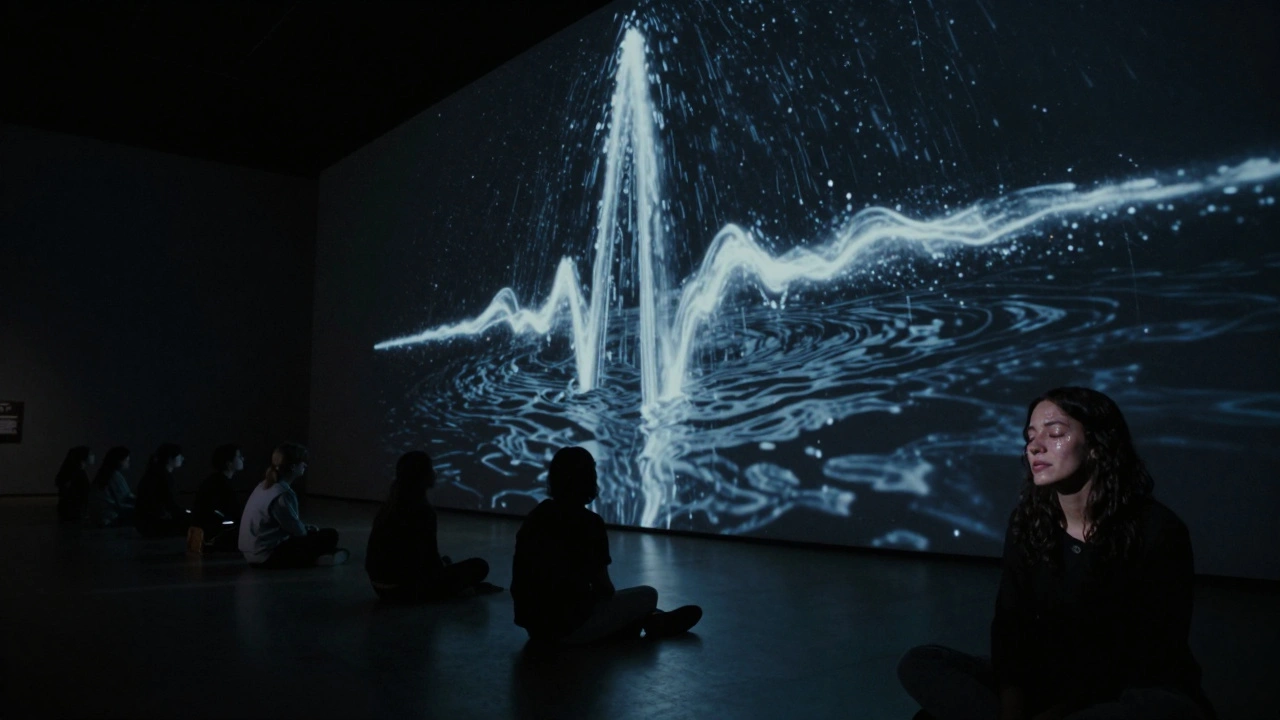
When a museum teams up with a filmmaker to show a short film in its gallery, something unexpected happens. The walls stop being just containers for paintings. The lights dim, the projector hums, and suddenly, you’re not just looking at art-you’re living inside it. This isn’t a new idea, but in recent years, it’s become one of the most powerful ways museums are reconnecting with audiences. Museums aren’t just storing art anymore. They’re becoming stages for moving images, and the artists behind those images are rewriting what a museum experience can be.
Why Museums Are Turning to Film
Museums have always struggled with how to make static objects feel alive. A painting on a wall can be beautiful, but it doesn’t move, speak, or change. Film does. Artist-made films-especially those created specifically for gallery spaces-bring time, sound, movement, and emotion into the mix. They turn a single viewing into a layered experience. Take the work of artist Bill Viola. His video installations don’t just play on a screen. They fill entire rooms with slow-motion water, echoing voices, and light that shifts like breathing. People don’t walk past them. They sit. They stay. They cry.
In 2024, the Museum of Modern Art in New York reported that visitor dwell time for film-based exhibitions increased by 47% compared to traditional static displays. That’s not a coincidence. It’s a pattern. When film is part of the exhibition, people don’t just look-they absorb.
How These Partnerships Work
These aren’t random movie nights in the auditorium. These are curated collaborations between museum curators and filmmakers who often have no prior connection to institutional spaces. The process usually starts with a proposal: an artist submits a film they’ve made, or the museum commissions a new piece. Sometimes, it’s a rediscovery-an old experimental film from the 1970s that never got shown outside of a small cinema.
Here’s how it typically unfolds:
- The museum identifies an artist whose work aligns with current exhibitions or themes (like identity, memory, or climate).
- The artist is invited to adapt their film for the gallery space-changing projection size, adding surround sound, or designing the room layout to match the film’s mood.
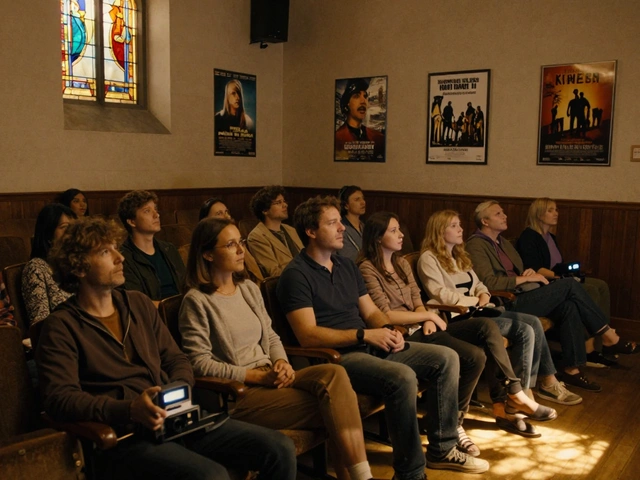
- The film is shown on a loop, with no fixed start time. Visitors can walk in anytime and stay as long as they like.
- Text panels, audio guides, or live artist talks accompany the screening, giving context without over-explaining.
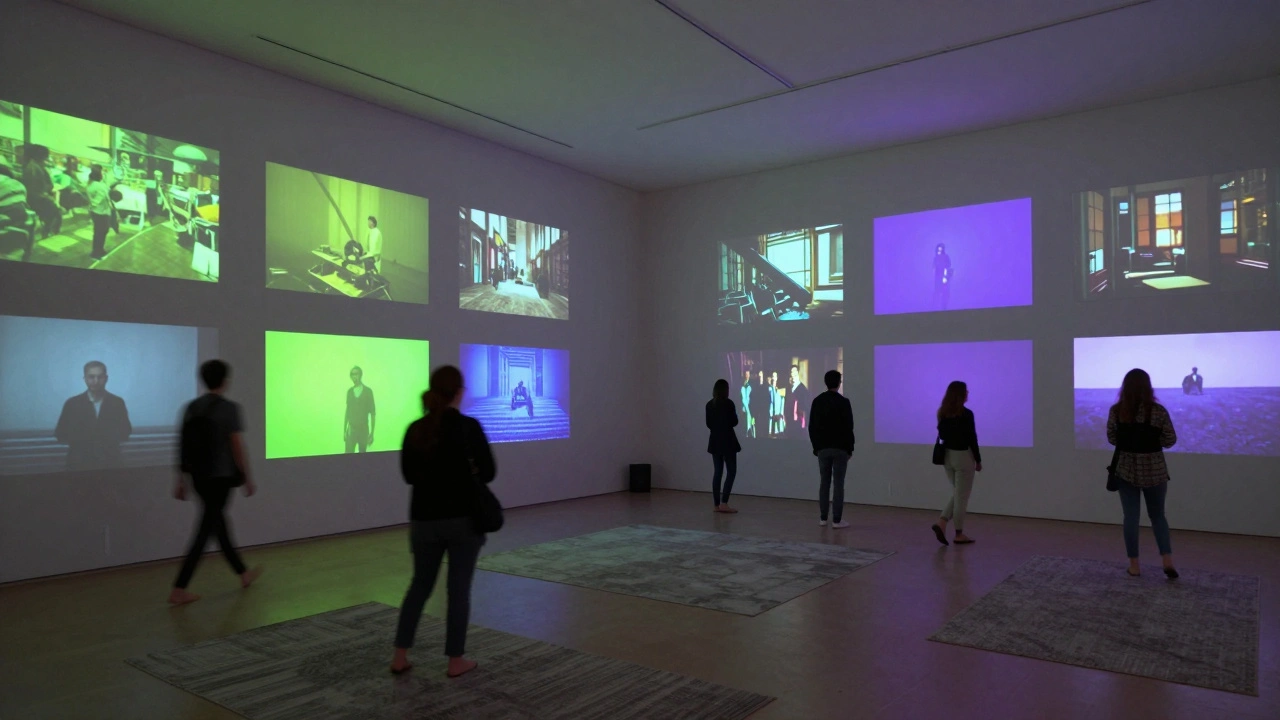
At the San Francisco Museum of Modern Art, a 2023 exhibition called Time in Motion featured 12 short films by artists from six countries. Each piece was projected on a different wall. Visitors moved from one to the next like wandering through a dream. No tickets. No schedule. Just presence.
What Makes an Artist Film Different
Not every film shown in a museum is an artist film. A Hollywood feature, even if it’s critically acclaimed, doesn’t belong in this context. Artist films are made with the gallery in mind. They’re often non-linear. They might not have dialogue. They might be silent. They might last 12 minutes-or 12 hours.
Take the work of artist Hito Steyerl. Her film How Not to Be Seen (2019) isn’t meant to be watched on a couch. It’s designed to be experienced in a dark room with multiple screens, where the viewer is forced to turn their head, to shift their body, to question their own position in the image. It’s not entertainment. It’s an argument.
These films rarely follow the three-act structure of commercial cinema. They’re not about plot. They’re about atmosphere, texture, and feeling. That’s why they fit so well in museums. They don’t ask you to be passive. They ask you to be curious.
Benefits for Museums
Museums face constant pressure to stay relevant. Ticket sales are down. Younger audiences don’t see museums as places for them. But when a museum starts showing films made by living artists, everything changes.
- Visitor numbers jump-especially among people aged 18 to 35.
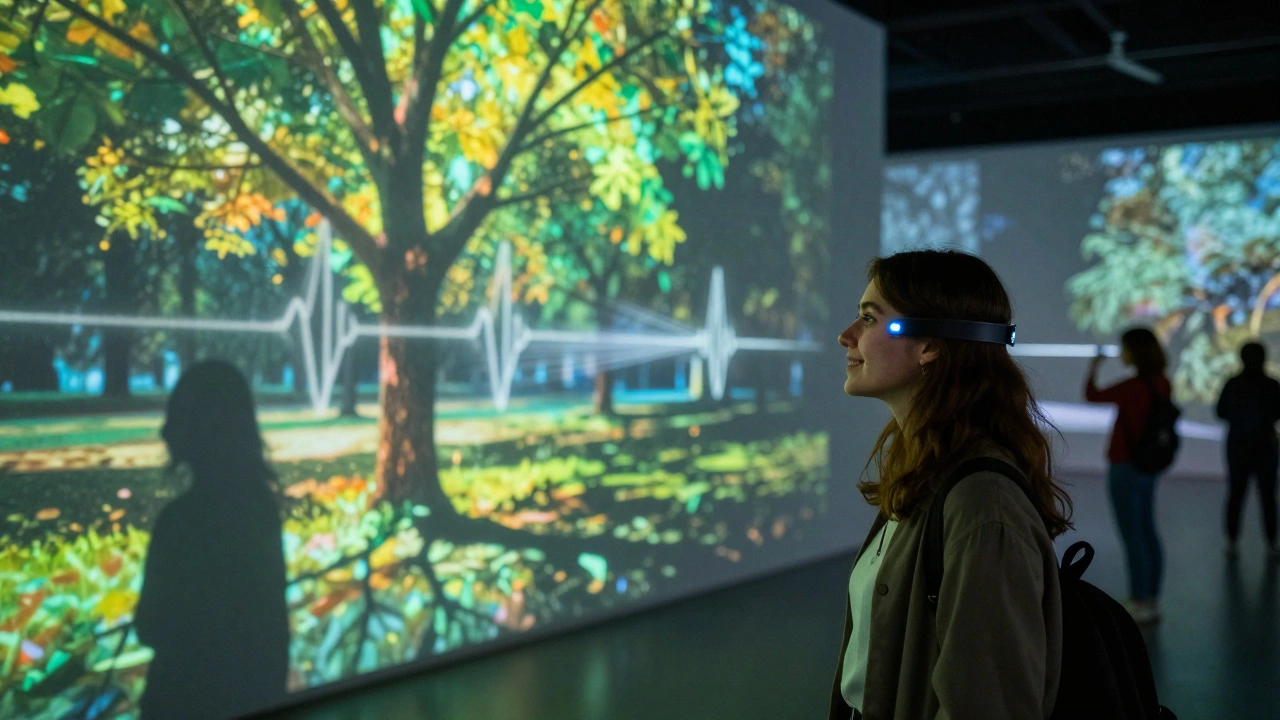
- Social media engagement spikes. Film clips are shareable. A five-minute loop of glowing trees in a dark room? People film themselves watching it. That’s free marketing.
- Donors notice. Foundations that fund contemporary art are more likely to support projects that involve film, because they understand its cultural reach.
- Artists get exposure. Many of these filmmakers have never shown work in a museum before. This gives them credibility and access to new audiences.
In 2025, the Whitney Museum in Chicago saw a 62% increase in membership renewals after launching its monthly artist film series. They didn’t change their exhibits. They just added moving images.
Challenges and Pitfalls
It’s not easy. Museums aren’t theaters. Their lighting isn’t designed for projection. Their walls aren’t soundproof. Their staff isn’t trained in film tech. Many institutions try to do this on a shoestring budget, and it shows.
Common problems:
- Projectors are too dim, or the sound cuts out during key moments.
- Curators choose films that are too abstract, and visitors leave confused.
- Artists expect the museum to handle everything, but the museum lacks the technical team.
- Some films are too long, and people don’t know how long to stay.
The solution? Start small. Test one film for two weeks. Hire a local filmmaker to help set up the projection. Partner with a university film department. Use existing equipment before buying new gear. And always, always talk to the artist. They know how their work should feel.
Real Examples That Worked
Here are three partnerships that changed how people see museums:
- The Getty Center, Los Angeles (2024): Showed a 20-minute silent film by artist Nathalie Djurberg, where clay figures enact surreal, violent fairy tales. The room was painted black. The only light came from the screen. Attendance tripled. Visitors stayed an average of 22 minutes.
- The Art Institute of Chicago (2023): Partnered with a local indie filmmaker to screen Still Life with Water, a film shot entirely in abandoned public pools. The museum filled the space with mist and cool air. People said it felt like walking into a memory.
- Walker Art Center, Minneapolis (2025): Launched a rotating program called Screening Room, where a different artist film is shown every month. Each screening is accompanied by a live performance-a musician, a poet, a dancer-responding to the film. Attendance grew by 89% in six months.
These aren’t gimmicks. They’re thoughtful, intentional experiments. They treat film not as an add-on, but as a core part of the museum’s voice.
What’s Next
The next wave is interactive film. Not just watching. Participating. Imagine a film where your movement changes the画面. Or one that responds to your heartbeat. Museums are already testing this with wearable sensors and AI-driven projections.
Some are even using museum collections as source material. A film made from digitized letters, photos, and audio recordings from a 19th-century artist’s archive. The viewer doesn’t just watch history-they step into it.
The line between cinema and gallery is fading. And that’s a good thing. Museums don’t need to become theaters. But they do need to become more alive. And film, when done right, is one of the most powerful tools they have to do that.
What kind of films are shown in museum partnerships?
Museums show artist films-works made specifically for gallery spaces, not commercial theaters. These are often experimental, non-linear, and designed to be experienced in silence or with immersive sound. They may be short (5-20 minutes) or long (over an hour), and usually loop continuously. Unlike movies, they rarely follow plot structures. Instead, they focus on mood, texture, and emotional impact.
Do museums pay artists for these screenings?
Yes, most reputable museums provide an artist fee, especially if the film is commissioned. Fees vary based on the institution’s budget, but typically range from $5,000 to $25,000. Some museums also cover production costs, provide studio space, or offer residencies. Even when a film already exists, museums usually pay licensing fees to screen it publicly.
Can any filmmaker partner with a museum?
Not automatically. Museums typically select artists whose work aligns with their mission, current exhibitions, or thematic focus. Emerging artists can apply through open calls or artist residency programs. Established filmmakers often get invited directly. The key is not fame-it’s relevance. A film that speaks to the museum’s collection or cultural moment has a much better chance than one that doesn’t connect.
How long do these film exhibitions usually last?
Most last between 3 and 6 months, though some run as short as 2 weeks for testing. Longer exhibitions are common for commissioned works or films tied to major retrospectives. Rotating programs, like monthly screenings, can continue indefinitely. The duration depends on funding, audience response, and whether the film is part of a larger exhibition.
Do these partnerships help museums attract younger audiences?
Yes, dramatically. Studies from the American Alliance of Museums show that visitors under 35 are 3 times more likely to visit a museum if it includes moving image work. Film screenings draw in people who wouldn’t normally go-students, creatives, tech workers, and digital natives. The experience feels more dynamic, less formal, and more shareable on social media, which helps museums reach audiences they’ve struggled to engage.


Comments(10)