
Every year, when the big film festivals roll into town-Cannes, Sundance, Toronto-everyone talks about the movies. But the real action? It happens in the back rooms, the hotel lobbies, the after-parties no one officially invites you to. These are the satellite events and market parties where deals get made, careers are launched, and entire films find their audiences before they even screen for critics.
What Are Satellite Events and Market Parties?
Satellite events aren’t part of the official festival lineup. They’re the unofficial gatherings: a rooftop party at the Hôtel du Cap, a private dinner in a rented villa in Park City, a midnight screening in a converted warehouse in Berlin. Market parties are the same thing but focused on business-think buyers, distributors, agents, and producers mingling over cocktails, swapping business cards, and closing deals over canapés.
At Sundance, the official program has 120 films. But the real number of movies that get bought? Around 30. And nearly all of them were pitched, screened privately, or discussed at one of those after-hours events. The same goes for Cannes: only a fraction of the 200+ films in competition actually get picked up by distributors. The rest? They found buyers at the Marché du Film parties, where agents sit at tables with laptops open, ready to wire money the moment a deal looks right.
The Unwritten Rules of Dealmaking Culture
This isn’t just networking. It’s a high-stakes social ritual with its own code. You don’t walk up to a producer and say, ‘I want to buy your film.’ You show up at the right party, sit next to them at dinner, ask about their next project, and let the conversation unfold. If they like you, they’ll mention they’re looking for a U.S. distributor. Three days later, you send them a term sheet.
There are unwritten rules:
- Never bring a contract to the first meeting. Trust comes before paperwork.
- Always have a business card with a QR code that links to your film’s trailer-not your LinkedIn.
- Don’t drink too much. You’ll remember the deal, but you won’t remember if you said the right thing.
- Know who’s there before you go. A party with 150 people means nothing. A party with 12 people, including three Netflix acquisitions leads? That’s gold.
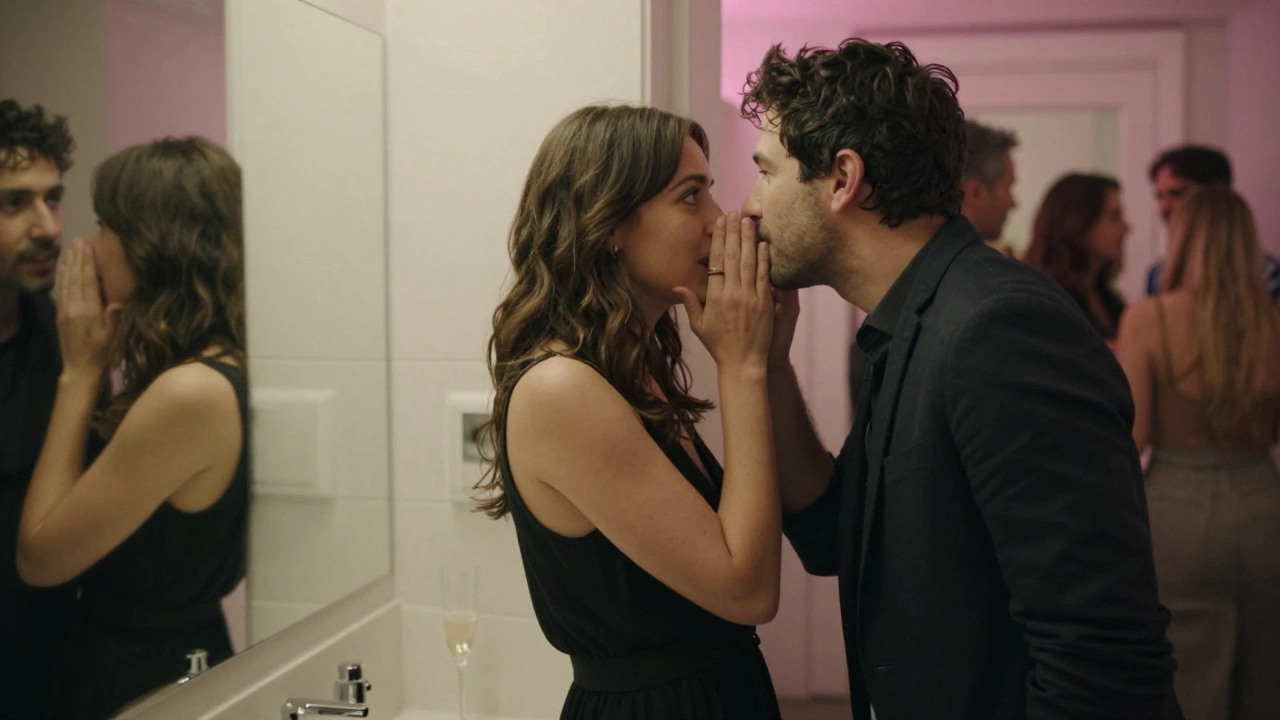
One producer told me she closed a $4 million deal for her documentary after a 17-minute conversation in the bathroom line at a Cannes after-party. No one else was listening. No one else was supposed to.
Why These Parties Work Better Than Pitch Decks
Most filmmakers spend months polishing their pitch decks. They hire graphic designers, write 10-page summaries, and record voiceovers. Then they present them in sterile conference rooms to people who’ve seen 50 similar decks that week.
But at a market party, you’re not pitching. You’re telling a story. You’re laughing about how your lead actor got lost on the way to set. You’re showing a 90-second clip on your phone while someone sips a gin and tonic. That’s when the real interest sparks.
Why? Because emotion beats logic. A well-edited trailer can’t compete with the energy of someone saying, ‘This film saved my life after my dad died.’ That’s what sticks. That’s what gets bought.
According to a 2024 report from the Independent Film & Television Alliance, 68% of indie film acquisitions at major festivals originated from conversations that began at satellite events-not formal meetings.
Who Shows Up? And Who Gets Left Out
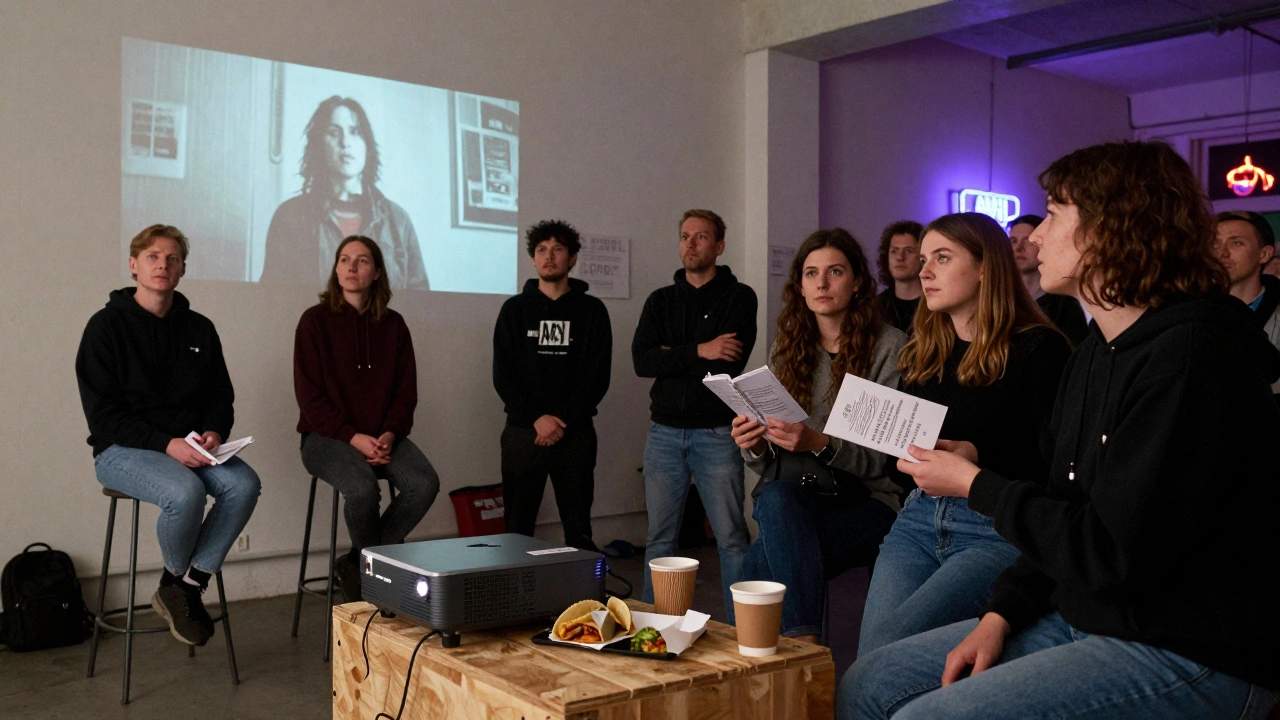
Not everyone gets invited to the right parties. There’s a hierarchy. Big studios send their heads of acquisitions. Streaming platforms bring their global content leads. Independent distributors send their most aggressive buyers. And then there are the filmmakers-some with big names, others with nothing but passion and a great script.
But here’s the truth: the best deals often go to the underdogs. A first-time director from Serbia sold her film for $1.2 million at Berlinale after a producer saw her dancing at a basement party. She didn’t have a PR team. She didn’t have a trailer. She had a story that made people lean in.
On the flip side, you’ll see films with million-dollar budgets that sit untouched because the team showed up in suits, handed out PDFs, and didn’t talk to anyone. The culture doesn’t reward formality. It rewards authenticity.
The Rise of the ‘Mini-Market’
Big festivals are getting more expensive. Hotel rooms in Park City now cost $1,200 a night. Registration fees for industry passes hit $1,500. So more filmmakers are skipping the main event and going straight to the satellite markets.
Places like Austin’s Fantastic Fest, the San Sebastián International Film Festival’s market wing, and the Rotterdam Lab have become hotspots for niche genres-horror, sci-fi, experimental cinema. These events are smaller, cheaper, and far more accessible. And the deals? Just as real.
Last year, a low-budget horror film from the Philippines sold streaming rights to Shudder after a midnight screening at Fantastic Fest. The buyer was there because he’d heard about it from a friend at a taco truck party two blocks away. No formal submission. No agent. Just word of mouth.
How to Get In (Even If You’re Not Famous)
You don’t need a big budget to be part of this. You just need to know where to look.
- Follow the right people on Twitter and Instagram. Producers and buyers often post party invites the day before.
- Reach out to local film collectives in the festival city. They host free or low-cost gatherings for indie creators.
- Volunteer. Many satellite events need help with setup, registration, or tech. You get in for free-and you meet the people running the party.
- Bring something valuable. A playlist of songs from your film. A printed zine with behind-the-scenes photos. A handwritten note thanking someone for their work. It’s not about the price. It’s about the thought.
- Don’t chase the VIPs. Chase the assistants. They’re the ones who know who’s really making decisions.
One filmmaker from Ohio spent $400 on a bus ticket to Sundance. He didn’t have a film in the lineup. But he showed up with 50 copies of a handmade zine about his 10-year journey making short films. He gave them away at a coffee shop. Two weeks later, he got an email from a producer who’d seen one. They’re now co-producing his first feature.
The Real Cost of Skipping the Parties
There’s a quiet epidemic in independent film: great movies that never find an audience-not because they’re bad, but because no one ever saw them outside the screening room.
Think about it. A film can win a jury prize and still die on a streaming platform if no one knows it exists. But if it gets mentioned at three parties, shared on a Slack group, and recommended by a distributor at a 2 a.m. taco stand? It becomes a cult hit.
The festival circuit isn’t about awards. It’s about access. And access doesn’t come from a submission portal. It comes from showing up, being present, and letting people see you-not just your film.
What Comes After the Deal?
Getting a deal is just the start. The real work begins when you leave the party. Contracts need signing. Marketing plans need building. Releases need scheduling.
But here’s the thing: the relationships you build at these events last. A producer who bought your film at a Cannes after-party might call you two years later with a new project. A distributor who loved your trailer at a Berlin rooftop party might ask you to advise on their next acquisition.
This isn’t a one-time transaction. It’s a network. And the people who thrive in this space aren’t the ones with the biggest budgets. They’re the ones who remember names, follow up with a text, and show up again next year-even if they didn’t sell anything this time.
Are satellite events only for filmmakers?
No. Buyers, distributors, agents, publicists, and even film critics attend. But if you’re not involved in the business side-like a fan or casual attendee-you’ll usually be turned away. Most parties are industry-only, with guest lists managed by production companies or festival organizers. Some smaller events allow public tickets, but the real deals happen in the private ones.
Do you need an agent to get invited to market parties?
Not always. Many parties, especially the smaller ones, are open to anyone who shows up with a genuine interest. But having an agent helps. They get on guest lists, get you into dinners with buyers, and introduce you to the right people. If you don’t have one, focus on volunteering, attending open events, and building relationships organically. People remember who shows up consistently.
Can you make a deal without attending a festival?
Yes, but it’s harder. Most deals still start with in-person connections. However, some distributors now host virtual pitch nights or regional satellite events in cities like Atlanta, Toronto, or Lisbon. These are growing, but they don’t replace the energy of a live party. The best approach? Attend one major festival-even if just for three days-and use that as a launchpad for ongoing online outreach.
What’s the difference between a market party and a premiere party?
A premiere party celebrates the film’s first screening. It’s for fans, cast, crew, and press. A market party is for business. It’s where buyers, sellers, and financiers talk numbers, rights, and distribution. The vibe is different: premiere parties have champagne and red carpets. Market parties have business cards, laptops, and quiet conversations in corners.
Is dealmaking culture changing with streaming?
Yes, but not in the way you think. Streaming platforms still buy films at festivals. But now they’re looking for content that can go viral quickly-short-form, genre-driven, culturally specific. That means more parties are focused on niche genres: horror, anime, regional comedies. The deals are smaller, but faster. And the people making them? They’re often younger, more casual, and more likely to be found at a rooftop bar than a boardroom.
The festival scene isn’t dying. It’s evolving. The glitz is still there. But the real power? It’s in the quiet moments-after the lights go down, after the applause fades, when someone says, ‘I’ll take it.’ That’s where the movies live beyond the screen.




Comments(7)