Why do some films get picked and others don’t?
Every year, thousands of filmmakers submit their work to festivals like Sundance, Cannes, or Tribeca. Only a tiny fraction make it in. If you’ve ever wondered how that happens, you’re not alone. Most people think it’s about buzz, star power, or big budgets. But the truth? It’s far more personal, messy, and human than that.
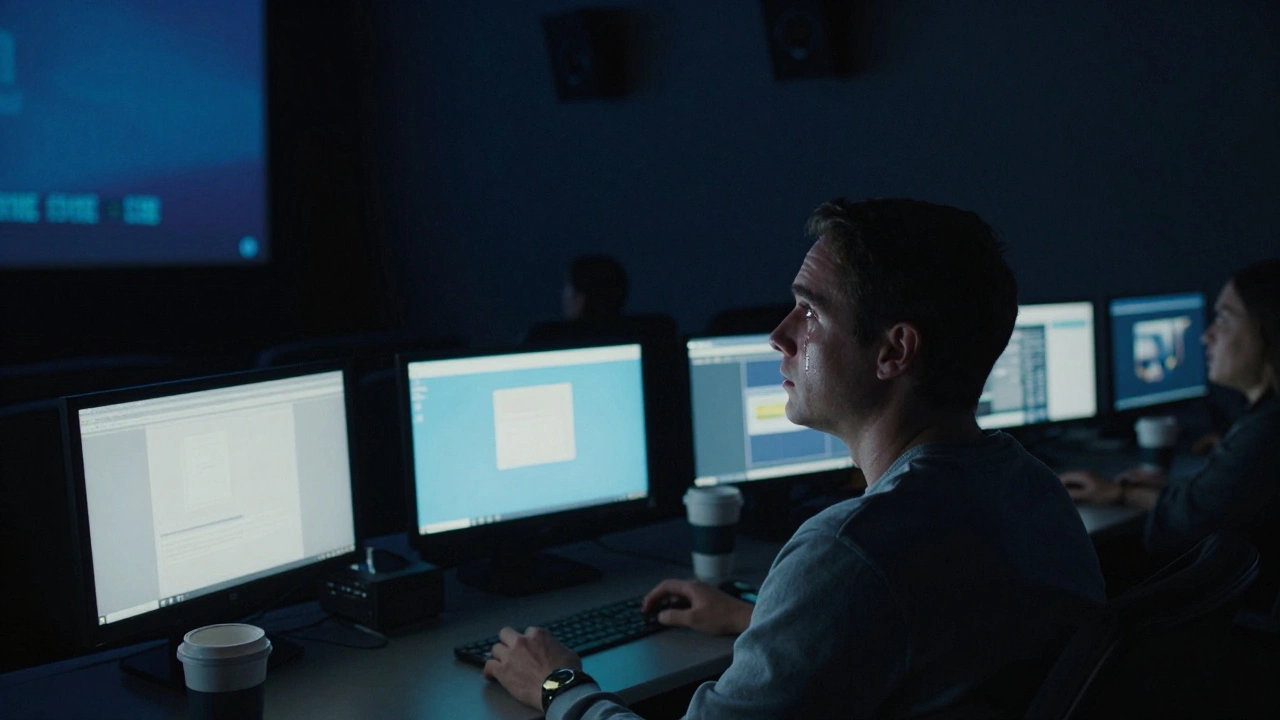
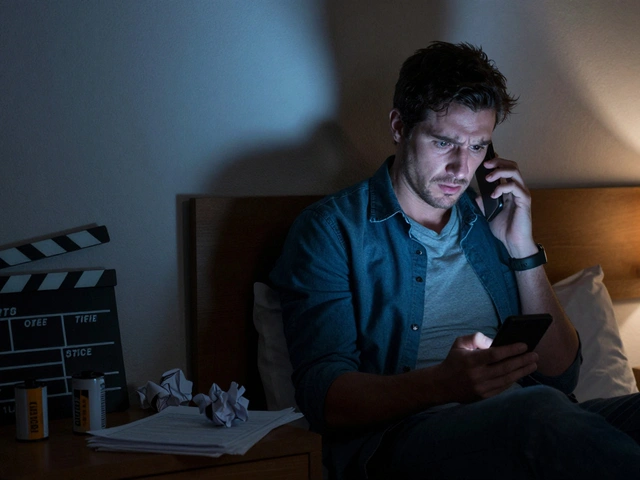
Film programmers - the people who actually decide what gets shown - aren’t just gatekeepers. They’re curators, storytellers, and sometimes even therapists. They spend months watching films in silence, often late at night, with no audience, no applause, just their own reactions. And their choices don’t come from spreadsheets or algorithms. They come from gut feelings, past experiences, and a deep, sometimes obsessive, love for cinema.
What does a film programmer actually do?
A film programmer isn’t just someone who watches movies. They’re responsible for building a festival’s identity. That means picking films that fit a theme, represent a region, challenge norms, or introduce new voices. They work with limited time, tight budgets, and even tighter schedules. One programmer might watch 800 films in a single year. Only 120 make the final cut.
They don’t just pick the best films. They pick the right films for the right audience. A film that wins at Berlin might flop at South by Southwest. Why? Because the audiences are different. One crowd wants bold experimentation. Another wants emotional storytelling. Programmers know this. They don’t just look at awards or reviews. They look at how a film makes them feel when they’re alone in a dark room at 2 a.m.
How do they actually choose?
There’s no secret formula. But after talking to over 20 programmers across North America and Europe, a few patterns keep showing up.
- First 10 minutes matter more than the whole film. If a film doesn’t grab you quickly, it’s often out. Programmers don’t have time to sit through slow starts. They’ve seen hundreds already. If the opening doesn’t establish tone, character, or tension, it’s hard to justify moving forward.
- Originality beats polish. A rough film with a fresh voice often beats a slick, generic one. One programmer told me they picked a film shot on a phone because the lead actor’s performance felt real - like they weren’t acting, just living the role.
- Emotional truth > technical perfection. A film with shaky camera work but honest dialogue can move a programmer more than a visually stunning but emotionally hollow blockbuster.
- They look for gaps. If a festival already has three coming-of-age dramas, a fourth one won’t make it - unless it’s radically different. Programmers are always asking: What’s missing? Who’s not being heard?
It’s not about popularity - it’s about resonance
Many assume that films with big names or social media traction get picked. That’s rarely true. One programmer shared how they passed on a film with 5 million YouTube views because the story felt recycled. Instead, they chose a quiet documentary about a woman in rural Alabama who restored abandoned churches. It had no famous faces. No viral moments. But it made them cry. And that’s what counted.
Festival curation isn’t about what’s trending. It’s about what lingers. What haunts you after the credits roll. What makes you call a friend the next day and say, “You have to see this.”
Behind the scenes: the real selection process
Here’s how it usually works:
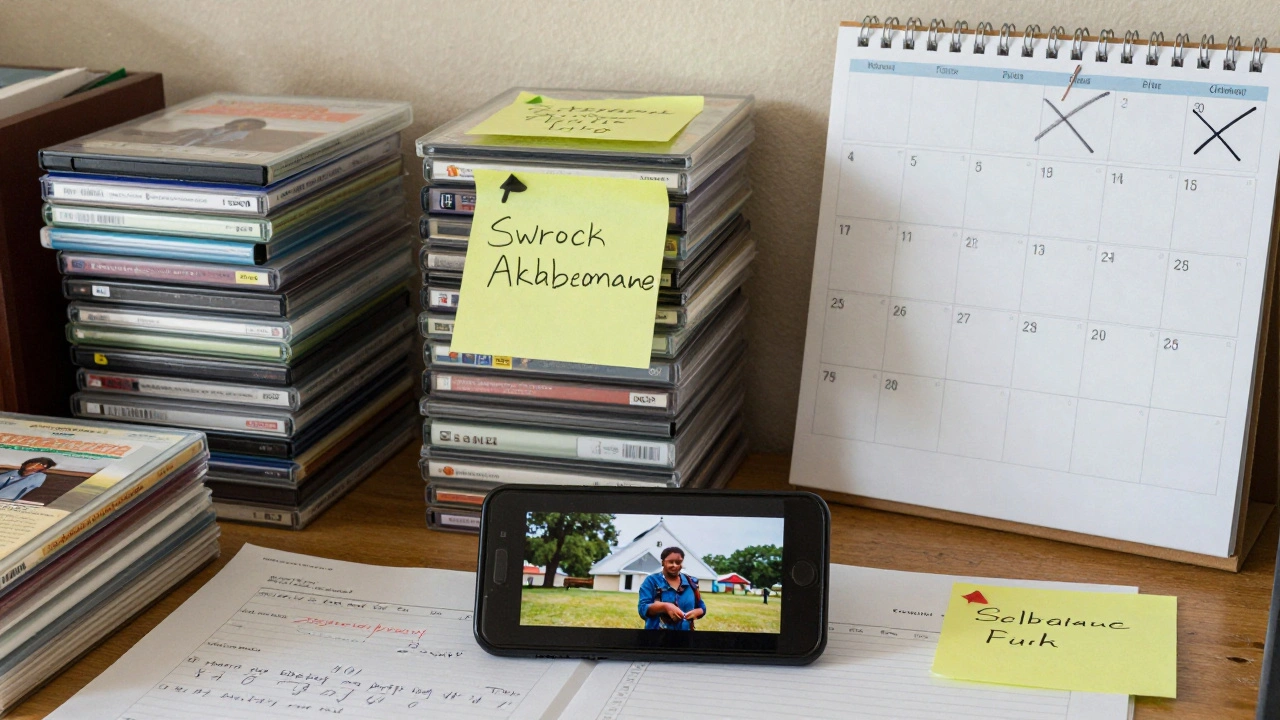
- Submissions open. Filmmakers upload their films through platforms like FilmFreeway or Withoutabox. Thousands arrive in the first week.
- Initial screening. A team of assistant programmers watches the first 15-20 minutes of every submission. They take notes: Is this worth a full watch? Is there a clear voice? Is there a reason this belongs here?
- Full viewings. The top 20-30% get watched in full. Programmers take notes, flag scenes, circle moments that stood out.
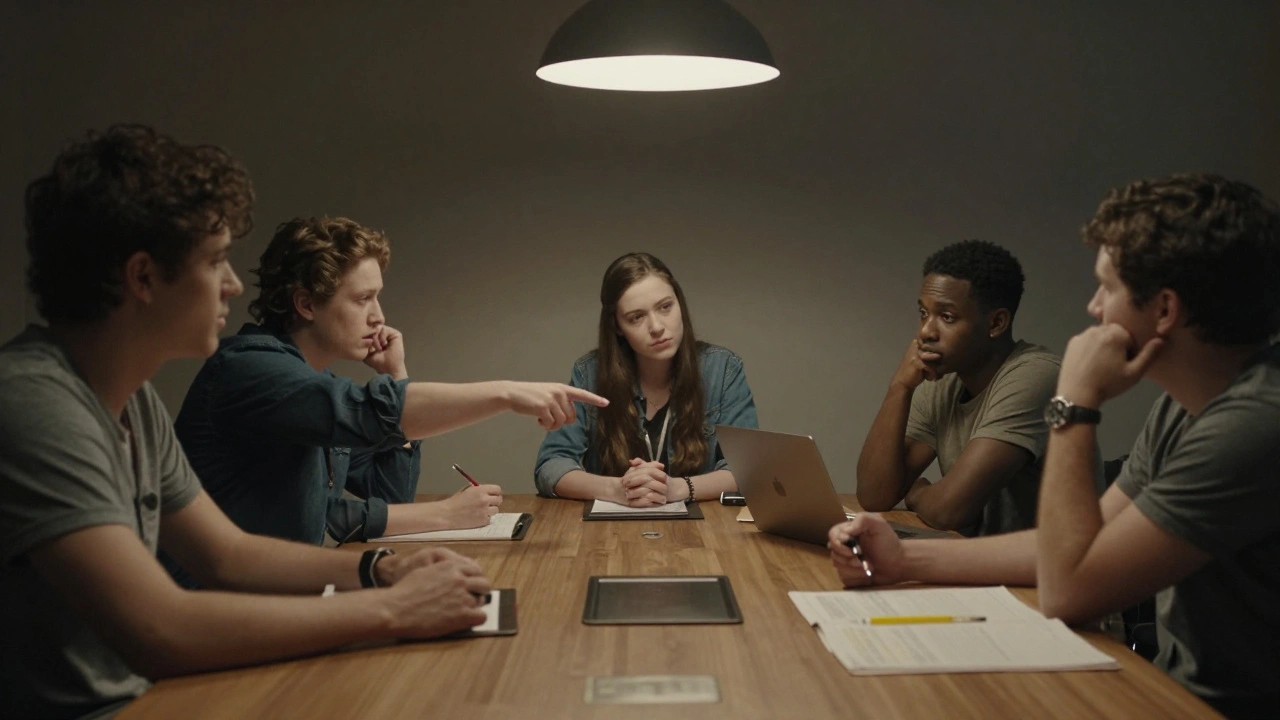
- Group discussions. Weekly meetings happen where programmers debate. Someone might say, “This one didn’t move me, but it made me angry - and that’s powerful.” Another might say, “I saw this exact story last year. We don’t need another.”
- Final selection. The list gets trimmed. Budgets, rights, premiere status, and diversity of perspective all play a role. Sometimes, a film is chosen because it balances out the lineup.
What gets left out - and why
It’s easy to think rejection means a film is bad. But that’s not always true.
One programmer told me they rejected a beautifully shot thriller because it was too similar to a film they’d already accepted. Another passed on a heartfelt family drama because it was too close to a film they’d shown two years ago. Sometimes, it’s not about quality. It’s about timing. Or overlap. Or even bad luck.
And then there’s the “festival fatigue” factor. A film might be great, but if it’s already played at 10 other festivals, it loses its “premiere” appeal. Festivals want firsts - world premieres, North American debuts, regional firsts. They’re selling novelty as much as art.
What filmmakers get wrong
Most filmmakers think they need to impress the programmer with technical skill. They spend months tweaking color grading, sound design, or adding fancy transitions. But programmers rarely care about that.
What they care about:
- Is this story worth telling?
- Is the filmmaker saying something they haven’t heard before?
- Does this feel like it came from a real place?
One filmmaker submitted a film about a non-binary teen in rural Kansas. The production was low-budget. The lighting was uneven. But the dialogue was raw, real, and specific. The programmer said: “I’ve never seen this story. I’ve never met anyone like this. I need people to see this.” It opened the festival.
How to get noticed - not by luck, but by clarity
If you’re a filmmaker trying to get into a festival, here’s what actually works:
- Be specific. Don’t say “it’s about love.” Say “it’s about a deaf woman who falls in love with a man who only communicates through sign language - but she’s never learned to sign.” Specificity creates uniqueness.
- Know your festival. Don’t submit a horror film to a documentary-only festival. Read their past lineups. See what they’ve shown. Match your tone.
- Don’t over-edit your submission. A clean, simple upload with a clear title and synopsis beats a flashy trailer with no substance. Programmers want to see the film, not a marketing campaign.
- Don’t chase trends. If every film this year is about AI, don’t make one just to fit in. They’ve seen 50 already.
What happens after the selection?
Getting in is just the start. Programmers don’t just pick films - they help them find audiences. They write program notes. They host Q&As. They introduce filmmakers to distributors. They become advocates.
One programmer told me they spent six months pushing a film no one else wanted. They screened it for buyers, wrote press releases, even convinced a theater chain to show it for a week. That film later got a limited theatrical release. Without that programmer’s belief in it, it would’ve disappeared.
It’s not a science. It’s a conversation.
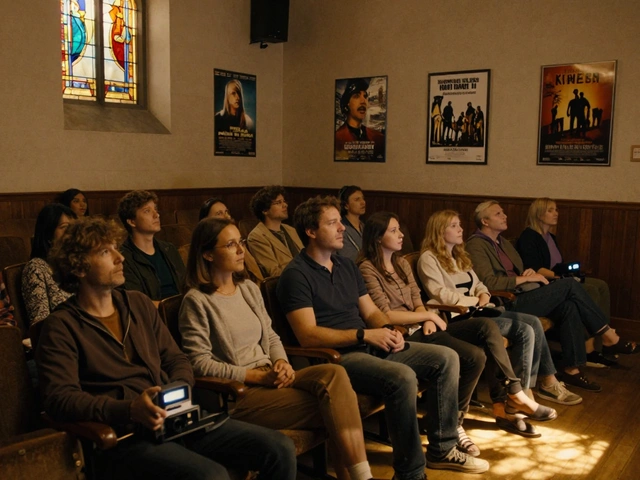
Film curation isn’t about picking winners. It’s about starting conversations. A programmer’s job isn’t to decide what’s the best film. It’s to decide what film might change someone’s mind, open their eyes, or make them feel less alone.
That’s why the best festivals don’t just show movies. They show people - their struggles, their dreams, their silences. And the programmers? They’re the ones listening closely, hoping to find something that matters.
Do film festivals only pick high-budget films?
No. Most festival selections are low-budget or indie films. In fact, many festivals actively seek out films made with little to no funding. What matters is originality, emotional truth, and a strong voice - not the size of the budget. A film shot on a smartphone with a $500 budget has been selected over a $5 million production.
Can a film get picked even if it’s not a premiere?
It’s harder, but yes. Festivals prefer world or North American premieres because they offer something new to their audiences. But if a film is exceptional and hasn’t been widely seen, it can still be accepted - especially at smaller or niche festivals. Some festivals even specialize in showcasing films that missed their chance at bigger events.
How long does it take to watch all the submissions?
A single programmer might watch 600 to 1,000 films in a year, depending on the festival’s size. For major festivals like Sundance or Toronto, the screening period lasts 3-4 months. Programmers often watch 5-10 films a day, sometimes more. Many work late into the night, often alone, with no breaks.
Do programmers have personal preferences that influence their picks?
Absolutely. Every programmer has tastes - whether they love slow cinema, experimental narratives, or gritty realism. But good programmers balance their personal taste with the festival’s mission. They ask: Does this fit our audience? Does this fill a gap? Even if they don’t personally love a film, they might select it because it’s important for the lineup.
What’s the biggest mistake filmmakers make when submitting?
Trying to make their film look like something it’s not. Submitting a quiet character study to a genre festival, or a documentary-style film with no narration to a narrative competition. Programmers can tell when a filmmaker doesn’t understand the festival’s identity. It’s better to submit to the right place than to force a fit.
Is there a formula for getting accepted?
No. There’s no checklist, no magic runtime, no ideal genre. The only consistent factor is authenticity. Films that feel true - to their characters, their setting, their message - have the highest chance. The rest is timing, luck, and whether the programmer had a bad day or not.


Comments(10)